
Can you style a kitchen? Yes, you absolutely can style a kitchen to reflect your personal taste and create a functional, beautiful space. Styling a kitchen involves more than just choosing colors; it’s about creating a cohesive look that balances aesthetics with practicality. This guide will delve into the essential kitchen design tips and kitchen decor ideas to help you achieve your dream kitchen. We’ll explore everything from cabinet choices to countertop selections, offering kitchen remodel inspiration along the way.
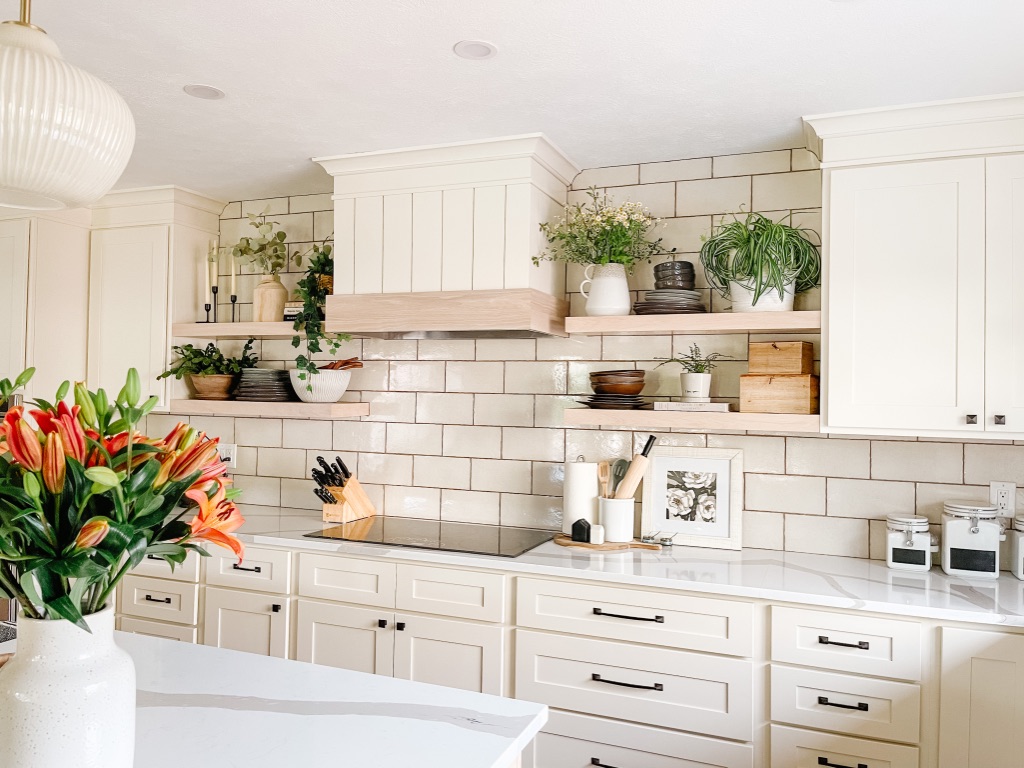
Image Source: sprucingupmamahood.com
Crafting Your Kitchen’s Foundation: Cabinets and Counters
The backbone of any kitchen’s style lies in its cabinets and countertops. These are often the most significant investments in a kitchen remodel, and choosing wisely sets the tone for the entire space.
Kitchen Cabinet Styles: A World of Choices
Kitchen cabinet styles are incredibly diverse, catering to every design preference. The right cabinets can elevate your kitchen from ordinary to extraordinary.
Shaker Cabinets: Timeless Appeal
Shaker cabinets are a perennial favorite for their clean lines and versatility. They feature a flat center panel and a raised frame, offering a simple yet sophisticated look.
- Pros: Classic design, suits many styles (modern, traditional, transitional), durable.
- Cons: Can appear too simple for some modern aesthetics without proper hardware.
Flat-Panel (Slab) Cabinets: Modern Purity
Flat-panel cabinets, also known as slab cabinets, boast a minimalist design with a single, flat door. They are the quintessential choice for a modern or contemporary kitchen.
- Pros: Sleek, uncluttered look, easy to clean, highlights natural wood grain or high-gloss finishes.
- Cons: Can sometimes feel stark; require attention to hardware and other decorative elements to avoid feeling too plain.
Raised-Panel Cabinets: Traditional Elegance
Raised-panel cabinets feature a center panel that is raised, creating a more traditional and ornate appearance.
- Pros: Adds depth and visual interest, suits classic and formal kitchen designs.
- Cons: Can look dated in very modern settings, may collect more dust in the grooves.
Inset Cabinets: A Touch of Luxury
Inset cabinets have doors and drawers that sit flush within the cabinet frame. This craftsmanship offers a high-end, bespoke feel.
- Pros: High-quality appearance, precise detailing, a mark of custom cabinetry.
- Cons: More expensive due to the precision required, can be slightly less accessible than frameless cabinets.
Frameless (European) Cabinets: Sleek and Spacious
Frameless cabinets offer a clean, minimalist look with doors that attach directly to the cabinet box. This design maximizes interior space.
- Pros: Modern aesthetic, offers more storage space, clean lines.
- Cons: Can be less forgiving of framing inaccuracies in the walls.
Kitchen Cabinet Styles at a Glance:
| Style | Key Feature | Best For |
|---|---|---|
| Shaker | Flat center panel, raised frame | Traditional, Transitional, Modern |
| Flat-Panel (Slab) | Single, flat door | Modern, Contemporary |
| Raised-Panel | Raised center panel | Traditional, Formal |
| Inset | Doors/drawers flush within frame | Luxury, Custom, High-end |
| Frameless | Doors attach directly to cabinet box | Modern, Maximum Storage |
Kitchen Counter Ideas: The Heart of Your Workspace
Your kitchen counter ideas significantly impact both the look and functionality of your kitchen. Consider durability, maintenance, and aesthetic appeal.
Quartz: The Durable Darling
Quartz countertops are engineered from natural quartz crystals and resin. They are incredibly durable, non-porous, and resistant to stains and heat.
- Pros: Highly durable, stain-resistant, low maintenance, wide range of colors and patterns.
- Cons: Can be expensive, some may find the engineered look less natural.
Granite: Nature’s Masterpiece
Granite is a natural stone known for its unique patterns and robustness. Each slab is one-of-a-kind.
- Pros: Beautiful, unique patterns, heat-resistant, durable.
- Cons: Requires sealing to prevent staining, can be prone to chipping if not maintained.
Marble: Classic Elegance
Marble offers unparalleled beauty and sophistication. Its veining creates a timeless, luxurious look.
- Pros: Exquisite beauty, classic appeal.
- Cons: Porous, prone to staining and etching from acidic foods, requires frequent sealing and careful maintenance.
Butcher Block: Warmth and Character
Butcher block countertops, typically made from wood like maple, oak, or walnut, bring warmth and natural beauty to a kitchen.
- Pros: Warm, natural look, can be refinished, comfortable to work on.
- Cons: Requires regular oiling and sealing to prevent water damage and staining, prone to scratches and dents.
Concrete: Industrial Chic
Concrete countertops offer a modern, industrial aesthetic. They can be customized with different colors, finishes, and embedded elements.
- Pros: Customizable, durable, modern look.
- Cons: Can be prone to staining and cracking if not properly sealed, can be very heavy.
Kitchen Counter Ideas for Different Styles:
| Countertop Material | Best Suited For | Key Aesthetic |
|---|---|---|
| Quartz | Modern, Transitional, Minimalist | Sleek, consistent, versatile |
| Granite | Traditional, Rustic, Modern | Natural, unique patterns, sophisticated |
| Marble | Classic, Luxury, Traditional | Elegant, timeless, veining |
| Butcher Block | Rustic, Farmhouse, Traditional | Warm, natural, inviting |
| Concrete | Industrial, Modern, Loft | Edgy, textured, customizable |
The Art of Embellishment: Backsplashes and Hardware
Once the foundational elements are in place, it’s time to add the details that truly define your kitchen’s style. Kitchen backsplash trends and thoughtfully chosen hardware can make a significant impact.
Kitchen Backsplash Trends: Adding Personality
The backsplash is a prime area to showcase personality and add a visual focal point to your kitchen.
Zellige Tile: Handcrafted Charm
Zellige tiles are Moroccan-made, handmade ceramic tiles known for their irregular surfaces and subtle variations in glaze. They offer an artisanal, organic feel.
- Pros: Unique, handcrafted beauty, adds texture and depth.
- Cons: Can be more expensive, irregular surfaces may require more effort to clean.
Large Format Tiles: Seamless Sophistication
Using large format tiles (12×24 inches or larger) for backsplashes creates a more seamless and modern look.
- Pros: Minimizes grout lines for a clean aesthetic, makes spaces feel larger.
- Cons: Can be harder to cut for intricate spaces, grout lines still require cleaning.
Geometric Patterns: Bold Statements
Geometric tiles, from classic subway tiles in unexpected patterns to intricate mosaic designs, add a graphic and modern element.
- Pros: Adds visual interest, can define a specific zone.
- Cons: Can be visually busy if not balanced with simpler elements elsewhere.
Natural Stone: Timeless Texture
Backsplashes made from marble, travertine, or slate offer natural beauty and texture.
- Pros: Classic, luxurious, durable.
- Cons: May require sealing, can be more expensive.
Peel-and-Stick Backsplashes: Easy Updates
For a quick and budget-friendly update, peel-and-stick tiles offer a range of styles, from mosaic to subway tile.
- Pros: Easy to install, affordable, temporary.
- Cons: Durability and long-term adhesion can vary, may not look as high-end as traditional tiles.
Hardware: The Jewelry of Your Kitchen
Cabinet hardware – knobs and pulls – are the small details that make a big difference.
- Material: Consider brass, brushed nickel, matte black, or stainless steel to complement your cabinet style and overall color palette.
- Finish: Matte finishes tend to be more contemporary, while polished finishes lean towards traditional or glamorous styles.
- Style: Choose hardware that echoes the lines of your cabinets. Clean, simple pulls for modern kitchens; more ornate knobs for traditional designs.
Color and Light: Setting the Mood
Kitchen color palettes and lighting are crucial for creating the desired atmosphere.
Kitchen Color Palettes: Inspiring Choices
The colors you choose for your cabinets, walls, and decor will profoundly influence the kitchen’s mood.
- All White: Classic, bright, and airy. White cabinets and walls make a space feel larger and cleaner.
- Two-Tone: Combining different cabinet colors, like white uppers and dark lowers, adds visual interest and depth.
- Monochromatic: Using varying shades of a single color creates a sophisticated and cohesive look.
- Bold Accents: Introduce color through backsplashes, accessories, or even a feature wall to inject personality.
Lighting: Illuminating Your Space
Good lighting is essential for both functionality and ambiance.
- Ambient Lighting: General illumination, often from ceiling fixtures like recessed lights or a central chandelier.
- Task Lighting: Focused light for work areas, such as under-cabinet lighting for countertops.
- Accent Lighting: Highlights features, like pendant lights over an island or spotlights on artwork.
Styling for Specific Kitchens: Modern, Rustic, and Small
Modern kitchen styling and rustic kitchen design require different approaches to achieve their signature looks. For those with limited space, small kitchen organization is key.
Modern Kitchen Styling: Sleek and Streamlined
Modern kitchen design emphasizes clean lines, minimalist aesthetics, and functionality.
- Cabinetry: Flat-panel or Shaker style cabinets in sleek finishes like high-gloss white, matte gray, or natural wood veneers.
- Countertops: Quartz, polished concrete, or sleek natural stone.
- Backsplash: Large format tiles, glass, or a simple slab of the same material as the countertop.
- Hardware: Minimalist pulls or integrated handleless cabinets.
- Color Palette: Neutral colors like white, gray, black, and wood tones, often with metallic accents.
- Open Shelving: Can be incorporated sparingly for displaying curated items.
Rustic Kitchen Design: Warmth and Texture
Rustic kitchen design embraces natural materials, warmth, and a sense of handcrafted charm.
- Cabinetry: Shaker or distressed wood cabinets, perhaps with exposed hardware or glass fronts.
- Countertops: Butcher block, granite with a honed finish, or concrete.
- Backsplash: Subway tile, natural stone, or brick.
- Hardware: Aged brass, oil-rubbed bronze, or wrought iron.
- Color Palette: Earthy tones, warm woods, muted greens, and creams.
- Accents: Open shelving displaying ceramic dishes, wrought iron fixtures, and natural wood elements.
Small Kitchen Organization: Maximizing Space
Small kitchen organization is about making every inch count, ensuring both functionality and visual appeal.
- Vertical Space: Utilize wall-mounted shelves, pot racks, and tiered organizers to store items above counter level.
- Drawer Inserts: Keep drawers tidy and maximize storage for utensils and tools.
- Cabinet Organizers: Pull-out shelves, lazy Susans, and dividers make cabinets more accessible and efficient.
- Multi-functional Items: Opt for appliances and tools that serve multiple purposes.
- Declutter Regularly: A tidy space always feels larger. Keep countertops clear of unnecessary items.
- Strategic Seating: If space allows, consider a breakfast bar or compact island with seating to maximize dining options without taking up too much floor space.
- Color Psychology: Lighter colors can make a small kitchen feel more open and airy.
Bringing It All Together: The Finishing Touches
The final layer of styling involves decorative elements and personal touches that make your kitchen truly yours.
Decor and Accessories: The Personality Pieces
- Plants: Greenery adds life and color, instantly brightening the space.
- Artwork: A tasteful piece of art can serve as a focal point.
- Textiles: A stylish rug, colorful dishtowels, or decorative placemats can add warmth and texture.
- Open Shelving Styling: Arrange cookbooks, decorative bowls, and plants for an inviting display.
- Lighting Fixtures: Pendant lights over an island or a stylish ceiling fixture can be both functional and decorative.
Appliance Choices: Form Meets Function
Modern appliances come in a variety of finishes and styles that can complement your kitchen’s design. Consider stainless steel, matte black, or even colorful retro-inspired options.
Layout Considerations: Flow and Functionality
While styling focuses on aesthetics, it’s also important to consider the layout for optimal workflow. The “kitchen triangle” (sink, refrigerator, and stove) is a classic concept for efficient movement.
Frequently Asked Questions (FAQ)
What are the most popular kitchen cabinet styles right now?
Currently, Shaker cabinets remain incredibly popular due to their versatility. Flat-panel (slab) cabinets are also highly sought after for their modern, minimalist appeal. Inset cabinetry is gaining traction for those seeking a more bespoke, high-end look.
Can I mix and match kitchen counter materials?
Yes, mixing counter materials can add visual interest and define different zones in your kitchen. For example, you might use durable quartz for your main prep areas and a warmer butcher block on an island.
What are the best colors for a small kitchen?
Lighter colors, such as whites, soft grays, and pastels, are generally best for small kitchens as they reflect light and create a sense of spaciousness. Using a consistent color palette throughout can also make the space feel larger.
How do I choose the right kitchen backsplash?
Consider your overall kitchen style, cabinet and countertop materials, and desired aesthetic. Think about the level of maintenance you’re willing to do. For a bolder statement, consider patterned tiles; for a more subtle look, opt for classic subway tiles or a stone slab.
What is the most durable countertop material for a busy kitchen?
Quartz is widely considered one of the most durable and low-maintenance countertop materials. It’s non-porous, resistant to stains, heat, and scratches, making it ideal for high-traffic kitchens. Granite is also a very durable option, though it requires periodic sealing.