
Thinking about replacing your kitchen countertops? The kitchen countertop cost can vary widely. Generally, you can expect to pay anywhere from $2,000 to $7,000 for a standard kitchen countertop replacement, but this is just a rough estimate. The actual countertop replacement price depends on many factors, including the material you choose, the size and complexity of your kitchen, and installation labor costs. Let’s dive deep into what influences these costs and help you budget for your dream kitchen.
So, what is the average kitchen countertop replacement cost? The average kitchen countertop replacement cost typically falls between $3,000 and $6,000, but this figure can shift significantly based on material selection and project scope. If you’re looking to remodel kitchen countertops, it’s essential to understand all the components that contribute to the overall expense.
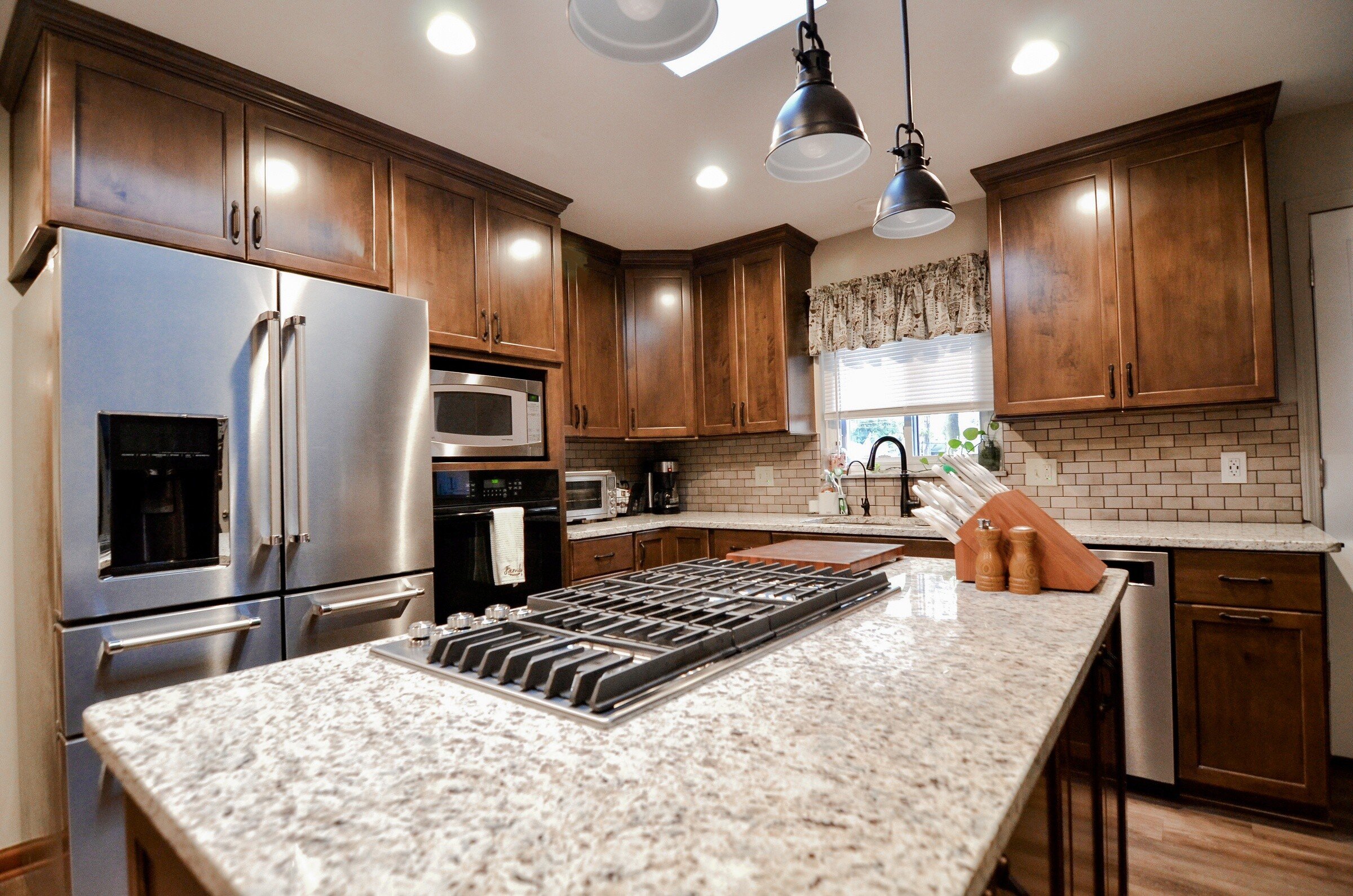
Image Source: www.jsbhomesolutions.com
Decoding the Price Tags: Key Factors Influencing Countertop Replacement Costs
When you’re budgeting for new kitchen counters, several elements will impact the final bill. It’s not just about the material itself; many other aspects play a crucial role.
Material Matters: The Biggest Cost Driver
The choice of countertop material is, by far, the most significant factor determining your new kitchen counter cost. From budget-friendly laminates to luxurious natural stones, each material has its own price point.
Laminate Countertops: The Budget-Friendly Option
Laminate countertops are a popular choice for homeowners looking for an affordable upgrade. They are made from layers of particleboard or MDF topped with a decorative laminate sheet, often mimicking the look of stone or wood.
- Pros: Very affordable, wide variety of colors and patterns, easy to clean.
- Cons: Less durable than other materials, susceptible to scratches, heat, and moisture damage.
- Estimated Cost: For laminate countertop replacement cost, you’re looking at approximately $10 to $30 per square foot installed. For a typical 30-square-foot kitchen, this could range from $300 to $900.
Solid Surface Countertops: A Versatile Choice
Solid surface countertops, like Corian, are made from a blend of acrylic and polyester polymers. They are a mid-range option offering a seamless look and good durability.
- Pros: Seamless appearance, non-porous, easy to repair, wide range of colors.
- Cons: Can scratch and scorch, not as heat-resistant as stone.
- Estimated Cost: Expect to pay between $50 to $100 per square foot installed. For a 30-square-foot kitchen, this could be $1,500 to $3,000.
Butcher Block Countertops: Warmth and Natural Beauty
Butcher block countertops offer a warm, natural look and are made from solid wood. They are a great choice for those who love a rustic or farmhouse aesthetic.
- Pros: Beautiful natural look, can be sanded and refinished, relatively affordable.
- Cons: Requires regular sealing and maintenance, prone to staining, scratching, and water damage if not properly cared for.
- Estimated Cost: The butcher block countertop cost typically ranges from $40 to $150 per square foot installed, depending on the wood species. For a 30-square-foot kitchen, this could be $1,200 to $4,500. Common wood types include maple, oak, and walnut.
Granite Countertops: Timeless Elegance
Granite is a natural stone known for its beauty, durability, and unique patterns. It’s a classic choice for a reason.
- Pros: Highly durable, heat-resistant, adds value to your home, unique patterns.
- Cons: Porous and requires sealing, can be prone to chipping or cracking under heavy impact, can be expensive.
- Estimated Cost: For granite countertop replacement cost, expect to pay between $50 to $200 per square foot installed. This wide range is due to the vast differences in granite types, colors, and origin. For a 30-square-foot kitchen, the cost could be $1,500 to $6,000 or more.
Quartz Countertops: Modern Durability and Style
Quartz countertops are engineered stone made from about 90% quartz crystals mixed with resins and pigments. They offer a consistent look and superior durability.
- Pros: Extremely durable, non-porous, stain-resistant, scratch-resistant, low maintenance, wide variety of colors and patterns.
- Cons: Can be more expensive than granite, not as heat-resistant as granite, seams can be visible in some installations.
- Estimated Cost: The quartz countertop installation cost typically ranges from $75 to $150 per square foot installed. For a 30-square-foot kitchen, this could be $2,250 to $4,500.
Marble Countertops: Luxurious and Classic
Marble is a natural stone known for its luxurious appearance and classic veining. It’s a premium option.
- Pros: Elegant and timeless look, unique veining patterns.
- Cons: Porous, prone to staining and etching from acids, can scratch and chip easily, requires significant maintenance.
- Estimated Cost: Marble countertops can range from $75 to $250 per square foot installed, with rarer types and more intricate veining commanding higher prices. For a 30-square-foot kitchen, this could be $2,250 to $7,500 or more.
Other Premium Materials
- Soapstone: Offers a matte, velvety finish and is naturally resistant to stains and heat. Costs can range from $75 to $150 per square foot installed.
- Concrete: Can be customized in color and shape, offering a modern industrial look. Costs range from $75 to $150 per square foot installed.
- Stainless Steel: A durable, hygienic option often found in commercial kitchens, offering an industrial aesthetic. Costs range from $50 to $150 per square foot installed.
- Recycled Glass: Environmentally friendly option with a unique speckled appearance. Costs range from $75 to $200 per square foot installed.
Kitchen Size and Layout: More Space, More Cost
The total square footage of your countertops is a direct cost factor. Larger kitchens naturally require more material, leading to a higher overall price.
- Linear Feet: Contractors often price installations based on linear feet of countertop, which simplifies the calculation for standard rectangular kitchens.
- Complex Layouts: Kitchens with many corners, curves, or intricate designs will require more labor for fabrication and installation, potentially increasing the cost. Islands, peninsulas, and custom shapes add to the complexity.
Edge Profiles: The Finer Details
The edge profile you choose for your countertops can also impact the final cost. Simple eased or square edges are generally the least expensive, while more elaborate profiles like ogee, bullnose, or waterfall edges will add to the price.
- Standard Edges: Eased, Square
- Intermediate Edges: Beveled, Half Bullnose
- Premium Edges: Full Bullnose, Ogee, DuPont, Waterfall
The cost for specialized edge profiles can add an additional $10 to $30 per linear foot.
Sink and Faucet Cutouts: Precision Work
The number and type of cutouts for sinks and faucets can also affect the price.
- Sink Cutouts: Standard undermount or drop-in sink cutouts are usually included in the fabrication cost. However, complex sink designs or multiple sink areas might incur additional charges.
- Faucet Holes: Drilling holes for faucets is generally a standard service, but if you have a unique faucet configuration, it’s worth confirming.
Backsplash Integration: Seamless Design
Some homeowners opt for a matching or integrated backsplash made from the same countertop material. This can offer a sleek, cohesive look but will add to the material and installation costs.
Removal and Disposal of Old Countertops: A Necessary Step
Don’t forget to factor in the cost of removing your old countertops and disposing of them properly. This can range from $200 to $600 or more, depending on the material and how difficult it is to remove.
Installation Labor: The Expertise Factor
The cost of professional installation is a significant portion of the total cost to install kitchen counters. This includes the labor for precise templating, cutting, fabrication, and fitting the new countertops.
- Skilled Installers: Professional fabricators and installers have the tools and expertise to ensure a perfect fit and finish. This is crucial, especially for stone and quartz, which are heavy and difficult to work with.
- Regional Variations: Labor rates can vary significantly by geographic location.
Additional Costs to Consider
- Plumbing: You may need a plumber to disconnect and reconnect your sink and faucet, especially if you are changing sink types. This can add $150 to $400.
- Demolition: If your old countertops are difficult to remove or are attached to existing cabinetry in a complex way, you might incur extra demolition costs.
- Cabinetry Reinforcement: Heavier materials like granite or marble may require reinforcement of your existing kitchen cabinets to support the weight. This could add $50 to $200 per cabinet.
- Templating Fee: Some companies include this in the installation cost, while others may charge a separate fee.
Price Estimates: A Closer Look at Common Materials
To give you a clearer picture, let’s break down estimated costs for popular countertop materials for a standard kitchen with approximately 30 linear feet of countertop space. These are general estimates and can fluctuate.
| Material Type | Estimated Cost Per Square Foot (Installed) | Total Estimated Cost (30 sq ft) | Notes |
|---|---|---|---|
| Laminate | $10 – $30 | $300 – $900 | Budget-friendly, wide variety of looks. Less durable. |
| Butcher Block | $40 – $150 | $1,200 – $4,500 | Natural beauty, requires maintenance. Wood type impacts price. |
| Solid Surface | $50 – $100 | $1,500 – $3,000 | Seamless, good for integrated sinks, can scratch. |
| Granite | $50 – $200 | $1,500 – $6,000+ | Durable, heat-resistant, unique patterns. Sealing required. |
| Quartz | $75 – $150 | $2,250 – $4,500 | Highly durable, non-porous, low maintenance. Consistent appearance. |
| Marble | $75 – $250+ | $2,250 – $7,500+ | Luxurious, classic, porous, requires careful maintenance. |
| Soapstone | $75 – $150 | $2,250 – $4,500 | Natural, heat-resistant, soft feel, develops patina. |
| Concrete | $75 – $150 | $2,250 – $4,500 | Modern, customizable, requires sealing. |
| Stainless Steel | $50 – $150 | $1,500 – $4,500 | Industrial look, durable, hygienic, can scratch and show fingerprints. |
| Recycled Glass | $75 – $200 | $2,250 – $6,000 | Eco-friendly, unique aesthetic. |
These estimates do not include demolition, plumbing, or cabinetry reinforcement.
The Installation Process: What to Expect
When you decide to remodel kitchen countertops, the installation process is typically straightforward but requires precision.
1. Measurement and Templating
- A professional will visit your home to take precise measurements of your existing countertops. This is critical for ensuring the new countertops fit perfectly.
- For stone and quartz, they will create a template (often using digital technology or plastic sheets) that will be used to fabricate the slabs.
2. Fabrication
- The measured and templated slabs are then transported to a fabrication shop.
- Here, the countertops are cut to size, edges are finished, and sink and faucet cutouts are made.
3. Removal of Old Countertops
- On installation day, the old countertops are carefully removed.
- The installer will then check the base cabinets for any necessary reinforcement or adjustments.
4. Installation of New Countertops
- The new countertops are brought into your kitchen and fitted into place.
- For stone and quartz, seams are usually filled with epoxy that matches the material.
- The sink and faucet are installed.
5. Final Touches
- The installer will ensure everything is level and secure.
- Any necessary sealing (for granite, marble, etc.) will be applied.
- The work area is cleaned up.
Getting the Best Price: Tips for Saving Money
While upgrading your kitchen countertops is an investment, there are ways to manage the kitchen countertop cost without sacrificing quality.
Compare Quotes from Multiple Suppliers
- Always get at least three quotes from different reputable countertop fabricators and installers.
- Ensure the quotes are for the same material, thickness, edge profile, and include all labor and installation costs.
Consider Off-Peak Seasons
- The demand for home renovations can fluctuate. You might find slightly better pricing if you schedule your countertop replacement during less busy periods.
Look for Remnants or Smaller Slabs
- If you have a smaller kitchen or an island, you might be able to purchase a “remnant” of a stone or quartz slab at a reduced price. These are leftover pieces from larger projects.
Choose a Popular Material
- Materials like granite and quartz often have a wider range of price points. Opting for a more common color or pattern within these categories can be more budget-friendly than rare or exotic options.
Opt for Simpler Edge Profiles
- As mentioned, intricate edge details add to the cost. A simple eased or square edge can significantly reduce the overall expense.
DIY Certain Aspects (with caution)
- While professional installation is highly recommended for stone and quartz, you might be able to save on demolition and disposal of your old countertops by doing it yourself. However, be very careful not to damage your cabinets.
Negotiate
- Don’t be afraid to negotiate, especially if you’ve received a better quote from a competitor. Some suppliers may be willing to match or beat a competitor’s price.
Factor in Long-Term Value
- While initial cost is important, consider the longevity and maintenance needs of the material. A more durable material like quartz, though initially more expensive than laminate, may save you money in the long run due to its low maintenance and resistance to damage.
Frequently Asked Questions About Countertop Replacement
Q1: How long does it take to replace kitchen countertops?
The actual installation of countertops usually takes one to two days. However, the entire process from templating to installation can take anywhere from one to four weeks, depending on the material’s availability and the fabricator’s schedule.
Q2: Do I need to replace my cabinets when replacing countertops?
Not necessarily. As long as your existing cabinets are in good condition and structurally sound, they can typically accommodate new countertops. However, if you are switching to a significantly heavier material, you might need to reinforce the cabinets.
Q3: Is it worth replacing kitchen countertops?
Yes, replacing kitchen countertops is often one of the most impactful renovations you can do for your kitchen. It can significantly update the look and feel of your kitchen, improve its functionality, and increase your home’s resale value.
Q4: Can I install countertops myself?
While some materials like laminate can be a DIY project for experienced individuals, natural stones like granite and engineered stones like quartz are heavy and require specialized tools and techniques for cutting, fabrication, and installation. It’s generally recommended to hire professionals for these materials to ensure a proper and safe installation.
Q5: How often do granite countertops need to be sealed?
Granite countertops typically need to be sealed every 1 to 3 years, depending on the type of granite and the sealant used. A simple water test can help determine if resealing is needed: if a drop of water on the surface darkens the stone or absorbs within minutes, it’s time to reseal.
Q6: What is the most durable countertop material?
Quartz is generally considered one of the most durable countertop materials due to its engineered nature, making it highly resistant to scratches, stains, and heat. Granite is also very durable but requires regular sealing to maintain its resistance to stains.
Q7: How much does it cost to install kitchen counters?
The cost to install kitchen counters varies greatly depending on the material, the size of your kitchen, and labor rates in your area. For most common materials like quartz or granite, you can expect installation costs to be included in the per-square-foot price, typically ranging from $50 to $150 per square foot.
By carefully considering these factors and getting multiple quotes, you can confidently navigate the process of replacing your kitchen countertops and achieve a beautiful and functional update for your home.