
Building a commercial kitchen is a significant undertaking, but with careful planning and execution, it can be a smooth process. What is a commercial kitchen? A commercial kitchen is a specialized food preparation area designed for high-volume production, adhering to strict health and safety standards. Can I build a commercial kitchen myself? While you can manage the process, professional expertise is highly recommended for areas like commercial kitchen design, restaurant kitchen layout, and ensuring health code compliant kitchen standards are met. Who is responsible for ensuring a food service kitchen build meets all requirements? This responsibility typically falls on the owner or operator, often in conjunction with architects, designers, and contractors.
This comprehensive guide will walk you through the essential steps to construct a functional, efficient, and compliant commercial kitchen. We’ll cover everything from initial commercial kitchen planning to the final inspection, ensuring your professional kitchen construction project is a success.
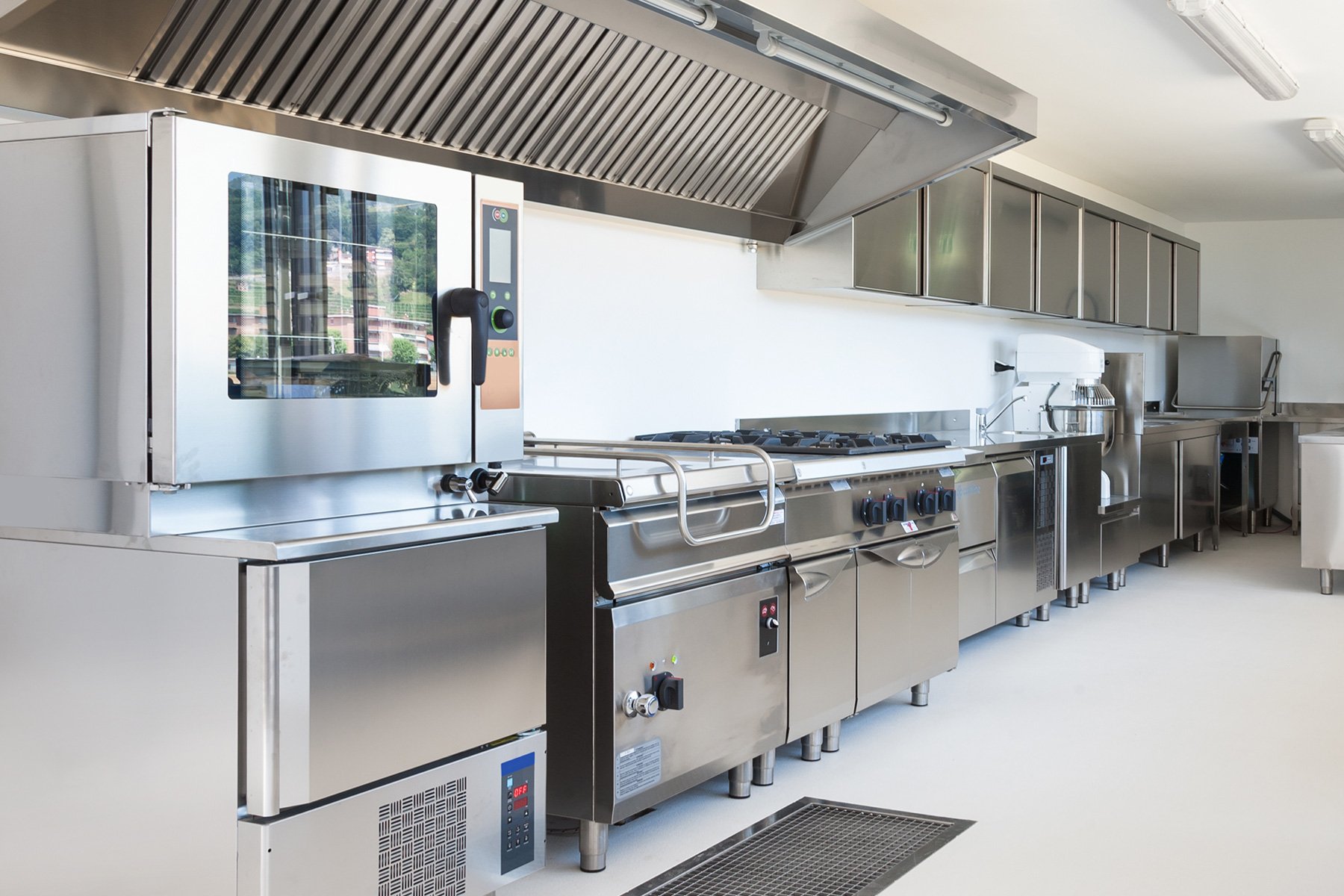
Image Source: www.samtell.com
1. Laying the Foundation: Initial Planning and Design
The success of any food service kitchen build hinges on thorough commercial kitchen planning. This initial phase is crucial for defining the scope, budget, and overall vision for your kitchen.
Defining Your Concept and Menu
Before you even think about layouts or equipment, consider your culinary vision.
- What type of cuisine will you serve? This dictates the specific commercial kitchen equipment you’ll need. A bakery will require different ovens and mixers than a steakhouse.
- What is your projected volume? High-volume operations demand more robust equipment and a more efficient kitchen workflow.
- What is your budget? Be realistic about how much you can invest. This will influence everything from material choices to equipment brands.
Developing the Commercial Kitchen Design
This is where your vision starts to take physical shape. A well-executed commercial kitchen design is the backbone of an efficient operation.
Hiring Professionals
For a project of this magnitude, engaging qualified professionals is not optional, it’s essential.
- Architects: They translate your needs into blueprints and ensure structural integrity and compliance with building codes.
- Kitchen Designers/Consultants: Specialists in restaurant kitchen layout and equipment selection, they optimize flow and functionality.
- General Contractors: They oversee the entire construction process, managing subcontractors and ensuring the project stays on schedule and within budget.
Creating the Restaurant Kitchen Layout
The restaurant kitchen layout is paramount for kitchen workflow and efficiency. Consider these key zones:
- Receiving Area: Where ingredients arrive and are inspected.
- Storage Area: Dry storage, refrigerated storage (walk-in coolers/freezers), and frozen storage.
- Preparation Area: Where ingredients are washed, chopped, and prepped. This often includes multiple stations for different tasks (e.g., salad prep, butchery).
- Cooking Line: The heart of the kitchen, featuring ranges, ovens, fryers, grills, and other cooking equipment.
- Service Area: Where plated food is assembled and handed off to front-of-house staff.
- Dishwashing Area: A dedicated space for washing, sanitizing, and drying dishes, pots, and pans.
- Waste Disposal Area: Strategically located to manage refuse efficiently.
Table 1: Key Considerations for Restaurant Kitchen Layout Zones
| Zone | Primary Function | Key Equipment/Features | Workflow Considerations |
|---|---|---|---|
| Receiving | Ingredient arrival, inspection, and initial staging | Shelving, scales, designated inspection tables | Proximity to storage and prep areas, clear pathways |
| Storage | Holding food items at appropriate temperatures | Shelving, walk-in coolers/freezers, dry storage racks | FIFO (First-In, First-Out) access, temperature control |
| Preparation | Ingredient processing and mise en place | Cutting boards, prep tables, sinks, small appliances | Logical flow from storage to cooking, dedicated stations |
| Cooking Line | High-temperature food production | Ranges, ovens, fryers, grills, charbroilers, salamanders | Efficient access to ingredients, ventilation, exhaust hoods |
| Service | Final assembly and plating for service | Speed racks, pass-through refrigerators, warming drawers | Direct line to dining area, organized plating stations |
| Dishwashing | Cleaning and sanitizing all kitchenware | Three-compartment sinks, dishwashers, drying racks | Efficient scraping, rinsing, sanitizing, and drying process |
| Waste Disposal | Collection and removal of refuse | Garbage cans, compost bins, designated chute access | Easy access for staff, sealed containers, proximity to exit |
Incorporating Ergonomics and Efficiency
A truly effective commercial kitchen design prioritizes ergonomics and efficiency to minimize staff fatigue and maximize productivity.
- Workstation Design: Ensure prep counters and cooking surfaces are at appropriate heights to prevent strain.
- Equipment Placement: Position frequently used items within easy reach.
- Traffic Flow: Design clear pathways to avoid collisions and bottlenecks, especially during peak service.
Navigating Commercial Kitchen Regulations
Compliance with commercial kitchen regulations is non-negotiable. These rules are in place to ensure food safety and public health.
- Health Codes: Familiarize yourself with local and national health department regulations. These cover everything from sanitation practices to food storage temperatures.
- Building Codes: Adhere to structural, electrical, and plumbing codes to ensure safety and compliance.
- Fire Codes: Specific requirements for kitchen ventilation systems, fire suppression, and building materials are critical.
A health code compliant kitchen requires meticulous attention to detail in every aspect of the build.
2. Building the Framework: Construction and Installation
With the design finalized and permits secured, the actual construction begins. This phase involves the physical transformation of your space.
Securing Permits and Approvals
Before any physical work commences, obtain all necessary permits from your local building department. This may include:
- Building permits
- Plumbing permits
- Electrical permits
- Mechanical (HVAC) permits
- Fire marshal approvals
Failure to obtain the correct permits can lead to costly delays and fines.
Structural Modifications and Utilities
This stage involves the heavy lifting:
- Demolition (if applicable): Removing existing structures to make way for the new layout.
- Framing: Building walls, ceilings, and defining spaces according to the commercial kitchen design.
- Plumbing: Installing new water supply lines, drainage, and gas lines for equipment.
- Electrical: Running new circuits to accommodate the power requirements of various commercial kitchen equipment.
- HVAC: Installing or modifying the heating, ventilation, and air conditioning systems, crucial for maintaining a comfortable and safe working environment.
Installing Essential Kitchen Ventilation Systems
Proper kitchen ventilation systems are critical for a safe and healthy commercial kitchen. They remove heat, grease, smoke, and steam, preventing fire hazards and improving air quality.
- Exhaust Hoods: These capture airborne contaminants directly above cooking appliances. Different types of hoods (e.g., canopy, inline) are suited for different equipment and cooking styles.
- Ductwork: Connects the exhaust hoods to the exterior of the building. It must be properly sized, insulated, and fire-rated.
- Make-Up Air Systems: Essential for replacing the air exhausted by the ventilation system, preventing negative pressure and ensuring proper airflow.
- Fire Suppression Systems: Often integrated with exhaust hoods, these systems automatically detect and extinguish fires.
Key Components of Kitchen Ventilation Systems:
- Hood Type: Selection based on cooking equipment and heat/grease production.
- Duct Material: Typically stainless steel for durability and fire resistance.
- Fan Capacity: Measured in Cubic Feet per Minute (CFM), must be sufficient to adequately exhaust contaminants.
- Grease Filters: Removable and cleanable to capture grease particles.
- Make-Up Air: Crucial for balancing airflow and preventing back-drafting of combustion gases.
Selecting and Installing Commercial Kitchen Equipment
Choosing the right commercial kitchen equipment is a significant investment. Prioritize durability, efficiency, and suitability for your specific menu and operational volume.
Essential Equipment Categories
- Cooking Equipment: Ranges, ovens (convection, combi, deck), fryers, grills, charbroilers, steamers, tilt skillets.
- Refrigeration: Walk-in coolers/freezers, reach-in refrigerators and freezers, under-counter refrigerators.
- Preparation Equipment: Mixers, slicers, food processors, prep tables, sinks.
- Warewashing Equipment: Commercial dishwashers, three-compartment sinks.
- Ventilation Equipment: Exhaust hoods, make-up air units, exhaust fans.
- Storage and Shelving: Dry storage racks, wire shelving for walk-ins.
Installation Considerations
- Power Requirements: Ensure electrical and gas hookups match equipment specifications.
- Plumbing: Connect water supply and drainage for sinks and dishwashers.
- Ventilation Integration: Connect cooking equipment to the kitchen ventilation systems.
- Placement for Workflow: Install equipment strategically to optimize kitchen workflow.
Table 2: Sample Commercial Kitchen Equipment List (Mid-Size Restaurant)
| Equipment Category | Specific Equipment | Quantity | Notes |
|---|---|---|---|
| Cooking | Six-Burner Gas Range with Oven | 1 | Versatile for various cooking methods |
| Convection Oven | 1 | Even baking and roasting | |
| Deep Fryer (40 lb) | 2 | Separate fryers for different food items | |
| Charbroiler | 1 | For grilling meats | |
| Flat-Top Griddle | 1 | For breakfast items, burgers | |
| Refrigeration | Walk-In Cooler | 1 | Bulk storage of perishables |
| Reach-In Refrigerator | 2 | Day-to-day access to ingredients | |
| Reach-In Freezer | 1 | Frozen goods storage | |
| Preparation | Commercial Stand Mixer (60 qt) | 1 | For dough and batters |
| Meat Slicer | 1 | For deli meats and cheeses | |
| 3-Compartment Sink | 1 | For manual washing and sanitizing | |
| Prep Tables (Stainless Steel) | 3 | Ample workspace | |
| Warewashing | High-Temperature Dishwasher | 1 | Efficient and sanitary cleaning |
| Ventilation | Type I Exhaust Hood (over cooking line) | 1 | Captures grease and heat |
| Make-Up Air Unit | 1 | Replaces exhausted air | |
| Storage | Heavy-Duty Shelving | As needed | For dry storage and walk-ins |
Finishing Touches: Flooring, Walls, and Ceilings
The materials used in your kitchen directly impact hygiene, durability, and safety.
- Flooring: Choose non-slip, durable, and easy-to-clean materials like quarry tile or seamless epoxy flooring. Ensure proper drainage.
- Walls: Stainless steel or ceramic tile are ideal for easy sanitation.
- Ceilings: Moisture-resistant materials are recommended, especially in areas prone to steam. Ensure they are washable.
3. Ensuring Compliance and Readiness: Inspections and Setup
The final stages focus on ensuring your kitchen is not only built but also ready to operate legally and efficiently.
Passing Health and Safety Inspections
This is a critical hurdle. Your professional kitchen construction must meet all the standards established by the local health department.
- Pre-Operational Inspection: Schedule an inspection with the health department once construction is complete but before opening.
- What they look for: This inspection typically covers sanitation, equipment functionality, health code compliant kitchen requirements, proper food storage, and waste disposal.
- Corrections: Be prepared to make minor adjustments if any issues are identified.
Setting Up for Optimal Kitchen Workflow
Once the physical build is approved, it’s time to organize and stock.
- Equipment Placement Review: Double-check that all equipment is positioned for maximum kitchen workflow efficiency.
- Stocking and Organization: Properly organize your storage areas and prep stations.
- Sanitation Protocols: Establish and train staff on rigorous cleaning and sanitation procedures.
Staff Training and Operational Readiness
A well-built kitchen is only as good as the staff operating it.
- Equipment Training: Ensure all staff are trained on the proper use and cleaning of all commercial kitchen equipment.
- Safety Training: Cover fire safety, proper lifting techniques, and food handling procedures.
- Workflow Practice: Conduct mock service runs to refine kitchen workflow and identify any potential issues.
Frequently Asked Questions (FAQ)
Q: How much does it cost to build a commercial kitchen?
A: The cost varies significantly based on size, location, equipment choices, and the complexity of the build. A rough estimate can range from $50,000 to over $500,000. Getting detailed quotes from contractors and suppliers is essential.
Q: What is the most important aspect of commercial kitchen design?
A: While many aspects are critical, kitchen workflow and ensuring a health code compliant kitchen are arguably the most important for long-term success. Efficient workflow boosts productivity, and compliance prevents legal issues and ensures customer safety.
Q: How long does it take to build a commercial kitchen?
A: The timeline can range from a few weeks for a minor renovation to several months for a complete new build, depending on the scope, permitting process, and contractor availability.
Q: Do I need a specialized contractor for a food service kitchen build?
A: Yes, it is highly recommended. Contractors with experience in professional kitchen construction and an understanding of commercial kitchen regulations are invaluable. They know the specific needs and challenges of building a kitchen that is both functional and compliant.
Q: What are the key components of a good kitchen ventilation system?
A: A good system includes properly sized exhaust hoods, adequate make-up air, appropriate ductwork, efficient fans, and effective grease filters. Regular maintenance is also crucial.
By diligently following these steps, you can navigate the complexities of building a commercial kitchen and create a space that is efficient, safe, and ready to serve your customers for years to come.