
Can you prevent cuts in the kitchen? Yes, you absolutely can prevent cuts in the kitchen by following proper knife safety practices and adopting kitchen safety tips. These measures are crucial for food preparation safety and avoiding kitchen injuries.
The kitchen is often called the heart of the home, a place where delicious meals are created and memories are made. However, it’s also a space where the risk of cuts is ever-present. From slicing vegetables to carving meats, knives are essential tools, but they demand respect and careful handling. Many people worry about getting cut while cooking, and with good reason. Sharp objects are a common cause of kitchen injuries. This article will guide you through the best ways to ensure your time in the kitchen is safe and enjoyable, focusing on preventing kitchen accidents and promoting hand protection.
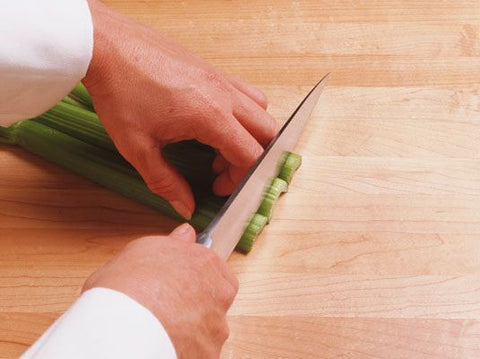
Image Source: cdn.shopify.com
The Importance of Sharp Knives
It might sound counterintuitive, but sharp knives are actually safer than dull ones. A sharp knife cuts through food with ease, requiring less pressure from your hand. This means less chance of the knife slipping and causing a cut. Dull knives, on the other hand, require more force. When you push harder, the knife is more likely to skid off the surface of the food, leading to accidents.
Why Sharp Knives Are Safer:
- Less Force Needed: A sharp edge slices cleanly, reducing the need for excessive pressure.
- Better Control: The knife glides through food, giving you more control over its movement.
- Reduced Slipping: When a knife cuts cleanly, it’s less likely to bounce or slide off the food and onto your hand.
- More Efficient: Tasks are completed faster and with less effort.
Maintaining your knives is a key part of knife safety. This includes regular sharpening and honing.
Knife Maintenance:
- Sharpening: This process removes metal to create a new, sharp edge. It should be done periodically when the knife truly loses its sharpness.
- Honing: This process realigns the microscopic teeth on the knife’s edge, keeping it sharp between sharpenings. Honing should be done more frequently, perhaps before each use.
A simple honing steel can make a big difference in your daily cooking experience.
Mastering Cutting Board Use
Your cutting board use is a cornerstone of food preparation safety. The cutting board provides a stable and safe surface for all your chopping, slicing, and dicing needs.
Choosing the Right Cutting Board:
- Material: Both wood and plastic cutting boards are popular. Wood boards are generally gentler on knife edges and can be more stable. Plastic boards are easier to sanitize but can be more prone to knife marks.
- Size: Choose a board large enough for the task at hand. A board that’s too small can lead to food falling off or your hands getting too close to the knife’s path.
- Stability: Ensure your cutting board doesn’t slide around on the countertop. This is crucial for preventing kitchen accidents.
Securing Your Cutting Board:
A sliding cutting board is a recipe for disaster. Here are ways to keep it firmly in place:
- Damp Cloth or Paper Towel: Place a damp cloth or a few layers of damp paper towel underneath the cutting board. This creates friction and prevents it from moving.
- Non-Slip Mat: Many cutting boards come with or can be used with a dedicated non-slip mat.
- Grooved Boards: Some cutting boards have a groove around the edge to catch juices, which can also offer a slight grip.
Proper knife handling starts with a secure base.
Essential Safe Chopping Techniques
The way you hold your knife and position your hands is critical for avoiding kitchen injuries. Safe chopping techniques are learned skills that significantly reduce risk.
The Claw Grip:
This is the most important technique for hand protection. When you’re chopping vegetables or other food items, use your non-dominant hand to hold the food in place. Curl your fingertips inward, like a claw, so that your knuckles are protruding.
- How it works: Your knuckles act as a guide for the knife blade. The blade should run along your knuckles, keeping your fingertips tucked safely away from the sharp edge.
- Benefits: This method provides excellent control over the food and keeps your fingers from being exposed to the blade.
Proper Knife Grip:
Hold the knife firmly but not too tightly. The most common and secure grip is the “pinch grip.”
- Pinch Grip: Pinch the blade of the knife with your thumb and index finger, just in front of the bolster (the thick part where the blade meets the handle). Your other fingers should wrap around the handle.
- Benefits: This grip offers the best control and leverage, allowing for precise movements and reducing fatigue.
Other Safe Chopping Habits:
- Focus: Always pay attention to what you’re doing. Avoid distractions when using knives.
- Cut Away From Yourself: Whenever possible, direct the cutting motion away from your body.
- One Slice at a Time: Don’t try to cut through too much food at once. Make deliberate, controlled slices.
- Never Cut Towards Your Hand: This is a fundamental rule of knife safety.
Advanced Techniques for Preventing Kitchen Accidents
Beyond the basics, several other practices contribute to a safer kitchen environment, especially during intensive food preparation safety.
Using the Right Knife for the Job:
Different knives are designed for different tasks. Using the correct knife makes the job easier and safer.
- Chef’s Knife: Your all-purpose workhorse. Great for chopping, dicing, and mincing.
- Paring Knife: Small and nimble, perfect for peeling, trimming, and intricate tasks.
- Serrated Knife: Ideal for slicing through foods with tough exteriors and soft interiors, like bread or tomatoes.
- Boning Knife: Designed for separating meat from bones.
Using a chef’s knife to try and peel an apple is inefficient and increases the risk of a slip.
Knife Storage:
Improper knife storage is a significant hazard. Loose knives in drawers can lead to accidental cuts when reaching for them.
- Knife Block: A traditional and safe option, keeping knives organized and their blades protected.
- Magnetic Strip: Mounts to the wall and holds knives securely by their blades. Ensure it’s placed at a height where it won’t be bumped easily.
- Blade Guards (Sheaths): If you must store knives in a drawer, use individual blade guards. These protect both the blade and your hands.
Handling Knives Safely When Not Cutting:
- Carry a Knife Correctly: When moving a knife from one place to another, hold it by the handle with the blade pointing downwards, away from your body. If you must carry it horizontally, hold it by the handle with the blade facing away from you.
- Never Try to Catch a Falling Knife: This is a common instinct but a very dangerous one. Step back and let it fall. The risk of severe injury is too high.
- Don’t Leave Knives in the Sink: Knives can become hidden under water and soap, leading to unexpected cuts when reaching into the sink. Wash knives immediately after use and dry them thoroughly.
The Role of Hand Protection
While safe chopping techniques and proper knife handling are paramount, additional hand protection can provide an extra layer of safety, particularly for those less experienced or when dealing with particularly slippery items.
Kitchen Gloves:
While not always necessary for everyday chopping, specialized kitchen gloves can offer benefits:
- Enhanced Grip: Some gloves are designed to improve your grip on food, reducing the chance of it slipping.
- Puncture Resistance: Certain gloves offer a degree of protection against accidental punctures from sharp objects.
It’s important to note that gloves can sometimes reduce tactile feedback, so it’s crucial to maintain focus even when wearing them.
Avoiding Wet Hands and Surfaces:
- Dry Hands: Ensure your hands are dry before handling knives or food.
- Dry Cutting Board: Make sure your cutting board is also dry to prevent slips.
- Clean Up Spills Immediately: Any liquid on the counter or floor can lead to slips and potential accidents.
Specific Scenarios and How to Handle Them Safely
Let’s look at some common kitchen tasks and how to approach them with knife safety in mind.
Dicing Onions:
Onions are notoriously slippery.
- Secure Base: Cut a small slice off the root end to create a stable base.
- Half the Onion: Place the flat side down on the cutting board and cut the onion in half from root to tip.
- Claw Grip: Hold one half of the onion with the flat side down. Use your claw grip, with knuckles guiding the blade.
- Horizontal Cuts: Make horizontal cuts into the onion, stopping before you reach the root end.
- Vertical Cuts: Then, make vertical cuts, again stopping before the root.
- Dice: Finally, slice downwards from the tip to the root to create dice. The root end will hold the onion together, preventing it from falling apart and keeping your fingers safe.
Slicing Tomatoes:
Tomatoes are round and can roll easily.
- Stable Surface: Slice a small piece off the bottom of the tomato to create a flat, stable surface.
- Claw Grip: Place the flat side down. Use your claw grip to hold the tomato steady.
- Serrated Knife: A serrated knife is often best for tomatoes, as its teeth can grip the skin.
- Gentle Pressure: Use a gentle sawing motion rather than heavy pressure.
Filleting Fish or Preparing Poultry:
These tasks often involve slippery surfaces and the need for precision.
- Clean Workspace: Ensure your workspace and hands are dry.
- Flexible Blade: A flexible filleting knife is ideal for maneuvering around bones.
- Controlled Movements: Make smooth, deliberate cuts, following the natural lines of the muscle and bone.
- Avoid Rushing: Take your time. Speed is the enemy of safety when dealing with raw meat and sharp knives.
When to Seek Help or Re-evaluate Your Tools
Sometimes, the best way to prevent injuries is to know when your tools or skills are not sufficient for a task.
Recognizing Dull Knives:
If you find yourself exerting significant force to cut through soft foods like tomatoes, your knife likely needs sharpening. Don’t push through this; address the knife’s sharpness.
Using Food Processors and Mandolines:
For repetitive or large-scale chopping, consider using a food processor. If using a mandoline slicer, always use the safety guard. These tools can be very efficient but also very dangerous if not used correctly. Never use a mandoline without the hand guard. This is a critical aspect of food preparation safety.
When to Get Professional Help:
If you have a deep cut or are bleeding profusely, don’t hesitate to seek medical attention. For minor cuts, clean the wound thoroughly, apply antiseptic, and cover it with a sterile bandage.
A Summary of Key Kitchen Safety Tips
To make avoiding kitchen injuries a habit, internalize these core principles:
- Always use sharp knives.
- Secure your cutting board.
- Master the claw grip for your guiding hand.
- Use the pinch grip for holding the knife.
- Focus on your task; avoid distractions.
- Store knives safely and securely.
- Never try to catch a falling knife.
- Wash knives immediately after use.
- Use the right knife for the right job.
- Always use the safety guard on a mandoline.
By integrating these kitchen safety tips into your routine, you can significantly reduce the risk of cuts and make your culinary adventures safer and more enjoyable. Remember, preventing kitchen accidents is an ongoing commitment to proper knife handling and a mindful approach to food preparation safety.
Frequently Asked Questions (FAQ)
Q1: Why are sharp knives safer than dull knives?
A1: Sharp knives cut through food easily with less pressure, reducing the chance of slipping. Dull knives require more force, increasing the risk of the knife skidding off the food and causing injury.
Q2: What is the best way to hold a knife for chopping?
A2: The best grip is the “pinch grip,” where you pinch the blade with your thumb and index finger just in front of the bolster, with your other fingers wrapped around the handle. This offers the most control.
Q3: How can I stop my cutting board from slipping?
A3: You can place a damp cloth or paper towel underneath the cutting board to create friction, or use a non-slip mat.
Q4: Is it safe to use knives in a kitchen with wet hands?
A4: No, it is not safe. Wet hands can easily slip on the knife handle or the food, increasing the risk of cuts. Ensure your hands and the knife handle are dry before and during use.
Q5: What should I do if I cut myself in the kitchen?
A5: For minor cuts, wash the wound with soap and water, apply antiseptic, and cover it with a sterile bandage. For deeper cuts or heavy bleeding, seek immediate medical attention.
Q6: What is the “claw grip” and why is it important?
A6: The claw grip is a technique where you curl your fingertips inward, like a claw, to hold food. Your knuckles stick out and act as a guide for the knife blade, keeping your fingertips safely away from the sharp edge. It’s crucial for hand protection and safe chopping.
Q7: Can I store knives in a drawer without a block?
A7: It’s not ideal. If you must store knives in a drawer, always use individual blade guards or sheaths to protect the blades and prevent accidental cuts when reaching into the drawer.
Q8: What is the most important rule when using a knife?
A8: The most important rule is to always focus on what you are doing and never try to catch a falling knife. Step back and let it fall.
Q9: What is a mandoline and how should it be used safely?
A9: A mandoline is a kitchen tool used for thinly slicing food. It is very sharp and can cause severe injuries if not used correctly. Always use the provided safety guard to protect your hands. Never place your fingers near the blade.
Q10: How often should I sharpen my knives?
A10: The frequency of sharpening depends on usage. A good rule of thumb is to hone your knives regularly (e.g., before each use or weekly) and sharpen them when you notice they are no longer cutting cleanly, perhaps every few months for regular home use.