
Seeing rust spots on your kitchen sink can be frustrating. Can you remove rust from a kitchen sink? Yes, absolutely! There are many effective ways to remove rust kitchen sink stains, ranging from gentle, natural remedies to more robust commercial rust remover for sink options. This guide will walk you through the best methods to clean rust sink and keep your kitchen looking its best.
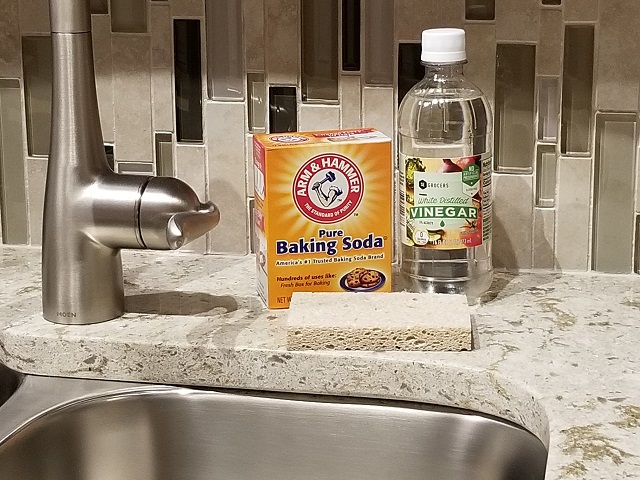
Image Source: www.duncanscreativekitchens.com
Why Does Rust Appear on Kitchen Sinks?
Before we dive into the cleaning process, it’s helpful to know why rust forms in the first place. Rust is a form of iron oxide, and it typically appears when iron or steel comes into contact with moisture and oxygen. In a kitchen sink, this can happen for several reasons:
- Damp sponges or cloths left on the surface: These can trap moisture against the sink material.
- Metal cans or utensils left in the sink: Things like shaving cream cans, metal scourers, or even certain types of cookware can leave behind iron particles that then rust.
- Scratches or chips in the sink’s protective coating: If your sink has a chrome or enamel coating, any damage to this layer exposes the underlying metal to the elements.
- Hard water deposits: Over time, mineral deposits can build up, creating areas where moisture can sit and promote rusting.
- Abrasive cleaning tools: Using steel wool or harsh scouring pads can scratch the sink’s surface, making it more susceptible to rust.
Identifying the Type of Sink Material
The best way to get rust off sink often depends on the material your sink is made of. Different materials require different approaches to avoid damage.
Stainless Steel Sinks
Stainless steel is the most common material for kitchen sinks. While it’s called “stainless,” it’s not completely rust-proof. The chromium in stainless steel forms a passive layer that resists corrosion. However, this layer can be compromised, leading to rust spots.
Other Sink Materials
- Porcelain or Enamel Sinks: These sinks have a ceramic coating over a metal base. Rust can form if the enamel chips or cracks, exposing the metal underneath.
- Composite Sinks: Made from a mix of materials like quartz or granite dust and resin, these are generally more resistant to rust. Rust issues are less common.
- Cast Iron Sinks: These are typically coated with porcelain enamel. Similar to enamel sinks, rust appears when the coating is damaged.
Gentle, Natural Ways to Remove Rust
For many kitchen sink rust spots, natural and readily available household items can work wonders. These methods are often gentler on your sink’s surface.
1. Lemon Juice and Salt: A Powerful Duo
This is a fantastic DIY rust removal sink method. The acidity of the lemon juice helps to break down the rust, while the salt acts as a mild abrasive.
What you’ll need:
- Fresh lemons or bottled lemon juice
- Table salt
- A soft cloth or sponge
- Water
Steps:
- Sprinkle Salt: Generously sprinkle salt over the rusted areas of your sink.
- Add Lemon Juice: Squeeze fresh lemon juice directly onto the salt, or pour some bottled lemon juice over it, ensuring the rusted spots are well-covered.
- Let it Sit: Allow the mixture to sit for at least 1-2 hours. For stubborn rust, you might need to let it sit for several hours or even overnight.
- Scrub Gently: Use a soft cloth or sponge to gently scrub the rusted areas. You should see the rust starting to lift.
- Rinse Thoroughly: Rinse the sink with plenty of water.
- Dry and Inspect: Dry the sink with a clean towel and check if the rust has disappeared. Repeat if necessary.
Tip: For larger areas, you can soak lemon halves in salt and use them to scrub directly.
2. Vinegar: The All-Around Cleaner
Vinegar is another excellent natural rust remover sink option due to its acetic acid content. It’s particularly effective for cleaning sink rust stains.
What you’ll need:
- White vinegar
- A spray bottle (optional)
- Soft cloths or sponges
- Baking soda (optional, for added scrubbing power)
Steps:
- Apply Vinegar: You can either pour white vinegar directly onto the rusted areas or put it in a spray bottle and spray it generously.
- Soak: For light rust, let it sit for 30 minutes to an hour. For tougher stains, allow it to soak for several hours or overnight. You can also soak paper towels in vinegar and lay them over the rust spots.
- Scrub: Use a soft cloth or sponge to scrub the rust away.
- Baking Soda Boost (Optional): If the rust is stubborn, make a paste of baking soda and vinegar. Apply this paste to the rust and let it sit for another 30 minutes before scrubbing.
- Rinse and Dry: Rinse the sink thoroughly with water and dry it completely.
3. Baking Soda Paste: A Mild Abrasive
Baking soda is a mild alkali and a gentle abrasive, making it a safe choice for cleaning sink rust stains, especially on more delicate surfaces.
What you’ll need:
- Baking soda
- Water
- A soft cloth or sponge
Steps:
- Make a Paste: Mix baking soda with a small amount of water to create a thick paste.
- Apply Paste: Apply the paste directly to the rusted areas.
- Let it Sit: Let the paste sit for about an hour.
- Scrub: Gently scrub the rust with a soft cloth or sponge.
- Rinse and Dry: Rinse the sink thoroughly with water and dry it.
Dealing with Stubborn Rust: Stronger Methods
If natural methods don’t completely remove rust from kitchen sink, you might need to use more potent cleaning agents. Always test these in an inconspicuous area first.
4. Cream of Tartar
Cream of tartar, also known as potassium bitartrate, is mildly acidic and can be effective for cleaning sink rust stains.
What you’ll need:
- Cream of tartar
- Water or hydrogen peroxide
- Soft cloth or sponge
Steps:
- Make a Paste: Mix cream of tartar with a small amount of water or hydrogen peroxide to form a paste.
- Apply Paste: Apply the paste to the rusted areas.
- Let it Sit: Let it sit for about 30 minutes to an hour.
- Scrub: Gently scrub with a soft cloth or sponge.
- Rinse and Dry: Rinse thoroughly with water and dry the sink.
5. Commercial Rust Removers
When all else fails, commercial rust remover for sink products are available. These are formulated to tackle tough rust stains. However, they can be harsher and may damage certain sink finishes if not used carefully.
What you’ll need:
- Commercial rust remover product (e.g., Bar Keepers Friend, CLR, or specific rust removers)
- Rubber gloves
- Protective eyewear
- Soft cloths or sponges
- Water
Important Precautions:
- Read the Label: Always read and follow the manufacturer’s instructions carefully.
- Ventilation: Ensure good ventilation in your kitchen.
- Protective Gear: Wear rubber gloves and eye protection to prevent skin and eye irritation.
- Test First: Apply to a small, hidden area of the sink to ensure it doesn’t damage the finish.
General Steps for Commercial Rust Removers:
- Apply Product: Apply the rust remover according to the product’s instructions. This might involve applying it directly, spraying it, or creating a paste.
- Allow Dwell Time: Let the product sit for the recommended time, but avoid leaving it on for too long, as it can damage the sink.
- Scrub Gently: Use a soft cloth or sponge to gently scrub the rusted area. Avoid using abrasive scouring pads.
- Rinse Thoroughly: Rinse the sink immediately and thoroughly with plenty of water to remove all traces of the cleaner.
- Dry: Dry the sink completely with a clean towel.
A Note on Bar Keepers Friend: This is a popular choice for how to clean metal sink rust and general stainless steel cleaning. It contains oxalic acid, which is effective against rust and tarnish. It’s generally considered safe for stainless steel, porcelain, and enamel when used as directed.
Specific Techniques for Different Sink Materials
Let’s break down some specific tips based on your sink material.
How to Clean Metal Sink Rust (Stainless Steel Focus)
Stainless steel sinks are prone to rust spots from metal objects left on them.
- Avoid Steel Wool: Never use steel wool or abrasive scouring pads on stainless steel, as they can scratch the surface and actually cause more rust in the long run.
- Direction of Polish: If you’re using a cleaner and a cloth, always wipe in the direction of the steel’s grain to avoid visible scratches.
- Baking Soda and Water: For light rust on stainless steel, a baking soda and water paste is often sufficient.
- Vinegar Soak: For more significant rust spots, soaking with vinegar is a good approach.
Cleaning Rust on Porcelain or Enamel Sinks
Porcelain and enamel sinks are beautiful but can be susceptible to chips.
- Gentle Approach: Always start with the gentlest methods like lemon and salt or baking soda paste.
- Avoid Harsh Abrasives: Never use abrasive cleaners or scrubbers on enamel, as this will damage the glossy finish and lead to more staining and potential rust.
- Handle Chips Carefully: If you notice a chip where rust is appearing, clean the rust as best as possible, and then consider using a porcelain repair kit to seal the chip and prevent future issues.
Tools and Supplies for Rust Removal
Having the right tools makes the job easier and safer.
Essential Tools
- Soft Cloths: Microfiber cloths are ideal for cleaning and drying without scratching.
- Soft Sponges: Opt for non-abrasive sponges.
- Gloves: Protect your hands, especially when using commercial cleaners.
- Eye Protection: Crucial when using strong chemicals.
- Small Brush: An old toothbrush can be useful for scrubbing tight spots.
- Spray Bottle: Handy for applying vinegar or lemon juice evenly.
- Paper Towels: Useful for soaking and applying cleaning agents.
What to Avoid
- Steel Wool: As mentioned, this will scratch stainless steel and can introduce more rust.
- Harsh Abrasive Powders: These can damage most sink finishes.
- Chlorine Bleach: While a disinfectant, bleach can react with stainless steel and potentially cause pitting or corrosion, exacerbating rust issues.
- Ammonia: Mixing ammonia with other cleaners can create dangerous fumes.
Frequently Asked Questions About Cleaning Sink Rust
Here are some common questions about tackling rust in your kitchen sink.
Q1: What is the fastest way to remove rust from a sink?
A1: For quick results on most surfaces, a paste of baking soda and vinegar, or a good quality commercial rust remover like Bar Keepers Friend, applied and scrubbed gently, will often be the fastest. Always rinse thoroughly afterward.
Q2: Can I use WD-40 to remove rust from my sink?
A2: WD-40 is primarily a lubricant and water displacer. While it might help lift some surface rust, it’s not designed as a dedicated rust remover for kitchen surfaces and could leave an oily residue. It’s generally better to use methods specifically designed for cleaning sink rust stains.
Q3: How do I prevent rust spots in my sink?
A3: Prevention is key!
* Wipe up spills immediately.
* Don’t leave wet sponges, cloths, or metal items sitting in the sink for extended periods.
* Dry your sink regularly, especially around the drain and faucet.
* If you have hard water, consider a water softener or regular descaling.
* Avoid using abrasive cleaning tools on your sink.
Q4: What if the rust is deep and won’t come off?
A4: If you’ve tried multiple methods and the rust remains, it might be deeply embedded or the sink material itself may be compromised. In such cases, you might need to consider a stronger commercial rust remover for sink, or if the damage is severe, it might be time to consider sink replacement.
Q5: Is it safe to use vinegar rust removal sink methods on all sink types?
A5: Vinegar is generally safe for stainless steel and most composite sinks. However, use it with caution on porcelain or enamel as prolonged exposure without rinsing could potentially dull the finish over time. Always test in an inconspicuous area first.
Maintaining a Rust-Free Sink
Once you’ve successfully managed to remove rust kitchen sink spots, maintaining a pristine sink is straightforward with a few consistent habits.
Daily Habits
- Wipe Down: Give your sink a quick wipe with a soft cloth after each use to remove water and food particles.
- Dry the Sink: Use a clean, dry towel to dry the sink basin, faucet area, and any rims. This is one of the most effective ways to prevent rust.
Weekly Cleaning
- Gentle Scrub: Once a week, use a mild soap and a soft sponge or cloth to clean the entire sink.
- Rinse and Dry: Rinse thoroughly and dry completely.
Periodic Deep Cleaning
- Baking Soda or Vinegar: Use the gentle methods described earlier (baking soda paste or vinegar) for a deeper clean and to prevent any minor rust spots from forming. This is a great way to clean rust sink before it becomes a problem.
Conclusion: Your Sink Can Shine Again!
Getting rust off a kitchen sink is a manageable task with the right approach. Whether you prefer DIY rust removal sink methods using household staples like lemon juice, salt, and vinegar, or opt for a specialized rust remover for sink, there’s a solution for every situation. By understanding your sink’s material and employing gentle yet effective techniques, you can restore its shine and keep those unsightly kitchen sink rust spots at bay. Remember, consistency in cleaning and maintenance is your best ally in achieving and maintaining a sparkling clean kitchen sink.