
When you’re planning a kitchen renovation or simply wondering about the specifications of your existing countertops, a common question arises: How thick is granite kitchen counter? The most common granite countertop thickness you’ll find is 2 centimeters (cm) or 3 centimeters (cm), which translates to roughly 3/4 inch or 1 1/4 inches respectively. However, the world of granite slab thickness offers more options than just these two popular choices.
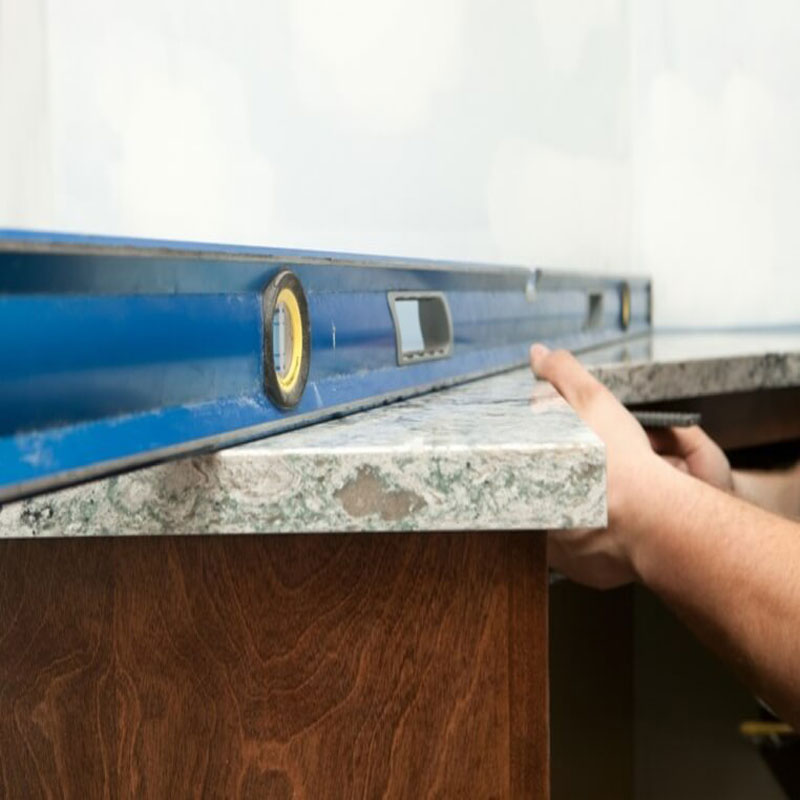
Image Source: www.signaturemarbleandgranite.com
Deciphering Standard Granite Thickness
The majority of granite countertops installed in kitchens and bathrooms come in two primary thicknesses: 2 cm and 3 cm. These are the most widely available and cost-effective options from granite suppliers.
- 2 cm Granite: This is often referred to as “thin” granite. It’s lighter, easier to transport and install, and generally more budget-friendly. While thinner, 2 cm granite is still durable and can be effectively supported. To enhance its strength and achieve a more substantial look, it’s often combined with a laminated edge, which creates the illusion of a thicker slab.
- 3 cm Granite: This is the more prevalent choice for many homeowners due to its inherent strength and heft. A 3 cm slab provides a luxurious and robust appearance. It typically doesn’t require additional edge lamination for structural integrity, although decorative edges can still be added. The standard granite thickness of 3 cm is a popular balance between aesthetics, durability, and cost.
Exploring Minimum Granite Thickness
While 2 cm is considered the lower end of standard granite countertop thickness, you might encounter situations where slightly less thickness is used, particularly for specialized applications or when dealing with specific types of stone. However, for a functional and durable kitchen countertop, venturing below 2 cm is generally not recommended for structural integrity.
- Structural Integrity: Thinner slabs are more prone to chipping or breaking, especially in high-traffic areas like a kitchen.
- Aesthetics: A very thin countertop might not convey the substantial, luxurious feel often associated with granite.
The minimum granite thickness for a functional and aesthetically pleasing kitchen countertop is around 2 cm. Any thinner would likely compromise its longevity and appeal.
The Upper Limit: Maximum Granite Thickness
While 3 cm is the most common thick option, granite slabs can be quarried and fabricated to greater thicknesses. However, these thicker slabs come with significant considerations:
- Weight: Thicker granite is considerably heavier, requiring reinforced cabinetry and potentially specialized support structures.
- Cost: Thicker slabs generally come with a higher price tag due to the increased material and fabrication challenges.
- Availability: Finding exotic or particularly hard granites in very thick slabs might be more challenging.
There isn’t a strict maximum granite thickness as quarrying and fabrication techniques can produce thicker slabs. However, practical limitations related to weight, cost, and availability mean that slabs exceeding 4 cm (approximately 1.5 inches) are less common for standard residential countertops. Occasionally, for design statements or specific structural needs, thicker slabs might be sourced, but this is far from the norm.
Granite Slab Thickness: A Deeper Dive
The thickness of a granite slab thickness refers to the raw material quarried from the earth. Fabricators then cut these slabs to the desired dimensions for countertops.
- Quarrying Process: Granite is typically quarried in large blocks. Diamond-wire saws are used to cut these blocks into thinner slabs. The thickness of these initial slabs can vary depending on the quarrying equipment and techniques used.
- Fabrication Cuts: Fabricators will then cut these raw slabs to the precise dimensions needed for your kitchen, including the granite countertop depth.
It’s important to remember that the thickness you choose for your countertop is determined after the slab has been quarried and is part of the fabrication process.
Granite Countertop Depth: More Than Just Thickness
While we’re focusing on thickness, it’s also worth briefly touching upon granite countertop depth. The standard depth for kitchen countertops is typically 25 inches, which is designed to fit most standard base cabinets. However, custom depths are possible if your kitchen design calls for it. This depth contributes to the overall functionality and usability of your kitchen workspace.
Granite Overhang Thickness: Balancing Style and Support
When granite countertops extend beyond the supporting cabinetry, it’s called an overhang. The granite overhang thickness is crucial for maintaining stability and preventing the countertop from tipping or sagging.
- Standard Overhangs: For typical countertop overhangs (e.g., at the front of a cabinet or on a breakfast bar), the granite countertop thickness itself often provides sufficient support. A 2 cm slab with a laminated edge can appear as thick as 3 cm and handle standard overhangs. A 3 cm slab is naturally robust enough for most overhangs.
- Extended Overhangs: If you plan for a significant overhang, especially on an island or peninsula without adequate support, you may need to:
- Use thicker granite: A 3 cm slab will provide more rigidity.
- Incorporate support: This can include brackets concealed within the cabinetry or decorative legs.
- Laminate the edge: A thicker-looking laminated edge can offer some structural benefit.
The granite overhang thickness directly influences how much the stone can extend without additional support. Always consult with your fabricator about the recommended overhang limits for the specific granite thickness you choose.
Granite Thickness for Islands: Size Matters
Kitchen islands are often statement pieces, and their granite thickness can play a significant role in their overall visual impact.
- Standard Islands: For islands that are primarily workspaces with a standard cabinet base, the usual 2 cm or 3 cm granite countertop thickness is perfectly adequate.
- Statement Islands: For islands designed to be grand focal points, a thicker slab, such as 4 cm or even a custom thickness, can be used. This creates a more substantial and luxurious look. However, as mentioned, the weight and support requirements must be carefully considered.
- Seating Areas: If your island includes a seating area with a significant overhang for legroom, you’ll need to ensure the granite thickness and any additional support can handle the cantilevered load. A 3 cm slab is often preferred for island seating with substantial overhangs.
Granite Thickness for Waterfall Edges: A Modern Marvel
Waterfall edges, where the granite flows vertically down the side of a cabinet or island, are a contemporary design trend. This style often emphasizes the granite slab thickness.
- Visual Impact: A waterfall edge looks most dramatic with a thicker slab. While a 2 cm slab can be used, it’s often laminated to appear thicker.
- 3 cm Dominance: 3 cm granite is the preferred choice for waterfall edges as it offers the desired visual weight and structural integrity without needing extensive lamination for the vertical piece. This creates a seamless and impressive look.
- Custom Thicknesses: In some high-end designs, thicker slabs or custom-built “built-up” edges (where multiple layers of granite are glued together to achieve a desired thickness) are used to maximize the visual impact of a waterfall edge.
The granite thickness for waterfall edges is primarily a design choice, but 3 cm offers the best balance of aesthetic appeal and practical fabrication.
Granite Thickness Variations: Beyond the Norm
It’s important to acknowledge that granite thickness variations can occur. These are not always intentional but can arise from the natural variations in the stone and the fabrication process.
- Natural Stone Variations: Granite is a natural product. While quarrying aims for consistency, slight variations in slab thickness can sometimes occur within the same block or even across different batches.
- Fabrication Tolerances: Fabricators aim for precise cuts, but minor deviations are part of the manufacturing process. A reputable fabricator will adhere to tight tolerances to ensure a uniform appearance.
- Exotic Granites: Some rarer or more delicate granites might be quarried or fabricated to slightly different thicknesses due to their unique properties.
When discussing granite countertop thickness, it’s always a good idea to:
- Confirm with your fabricator: They will have the most accurate information on the available thicknesses for the specific granite you choose and their fabrication capabilities.
- Inspect the slabs: If possible, view the actual slabs you intend to purchase. This allows you to see the color, pattern, and confirm the thickness.
Frequently Asked Questions About Granite Countertop Thickness
Here are some common questions people have regarding granite thickness:
Q1: Is 2 cm granite strong enough for a kitchen?
A1: Yes, 2 cm granite is strong enough for a kitchen, especially when properly supported by your cabinetry and if the edges are laminated to create a thicker appearance and added strength. It’s a durable and cost-effective option.
Q2: What is the best granite thickness for kitchen islands?
A2: For most kitchen islands, 3 cm granite is considered ideal. It offers excellent durability and a substantial look. If your island has a significant overhang for seating, 3 cm is highly recommended for added stability. For very large or statement islands, thicker custom options might be considered, but always factor in weight and support.
Q3: Can I get granite thicker than 3 cm?
A3: Yes, you can often source granite in thicker slabs, such as 4 cm (approximately 1.5 inches). However, these are less common, more expensive, and require reinforced cabinetry due to their increased weight.
Q4: Does granite thickness affect the price?
A4: Yes, thicker granite generally costs more. This is due to the increased amount of raw material, the added weight (making transportation and installation more complex and costly), and potentially more specialized fabrication.
Q5: What is the typical granite overhang allowance?
A5: Standard overhangs for granite countertops, especially at the edge of cabinets or breakfast bars, are usually between 10 and 12 inches. The granite overhang thickness and the overall slab thickness will influence how much overhang is safely possible without additional support brackets. Always consult your fabricator for specific recommendations based on your chosen stone and design.
Q6: What are the advantages of 3 cm granite over 2 cm granite?
A6: The main advantages of 3 cm granite are its inherent strength and substantial visual appeal. It often doesn’t require edge lamination for structural support, giving it a cleaner, more solid look. It’s also more resistant to chipping and cracking compared to 2 cm granite.
Q7: How is granite thickness measured?
A7: Granite thickness is typically measured in centimeters (cm) or inches. The most common measurements are 2 cm (approximately 3/4 inch) and 3 cm (approximately 1 1/4 inches).
Q8: Is granite thickness important for waterfall edges?
A8: Yes, granite thickness is very important for waterfall edges as it significantly impacts the visual aesthetic. A thicker slab, particularly 3 cm, creates a more substantial and impactful waterfall effect. While 2 cm can be used, it’s often laminated to achieve a similar look.
By considering these factors, you can make an informed decision about the perfect granite countertop thickness for your kitchen, ensuring both beauty and lasting durability.