
Deciding on the right number of lumens for your kitchen ceiling light involves more than just picking a bright bulb. For a general kitchen ceiling light, aim for 800-1500 lumens per fixture, depending on the fixture’s spread and the kitchen’s size. This provides a good balance for overall illumination, but specific task areas might need more.
Your kitchen is the heart of your home, a place for culinary creations, family gatherings, and quick morning coffees. To ensure it functions perfectly and feels welcoming, adequate lighting is crucial. The kitchen ceiling light brightness is a cornerstone of this lighting scheme. But how many lumens do you actually need? Let’s delve into the world of kitchen lighting lumens to help you illuminate your space effectively.
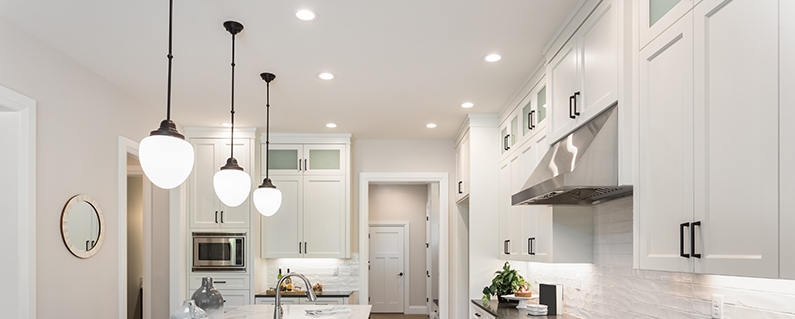
Image Source: cdn-ikpfnll.nitrocdn.com
Fathoming Kitchen Lighting Levels
Lumens are the unit of measurement for the total amount of visible light emitted by a source. Think of it as the “brightness” of the bulb. Wattage, on the other hand, measures energy consumption. With the advent of energy-efficient LED bulbs, focusing solely on wattage is misleading. A 60-watt incandescent bulb might produce around 800 lumens, while an LED bulb using only 10 watts can achieve the same brightness. Therefore, when choosing kitchen overhead light lumens, lumens are your primary guide.
The Importance of Lumens in Kitchen Lighting
The kitchen is a multi-functional space. You need enough light to chop vegetables safely, read recipes, and find ingredients. You also want a warm, inviting ambiance for dining and socializing. Getting the lumens needed for kitchen spaces right ensures both practicality and atmosphere. Too little light can make tasks difficult and the space feel gloomy, while too much can create glare and feel sterile.
Determining the Best Lumens for Your Kitchen Ceiling
The best lumens for kitchen ceiling fixtures isn’t a one-size-fits-all answer. Several factors influence the ideal lumen output.
Kitchen Size and Layout
The square footage of your kitchen plays a significant role. Larger kitchens generally require more lumens to achieve adequate illumination.
- Small Kitchens (under 100 sq ft): Typically need a total of 1000-2000 lumens for general lighting.
- Medium Kitchens (100-200 sq ft): Might require 2000-4000 lumens.
- Large Kitchens (over 200 sq ft): Can need 4000+ lumens, often achieved through multiple fixtures.
Type of Kitchen Ceiling Fixture
The design and coverage of your kitchen ceiling fixture also matter.
- Flush Mount or Semi-Flush Mount Fixtures: These sit close to the ceiling and diffuse light downwards and outwards. They are excellent for general ambient lighting. A fixture with a frosted or opaque shade will spread light more evenly than a clear glass one.
- Recessed Lighting (Can Lights): These are installed directly into the ceiling. The spread of light from recessed lights depends on the beam angle of the bulb and the size of the can. Wider beam angles (floodlights) are better for general illumination, while narrow beam angles (spotlights) are suited for accentuating specific areas.
- Pendant Lights: Often hung over islands or dining nooks, pendants provide focused light. While important for task lighting, their lumen output contributes to the overall kitchen lighting but might not be the primary source of general ceiling brightness.
- Chandeliers: These can be a statement piece and provide significant ambient light. Their lumen output needs to be balanced with the size of the kitchen and other light sources.
Color Temperature (Kelvin)
While lumens measure brightness, Kelvin (K) measures color temperature, which affects the mood of your kitchen.
- Warm White (2700K-3000K): Mimics incandescent bulbs, providing a cozy and inviting atmosphere. Great for living areas and dining spaces.
- Cool White (3500K-4100K): Offers a brighter, more neutral light. Suitable for kitchens where tasks require clarity.
- Daylight (5000K-6500K): Mimics natural daylight, providing crisp, bright light. Excellent for task-oriented areas like prep zones.
For general kitchen ceiling lighting recommendations, a warm white or cool white is often preferred for creating a pleasant atmosphere, while task lighting areas might benefit from cooler temperatures.
Calculating Lumens Needed for Your Kitchen
A common guideline for ambient kitchen lighting is 10-20 lumens per square foot.
Calculation Example:
For a kitchen that is 10 feet by 12 feet (120 sq ft):
- Minimum Lumens: 120 sq ft * 10 lumens/sq ft = 1200 lumens
- Maximum Lumens: 120 sq ft * 20 lumens/sq ft = 2400 lumens
This means you’d aim for a total of 1200-2400 lumens distributed throughout your kitchen ceiling lighting. If you have a single central fixture, it should provide this amount. If you have multiple fixtures, divide the total lumen requirement among them.
Lumens Needed for Kitchen Task Lighting
Beyond general ambient light, specific task areas in the kitchen need focused illumination. This is where kitchen task lighting lumens become important.
- Under-Cabinet Lighting: Crucial for illuminating countertops where food preparation occurs. Aim for brighter, cooler light here. For under-cabinet strips, consider 200-500 lumens per linear foot, depending on the desired intensity and the fixture’s spread.
- Over the Sink: A brighter light is helpful for visibility. Aim for 150-200 lumens in this specific area.
- Over the Stove/Cooktop: A dedicated light, often integrated into the range hood, is essential. This area might need 300-500 lumens or more for clear visibility of cooking.
- Kitchen Island/Peninsula: Often a central hub, it benefits from task lighting. Pendant lights are popular here. Each pendant could contribute 500-1000 lumens, depending on its size and placement, to illuminate the surface below.
How Bright Should Kitchen Ceiling Light Be?
The how bright should kitchen ceiling light be question is answered by considering the overall lumen output and how it’s distributed.
- General Ambient Lighting: This is the overall, diffused light that fills the room. A bright, even glow is the goal. The kitchen ceiling light brightness from your main overhead fixture(s) should achieve this.
- Task Lighting: This is more focused and brighter light directed at specific work areas.
- Accent Lighting: This is for highlighting features, like artwork or architectural elements, and is typically less bright.
A well-lit kitchen uses a layered approach, combining ambient, task, and sometimes accent lighting. Your ceiling light provides the primary ambient layer.
Ideal Lumens Kitchen Light for Different Fixture Types
Let’s look at specific kitchen ceiling lighting recommendations based on common fixture types:
Recessed Lighting (Can Lights)
Recessed lights are a popular choice for modern kitchens. The lumens needed for kitchen ceiling using recessed lights depend on their spacing and beam angle.
| Kitchen Size | Number of Recessed Lights | Recommended Lumen Output per Light | Total Lumens |
|---|---|---|---|
| Small (100 sq ft) | 4-6 | 500-700 lumens (75W equivalent LED) | 2000-4200 lumens |
| Medium (150 sq ft) | 6-8 | 600-800 lumens (90W equivalent LED) | 3600-6400 lumens |
| Large (200 sq ft) | 8-10 | 700-1000 lumens (100W equivalent LED) | 5600-10000 lumens |
- Spacing: For general lighting, space recessed lights about 3-5 feet apart. For task areas, you might place them closer together.
- Beam Angle: A 90-120 degree beam angle is generally good for widespread ambient lighting.
Flush Mount and Semi-Flush Mount Fixtures
These fixtures are great for kitchens with lower ceilings or as a single central light source.
- Small to Medium Kitchens (100-150 sq ft): A single fixture producing 1000-2000 lumens can be sufficient. Look for fixtures that are 10-14 inches in diameter.
- Larger Kitchens (150+ sq ft): You might need a larger fixture (14+ inches in diameter) producing 2000-3000 lumens, or consider two smaller fixtures.
The kitchen ceiling fixture lumens are directly stated by the manufacturer. For example, a “1500 lumen LED flush mount light” will provide that general brightness.
Track Lighting
Track lighting offers flexibility. You can position spotlights and floodlights precisely where needed.
- For ambient coverage, use floodlights with 500-800 lumens.
- For task lighting over an island, use spotlights with 500-1000 lumens.
The total lumens will depend on the number and type of heads used on the track.
Layering Light for Optimal Kitchen Illumination
The ideal lumens kitchen light setup involves layering different types of lighting.
- Ambient Lighting: Provided by your main kitchen ceiling light. This sets the overall brightness.
- Task Lighting: Focused light for specific activities (prep areas, sink, stove). Under-cabinet lights, pendant lights over an island, and pot lights over work zones fall into this category. These often require higher kitchen task lighting lumens than ambient sources.
- Accent Lighting: Used to highlight decorative elements or architectural features. This is often achieved with smaller spotlights or directional lights.
Example Kitchen Lighting Plan (150 sq ft kitchen):
- Ceiling: Four 6-inch recessed lights, each with a 700-lumen LED bulb (2800 lumens total) for ambient light. Color temperature: 3500K.
- Under Cabinets: LED strip lights providing 300 lumens per linear foot for countertop illumination. Color temperature: 4000K.
- Over Sink: One semi-flush mount fixture with a 600-lumen LED bulb. Color temperature: 3500K.
- Over Island: Two pendant lights, each with a 700-lumen LED bulb (1400 lumens total) for task and decorative lighting. Color temperature: 3000K.
Total Ambient Lumens: 2800 lumens
Total Task Lumens (Countertops + Sink + Island): (Lumens from under-cabinet + 600 + 1400) – this is a significant increase in focused brightness.
This layered approach ensures that while the overall kitchen ceiling light brightness is comfortable, you have plenty of light where you need it most.
Choosing the Right Bulbs for Your Kitchen Ceiling Fixture
When selecting bulbs, consider the type of fixture and the desired effect.
- LEDs: The most popular choice due to their energy efficiency, longevity, and variety of color temperatures and brightness levels. They are dimmable, which adds flexibility to your kitchen lighting.
- Halogen: Still available, they offer excellent color rendering but are less energy-efficient and have a shorter lifespan than LEDs.
- CFLs (Compact Fluorescent Lamps): While energy-efficient, they can take time to warm up and their light quality might not be ideal for all kitchens.
When buying LED bulbs for your kitchen ceiling fixture, look for:
- Lumens: As discussed, this is your primary guide for brightness.
- Wattage Equivalent: Manufacturers often list a wattage equivalent (e.g., “10W LED (60W Equivalent)”) to help you compare with older incandescent bulbs.
- Color Rendering Index (CRI): A higher CRI (80+ or 90+) indicates that the light source will render colors more accurately, which is important in a kitchen for judging food freshness and appearance.
- Dimmability: Ensure the bulbs are labeled as dimmable if you plan to use a dimmer switch.
The Role of Dimmers in Kitchen Lighting
Dimmer switches are invaluable for controlling kitchen ceiling light brightness. They allow you to adjust the light level to suit the time of day, activity, or mood.
- Bright for Cooking: Maximize lumens when preparing meals.
- Softer for Dining: Dim the lights for a more relaxed mealtime atmosphere.
- Energy Saving: Lowering the light output also reduces energy consumption.
When installing dimmers, ensure they are compatible with your chosen bulbs (especially LEDs, as not all LEDs are dimmable, and some require specific LED-compatible dimmers).
Frequently Asked Questions About Kitchen Ceiling Lights
Q1: How many lumens do I need for a 10×10 kitchen ceiling light?
For a 10×10 kitchen (100 sq ft), you generally need between 1000 and 2000 lumens for general ambient lighting. A single ceiling fixture providing around 1500 lumens would be a good starting point.
Q2: What is the difference between lumens and watts for kitchen lighting?
Lumens measure brightness (the amount of light produced), while watts measure energy consumption. With LED bulbs, you get more lumens per watt, so always look at the lumen rating for brightness.
Q3: Can I use different lumen levels for different kitchen ceiling fixtures?
Yes, absolutely! A layered lighting approach often involves different lumen outputs. Your main ceiling fixture might provide ambient light at a moderate lumen level, while task lighting (like under-cabinet lights or pendants over an island) can have higher lumen outputs for focused brightness.
Q4: How do I determine the ideal lumens for my kitchen island pendant?
For a kitchen island pendant, the goal is typically task lighting for the surface below. Aim for a pendant that provides 500-1000 lumens, directed downwards. The total lumen output for the island will depend on how many pendants you have and their individual brightness.
Q5: Is 2000 lumens too much for a kitchen ceiling light?
2000 lumens can be quite bright for a smaller kitchen. For a 100 sq ft kitchen, it would be at the higher end of the recommended range for ambient light. For larger kitchens (150-200 sq ft), 2000 lumens might be a good starting point for ambient lighting, potentially requiring more from additional fixtures. It’s always best to use a dimmer if you’re concerned about having too much light.
Q6: What are the best lumens for kitchen task lighting?
For kitchen task lighting, such as under-cabinet lights or lights over the sink and stove, you’ll want a higher lumen output. Aim for at least 300-500 lumens for these areas to ensure good visibility for chopping, cooking, and cleaning.
By considering these factors and using lumens as your guide, you can confidently select the right kitchen ceiling light to create a bright, functional, and inviting space. Remember to layer your lighting for the best results!