
Wondering about the ideal length for your kitchen runner? Generally, a kitchen runner should be long enough to cover the main working areas of your kitchen, like in front of the sink, stove, and prep counters, while leaving some floor visible at the ends. The perfect kitchen mat length depends on your kitchen’s layout and your personal preferences.
Choosing the right size for your kitchen runner can dramatically transform the space, adding comfort, style, and functionality. A well-placed runner can define zones, provide cushioning underfoot, and protect your floors from spills and wear. But with a variety of runner rug dimensions available, how do you determine the appropriate kitchen runner length that’s just right for your home? This guide will help you navigate the choices and find your perfect fit.
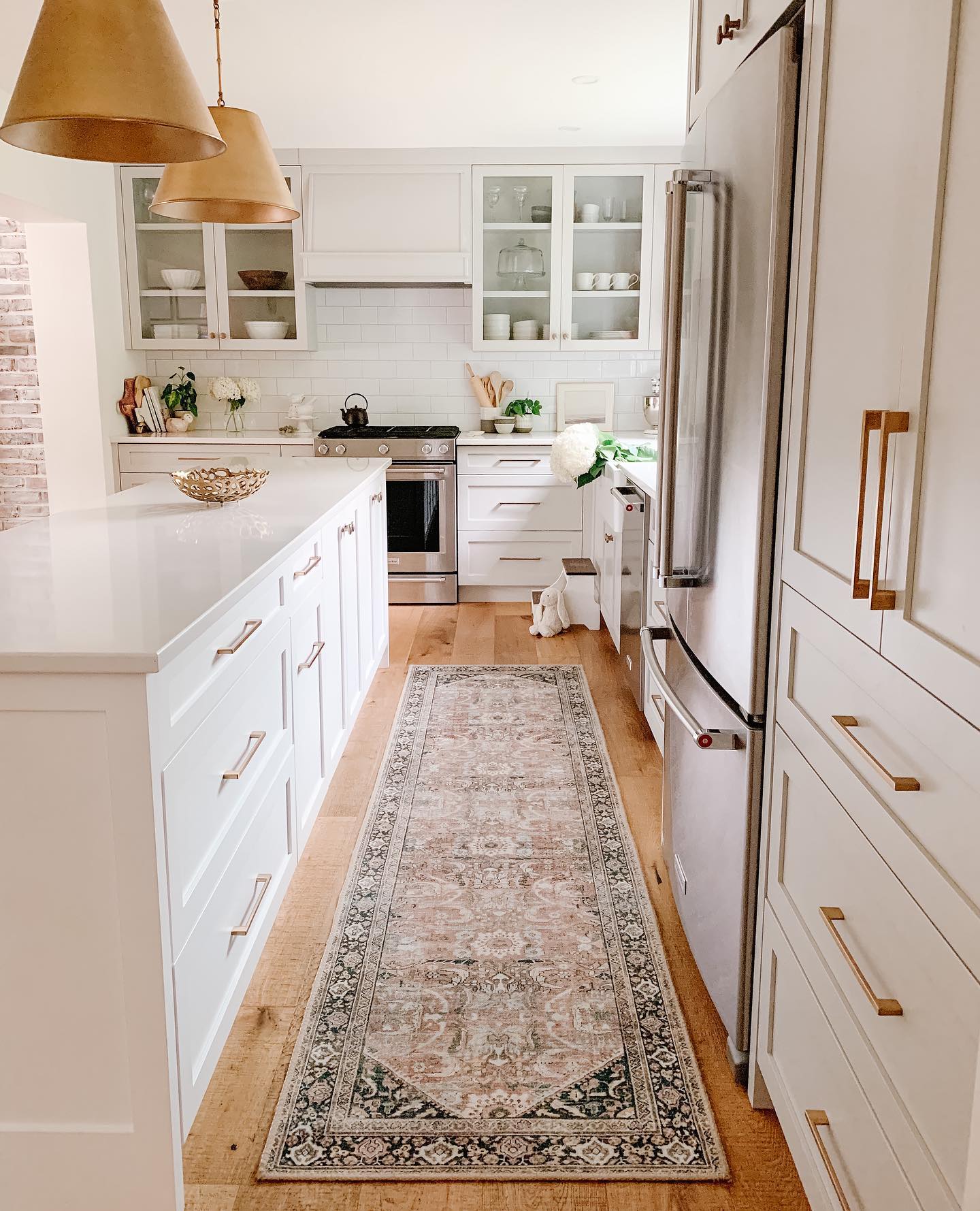
Image Source: image1.rugs-direct.com
Deciphering Your Kitchen’s Needs
Before you even start looking at rugs, it’s crucial to assess your kitchen’s layout and how you use the space. Think about the traffic flow, the placement of your major appliances and work surfaces, and what areas experience the most footfall.
Mapping Your Kitchen’s Work Triangle
The classic kitchen work triangle connects the sink, stove, and refrigerator. Runners are often most beneficial along the paths within this triangle, especially in galley kitchens or along long countertops.
- Sink Area: This is a high-traffic zone where you’ll stand for washing dishes and preparing food. A runner here provides comfort and catches drips.
- Stove/Oven Area: Standing while cooking or baking can be hard on your feet. A runner offers a soft surface.
- Prep Countertops: If you have a dedicated prep area, a runner can make standing and chopping much more enjoyable.
Considering Kitchen Layouts
The shape and size of your kitchen will heavily influence the ideal kitchen runner size.
Galley Kitchens
In a galley kitchen, a single, long kitchen rug or runner can connect the two parallel walls, providing continuous comfort and visual flow. The key is to ensure it doesn’t impede movement between the cooking and working zones.
L-Shaped and U-Shaped Kitchens
These layouts often benefit from runners that follow the primary walkways or line the longest stretches of countertop. You might consider one long kitchen rug or even two shorter runners to cover distinct areas.
Open-Concept Kitchens
In open-plan spaces, a runner can act as a visual anchor, defining the kitchen area from the living or dining space. The kitchen floor runner size should be proportional to the kitchen footprint and the surrounding areas.
How to Measure for Kitchen Runner
Accurate measurement is the most critical step in finding the perfect kitchen runner length. Don’t guess – grab a tape measure!
Step-by-Step Measurement Guide
- Identify the Area: Decide which part of your kitchen you want to cover. Is it the entire length of your cabinets? Just in front of the sink and stove?
- Measure the Length: Extend your tape measure from one end of the desired area to the other. For areas like in front of a sink or stove, measure the width of the appliance or cabinet front.
- Measure the Width: Measure the desired width of the runner. Standard runner rug dimensions vary, but common widths are 2 to 3 feet.
- Consider Clearance: Think about walkways. You want the runner to cover the key areas without blocking doorways or making it difficult to open appliance doors (like dishwashers or ovens). Leave at least 6-8 inches of visible floor space at each end of the runner for a balanced look and to prevent tripping. This is crucial for proper kitchen runner placement.
- Visualize: Before committing, you can use painter’s tape to mark out the dimensions of the runner on your floor. This helps you visualize the kitchen rug size in your space.
What About Standard Runner Rug Dimensions?
While custom options exist, understanding standard runner rug dimensions can give you a starting point. Common lengths range from 4 feet to 14 feet, with widths typically between 2 feet and 3 feet.
- Short Runners (4-6 feet): Good for smaller kitchens or to place in front of a single appliance like a sink or stove.
- Medium Runners (7-9 feet): Suitable for covering a longer stretch of countertop or a moderate galley kitchen.
- Long Runners (10-14 feet): Ideal for larger kitchens, extensive galley kitchens, or open-concept layouts where you want to cover a significant area.
Factors Influencing Your Kitchen Runner Length Choice
Beyond basic measurements, several other factors play a role in selecting the ideal kitchen runner.
Comfort and Support
Kitchens are often places where you spend a lot of time on your feet. A comfortable runner can make a big difference.
- Cushioning: Thicker rugs with plush pile offer more support and comfort. Consider this if you stand for long periods cooking or cleaning.
- Material: Certain materials, like memory foam or rugs with a dense pile, provide superior cushioning.
Durability and Maintenance
Kitchen runners can get dirty. Choose materials that are easy to clean and durable.
- Stain Resistance: Look for synthetic materials like nylon or polypropylene, which are naturally stain-resistant.
- Washability: Some runners are machine washable, which is a huge plus for kitchen environments.
- Non-Slip Backing: Essential for safety in a kitchen where spills can occur.
Style and Aesthetics
The kitchen runner should complement your kitchen’s décor.
- Color and Pattern: A vibrant runner can add a pop of color, while a neutral tone can create a sense of calm. Patterns can help camouflage minor stains.
- Texture: Different textures can add visual interest and tactile appeal to your kitchen floor.
Traffic Flow and Safety
A runner that’s too long can be a tripping hazard or obstruct movement. Conversely, one that’s too short might not provide adequate coverage.
- Doorways: Ensure the runner doesn’t extend into doorways where it could catch on doors or create a tripping hazard.
- Appliance Doors: Keep enough clearance for cabinet doors and appliance doors to open fully.
Matching Kitchen Runner Size to Your Space
Let’s break down how specific kitchen layouts and features influence the kitchen mat length you should choose.
The Single Appliance Solution
If you only want to add comfort and style to one specific area, like in front of your sink or stove, a shorter runner is often perfect.
- Sink: A runner that extends slightly beyond the width of your sink base cabinet provides coverage while you’re washing dishes. A length of 3-5 feet is often sufficient here.
- Stove: Similarly, a runner in front of the stove should be wide enough to catch spills and provide comfort when cooking. Again, 3-5 feet is a common length.
The Long Stretch: Galley and Single-Wall Kitchens
For galley kitchens or kitchens with a single, long bank of cabinets, a long kitchen rug is a popular choice.
- Galley Kitchens: A runner that runs the majority of the length of the kitchen, say 8-12 feet, can create a unified look and provide continuous cushioning. Make sure to leave about 1-2 feet of clearance at each end.
- Single-Wall Kitchens: If your kitchen is essentially one long line of countertops and appliances, a runner that mirrors this length can work beautifully. Measure the entire length of your work area and subtract about 1-2 feet for clearance.
Defining Zones in Larger Kitchens
In larger kitchens, or kitchens that open into other living areas, runners can help delineate the kitchen space.
- Island Placement: If you have a kitchen island, a runner placed in front of it can create a functional and stylish focal point. The runner’s length should be proportional to the island, often extending a few inches beyond each end.
- Work Aisles: You might opt for a runner that runs down the main aisle of your kitchen, connecting different work zones. The kitchen floor runner size here would be dictated by the aisle’s length.
Exploring Different Kitchen Runner Lengths and Uses
Let’s look at some common scenarios and the corresponding runner lengths.
Scenario 1: The Compact Kitchen
- Layout: Small galley or U-shaped kitchen.
- Needs: Comfort at sink and stove, protection from spills.
- Recommended Runner Length: 3-5 feet for individual spots, or a single 6-8 foot runner for a galley kitchen.
Scenario 2: The Busy Cook’s Kitchen
- Layout: Moderately sized kitchen with ample counter space.
- Needs: Comfort during extended cooking and prep, covering primary walkways.
- Recommended Runner Length: 7-10 feet, potentially following a longer countertop run or placed centrally.
Scenario 3: The Open-Concept Hub
- Layout: Large kitchen flowing into a living or dining area.
- Needs: Defining the kitchen space, adding warmth and comfort, protecting floors.
- Recommended Runner Length: 10-14 feet or even longer, potentially custom-sized, to anchor the kitchen area.
Custom Kitchen Runner Size: When Standard Isn’t Enough
Sometimes, off-the-shelf sizes just don’t quite fit your vision or your kitchen’s unique dimensions. That’s where custom kitchen runner size options come in.
Benefits of Custom Runners
- Perfect Fit: Achieve a seamless look that perfectly complements your space.
- Tailored Length: Get exactly the kitchen mat length you need.
- Unique Designs: Many companies offer custom printing or the ability to select from a wider range of materials and patterns.
When to Consider Custom
- Unusual Kitchen Dimensions: If your kitchen is particularly long or has awkward angles.
- Specific Aesthetic Goals: If you have a very precise look you want to achieve.
- High-Traffic Areas: For very busy kitchens, you might need a specific size to maximize coverage and durability.
How to Order a Custom Kitchen Runner
- Measure Precisely: Re-measure your desired area to ensure accuracy.
- Choose Your Material and Style: Select the rug’s base material, pile height, and any patterns or colors.
- Specify Dimensions: Provide your exact desired length and width. Remember to account for clearance.
- Check for Non-Slip Options: Ensure the custom option includes a non-slip backing or purchase a rug pad separately.
Frequently Asked Questions About Kitchen Runner Length
How wide should a kitchen runner be?
While length is often the focus, width is also important. Standard runner widths are typically 2 to 3 feet. The ideal width depends on the space it’s occupying. For a walkway, a 2-foot width is usually sufficient. If it’s in front of a wide sink or stove, a 3-foot width might offer better coverage. Always ensure it doesn’t make the walkway feel too narrow.
Can a kitchen runner be too long?
Yes, a kitchen runner can definitely be too long. If it’s too long, it can become a tripping hazard, impede movement, or prevent appliance doors (like dishwashers or ovens) from opening fully. It’s crucial to leave ample clearance at the ends and ensure smooth traffic flow. A general guideline is to leave at least 6-12 inches of floor visible at each end of the runner.
Should a kitchen runner touch the cabinets?
Generally, no. It’s best to leave a few inches of space between the edge of the runner and the base of the cabinets or appliances. This prevents the runner from getting snagged, makes it easier to clean the edges, and contributes to a more polished look. This also allows for better airflow and prevents the rug from absorbing moisture from the cabinet bases.
How do I prevent my kitchen runner from slipping?
The best way to prevent a kitchen runner from slipping is to choose a rug with a non-slip backing. Many runners are sold with rubber or latex backing. If your chosen runner doesn’t have this feature, you can purchase a separate rug pad designed for hard floors. These pads provide grip and can also add extra cushioning.
What’s the best material for a kitchen runner?
The best material depends on your priorities. For durability and ease of cleaning, synthetic materials like nylon, polypropylene, and polyester are excellent choices. They are often stain-resistant and can withstand high traffic. For comfort, consider natural fibers like cotton or wool, or runners with memory foam cores, though these might require more careful cleaning.
Conclusion: Finding Your Perfect Fit
Selecting the correct kitchen runner length is about balancing aesthetics, functionality, and safety. By carefully measuring your space, considering your kitchen’s layout, and thinking about how you use the area, you can find a runner that not only looks great but also adds comfort and practicality to your kitchen. Whether you opt for a standard size or a custom kitchen runner size, the goal is a runner that enhances your kitchen experience, making it a more enjoyable place to cook, eat, and live. Measure twice, buy once, and enjoy the transformed space!