
The total kitchen island installation cost can range from $1,000 to $10,000 or more, depending on the island’s size, materials, features, and the complexity of the installation. What is the average kitchen island price? The average kitchen island price typically falls between $2,500 and $5,000, but this is a broad estimate.
Adding a kitchen island can dramatically transform your kitchen. It’s not just about aesthetics; it offers more workspace, storage, and a gathering spot for family and friends. But before you dive into choosing the perfect island, it’s crucial to understand the associated costs. This guide will break down everything you need to know about the kitchen island installation cost, from the island itself to all the hidden expenses.
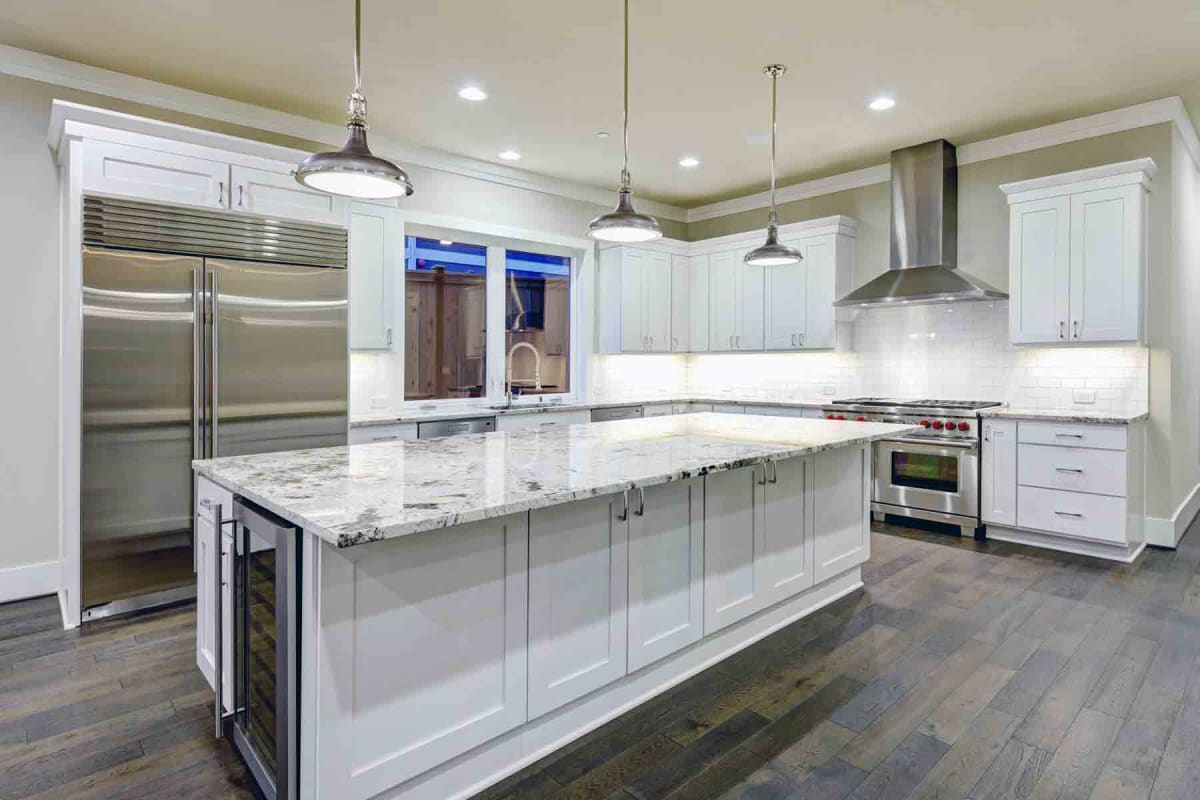
Image Source: res.cloudinary.com
Fathoming the Total Kitchen Island Installation Cost
The overall kitchen island installation cost is a sum of several components. It’s not just the price of the island itself. You also need to factor in cabinetry, countertops, plumbing, electrical work, and labor.
Here’s a breakdown of the typical cost factors:
- Island Unit Cost: This is the price of the island itself, whether pre-fabricated, custom-built, or a modular system.
- Cabinet Installation Cost: If your island includes cabinets, you’ll need to pay for their installation.
- Countertop Installation Cost: The material and installation of your countertop add to the price.
- Plumbing Installation Cost: If you plan to have a sink or other water features, plumbing is essential.
- Electrical Installation Cost: For lighting, outlets, or appliances, electrical work is necessary.
- Labor Costs: This covers the professionals who will design, build, and install your island.
- Accessory Costs: Things like lighting fixtures, hardware, and specialized shelving can add up.
These factors combined will determine your final kitchen island installation cost.
Deciphering the Cost to Build a Kitchen Island
The cost to build a kitchen island is highly variable. It depends on whether you opt for a simple, ready-made unit or a fully custom design with integrated appliances and complex plumbing.
1. The Island Unit Itself: The Core Expense
The most significant part of your budget will likely be the island unit. This cost varies based on:
- Size and Shape: Larger islands naturally cost more due to increased materials and labor. Complex shapes might also increase the price.
- Materials:
- Stock/Prefabricated Islands: These are the most budget-friendly options. You can find basic models for a few hundred dollars. They often come with laminate countertops and simple cabinetry.
- Semi-Custom Islands: These offer more flexibility in terms of size, finishes, and configurations. They usually cost between $1,000 and $3,000.
- Custom-Built Islands: These are built to your exact specifications, allowing for unique designs, premium materials, and integration of specialized features. The cost can start from $2,000 and easily go up to $10,000 or more, especially with high-end materials and intricate designs.
- Features: Islands with built-in appliances (like dishwashers, wine fridges, or cooktops), sinks, or elaborate storage solutions will naturally cost more.
Table 1: Estimated Cost Ranges for Island Units
| Island Type | Estimated Price Range |
|---|---|
| Basic Prefabricated | $200 – $1,000 |
| Mid-Range Semi-Custom | $1,000 – $3,000 |
| High-End Custom | $3,000 – $10,000+ |
2. Cabinet Installation Cost: The Backbone of Your Island
Most kitchen islands feature cabinetry for storage. The cost to install these cabinets depends on several factors:
- Number of Cabinets: More cabinets mean more installation time and cost.
- Cabinet Style:
- Stock Cabinets: These are mass-produced and the most affordable. Installation is usually straightforward.
- Semi-Custom Cabinets: Offer more options for sizes and finishes, slightly increasing installation complexity and cost.
- Custom Cabinets: Built specifically for your island, these can be intricate and require skilled installation, leading to higher labor costs.
- Cabinet Material: While the material affects the purchase price, it can also impact installation. Very heavy or delicate materials might require more careful handling.
- Hardware: The cost of installing handles, knobs, and drawer pulls is usually included in the cabinet installation cost, but specialized hardware might add to the labor.
- Labor Rates: Professional cabinet installers typically charge an hourly rate or a percentage of the cabinet cost.
Estimating Cabinet Installation:
- Per Linear Foot: Some installers charge by the linear foot of cabinetry installed. This can range from $100 to $500 per linear foot, depending on the complexity and the installer.
- Per Cabinet: Others charge per cabinet, with prices varying from $50 to $250 per cabinet.
- Hourly Rate: Expect to pay $50 to $150 per hour for a skilled cabinet installer.
The cabinet installation cost is a significant chunk of the overall kitchen island installation cost.
3. Countertop Installation Cost: The Crown Jewel
The countertop is a focal point of any kitchen island. Its cost is driven by material, size, and the complexity of fabrication and installation.
-
Material Options and their Installation Costs:
- Laminate: The most budget-friendly option. Installation is generally straightforward and affordable, typically $20-$50 per square foot, including installation.
- Solid Surface (e.g., Corian): Offers a seamless look and is relatively easy to work with. Installation costs usually range from $50-$100 per square foot.
- Granite: A very popular choice, known for its durability and beauty. Installation costs typically range from $75-$200 per square foot, depending on the granite’s rarity and edge details.
- Quartz: Similar to granite in terms of durability and cost, quartz installation usually falls between $75-$225 per square foot.
- Marble: A luxurious option, but softer and more prone to staining. Installation can range from $100-$300+ per square foot.
- Butcher Block: Adds warmth and a natural feel. Installation costs are usually $50-$150 per square foot.
- Concrete: Offers a modern, industrial look and can be customized. Installation can be costly, ranging from $100-$250+ per square foot, due to custom pouring and finishing.
-
Edge Profiles: Simple square edges are the cheapest. More intricate profiles like bullnose, ogee, or bevel edges will increase fabrication and installation costs.
- Cutouts: For sinks, cooktops, or faucet holes, these add to the complexity and price of installation.
The countertop installation cost is a major factor in your total kitchen island installation cost.
4. Plumbing Installation Cost: When Water is Involved
If your island design includes a sink, dishwasher, or ice maker, you’ll need to account for plumbing.
- Relocating Existing Lines: If your current kitchen layout doesn’t have water or drain lines where you want your island, professionals will need to extend or reroute them. This is often the most significant plumbing expense.
- New Fixtures: Installing a new sink, faucet, or dishwasher requires connecting to water supply and drain lines.
- Drainage: Proper drainage is crucial. If your existing drains are not suitable, modifications might be needed.
- Venting: New plumbing fixtures may require updated venting to prevent sewer gases from entering your home.
Typical Plumbing Costs:
- Simple Sink Installation: If water lines are readily available, installing a sink and faucet might cost $250-$750.
- Extending Lines: Rerouting or extending water and drain lines can add $500 to $2,000 or more, depending on the distance and the complexity of accessing existing plumbing within your walls or floors.
- Dishwasher Installation: This usually involves connecting to water supply, drain, and electrical, and can cost $150-$500 on top of the dishwasher purchase price.
The plumbing installation cost is a critical consideration for functional islands.
5. Electrical Installation Cost: Powering Your Island
Electrical work is necessary for lighting, outlets, and any appliances you plan to integrate into your island.
- Adding Outlets: Most modern kitchens require easily accessible outlets on the island for small appliances or charging devices. Running new electrical circuits can be a significant part of the cost.
- Under-Cabinet Lighting: LED strips or puck lights under the island cabinets add ambiance and task lighting.
- Overhead Pendant Lights: If your island will be illuminated by hanging lights, an electrician will need to install the necessary wiring and fixtures.
- Appliance Connections: Built-in appliances like microwaves, ovens, or induction cooktops require dedicated electrical circuits.
Typical Electrical Costs:
- Adding an Outlet: Installing a new outlet on an existing circuit might cost $100-$250.
- Running a New Circuit: If a new circuit breaker is needed from your electrical panel, the cost can range from $250 to $800 or more.
- Installing Pendant Lights: This can cost $150-$400 per fixture, depending on the complexity of wiring and ceiling access.
- Appliance Wiring: Connecting high-wattage appliances will require specialized wiring and can add $200-$600 per appliance.
The electrical installation cost ensures your island is not only functional but also safe and modern.
Comprehending the Cost to Build Kitchen Island Components
Let’s delve deeper into the specific components that contribute to the cost to build a kitchen island.
Island Design Cost
Before any physical work begins, you might incur costs for island design.
- Designer Fees: If you hire an interior designer or a kitchen specialist, their fees can range from $50 to $200+ per hour, or they might charge a percentage of the total project cost (10-20%).
- Software and Visualization: Some designers use advanced software for 3D renderings, which can add to the cost.
- Consultations: Initial consultations might be free, but detailed planning sessions will be billed.
The island design cost is an investment that can save you money in the long run by preventing costly mistakes and ensuring a functional, aesthetically pleasing result.
DIY Kitchen Island Cost vs. Professional Installation
The decision to go DIY or hire professionals significantly impacts the overall kitchen island installation cost.
DIY Kitchen Island Cost:
- Pros: Can significantly reduce labor costs. Offers creative freedom.
- Cons: Requires time, skill, and specialized tools. Potential for costly mistakes if not done correctly. May void warranties on appliances or materials. Building codes may need to be adhered to, and inspections might be required.
- Typical Savings: You can save 30-60% on labor costs by doing it yourself. However, factor in tool rentals, material waste, and the value of your time.
Professional Installation:
- Pros: Expertise and experience ensure a high-quality, safe installation. Saves you time and effort. Often comes with warranties on workmanship.
- Cons: Higher overall cost due to labor charges.
Who to Hire:
- General Contractor: Oversees the entire project, coordinating different trades.
- Cabinet Maker/Installer: For the island’s cabinetry.
- Countertop Fabricator/Installer: For the countertop material.
- Plumber: For sink, dishwasher, or faucet connections.
- Electrician: For outlets, lighting, and appliance wiring.
Estimating Labor Costs
Labor is a substantial part of your kitchen island installation cost.
- Hourly Rates: Carpenters, electricians, and plumbers typically charge between $75 and $150 per hour.
- Project-Based Pricing: Some professionals offer a fixed price for the entire installation. Get multiple quotes.
- General Contractor Markups: If you use a GC, expect them to add a 10-20% markup to the total project cost to cover their coordination and management.
Factors Influencing the Average Kitchen Island Price
The average kitchen island price is a broad range because so many variables are at play. Let’s summarize the key influencers:
1. Size and Complexity of the Island
- Dimensions: A 3ft x 6ft island will cost more than a 2ft x 4ft island.
- Shape: Standard rectangular islands are less expensive than curved or L-shaped designs.
- Built-in Features: Sinks, dishwashers, cooktops, warming drawers, wine coolers, and custom cabinetry add significant cost.
2. Material Selection
- Cabinetry: High-end woods (like cherry or walnut) and custom finishes are pricier than standard particleboard or laminate.
- Countertops: As detailed above, materials like quartz, granite, and marble are more expensive than laminate or butcher block.
- Hardware: Premium drawer pulls, hinges, and decorative elements add to the cost.
3. Electrical and Plumbing Needs
- Accessibility: Islands located far from existing plumbing and electrical sources will incur higher installation costs due to the need for extended or new runs.
- Number of Fixtures: More sinks, outlets, or specialized appliances mean more work for electricians and plumbers.
4. Customization vs. Off-the-Shelf
- Custom Designs: Offer ultimate personalization but come at a premium price.
- Modular or Pre-fabricated Islands: Provide a more budget-friendly solution but offer less flexibility.
5. Location and Existing Kitchen Structure
- Age of Home: Older homes might have outdated wiring or plumbing that needs upgrading, increasing costs.
- Layout: Open-plan kitchens might be easier to work in than cramped or compartmentalized layouts.
- Flooring: If you need to cut into existing flooring to run pipes or wires, this adds complexity and cost.
6. Labor Costs in Your Area
- Geographic Location: Labor rates vary significantly by region. Major metropolitan areas generally have higher labor costs than rural areas.
Breaking Down Kitchen Renovation Costs Related to Island Installation
Installing a kitchen island is often part of a larger kitchen renovation. If you’re undertaking a full kitchen remodel, the island installation cost becomes one piece of the larger puzzle.
- Cabinetry: New kitchen cabinets for the entire kitchen can range from $3,000 to $20,000+.
- Countertops: For the entire kitchen, this can be $1,500 to $10,000+.
- Appliances: New appliances can add $3,000 to $15,000+.
- Flooring: New flooring can cost $500 to $5,000+.
- Lighting: Upgrading kitchen lighting can range from $500 to $3,000+.
- Paint and Finishes: $300 to $1,000+.
When budgeting for a kitchen renovation, ensure the island’s specific costs are clearly delineated from the broader project.
Strategies for Managing Your Kitchen Island Installation Cost
Here are some tips to help you control the kitchen island installation cost:
- Prioritize Needs vs. Wants: Decide which features are essential (e.g., extra prep space) and which are nice-to-haves (e.g., a built-in wine fridge).
- Shop Around for Materials: Compare prices for countertops, cabinets, and hardware from different suppliers.
- Consider a Simpler Design: A functional island with good storage doesn’t always need complex features.
- Phased Installation: If budget is a major concern, you could install the island’s structure and countertop now and add specialized electrical or plumbing later.
- DIY Some Elements: Painting cabinets, installing hardware, or assembling pre-fab components can save on labor.
- Get Multiple Quotes: Always obtain at least three detailed quotes from contractors for each trade involved.
- Look for Sales and Discounts: Keep an eye out for promotions on cabinets, countertops, or appliances.
- Choose Ready-Made or Modular Islands: These are often more affordable than custom builds.
- Optimize Layout: Design the island to minimize the need for extensive electrical or plumbing work.
By carefully planning and making informed choices, you can achieve a beautiful and functional kitchen island without breaking the bank.
Frequently Asked Questions (FAQ)
Q1: What is the average kitchen island price for just the unit itself?
The average kitchen island price for the unit alone can range from $300 for a basic, ready-made island to $5,000+ for a custom-built, high-end unit with premium materials and features.
Q2: How much does it cost to install kitchen island cabinets?
The cabinet installation cost for a kitchen island can range from $500 to $2,000 or more, depending on the number of cabinets, their complexity, and the installer’s rates.
Q3: What is the typical countertop installation cost?
Countertop installation cost varies greatly by material. Laminate might cost $20-$50 per square foot installed, while quartz or granite can range from $75-$225 per square foot installed.
Q4: Do I need a plumber to install a kitchen island?
You will need a plumber if your island design includes a sink, dishwasher, or any other water-connected appliance. The plumbing installation cost can range from $300 to $2,000+, depending on the complexity of extending lines.
Q5: How much does electrical work for a kitchen island cost?
Electrical installation cost for outlets, lighting, or appliance hookups can range from $200 for a simple outlet addition to $1,000+ for running new circuits and wiring multiple appliances or light fixtures.
Q6: Can I save money by building a DIY kitchen island?
Yes, a DIY kitchen island can significantly reduce costs by eliminating labor charges, but it requires time, skill, and the right tools. You might save 30-60% on labor, but be mindful of potential mistakes that could increase costs.
Q7: Is island design cost a separate expense?
Yes, island design cost can be separate if you hire an interior designer or kitchen planner. Fees can range from $50/hour to a percentage of the total project cost.
Q8: What are the main components of the total kitchen island installation cost?
The main components include the island unit, cabinetry, countertops, plumbing, electrical work, hardware, and labor for installation.
Q9: How do kitchen renovation costs affect island installation?
If the island installation is part of a larger kitchen renovation, its costs are factored into the overall budget alongside other renovation elements like new cabinets for the whole kitchen, appliances, flooring, and paint.
Q10: Who is responsible for the different installation tasks?
Typically, a general contractor might oversee the project. Specific tasks are handled by specialized professionals: cabinet installers, countertop fabricators, plumbers, and electricians.