
Can I get rid of ants around my kitchen sink permanently? Yes, by combining immediate cleaning with long-term prevention strategies. A persistent kitchen sink ant problem can be incredibly frustrating. Seeing tiny trails of ants marching towards a water source or a stray crumb is a common, yet highly unwelcome, sight. This guide will equip you with comprehensive strategies to tackle ant control kitchen areas effectively, aiming for permanent relief from your kitchen ant infestation. We’ll delve into the reasons why ants are drawn to your sink, explore various methods for eliminating ants from sink areas, and crucially, discuss how to prevent ants in kitchen spaces for good.
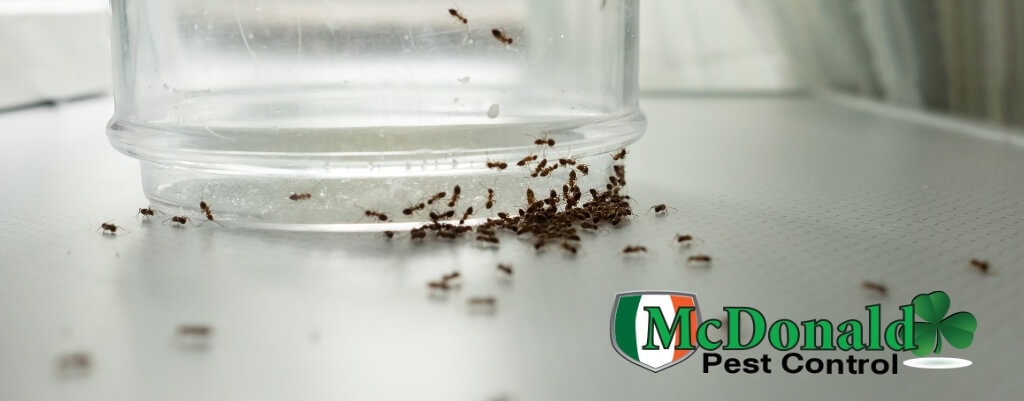
Image Source: www.mcdonaldpestcontrol.com
Why Are Ants Invading Your Kitchen Sink?
Ants are opportunistic foragers, and your kitchen sink is often a prime destination for them. Several factors contribute to this attraction:
- Water Source: Ants, like all living things, need water. A dripping faucet, a damp sponge, or residual water in the sink basin can be a lifeline for an ant colony. The presence of ants near faucet is a clear indicator of this.
- Food Scraps: Even the smallest food particles left in the sink or on the countertop are a buffet for ants. Sticky residue from juices, sugar, crumbs from bread, or overlooked food debris are all highly attractive.
- Sweetness: Ants are particularly drawn to sugary substances. Spills from honey, jam, syrup, or even fruit juices can leave a sweet trail that ants readily follow.
- Grease and Odors: Certain types of ants are attracted to grease and other food odors. Residue from cooking or cleaning can also create appealing scents.
- Entry Points: Ants are small and can find their way into your home through minuscule cracks and openings in walls, windows, or around pipes leading to the sink.
Immediate Solutions for Eliminating Ants from Sink Areas
When you first notice ants, you need to act fast to disrupt their trails and eliminate the visible population. Here are some immediate steps to take for eliminating ants from sink:
H3: Cleaning and Sanitizing
This is the most crucial first step. Ants leave scent trails (pheromones) for other ants to follow. Thorough cleaning removes these trails and the food sources that attract them.
- Clear the Sink Area: Remove all dishes, sponges, cleaning supplies, and anything else from around and in the sink.
- Wash Dishes Promptly: Don’t leave dirty dishes in the sink or sink strainer. Wash them immediately or rinse them thoroughly and place them in a dishwasher.
- Wipe Down Surfaces: Use a damp cloth and an appropriate cleaning solution to wipe down the sink basin, faucet, countertops, and backsplash. Pay attention to any sticky spots or crumbs.
- Clean the Drain: Food particles and gunk can accumulate in the sink drain. Pour hot water down the drain to help flush out any debris. You can also use a drain cleaner specifically designed for kitchen sinks.
- Empty the Trash: Ensure your kitchen trash can is emptied regularly and that the lid fits snugly to prevent ants from getting in.
H4: Disrupting Ant Trails
Once the cleaning is done, you need to break any existing scent trails.
- Vinegar Solution: A mixture of equal parts white vinegar and water is an excellent natural cleaner and ant deterrent. Spray it directly on ant trails and wipe them away. The strong smell of vinegar masks the pheromone trails.
- Soapy Water: Simple dish soap mixed with water can also be effective. The soap breaks down the ants’ exoskeleton and kills them on contact, while also cleaning away scent trails.
Natural Ant Deterrents and Home Remedies
For those seeking less chemical-intensive solutions, many effective natural ant deterrents and home remedies for ants can be employed. These are often safer for use in food preparation areas.
H4: Essential Oils
Certain essential oils have strong scents that ants dislike and can effectively deter them.
- Peppermint Oil: Known for its potent smell, peppermint oil is a classic ant deterrent.
- Application: Mix 10-15 drops of peppermint essential oil with a cup of water in a spray bottle. Spray this mixture along ant trails, entry points, and around the sink area. Reapply daily or as needed.
- Tea Tree Oil: Another powerful repellent due to its strong aroma.
- Application: Similar to peppermint oil, mix 10-15 drops with water and spray.
- Cinnamon Oil: Ants are repelled by the strong scent of cinnamon.
- Application: You can use cinnamon oil diluted in water or even sprinkle ground cinnamon in areas where ants are a problem.
H4: Spices and Herbs
Beyond essential oils, common kitchen spices can also work as deterrents.
- Cinnamon: Both ground cinnamon and cinnamon sticks can be placed around entry points or along ant trails.
- Cayenne Pepper: The strong odor and spiciness of cayenne pepper can deter ants. Sprinkle it in areas where you see them.
- Cloves: Whole cloves or ground cloves can be placed in areas where ants are active.
- Bay Leaves: Ants reportedly dislike the scent of bay leaves. Place them in cupboards, near the sink, or wherever you see ant activity.
H4: Citrus Peels
The scent of citrus is unpleasant for ants.
- Lemon Peels: Place lemon peels around your sink and kitchen to deter ants. The citric acid is also believed to disrupt their scent trails.
- Orange Peels: Similar to lemon peels, orange peels can be an effective deterrent.
H4: Diatomaceous Earth (Food Grade)
Diatomaceous earth (DE) is a natural powder made from fossilized aquatic organisms. When ants come into contact with it, the microscopic sharp edges scratch their exoskeleton, causing them to dehydrate and die.
- Application: Sprinkle a thin layer of food-grade diatomaceous earth in dry areas where ants are seen, such as along baseboards, behind appliances, and near entry points. Important: Ensure it is food-grade and keep it dry, as it loses its effectiveness when wet.
H4: Borax and Sugar Mixture (DIY Ant Killer)
Borax is a naturally occurring mineral that can be used to create a DIY ant killer. When mixed with sugar, ants are attracted to the sweet bait, ingest the borax, and it disrupts their digestive system.
- Recipe: Mix approximately 1 part borax with 3 parts sugar. Add a small amount of water to create a paste or a thick liquid.
- Application: Place small amounts of this mixture on pieces of cardboard or bottle caps near ant trails, but out of reach of children and pets. The ants will carry the bait back to their colony, potentially eliminating the queen and the entire colony. Use with caution and ensure proper placement.
H4: Coffee Grounds
Used coffee grounds can also act as a deterrent. The strong scent is believed to repel ants, and they are also thought to disrupt pheromone trails. Sprinkle used coffee grounds around entry points or outdoor ant hills.
Chemical Ant Control Methods
While natural remedies are preferable for many, in cases of severe kitchen ant infestation, chemical solutions might be considered. Always follow product instructions carefully and use them in areas inaccessible to children and pets.
H4: Ant Baits
Ant baits are a very effective method for ant control kitchen areas because they target the entire colony.
- How They Work: Baits contain a slow-acting poison mixed with an attractant (usually sweet or protein-based). Ants consume the bait and carry it back to their nest, sharing it with other ants, including the queen.
- Placement: Place bait stations along ant trails, near infested areas, and in places where ants are frequently seen, such as around the sink and ants in kitchen cabinets.
- Types of Baits:
- Gel Baits: Can be applied directly into cracks and crevices where ants are entering.
- Bait Stations: Sealed plastic containers that ants enter to consume the bait. These are generally safer for homes with children and pets.
H4: Ant Sprays
Ant sprays can provide a quick knockdown of visible ants. However, they are generally not recommended for permanent solutions because they often kill foraging ants before they can take the poison back to the colony. Spraying can also disrupt scent trails, causing ants to scatter and find new routes.
- Application: Use sparingly for immediate relief and target only the visible ant trails. Avoid spraying directly into areas where food is prepared or stored.
H4: Ant Granules or Powders
These are typically applied outdoors around the foundation of your home to create a barrier. They can also be used in specific areas indoors with caution.
- Application: Follow product instructions precisely. For indoor use, consider placing them in areas that are not frequently accessed or where food preparation is minimal.
Preventing Ants in the Kitchen for Good
The most effective way to deal with ants is to prevent ants in kitchen spaces from becoming a problem in the first place. This involves a multi-pronged approach focused on cleanliness and exclusion.
H5: Maintain Impeccable Kitchen Hygiene
This is the cornerstone of preventing ants in kitchen areas.
- Clean Spills Immediately: Wipe up any spills, especially sugary drinks or sticky substances, as soon as they happen.
- Rinse Dishes: Don’t leave dirty dishes in the sink. Rinse them well before placing them in the dishwasher or washing them.
- Wipe Down Countertops Daily: Use a cleaning solution to wipe down all kitchen surfaces, especially around the sink and stovetop.
- Sweep and Mop Floors Regularly: Ants can travel across floors to find food. Regular cleaning removes crumbs and spills.
- Empty Trash Cans Frequently: Ensure your kitchen trash can has a tight-fitting lid and empty it daily.
- Store Food Properly:
- Airtight Containers: Store all food items, including sugar, flour, cereal, and pet food, in airtight containers. This applies to items in your pantry and in your ants in kitchen cabinets.
- Fruit Bowls: If you leave fruit out, consider covering it or using a fruit bowl with a lid.
H5: Seal Entry Points
Ants are tiny and can slip through surprisingly small openings. Sealing these points of entry is crucial for long-term prevention.
- Inspect Your Kitchen: Walk around your kitchen and look for any cracks or gaps in:
- Walls and baseboards
- Around windows and doors
- Around pipes leading to the sink and appliances
- Seal Cracks: Use caulk or sealant to fill any cracks or holes you find. Pay close attention to areas where utilities enter the house.
H5: Manage Water Sources
Since ants need water, reducing access to it can help deter them.
- Fix Leaks: Repair any leaky faucets or pipes immediately. Even a slow drip can attract ants. Check the area around your faucet for any constant dampness.
- Dry the Sink: After washing dishes or using the sink, wipe it dry with a cloth. This removes residual water that ants might be attracted to.
- Check Under the Sink: Ensure there are no leaks or dampness under the sink, which can be a hidden attractant and a place for ants to hide.
H5: Outdoor Perimeter Control
If ants are a persistent problem, you may need to address their presence outside your home as well.
- Remove Food Sources: Keep outdoor trash cans clean and sealed. Clean up pet food bowls.
- Trim Vegetation: Trim back any branches or shrubs that touch your house, as these can provide a bridge for ants to enter.
- Ant Baits Outdoors: Consider using ant baits in strategic locations around your home’s foundation to target colonies before they reach your kitchen.
Identifying Ant Types and Targeted Strategies
Different ant species have different preferences and behaviors, which can influence the best control methods. While a general approach works for many common kitchen ants, knowing the type can be beneficial for stubborn infestations.
H5: Common Kitchen Ants
- Odorous House Ants: These ants are small, dark brown to black, and emit a rotten coconut-like smell when crushed. They are attracted to sweets and often forage in trails.
- Pavement Ants: Usually black or dark brown, these ants nest in soil, under sidewalks, and in cracks in foundations. They are attracted to sweets, grease, and other food sources found in kitchens.
- Carpenter Ants: These ants are larger than most kitchen ants and can be black, reddish-brown, or a combination. They nest in wood, and while they don’t eat wood, they excavate it to create galleries. If you see larger ants and suspect they are nesting in your walls or around your sink plumbing, this requires a more targeted approach.
H5: Targeting the Colony
The key to permanent ant removal is to eliminate the entire colony, not just the foraging ants you see.
- Baiting is Best: As mentioned, ant baits are designed to be carried back to the nest, effectively eliminating the queen and the colony.
- Patience is Key: Ant baits may take a few days to a week or more to show full results, as ants need time to consume and distribute the poison. Resist the urge to kill ants you see near the bait stations; they are doing the important work of carrying the bait back.
Table: Natural vs. Chemical Ant Control Methods
| Method | Pros | Cons | Best For |
|---|---|---|---|
| Cleaning & Sanitizing | Safe, immediate impact on trails, removes attractants. | Doesn’t kill the colony, requires consistent effort. | All situations, especially as a first step and for prevention. |
| Vinegar/Soapy Water | Natural, safe, disrupts trails. | Temporary effect, requires frequent reapplication. | Disrupting visible trails and initial cleaning. |
| Essential Oils (Peppermint, Tea Tree) | Natural repellent, pleasant scent for humans. | May require frequent reapplication, effectiveness can vary. | Deterring ants from specific areas and entry points. |
| Spices (Cinnamon, Cayenne) | Natural, readily available. | Can be messy, may require regular replenishment. | Creating scent barriers in dry areas. |
| Diatomaceous Earth (Food Grade) | Natural, effective dehydrator, safe if food grade. | Only effective in dry areas, can be messy, avoid inhalation. | Dry cracks, crevices, and baseboards. |
| Borax & Sugar Bait (DIY) | Targets colony, cost-effective. | Requires careful placement to avoid pets/children, slower acting. | Targeting the entire colony, requires caution. |
| Commercial Ant Baits | Highly effective at colony elimination, convenient. | Chemical-based, requires careful placement, can take time to see results. | Persistent infestations, targeting the queen and colony. |
| Ant Sprays | Quick knockdown of visible ants. | Kills foraging ants only, can scatter colonies, not a permanent solution. | Immediate, temporary relief of visible ant activity. |
| Sealing Entry Points | Prevents future entry, long-term solution. | Requires careful inspection and effort, not an immediate kill solution. | Preventing ants in kitchen and ongoing ant control kitchen strategies. |
| Fixing Leaks/Water Issues | Removes primary attractant (water). | Requires plumbing knowledge or professional help if complex. | Addressing the root cause of attraction, especially for ants near faucet. |
Frequently Asked Questions (FAQ)
Q1: How quickly can I expect to see results after applying ant treatments?
A1: Results vary depending on the method. Cleaning and natural deterrents offer immediate disruption of trails. Ant baits, which target the colony, may take several days to a week or more to show a significant reduction in ant activity, as it takes time for ants to consume and distribute the poison back to the nest.
Q2: Are home remedies safe for use around food and pets?
A2: Many natural remedies like vinegar, soapy water, essential oils (used correctly and out of reach), and spices are generally considered safe when used as directed. Diatomaceous earth is safe if it’s food-grade, but always ensure it’s applied as a thin layer in dry areas and out of direct contact with pets or children. Borax and commercial baits should be placed in secure locations where pets and children cannot access them.
Q3: I see ants in my kitchen cabinets. What should I do?
A3: First, empty the cabinets and thoroughly clean them. Look for any food spills or crumbs. Store all food items in airtight containers. Apply natural deterrents like bay leaves or cinnamon sticks inside the cabinets, or use ant bait stations placed strategically within the cabinets, ensuring they don’t come into direct contact with food. Sealing any cracks or entry points into the cabinets is also crucial.
Q4: Is it normal to see more ants after using bait?
A4: Yes, it can be normal to see an initial increase in ant activity around bait stations. This is because ants are attracted to the bait and are carrying it back to their colony. This is a sign that the bait is working. Avoid killing these ants; allow them to do their job.
Q5: What if I have a persistent problem and none of these methods seem to work?
A5: If you’ve tried various methods and are still struggling with a significant kitchen ant infestation, it might be time to call a professional pest control service. They have access to more potent treatments and can identify specific entry points or colony locations that you might have missed.
By combining diligent cleaning, the use of effective deterrents and baits, and a commitment to ongoing prevention, you can effectively tackle your kitchen sink ant problem and achieve a permanently ant-free kitchen.