
What is the most important part of hiring kitchen staff? Finding the right people who are skilled, dedicated, and fit your restaurant’s culture. This guide dives deep into the secrets of successful restaurant hiring and culinary team recruitment, ensuring your kitchen runs smoothly and your business thrives. We’ll cover everything from crafting effective kitchen job descriptions to implementing robust kitchen staff training and restaurant staff onboarding.
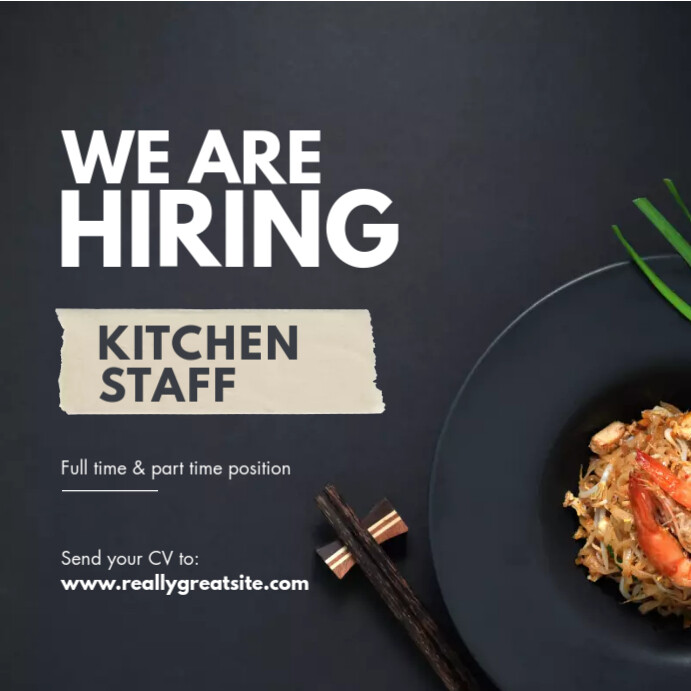
Image Source: d1csarkz8obe9u.cloudfront.net
Crafting the Perfect Kitchen Job Description
A great job description is your first impression and a critical tool for attracting the right talent. It needs to be clear, concise, and compelling.
Key Elements of a Winning Description
- Job Title: Be specific. Instead of “Cook,” try “Line Cook,” “Prep Cook,” or “Sous Chef.”
- Summary: A brief overview of the role and its importance to the kitchen.
- Responsibilities: List daily tasks and expectations clearly. Use action verbs.
- Qualifications: Detail required skills, experience, and any certifications.
- Desired Attributes: Include soft skills like teamwork, communication, and a positive attitude.
- Compensation & Benefits: Be transparent about salary range and perks.
- Company Culture: Briefly describe your restaurant’s atmosphere and values.
Example: Line Cook Job Description Snippet
Job Title: Line Cook
Summary: We are seeking a skilled and passionate Line Cook to join our dynamic culinary team. You will be responsible for preparing and executing dishes to our high standards, ensuring quality and consistency during busy service periods.
Responsibilities:
* Prepare ingredients for service (chopping vegetables, portioning meats, making sauces).
* Cook and present dishes according to recipes and presentation standards.
* Maintain a clean and organized workstation.
* Monitor food quality and temperature.
* Collaborate with the kitchen team to ensure smooth service.
Qualifications:
* Proven experience as a Line Cook or in a similar role.
* Knowledge of cooking techniques and best practices.
* Ability to work in a fast-paced environment.
* Strong attention to detail.
Sourcing Top Culinary Talent
Finding skilled individuals requires a multi-faceted approach. Don’t rely on just one method for culinary team recruitment.
Proven Sourcing Strategies
- Online Job Boards: Utilize general job sites (Indeed, LinkedIn) and specialized hospitality recruitment platforms.
- Social Media: Post openings on your restaurant’s social media pages and relevant industry groups.
- Referral Programs: Encourage your current staff to refer qualified candidates. Offer incentives for successful hires.
- Culinary Schools: Partner with local culinary schools to scout for promising talent.
- Kitchen Employment Agency: Consider working with a kitchen employment agency that specializes in the hospitality sector. They often have a pre-vetted pool of candidates.
- Networking: Attend industry events and connect with other food service professionals.
Table: Pros and Cons of Different Sourcing Methods
| Method | Pros | Cons | Best For |
|---|---|---|---|
| Online Job Boards | Wide reach, access to large candidate pool | High volume of applications, can be time-consuming | General hiring, entry-level to mid-level roles |
| Social Media | Cost-effective, builds brand awareness, targeted reach | Can attract unqualified applicants, requires consistent effort | Building a community, attracting younger talent, niche roles |
| Referral Programs | High-quality candidates, better retention rates | Relies on existing staff, potential for bias | Filling specialized roles, maintaining company culture |
| Culinary Schools | Fresh talent, eager to learn, foundational skills | May lack real-world experience, requires training | Entry-level positions, developing future leaders |
| Kitchen Employment Agency | Access to experienced professionals, pre-screening | Can be costly, less direct control over sourcing | Filling urgent or highly specialized roles (e.g., hiring chefs) |
| Networking | Builds relationships, uncovers hidden talent | Time-intensive, relies on existing network | Filling senior roles, finding unique skill sets |
The Art of Interviewing Restaurant Staff
Interviewing restaurant staff is more than just asking questions; it’s about assessing skills, personality, and cultural fit.
Effective Interview Techniques
- Behavioral Questions: Ask candidates to describe past situations and how they handled them. This reveals their actual behavior and problem-solving skills.
- “Tell me about a time you had to deal with a difficult customer. What did you do?”
- “Describe a situation where you made a mistake in the kitchen. How did you correct it?”
- Situational Questions: Present hypothetical scenarios to gauge their thought process and decision-making.
- “If we ran out of a key ingredient during service, what would you do?”
- “How would you handle a conflict with a coworker?”
- Skills-Based Questions: Test their knowledge and practical abilities.
- “What is the proper procedure for checking the temperature of cooked chicken?”
- “Can you describe the difference between a mirepoix and a soffritto?”
- Practical Skills Assessment: For hiring cooks, a practical test is invaluable. Have them prepare a simple dish or perform a specific task. This is the best way to assess their actual cooking ability.
- Cultural Fit Questions: Gauge how well they would integrate into your team.
- “What do you look for in a work environment?”
- “How do you contribute to a positive team atmosphere?”
Table: Common Interview Questions and What They Reveal
| Question | What it Reveals |
|---|---|
| “Why do you want to work here?” | Motivation, research, alignment with restaurant’s brand |
| “Describe your experience with [specific cuisine/technique].” | Technical skills, depth of knowledge |
| “How do you handle pressure during a busy service?” | Stress management, resilience, ability to perform under duress |
| “What is your approach to food safety and sanitation?” | Knowledge of hygiene standards, commitment to safety |
| “How do you stay updated on culinary trends?” | Passion for the industry, continuous learning |
| “What are your strengths and weaknesses as a cook?” | Self-awareness, honesty, areas for development |
| “What is your experience with inventory management/ordering?” | Cost control awareness, organizational skills (especially for chefs/supervisors) |
| “Describe a time you received constructive criticism. How did you respond?” | Coachability, willingness to learn and improve |
Assessing Technical Skills and Experience
Beyond personality, the technical prowess of your kitchen staff is paramount, especially when hiring chefs.
Evaluating Culinary Proficiency
- Trial Shifts: A common practice where candidates work a short, paid shift to demonstrate their skills in a real-time environment. This is crucial for assessing speed, accuracy, and teamwork.
- Recipe Tests: Ask candidates to prepare a specific dish from a recipe, evaluating their adherence to instructions and final product quality.
- Knife Skills Demonstration: A fundamental skill that can be easily tested.
- Sanitation Knowledge: Quiz them on proper food handling, storage, and cleaning procedures.
- Menu Knowledge: For more experienced roles, ask about their understanding of your current menu and their ability to contribute to menu development.
Table: Skills to Assess for Different Kitchen Roles
| Role | Essential Skills | Desirable Skills |
|---|---|---|
| Chef | Menu development, leadership, advanced cooking techniques, cost control, staff training, inventory management | Pastry skills, diverse cuisine knowledge, sommelier skills |
| Sous Chef | Assisting head chef, managing kitchen operations, expediting, quality control | Specific cuisine expertise, experience with scheduling |
| Line Cook | Specific station proficiency (sauté, grill, etc.), speed, consistency, knife skills | Ability to work multiple stations, understanding of flavor profiles |
| Prep Cook | Knife skills, speed in preparing ingredients, organization, food safety | Basic cooking knowledge, willingness to learn |
| Dishwasher | Efficiency, attention to detail, cleanliness, organization | Ability to assist with basic prep, positive attitude |
The Importance of Cultural Fit
A talented individual who doesn’t align with your restaurant’s culture can disrupt team harmony.
Fostering a Positive Kitchen Environment
- Teamwork: Does the candidate collaborate well with others?
- Attitude: Are they positive, resilient, and open to feedback?
- Work Ethic: Do they demonstrate commitment and a willingness to go the extra mile?
- Respect: Do they show respect for colleagues, management, and the establishment?
- Communication: Can they communicate clearly and effectively, especially under pressure?
When hiring cooks or any other kitchen staff, consider how their personality traits will contribute to the overall team dynamic. A kitchen employment agency might also help screen for cultural alignment.
Onboarding: Setting New Hires Up for Success
Hiring is only half the battle. Effective restaurant staff onboarding ensures your new hires integrate smoothly and become productive members of the team quickly.
Key Onboarding Components
- Welcome and Introduction: Make new staff feel welcome. Introduce them to the team and the kitchen layout.
- Paperwork and HR: Ensure all necessary forms are completed efficiently.
- Menu Familiarization: Provide detailed information about your menu, ingredients, and preparation methods.
- Station Training: Pair new hires with experienced staff for hands-on training at their designated stations.
- Safety and Sanitation Review: Reinforce all food safety, hygiene, and workplace safety protocols.
- Restaurant Culture Immersion: Discuss the restaurant’s values, mission, and customer service expectations.
- Feedback Mechanism: Establish regular check-ins during the initial weeks to provide feedback and address any concerns.
Table: Onboarding Checklist for Kitchen Staff
| Phase | Activities | Responsible Person |
|---|---|---|
| Pre-Start | Send welcome packet, confirm start time/date, prepare workstation | Hiring Manager |
| Day 1 | Welcome, introductions, HR paperwork, kitchen tour, initial menu overview | Hiring Manager |
| Week 1 | Station-specific training, shadowing experienced staff, safety reviews | Chef/Supervisor |
| First Month | Performance feedback, menu deep dive, integration into team routines | Chef/Supervisor |
| Ongoing (3-6 Months) | Skill development, performance reviews, career path discussions | Hiring Manager |
Kitchen Staff Training: Continuous Improvement
Initial training is just the beginning. Ongoing kitchen staff training is vital for skill development, maintaining standards, and keeping your team engaged.
Strategies for Effective Training
- Cross-Training: Train staff on multiple stations to increase flexibility and efficiency.
- Specialty Workshops: Conduct sessions on specific techniques, cuisines, or new menu items.
- Mentorship Programs: Pair junior staff with senior team members for guidance and skill transfer.
- Feedback and Coaching: Provide regular, constructive feedback to help staff improve.
- Guest Speaker Sessions: Invite industry professionals or suppliers to share their expertise.
- Online Resources: Utilize online courses or videos for theoretical knowledge.
When hiring cooks, consider their potential for growth and your ability to provide ongoing training.
Working with a Kitchen Employment Agency
For restaurants struggling to find the right talent, a kitchen employment agency can be a valuable partner.
Benefits of Using an Agency
- Access to a Wider Talent Pool: Agencies often have pre-screened candidates who may not be actively seeking jobs.
- Time Savings: They handle the initial screening, interviewing, and background checks, saving you valuable time.
- Expertise: Specialized agencies understand the nuances of hospitality recruitment and can identify candidates with specific skills and experience.
- Reduced Risk: Many agencies offer guarantees or replacement policies if a hire doesn’t work out.
- Specialized Roles: They are particularly effective for hiring chefs or filling hard-to-find positions.
When considering a kitchen employment agency, inquire about their screening process and their track record in the restaurant hiring sector.
Retaining Your Kitchen Talent
Hiring is an investment. Retention ensures you get a return on that investment.
Strategies for Keeping Your Best Staff
- Competitive Compensation: Ensure your pay rates are in line with industry standards.
- Positive Work Environment: Foster a respectful, supportive, and team-oriented atmosphere.
- Opportunities for Growth: Provide clear career paths and opportunities for advancement.
- Recognition and Appreciation: Acknowledge and reward good performance.
- Work-Life Balance: While kitchens are demanding, strive to offer predictable schedules and manage overtime effectively.
- Continuous Training: Invest in their development through ongoing kitchen staff training.
A strong culinary team recruitment strategy is only effective if you can retain the talent you attract.
Frequently Asked Questions (FAQ)
Q1: How much should I pay kitchen staff?
A1: Pay rates vary significantly based on location, experience, and the specific role. Research industry benchmarks in your area. For hiring cooks, entry-level pay might be minimum wage, while experienced hiring chefs can command much higher salaries. A kitchen employment agency can provide current market insights.
Q2: What are the most common mistakes when hiring kitchen staff?
A2: Common mistakes include poor job descriptions, insufficient screening, overlooking cultural fit, inadequate restaurant staff onboarding, and neglecting kitchen staff training. Rushing the process to fill a vacancy is also a frequent error.
Q3: How long should a trial shift be?
A3: Trial shifts typically range from 3 to 6 hours. They should be long enough to assess skills and work ethic but not so long that it becomes exploitative. Ensure the candidate is compensated for their time.
Q4: Can I hire kitchen staff without formal culinary training?
A4: Yes, absolutely. While formal training is beneficial, practical experience, a strong work ethic, and a willingness to learn are often more important, especially for roles like prep cooks or line cooks. For hiring chefs, formal training and extensive experience are usually required.
Q5: What’s the difference between hiring a chef and hiring a cook?
A5: Hiring chefs typically involves seeking individuals with leadership experience, menu development skills, financial acumen (cost control, inventory), and the ability to manage a kitchen team. Hiring cooks focuses more on specific cooking skills, speed, consistency, and execution of existing recipes.
Q6: How can a kitchen employment agency help my restaurant?
A6: A kitchen employment agency can streamline your restaurant hiring process by sourcing, screening, and presenting qualified candidates. They are particularly useful when hiring chefs or filling specialized roles, saving you time and resources while improving the quality of hires. They also have expertise in hospitality recruitment best practices.