
Changing your kitchen countertops can significantly update your kitchen’s look and feel, but the cost can vary widely. The average cost to change kitchen countertops ranges from $2,000 to $4,500, with most homeowners spending between $1,500 and $7,000. This price depends heavily on the material chosen, the size of your kitchen, and whether you handle any of the work yourself.
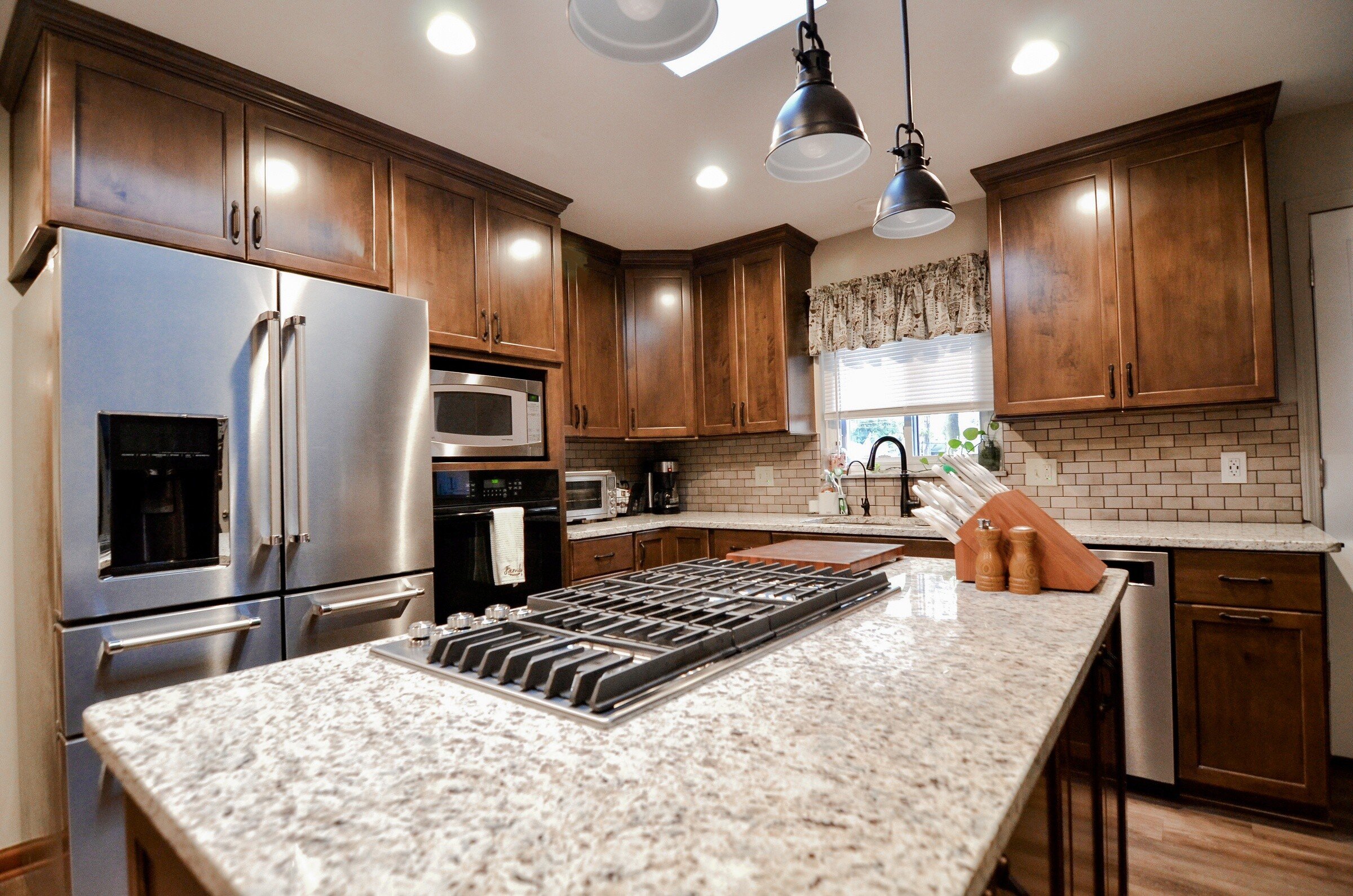
Image Source: www.jsbhomesolutions.com
Deciphering the Costs of a Kitchen Countertop Makeover
Revamping your kitchen countertops is a popular way to boost your home’s aesthetic appeal and functionality. The kitchen remodel budget for countertops needs careful consideration, as this is often one of the most impactful upgrades. Let’s break down what influences the overall kitchen countertop replacement cost.
Key Factors Driving Countertop Prices
Several elements contribute to the final bill for new kitchen countertops:
- Material Choice: This is the biggest driver of cost. From budget-friendly laminates to luxurious natural stones, the price per square foot varies dramatically.
- Square Footage: The larger your kitchen, the more material you’ll need, increasing the overall expense.
- Edge Profiles: Simple, straight edges are standard, but decorative edges like bullnose, ogee, or chiseled can add to the cost.
- Cutouts: For sinks, cooktops, or special fixtures, precise cutouts are necessary, and these can incur extra charges.
- Seams: The layout of your kitchen might require seams, and the number and placement of these can affect labor costs.
- Fabrication and Installation: This includes the templating, cutting, polishing, and fitting of your new countertops. Professional installation is crucial for a seamless finish.
- Removal of Old Countertops: Some installers include this in their quote, while others charge extra.
- Underlayment and Support: Depending on the new material, you might need reinforced cabinets or special underlayment, adding to the expense.
- Location: Labor rates and material availability can differ by region, influencing prices.
Exploring Popular Countertop Materials and Their Prices
The world of kitchen countertops offers a dazzling array of options, each with its own pros, cons, and price tag. Here’s a look at some of the best countertop materials cost wise.
Laminate Countertops: The Budget-Friendly Choice
Laminate countertops are a popular choice for those on a tight budget. They are made from layers of paper or fabric bonded together with resin and then fused to a particleboard or plywood core. The top layer is a decorative print, often mimicking the look of stone or wood.
Pros of Laminate:
- Affordability: This is the most budget-friendly option.
- Variety: Available in a vast range of colors, patterns, and textures.
- Low Maintenance: Easy to clean with soap and water.
- Lightweight: Easier to transport and install.
Cons of Laminate:
- Durability: Prone to scratches, chips, and heat damage.
- Water Resistance: Can swell or delaminate if water seeps into seams or edges.
- Repairability: Difficult to repair if damaged.
Laminate Countertop Prices:
You can expect laminate countertop prices to range from $10 to $50 per square foot, installed. For a standard 30-square-foot kitchen, this means an installed cost of approximately $300 to $1,500.
Granite Countertops: Timeless Natural Beauty
Granite is a natural stone quarried from the earth, known for its durability, unique patterns, and elegant appearance. Each slab is one-of-a-kind, offering a distinct look for your kitchen.
Pros of Granite:
- Durability: Highly resistant to scratches, heat, and stains (when properly sealed).
- Beauty: Offers a luxurious, natural aesthetic with a wide variety of colors and patterns.
- Increased Home Value: Can add significant resale value to your home.
- Low Maintenance: Requires periodic sealing (every 1-3 years).
Cons of Granite:
- Porous: Can absorb liquids if not sealed properly, leading to stains.
- Cost: Can be more expensive than laminate or solid surface.
- Weight: Requires reinforced cabinets due to its heavy nature.
- Seams: Natural stone slabs have limits, meaning seams may be necessary in larger kitchens.
Granite Countertop Installation Price:
The granite countertop installation price typically ranges from $40 to $100 per square foot, installed. For a 30-square-foot kitchen, this could be anywhere from $1,200 to $3,000. Exotic granites or those with intricate edge details can push the cost higher.
Quartz Countertops: Engineered for Performance
Quartz countertops are engineered stone products made from approximately 90-95% ground natural quartz mixed with polymers and pigments. This combination creates a durable, non-porous surface that’s virtually maintenance-free.
Pros of Quartz:
- Non-Porous: Highly resistant to stains, bacteria, and mold.
- Durability: Extremely hard and resistant to scratches and chips.
- Low Maintenance: Does not require sealing.
- Consistency: Offers a uniform color and pattern, unlike natural stone.
- Variety: Available in a wide range of colors and patterns, including those that mimic natural stone.
Cons of Quartz:
- Heat Sensitivity: Prolonged exposure to high heat can cause discoloration or damage.
- Seams: Like granite, seams can be visible, especially in complex layouts.
- Cost: Can be more expensive than granite.
- UV Sensitivity: Some lighter colors can fade if exposed to direct sunlight over time.
Quartz Countertop Cost Per Square Foot:
The quartz countertop cost per square foot generally falls between $50 and $150, installed. For a 30-square-foot kitchen, expect to pay between $1,500 and $4,500. Premium brands or intricate patterns might increase this.
Marble Countertops: Classic Elegance and Luxury
Marble is a natural metamorphic rock known for its distinctive veining, classic beauty, and luxurious feel. It’s a statement material that can elevate any kitchen design.
Pros of Marble:
- Aesthetics: Offers unparalleled elegance and sophistication with unique veining patterns.
- Cool Surface: Ideal for baking as it stays naturally cool.
- Resale Value: Can significantly increase your home’s value.
Cons of Marble:
- Porosity: Very porous and prone to staining from acidic foods and liquids like wine, citrus, and vinegar.
- Scratching and Etching: Easily scratches and can etch from acidic substances, leaving dull marks.
- Maintenance: Requires frequent sealing and careful cleaning.
- Cost: One of the most expensive countertop materials.
Marble Countertop Replacement Cost:
The marble countertop replacement cost can range from $75 to $200+ per square foot, installed. For a 30-square-foot kitchen, this could mean an investment of $2,250 to $6,000 or more.
Butcher Block Countertops: Warmth and Natural Charm
Butcher block countertops are made from solid wood, typically maple, oak, or walnut, joined together in planks. They offer a warm, inviting, and natural look.
Pros of Butcher Block:
- Aesthetics: Provides a warm, natural, and rustic feel.
- Work Surface: Can be used as a cutting surface (though it will show knife marks).
- Repairable: Minor scratches and dents can be sanded out and refinished.
- Cost-Effective: Generally more affordable than natural stone.
Cons of Butcher Block:
- Maintenance: Requires regular oiling or sealing to prevent drying, cracking, and staining.
- Water Sensitivity: Can warp or stain if left wet.
- Heat Sensitivity: Not ideal for placing hot pots directly on the surface.
- Durability: Susceptible to knife marks, dents, and scratches.
Butcher Block Countertop Cost:
The butcher block countertop cost typically ranges from $40 to $100 per square foot, installed. For a 30-square-foot kitchen, this would be around $1,200 to $3,000. The type of wood significantly impacts the price.
Other Popular Materials:
- Solid Surface (e.g., Corian): Ranges from $40 to $100 per square foot, installed. Seamless, non-porous, and easy to repair, but can scratch and scorch.
- Granite Composite (e.g., Silestone, Caesarstone): Similar to quartz in price and performance, typically $50 to $150 per square foot, installed. Offers durability and a wide range of colors.
- Stainless Steel: Ranges from $60 to $120 per square foot, installed. Modern, hygienic, and heat-resistant, but can scratch and show fingerprints.
- Soapstone: Ranges from $70 to $150 per square foot, installed. Non-porous, naturally antibacterial, and develops a beautiful patina over time, but is softer and can chip.
- Concrete: Ranges from $75 to $150 per square foot, installed. Highly customizable but requires regular sealing and can crack.
The Cost of Cabinetry: An Important Consideration
While focusing on countertops, it’s essential to remember that your cabinets play a vital role in the overall kitchen remodel budget. If your cabinets are old or not in good condition, you might also need to factor in the cost of refacing kitchen cabinets or even full cabinet replacement.
- Cabinet Refacing: This involves covering your existing cabinet boxes with a new veneer or laminate and replacing the doors and drawer fronts. It’s generally less expensive than full replacement. Costs can range from $4,000 to $9,000 for an average-sized kitchen.
- Cabinet Replacement: This is the most expensive option, involving the complete removal and replacement of your existing cabinets. Prices can start at $10,000 and go up to $30,000 or more, depending on the quality of the cabinets and the size of the kitchen.
If your new countertops are significantly heavier (like granite or quartz) than your old ones, you may need to reinforce your existing cabinetry, which can add to the overall cost.
The DIY Factor: Can You Save Money?
For the more hands-on homeowner, tackling some aspects of the countertop replacement yourself can lead to significant savings. This is often referred to as DIY kitchen countertop installation cost.
What You Can Potentially DIY:
- Removal of Old Countertops: This can be a physically demanding job, but if you’re strong and careful, you can remove old countertops without damaging your cabinets.
- Cabinet Preparation: Ensuring your cabinets are level and sturdy enough for the new material.
- Measuring and Templating: Some companies allow you to measure your own kitchen, though they may still send a professional to create precise templates for fabrication.
What You Should Generally Leave to Professionals:
- Fabrication: Cutting natural stone or quartz requires specialized tools and expertise to achieve clean, precise edges and cutouts.
- Installation: Proper installation is critical for a seamless look, ensuring level surfaces, secure fitting, and proper sealing of seams. Mistakes here can be costly to fix.
Estimated DIY Savings:
By removing old countertops yourself, you might save $100 to $500, depending on the complexity and material of the old countertops. If you opt for pre-fabricated countertops that require minimal fitting (less common for stone or quartz), you could potentially save on installation labor, but this is a risky approach for most homeowners.
The DIY kitchen countertop installation cost is hard to pin down precisely because it depends on what you choose to do. If you only remove the old tops, your savings are minimal. If you attempt to install yourself, you risk costly errors that will likely exceed the savings.
Budgeting for Your Kitchen Countertop Project
Creating a realistic budget is essential for a successful kitchen countertop upgrade. Here’s how to approach it:
Estimating Your Total Project Cost
A good rule of thumb is to allocate 10-20% of your total kitchen remodel budget to countertops.
Example Budget Breakdown for a $20,000 Kitchen Remodel:
* Countertops (15%): $3,000
* This $3,000 would need to cover:
* Material cost per square foot
* Fabrication
* Installation
* Sink cutouts
* Edge profiling
* Removal of old countertops
* Potential minor cabinet reinforcement
Managing Costs and Finding Value
- Shop Around: Get quotes from multiple suppliers and installers. Prices can vary significantly.
- Consider Material Grades: Within each material type (e.g., granite), there are different grades. Lower grades may have more common patterns and fewer desirable features, but can be more affordable.
- Look for Remnants: If you have a small kitchen or need countertops for an island, you might be able to use remnants (smaller pieces of stone left over from larger projects) at a reduced cost.
- Factor in the Long Term: While upfront cost is important, consider the longevity and maintenance needs of a material. A slightly more expensive material that lasts longer and requires less upkeep might be more cost-effective over time.
Frequently Asked Questions About Changing Kitchen Countertops
What is the average kitchen countertop replacement cost?
The average kitchen countertop replacement cost typically falls between $2,000 and $4,500. However, this can range from as little as $300 for laminate to over $6,000 for high-end marble or custom designs.
How much does granite countertop installation price?
The granite countertop installation price generally ranges from $40 to $100 per square foot, inclusive of fabrication and installation. This means for a typical 30-square-foot kitchen, you’re looking at approximately $1,200 to $3,000.
What is the quartz countertop cost per square foot?
The quartz countertop cost per square foot is usually between $50 and $150, installed. For a standard kitchen, this translates to an installed price of roughly $1,500 to $4,500.
What are laminate countertop prices?
Laminate countertop prices are the most budget-friendly, typically costing $10 to $50 per square foot when installed. A 30-square-foot kitchen might cost between $300 and $1,500.
How much does a butcher block countertop cost?
The butcher block countertop cost ranges from $40 to $100 per square foot, installed. For a typical kitchen, expect to spend between $1,200 and $3,000, depending on the wood species.
What is the marble countertop replacement cost?
The marble countertop replacement cost is on the higher end, usually from $75 to $200+ per square foot installed. For a standard kitchen, this can amount to $2,250 to $6,000 or more.
Can I save money with DIY kitchen countertop installation cost?
You can save money by doing some tasks yourself, like removing old countertops. However, professional fabrication and installation are generally recommended for stone and quartz to ensure quality and avoid costly mistakes. The DIY kitchen countertop installation cost savings are often limited to labor if you can prove your skills, but the risk is high.
What is the cost of refacing kitchen cabinets?
The cost of refacing kitchen cabinets typically ranges from $4,000 to $9,000 for an average kitchen. This is a good option if your cabinet boxes are in good condition but you want a new look.
How do I create a kitchen remodel budget for countertops?
To create a kitchen remodel budget for countertops, first determine your total kitchen remodel budget. Then, allocate 10-20% of that for countertops. Research material costs, fabrication, installation, and any extra features like edge profiles or sink cutouts. Always add a contingency of 10-15% for unexpected expenses.
What are the best countertop materials cost-wise?
The “best” material depends on your priorities. For budget-friendliness, laminate is excellent. For a balance of cost, durability, and beauty, granite and quartz are often considered the best countertop materials cost. Butcher block offers natural warmth at a moderate price.
How long does it take to change kitchen countertops?
The entire process, from ordering to installation, can take anywhere from 2 to 8 weeks. This includes time for measurement, fabrication, and scheduling the installation. The actual installation typically takes 1-3 days.
Do I need to reinforce my cabinets for new countertops?
If you are switching from a lightweight material like laminate to a heavy natural stone like granite or marble, you will likely need to reinforce your cabinets to support the extra weight. Your installer will advise you on this.
Is sealing granite countertops necessary?
Yes, sealing granite countertops is crucial. Even though granite is hard, it is porous. Sealing protects it from stains and etching. You’ll need to reseal it periodically, usually every 1-3 years, depending on the sealant and usage.
Can I install a drop-in sink with new countertops?
Yes, you can install a drop-in sink with most countertop materials. However, if you are opting for an undermount sink, which is mounted beneath the countertop, professional installation is highly recommended for a clean and seamless look.
By carefully considering these factors and getting multiple quotes, you can confidently navigate the process of changing your kitchen countertops and achieve the beautiful, functional kitchen you desire.