
Can you use soap on a granite composite sink? Yes, you can use mild dish soap on your granite composite sink.
A granite composite sink brings beauty and durability to your kitchen. These sinks are made from a blend of granite particles and acrylic resins. This combination gives them a stone-like appearance but also makes them highly resistant to chips, scratches, and heat. However, like any kitchen fixture, they need regular cleaning and care to maintain their shine. Knowing the best way to clean a granite sink is crucial for its longevity and pristine look. This guide will walk you through effective granite composite sink cleaning, how to remove stains from granite composite sink, and essential granite composite sink maintenance.
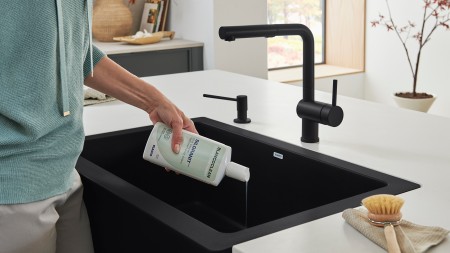
Image Source: cdn.blanco.com
Daily Cleaning for a Pristine Sink
Regular cleaning is the foundation of good granite composite sink care. It prevents food particles and soap scum from building up, which can dull the finish over time.
Your Daily Cleaning Arsenal
Gather these simple items before you begin:
- Soft Dish Soap: A mild dish soap is your best friend for daily cleaning. Avoid harsh detergents.
- Soft Cloth or Sponge: Microfiber cloths are ideal. Avoid abrasive scrubbers that can scratch the surface.
- Warm Water: The perfect temperature for dissolving grease and grime.
The Step-by-Step Daily Routine
Follow these easy steps for a sparkling sink every day:
- Rinse Away Debris: After each use, rinse your sink thoroughly with warm water to remove any leftover food scraps or liquids.
- Gentle Wash: Apply a small amount of mild dish soap to a damp soft cloth or sponge.
- Wipe Down: Gently wipe down the entire sink basin, including the sides and bottom. Pay attention to areas where water tends to pool.
- Rinse Again: Rinse the sink completely with warm water, ensuring no soap residue remains.
- Dry It Off: This is a key step often overlooked! Use a clean, dry microfiber cloth to wipe the sink dry. This prevents water spots from forming and keeps your sink looking its best.
This simple routine takes just a few minutes but makes a huge difference in maintaining the appearance of your granite composite sink.
Tackling Tougher Grime and Stains
Sometimes, daily cleaning isn’t enough. You might encounter dried-on food, soap scum, or even harder water stains. This is where a more targeted approach comes in.
Effective Granite Composite Sink Cleaning Methods
When you need to go beyond the daily wash, here are some effective methods:
Method 1: Baking Soda Paste
Baking soda is a fantastic, natural cleaner that is gentle yet effective for granite composite sinks.
What you’ll need:
- Baking soda
- Water
- Soft cloth or sponge
How to do it:
- Make the Paste: Mix baking soda with just enough water to form a thick paste, similar to toothpaste.
- Apply the Paste: Spread the paste over any stained or grimy areas of the sink.
- Let it Sit: Allow the paste to sit on the stains for about 10-15 minutes. For stubborn stains, you can let it sit a little longer.
- Gently Scrub: Use a soft cloth or sponge to gently scrub the area in a circular motion.
- Rinse Thoroughly: Rinse the sink completely with warm water.
- Dry: Pat the sink dry with a clean cloth.
This method is excellent for how to remove stains from granite composite sink, especially those caused by food or general kitchen grime.
Method 2: Vinegar Solution (Use with Caution)
White vinegar is a natural disinfectant and can help break down mineral deposits and soap scum. However, it’s acidic, so it’s important to use it sparingly and rinse thoroughly.
What you’ll need:
- White vinegar
- Water
- Spray bottle
- Soft cloth
How to do it:
- Dilute the Vinegar: Mix equal parts white vinegar and water in a spray bottle.
- Spray the Sink: Lightly spray the solution onto the sink surface, focusing on stained areas.
- Let it Dwell (Briefly): Allow the solution to sit for no more than 5-10 minutes. Do not let it sit for extended periods as the acid can damage the resin over time.
- Wipe and Rinse: Wipe the sink with a soft, damp cloth. Then, rinse the sink thoroughly with plenty of clean water to remove all traces of vinegar.
- Dry: Dry the sink immediately with a microfiber cloth.
Vinegar is a great option for tackling buildup, but always remember the “dilute and rinse well” rule for granite composite sink cleaning.
Method 3: Specialized Granite Composite Cleaners
There are many commercial cleaners specifically designed for granite composite sinks. When choosing one, look for products labeled as “non-abrasive” and safe for composite materials.
What to look for:
- Non-abrasive formula: This is crucial to prevent scratching.
- pH-neutral or slightly alkaline: Harsh chemicals can damage the resin binder.
- Good reviews: Check what other users say about their effectiveness.
How to use:
Always follow the manufacturer’s instructions carefully. Typically, you’ll spray the cleaner, let it sit for a short period, scrub gently with a soft cloth, and rinse thoroughly.
Deep Cleaning for Ultimate Shine
Once in a while, your granite composite sink might need a more intensive clean to bring back its original luster. This is where granite sink cleaning tips for a deeper clean come in handy.
Revitalizing Your Sink
These methods can help restore the vibrancy of your sink.
Method 4: Mild Bleach Solution (For Stubborn Stains)
For very stubborn organic stains, like tea or coffee rings, a diluted bleach solution can be effective. Use this method sparingly and with extreme caution.
What you’ll need:
- Household bleach
- Water
- Soft cloth or sponge
- Gloves
How to do it:
- Ventilate: Ensure your kitchen is well-ventilated.
- Dilute Bleach: Mix 1 part bleach with 10 parts water.
- Apply Carefully: Dampen a soft cloth or sponge with the diluted bleach solution. Do not pour bleach directly into the sink.
- Target Stains: Gently dab the solution onto the stained areas. Do not scrub vigorously.
- Short Dwell Time: Let it sit for no more than 5 minutes.
- Rinse Extensively: Rinse the sink thoroughly with copious amounts of clean water. Ensure no bleach residue remains.
- Neutralize (Optional but Recommended): You can wipe the sink down with a diluted vinegar solution (1:10 vinegar to water) after rinsing to neutralize any remaining bleach.
- Rinse Again: Rinse thoroughly with water.
- Dry: Dry the sink completely with a microfiber cloth.
Important Note: Never mix bleach with other cleaners, especially ammonia or vinegar, as this can create toxic fumes. Always wear gloves and ensure good ventilation. This is a last resort for challenging stains.
Method 5: Oil for a Lustrous Finish
After a good cleaning, a little oil can help restore the depth of color and provide a protective sheen. This is part of how to polish granite composite sink.
What you’ll need:
- Mineral oil (food-grade) or a specialized granite polish
- Soft, lint-free cloth
How to do it:
- Ensure Sink is Dry: Make sure your sink is completely dry after cleaning.
- Apply Oil: Put a few drops of mineral oil or granite polish onto a clean, soft cloth.
- Polish: Rub the oil or polish into the sink surface in a circular motion, covering the entire basin.
- Buff: Use a clean section of the cloth or a second dry cloth to buff the sink to a shine.
This simple step not only makes your sink look fantastic but also helps repel water and prevent future staining, contributing to good granite composite sink maintenance.
What Not to Do: Avoiding Damage
Just as important as knowing what to use is knowing what to avoid when cleaning your granite composite sink. Protecting the surface is key to its longevity.
Common Mistakes to Avoid
Steer clear of these cleaning pitfalls:
- Abrasive Cleaners: Never use scouring pads, steel wool, or abrasive powders like Comet. These will scratch the surface, dulling its finish.
- Harsh Chemicals: Avoid ammonia, strong acids (unless highly diluted and used briefly as described for vinegar), oven cleaners, or drain cleaners. These can break down the acrylic resin binder.
- Leaving Wet Sponges or Mats: Don’t leave damp sponges, cleaning pads, or rubber mats in the sink for extended periods. Trapped moisture can lead to discoloration or etching over time.
- Cutting Directly in the Sink: While granite composite is durable, using knives directly on the sink surface can still cause micro-scratches that can dull the finish and trap dirt. Always use a cutting board.
- Excessive Heat: While composite sinks are heat-resistant, avoid placing extremely hot pots or pans directly from the oven or stovetop into the sink. Thermal shock can potentially damage the material. Use a trivet or cooling rack.
By understanding these precautions, you ensure your granite composite sink stays beautiful and functional for years to come.
Addressing Specific Issues
Let’s delve into how to handle common problems that might arise with your granite composite sink.
Hard Water Stains and Mineral Deposits
Hard water can leave unsightly white or cloudy marks.
- Natural Granite Composite Sink Cleaner: A paste of baking soda and water is excellent for gently scrubbing these away.
- Vinegar Solution: As mentioned earlier, a diluted vinegar solution can dissolve mineral buildup. Always rinse thoroughly.
- Lemon Juice: For lighter deposits, the acid in lemon juice can also help. Rub half a lemon on the affected area, let it sit for a few minutes, then rinse and dry.
Grease and Oil Buildup
Persistent grease can make your sink look dull.
- Warm Water and Dish Soap: This is usually sufficient for daily grease.
- Baking Soda Paste: For tougher grease, the abrasive action of baking soda can help lift it.
Discoloration
If you notice faint discoloration, it might be from food dyes or mineral deposits.
- Baking Soda Paste: Try a baking soda paste.
- Diluted Bleach: For persistent organic stains, a very diluted bleach solution (1:10 bleach to water) can be used cautiously, followed by thorough rinsing and drying.
Long-Term Granite Composite Sink Maintenance
Consistent maintenance ensures your sink remains a highlight of your kitchen.
Proactive Care Strategies
- Wipe Dry After Use: This simple habit prevents water spots and mineral buildup, a cornerstone of granite composite sink maintenance.
- Use a Sink Grid or Mat: A protective sink grid or mat can prevent scratches from pots, pans, and utensils. Ensure it allows water to drain freely underneath.
- Clean Spills Promptly: Especially acidic substances like lemon juice or tomato sauce, wipe them up as soon as possible to prevent etching.
- Inspect Regularly: Take a moment to check your sink for any developing issues or areas that might need extra attention.
These practices contribute significantly to the overall health and appearance of your granite composite sink.
Summarizing the Best Way to Clean Granite Sink
The best way to clean a granite composite sink is through a combination of daily care and targeted cleaning when needed.
Key Takeaways for Effective Granite Composite Sink Cleaning:
- Daily: Rinse and dry the sink after each use. A quick wipe with mild dish soap and water is beneficial.
- Weekly/As Needed: Use a baking soda paste for deeper cleaning or stain removal.
- Occasional: A diluted vinegar solution can tackle mineral deposits, but rinse thoroughly. For tough stains, consider a diluted bleach solution with extreme caution and ventilation.
- Finishing Touch: Polish with mineral oil or granite polish periodically to restore shine and protection.
- Avoid: Abrasives, harsh chemicals, and prolonged exposure to moisture or extreme heat.
By following these granite sink cleaning tips, you can easily and safely keep your granite composite kitchen sink looking sparkling and new.
Frequently Asked Questions About Cleaning Granite Composite Sinks
Q1: Can I use abrasive cleaners on my granite composite sink?
A1: No, it is strongly advised against using abrasive cleaners, scouring pads, steel wool, or abrasive powders like Comet. These can scratch the surface and dull the finish. Stick to soft cloths or sponges.
Q2: What is the best natural cleaner for granite composite sinks?
A2: Baking soda is considered one of the best natural cleaners. Mixed with water to form a paste, it’s effective for removing stains and general grime without damaging the surface. Lemon juice can also be used for mild stains due to its natural acidity.
Q3: How do I remove hard water stains from my granite composite sink?
A3: For hard water stains, try a paste of baking soda and water and gently scrub. If that doesn’t work, a diluted white vinegar solution (equal parts vinegar and water) can be applied for a few minutes, followed by thorough rinsing and drying.
Q4: Can I put hot pots directly into the sink?
A4: While granite composite sinks are heat-resistant, it’s best to avoid extreme temperature changes. Do not place extremely hot pots or pans directly from the oven or stovetop into the sink. Use a trivet or allow them to cool slightly first to prevent thermal shock.
Q5: How often should I polish my granite composite sink?
A5: You don’t need to polish your sink daily. Once every few months, or whenever you feel the sink is looking a bit dull, a light polish with mineral oil or a dedicated granite polish can help restore its luster and provide a protective layer. This is a great part of granite composite sink maintenance.
Q6: Is it safe to use bleach on my granite composite sink?
A6: You can use bleach for very stubborn organic stains, but it must be heavily diluted (1 part bleach to 10 parts water) and used sparingly. Apply with a cloth, let it sit for no more than 5 minutes, and rinse the sink thoroughly. Always ensure good ventilation and wear gloves. Never mix bleach with other cleaners.
Q7: My sink looks dull. How can I restore its shine?
A7: To restore shine, ensure the sink is thoroughly cleaned and dried. Then, apply a small amount of mineral oil or a granite polish to a soft cloth and buff it into the surface. This enhances the color depth and provides a glossy finish. This is an excellent step for how to polish granite composite sink.