
A kitchen counter is typically 36 inches (91.4 cm) high from the floor to the top surface. This standard height is designed to be comfortable for most adults performing common kitchen tasks.
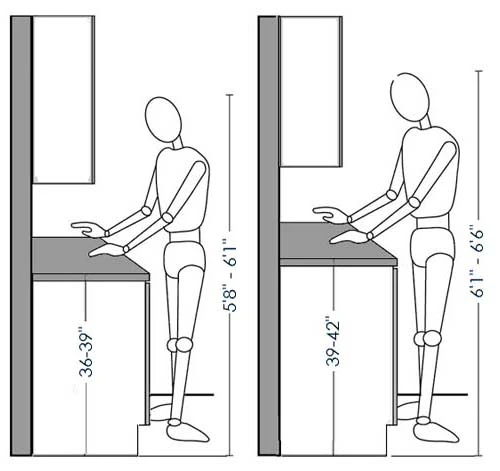
Image Source: www.regattaexports.com
Deciphering the Ideal Kitchen Counter Height
The kitchen counter height is a fundamental aspect of kitchen design, directly impacting usability, comfort, and even safety. While 36 inches (91.4 cm) is the most common, the “perfect” height can vary based on individual needs and preferences. Let’s delve into why this standard exists and explore the factors that might lead to adjustments.
The Evolution of Kitchen Work Surfaces
Historically, kitchens weren’t always designed with standardized heights. Early kitchens often featured work surfaces at varying levels, influenced by the available materials and the specific tasks performed. As kitchens evolved from purely functional spaces to central hubs of the home, so did the consideration for ergonomics and user comfort. The mid-20th century saw a greater emphasis on standardized measurements in home construction, leading to the widespread adoption of the 36-inch (91.4 cm) countertop height inches. This standardization aimed to create a consistent and predictable workspace for a majority of the population.
The Ergonomic Advantage of Standard Height
The typical kitchen counter height of 36 inches (91.4 cm) is rooted in ergonomics, the science of designing for efficiency and comfort. This height generally allows most adults to stand and perform tasks like chopping vegetables, mixing ingredients, or washing dishes without excessive bending or reaching.
- Reduced Strain: A counter that is too low forces users to hunch over, leading to back and neck strain. Conversely, a counter that is too high can cause shoulder and arm fatigue. The 36-inch standard strikes a balance for a wide range of users.
- Optimal Reach: This height also facilitates an optimal reach for commonly used tools and appliances stored within upper cabinets or on the countertop itself.
- Efficiency in Motion: When working at the right height, the natural flow of movement is more efficient, allowing for smoother transitions between tasks.
Exploring Different Counter Heights and Their Uses
While 36 inches is the norm, you’ll encounter other common kitchen counter height variations, each serving a specific purpose.
Standard Kitchen Counter Height Inches and Centimeters
| Height (Inches) | Height (CM) | Primary Use |
|---|---|---|
| 36 | 91.4 | Main kitchen workspace, prep areas, sink areas |
| 30-32 | 76.2-81.3 | Standard dining table height, some desk heights |
| 42 | 106.7 | Bar height counter, breakfast bar seating |
| 48 | 121.9 | Very high counters, often for specific commercial use or unique design |
The Importance of Countertop Depth
Beyond height, standard counter depth is another crucial measurement. Typically, kitchen countertops have a standard counter depth of 24 inches (61 cm). This measurement refers to the distance from the front edge of the counter to the wall.
- Adequate Workspace: This depth provides sufficient space for placing appliances, cutting boards, and ingredients, allowing for comfortable food preparation.
- Cabinet Integration: Standard base cabinets are usually 24 inches deep, and the countertop extends slightly beyond them to create an overhang, usually around 1.5 inches. This overhang allows for easier opening of cabinet doors and drawers.
- Ergonomic Reach: The combination of counter height and depth ensures that most users can comfortably reach the back of the countertop without overextending.
Customizing for Ergonomics: Tailoring Your Counter Height
While the standard is a good starting point, personalizing your kitchen work surface height can significantly enhance your cooking experience.
Calculating Your Ideal Countertop Height
For a truly ergonomic setup, you can determine your ideal countertop height inches by considering your own body.
- Elbow Measurement: Stand upright with your feet flat on the floor. Bend your elbows to a 90-degree angle. Have someone measure from your elbow to the floor.
- Subtract for Comfort: Subtract approximately 3-6 inches (7.6-15.2 cm) from this measurement. This will give you a rough estimate for your ideal kitchen work surface height for tasks like chopping. For instance, if your elbow to floor measurement is 42 inches, a counter height of 36-39 inches might be more comfortable for prep work.
- Task-Specific Adjustments: Consider the primary tasks you perform. If you spend a lot of time kneading dough, a slightly lower counter might be beneficial. If you frequently use stand mixers or other countertop appliances, the standard height often works well.
Who Benefits from Custom Heights?
- People of Varying Heights: Taller individuals may find a slightly higher counter more comfortable, while shorter individuals might prefer a lower one to avoid reaching or bending.
- Individuals with Physical Limitations: For those with back pain, arthritis, or other mobility issues, a custom ergonomic kitchen counter height can make a world of difference in their ability to use the kitchen independently and comfortably.
- Specific Culinary Enthusiasts: Bakers who spend hours kneading dough might opt for a slightly lower section of their counter, while those who prefer to work standing up with large appliances might appreciate a standard or slightly higher setup.
The Rise of the Bar Height Counter
A bar height counter is a popular feature in many modern kitchens. These counters are typically 42 inches (106.7 cm) high, making them ideal for casual dining and socializing.
- Seating Arrangement: A bar height counter is designed to be paired with bar stools that are typically 28-30 inches high. This creates a comfortable dining or gathering spot that is elevated from the main kitchen workspace.
- Zone Definition: They effectively divide kitchen spaces and can serve as a visual separation between the cooking area and a living or dining room.
- Additional Workspace: While primarily for seating, a bar height counter can also offer additional prep space or a serving area during gatherings.
Considering Accessibility and Inclusive Design
When designing or renovating a kitchen, accessible kitchen counter height is a crucial consideration for creating a truly functional space for everyone. The goal of universal design is to make spaces usable by people of all abilities.
Features of Accessible Kitchen Design
- Lowered Counter Sections: Incorporating sections of countertop at a lower height, often around 30-34 inches (76.2-86.4 cm), can make it easier for wheelchair users or those who prefer to sit while working.
- Knee Space: Ensuring adequate knee space under lowered sections is vital. This typically means a clear depth of at least 19 inches and a height of at least 27 inches for comfortable access.
- Clear Floor Space: Ample clear floor space is essential for wheelchair maneuverability. Turnaround space of at least 60 inches in diameter is recommended.
- Forward and Side Reach: Counters should be designed to allow for comfortable forward and side reaches. This means avoiding obstructions and ensuring controls and storage are within easy reach.
- Lever-Style Faucets: Easy-to-operate lever-style faucets are a key component of an accessible kitchen.
Meeting Counter Height Requirements
Various building codes and accessibility standards provide counter height requirements to ensure safety and usability. For instance, the Americans with Disabilities Act (ADA) specifies maximum and minimum heights for accessible counters and work surfaces. While specific regulations can vary by location, the general principles focus on providing options for different users.
Materials and Their Impact on Height
The material of your countertop can also play a subtle role in how you perceive its height. While the physical measurement remains the same, the visual weight and texture of materials like granite, quartz, or butcher block can influence the overall feel of the workspace.
Practical Considerations and Tips
When planning your kitchen, keep these practical points in mind regarding kitchen counter height.
Installation and Measurement Accuracy
- Precise Measurement: Always measure from the finished floor to the top of the countertop. Consider the thickness of your flooring material when planning.
- Level Surface: Ensure your base cabinets are perfectly level before countertop installation. This guarantees an even kitchen work surface height across the entire counter.
- Professional Installation: For accurate and safe installation, it’s often best to rely on professional installers who are familiar with counter height requirements and best practices.
Future-Proofing Your Kitchen
- Flexibility: If you anticipate changes in your household, such as family members with different height needs or the potential for aging in place, consider incorporating some degree of flexibility into your kitchen design. This could mean a multi-level countertop or easily adjustable shelving.
- Resale Value: While custom heights can be great for your current needs, overly personalized heights might not appeal to all future buyers. The standard 36-inch height generally offers the broadest appeal.
Frequently Asked Questions (FAQ)
Q1: What is the most common kitchen counter height?
A1: The most common kitchen counter height in residential kitchens is 36 inches (91.4 cm) from the floor to the top of the counter.
Q2: Can I have different counter heights in my kitchen?
A2: Yes, absolutely. Many kitchens feature different countertop height inches for various functions, such as a lower section for baking or a higher bar height counter for seating.
Q3: How do I determine the best counter height for me?
A3: You can determine a comfortable height by standing with your elbows bent at a 90-degree angle and measuring from your elbow to the floor, then subtracting 3-6 inches. This provides a starting point for an ergonomic kitchen counter height.
Q4: What is the standard counter depth?
A4: The standard counter depth for kitchen countertops is 24 inches (61 cm), which typically aligns with the depth of standard base cabinets.
Q5: What are the height requirements for an accessible kitchen counter?
A5: For accessible kitchens, sections of countertops are often lowered to around 30-34 inches (76.2-86.4 cm) to accommodate wheelchair users, with specific clearance requirements for knee space and maneuverability. These counter height requirements are often guided by accessibility standards like the ADA.
Q6: How high is a bar height counter?
A6: A bar height counter is typically 42 inches (106.7 cm) high, designed to be used with bar stools.
Q7: Does counter material affect perceived height?
A7: While the physical measurement remains constant, the visual weight and texture of different countertop materials can subtly influence how the height of the kitchen work surface height is perceived.
By carefully considering these dimensions and your personal needs, you can ensure your kitchen countertops are both functional and comfortable for all who use them. The seemingly simple question of “How high is a kitchen counter?” opens the door to a world of ergonomic design and personalized living.