
What is a soup kitchen? A soup kitchen is a place that provides meals to people who cannot afford to buy food. Can I open a soup kitchen? Yes, anyone can open a soup kitchen with proper planning, dedication, and the right resources. Who is a soup kitchen for? Soup kitchens serve anyone in need, including the homeless, low-income families, the elderly, and individuals facing temporary hardship.
Starting a soup kitchen is a rewarding endeavor that directly addresses food insecurity in your community. It’s a vital part of community feeding programs, offering more than just a meal; it provides dignity, connection, and hope. This guide will walk you through the essential steps, from initial concept to soup kitchen operations, helping you establish a sustainable and impactful service.
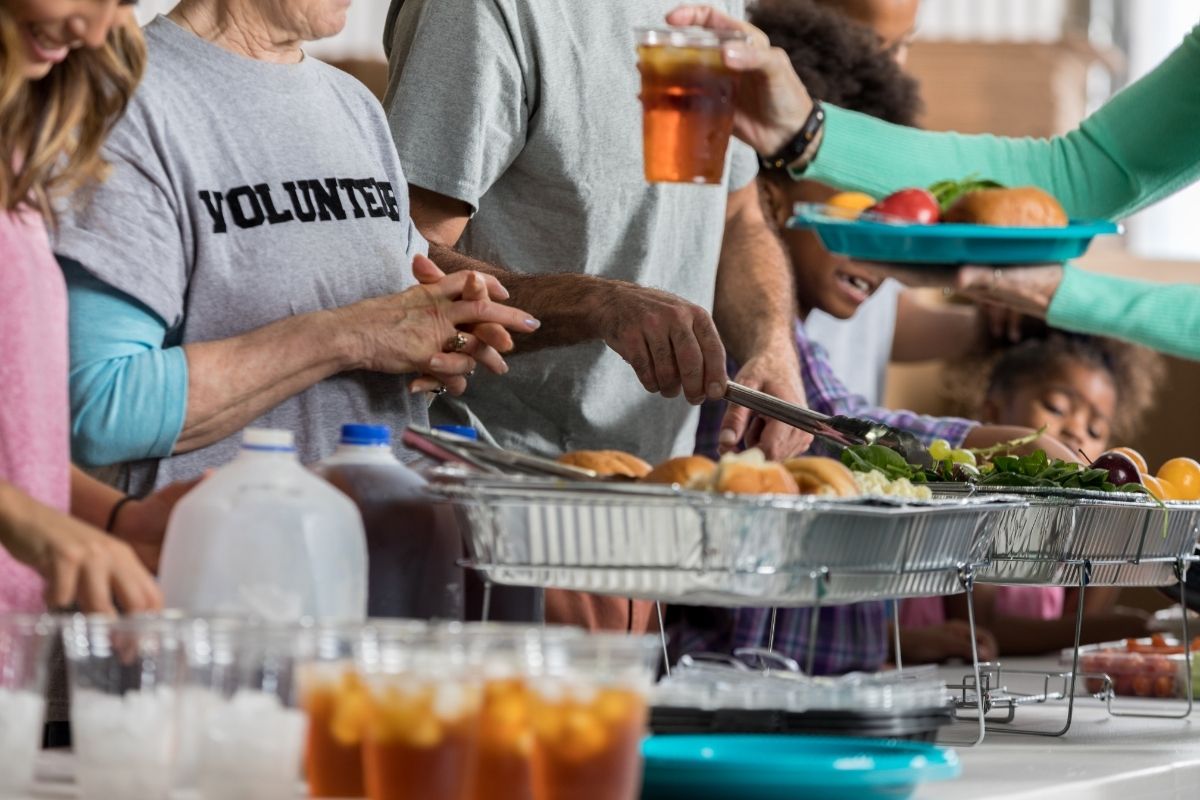
Image Source: ofhsoupkitchen.org
Laying the Groundwork: Vision and Planning
Before you serve your first bowl of soup, thorough planning is crucial. This stage sets the foundation for your entire operation.
Defining Your Mission and Scope
- What is your core purpose? Clearly articulate why you are starting this soup kitchen. Is it to serve the homeless specifically, or a broader segment of the needy population?
- Who will you serve? Identify your target demographic. This will influence your location, meal types, and outreach strategies.
- What meals will you offer? Consider nutritional balance and dietary needs. Will you offer breakfast, lunch, dinner, or all three?
- What are your long-term goals? Think about growth, partnerships, and potential expansion of services.
Legal and Administrative Steps
Opening a non-profit organization requires navigating several legal and administrative hurdles.
Establishing Your Non-Profit Status
- Choose a Name: Select a name that is memorable, reflects your mission, and is available for registration.
- Incorporate: File articles of incorporation with your state government. This legally creates your organization.
- Obtain an EIN: Apply for an Employer Identification Number (EIN) from the IRS. This is like a Social Security number for your organization.
- Apply for 501(c)(3) Status: This is a crucial step that grants your organization tax-exempt status, making it eligible for grants and tax-deductible donations. This process can be complex and may require legal assistance.
Essential Permits and Licenses
You will need various permits and licenses to operate legally, especially concerning food service and public gathering.
- Food Service Permits: These are obtained from your local health department. They ensure you are following food safety regulations.
- Business Licenses: Your city or county will likely require a general business license.
- Zoning Permits: Ensure your chosen location is zoned for the type of operation you plan.
Location, Location, Location
The physical space is a critical component of soup kitchen operations.
Finding a Suitable Space
- Accessibility: Is it easy for your target population to reach? Consider public transportation routes and walkability.
- Size and Layout: Does it have enough space for a kitchen, dining area, storage, and restrooms?
- Utilities: Does it have access to reliable water, electricity, and gas?
- Health Code Compliance: The space must meet health department standards for food preparation and service.
- Cost: Rent or mortgage payments will be a significant operational expense. Explore options like donated spaces or partnerships with existing community centers.
Essential Kitchen Equipment
A functional kitchen is the heart of a soup kitchen.
- Cooking Equipment: Industrial ovens, stovetops, large pots and pans, and serving utensils.
- Refrigeration: Commercial refrigerators and freezers are essential for storing perishable food safely.
- Washing and Sanitizing: Three-compartment sinks, dishwashers, and sanitizing stations are vital for hygiene.
- Serving Equipment: Trays, bowls, utensils, and serving spoons.
- Storage: Shelving and storage containers for dry goods and supplies.
Securing Resources: Funding and Food
A sustainable soup kitchen relies on consistent soup kitchen funding and a steady supply of food.
Developing a Funding Strategy
Soup kitchen funding often comes from a diverse mix of sources.
- Grants: Research grants from foundations, corporations, and government agencies that support anti-poverty initiatives, food security, and community services. This is a primary avenue for non-profit food assistance.
- Individual Donations: Launch fundraising campaigns, solicit direct mail appeals, and build relationships with individual donors.
- Corporate Sponsorships: Partner with local businesses for financial support, in-kind donations, or employee volunteer programs.
- Community Events: Host fundraising events like bake sales, benefit dinners, or sponsored walks.
- Government Programs: Explore partnerships with government food programs like SNAP outreach or local food bank services.
Creating a Budget
A detailed budget is essential for financial planning and transparency.
- Startup Costs: Include expenses for permits, equipment purchase, initial rent, and legal fees.
- Operating Costs: Factor in rent, utilities, food procurement, salaries (if any), insurance, cleaning supplies, and maintenance.
- Contingency Fund: Set aside a reserve for unexpected expenses.
Acquiring Food Supplies
Reliable food sourcing is paramount. This often involves working closely with food bank services.
Partnerships with Food Banks
- Local Food Banks: Establish a strong relationship with your regional food bank. They are a critical source of donated food and can often provide logistical support.
- Surplus Food Programs: Connect with grocery stores, restaurants, and farms that have surplus food that might otherwise go to waste.
Sourcing Other Food Donations
- Community Food Drives: Organize regular food drives in schools, businesses, and religious institutions.
- Direct Purchase: Budget for purchasing staple items and fresh produce to supplement donations and ensure nutritional variety.
- Community Gardens: Consider establishing or partnering with a community garden to grow fresh produce.
Building Your Team: Volunteers and Staff
People are the driving force behind any successful soup kitchen.
Recruiting and Managing Volunteers
Volunteering at a soup kitchen is a popular way for people to give back.
- Recruitment Strategies: Advertise volunteer opportunities through local community boards, online platforms, social media, and partnerships with schools and universities.
- Volunteer Roles: Clearly define roles such as food preparation, serving, cleaning, donation sorting, and administrative support.
- Training: Provide thorough training on food safety, hygiene, customer service, and your organization’s mission.
- Appreciation: Regularly acknowledge and appreciate your volunteers. A little recognition goes a long way.
Staffing Considerations (If Applicable)
For larger operations or those requiring specialized skills, paid staff may be necessary.
- Key Positions: Consider roles like a Kitchen Manager, Volunteer Coordinator, or Executive Director.
- Background Checks: For staff working directly with vulnerable populations, background checks are recommended.
- Compensation and Benefits: If offering salaries, ensure they are competitive and comply with labor laws.
Operational Excellence: Running Your Soup Kitchen
Efficient soup kitchen operations ensure that meals are served safely, consistently, and with dignity.
Food Safety and Hygiene Protocols
This is non-negotiable and fundamental to managing a shelter kitchen or any food service.
- Temperature Control: Maintain proper temperatures for food storage and cooking. Use thermometers diligently.
- Handwashing: Enforce strict handwashing procedures for all staff and volunteers.
- Sanitation: Regularly clean and sanitize all surfaces, equipment, and utensils.
- Pest Control: Implement measures to prevent pest infestations.
- Food Handling: Train everyone on safe food handling practices, including preventing cross-contamination.
Daily Operations Workflow
A well-defined workflow streamlines your service.
- Receiving Donations: Organize a system for accepting, inspecting, and storing incoming food.
- Meal Preparation: Plan menus, prepare ingredients, and cook meals safely and efficiently.
- Serving: Develop a respectful and orderly serving process. Consider how to manage lines and ensure everyone receives a meal.
- Clean-up: Implement a thorough cleaning and sanitizing routine after each service.
Serving with Dignity
Beyond the food, the experience matters.
- Respectful Interaction: Train staff and volunteers to treat every guest with respect and kindness.
- Clean Environment: Ensure the dining area is clean, inviting, and well-maintained.
- Guest Feedback: Create channels for guests to provide feedback, which can help improve services.
Table: Sample Daily Soup Kitchen Schedule
| Time | Activity | Responsibility |
|---|---|---|
| 8:00 AM | Kitchen opens, prep begins | Kitchen Manager, Volunteer Team A |
| 9:00 AM | Receive food deliveries | Volunteer Team B (Donation Sorters) |
| 10:00 AM | Set up serving area, dining tables | Volunteer Team C (Serving Prep) |
| 11:00 AM | Food service begins | Serving Team (Volunteers & Staff) |
| 12:00 PM | Food service ends, clean-up begins | All available volunteers/staff |
| 1:00 PM | Deep cleaning, inventory, prep for next day | Kitchen Manager, designated volunteers |
| 3:00 PM | Office tasks, volunteer coordination | Executive Director, Volunteer Coordinator |
| 5:00 PM | Close kitchen, final clean sweep | Kitchen Manager |
Beyond Meals: Expanding Services
Many soup kitchens evolve to offer more comprehensive support.
Integrating with Other Services
- Referral Services: Connect guests with resources for housing, healthcare, employment, and mental health services.
- Hygiene Facilities: If possible, offer access to showers, restrooms, or laundry services.
- Food Pantry Operations: Some organizations integrate a food pantry alongside the soup kitchen, allowing guests to take home non-perishable food items. This is a crucial aspect of non-profit food assistance.
Building Community Connections
- Partnerships: Collaborate with other non-profits, government agencies, and community organizations to create a stronger support network.
- Outreach: Actively reach out to potential guests and community members to build awareness and engagement.
Challenges and Solutions
Starting and running a soup kitchen is not without its difficulties.
Common Obstacles
- Inconsistent Funding: Fluctuating donations and grant cycles can create financial instability.
- Volunteer Burnout: High turnover and the emotional toll of the work can lead to volunteer fatigue.
- Food Sourcing Issues: Reliance on donations can lead to unpredictable supplies.
- Logistical Hurdles: Managing supplies, equipment, and space can be complex.
Strategies for Overcoming Challenges
- Diversify Funding: Don’t rely on a single income stream.
- Volunteer Support: Implement robust volunteer recognition and support programs. Offer breaks and debriefing opportunities.
- Build Strong Partnerships: Cultivate relationships with multiple food banks and food suppliers.
- Invest in Infrastructure: As funding allows, invest in better equipment and organized storage systems.
Measuring Impact
Demonstrating your effectiveness is important for continued support.
Tracking Key Metrics
- Number of Meals Served: A fundamental measure of your output.
- Number of Guests Served: Provides insight into your reach.
- Volunteer Hours: Quantifies community involvement.
- Food Waste Reduction: Highlight your efforts to combat food insecurity sustainably.
- Guest Feedback and Success Stories: Qualitative data that illustrates the human impact.
Frequently Asked Questions (FAQ)
Q1: How much money do I need to start a soup kitchen?
A1: The startup costs can vary significantly depending on your location, the size of your operation, and whether you lease or buy a facility. Initial costs might range from a few thousand dollars for minimal setup to tens of thousands or more for a fully equipped kitchen and facility. It’s crucial to develop a detailed budget.
Q2: What are the most important things to consider when choosing a location?
A2: Key factors include accessibility for your target population (near public transport, safe to walk to), sufficient space for kitchen and dining, compliance with health codes, and affordability.
Q3: How can I ensure food safety in my soup kitchen?
A3: Strict adherence to food safety regulations is paramount. This includes proper food storage temperatures, regular handwashing, thorough cleaning and sanitizing of all surfaces and equipment, and proper cooking temperatures for all food items. Training your volunteers and staff on these protocols is essential.
Q4: What is the role of volunteers in a soup kitchen?
A4: Volunteers are the backbone of most soup kitchens. They are involved in everything from food preparation, serving, cleaning, donation sorting, and administrative tasks. Their dedication makes community feeding programs possible.
Q5: How can I get food donations for my soup kitchen?
A5: Establish partnerships with local food bank services, grocery stores, restaurants, and farms for surplus food. Organize community food drives and encourage individual donations. Supplementing with purchased food is often necessary to ensure variety and meet nutritional needs.
Q6: What if I can’t find enough volunteers?
A6: To combat volunteer shortages, focus on effective recruitment strategies, clear communication about roles and expectations, flexible scheduling, and consistent appreciation for your volunteers’ efforts. Partnering with local schools, community groups, and businesses can also broaden your volunteer base.
Q7: How do I handle challenging guests or situations?
A7: Train your team in de-escalation techniques and conflict resolution. Maintain clear operational policies and communicate them respectfully. Ensure a safe environment for everyone, and have a plan for addressing difficult situations, which might involve seeking support from experienced staff or community partners.
Q8: Is it necessary to have a separate food pantry alongside the soup kitchen?
A8: While not strictly mandatory, integrating food pantry services can significantly enhance your impact. It allows guests to take home supplemental food, further addressing food insecurity and providing longer-term support. This is a common extension of non-profit food assistance programs.
Q9: How can I measure the success of my soup kitchen?
A9: Success can be measured by metrics like the number of meals served, the number of unique individuals assisted, volunteer engagement, community partnerships, and qualitative feedback from guests. Tracking these helps demonstrate your impact to donors and stakeholders.
Q10: What are the legal responsibilities of running a soup kitchen?
A10: You have legal responsibilities related to food safety, non-profit governance (tax-exempt status, reporting), employment law (if you have staff), and general business licensing. It is advisable to consult with legal and accounting professionals experienced in non-profit management.
Opening a soup kitchen is a journey fueled by compassion and commitment. By meticulously planning, securing resources, building a strong team, and focusing on efficient operations, you can create a vital resource that nourishes your community, one meal at a time.