
Seeing small ants marching near your kitchen sink? You can effectively get rid of small ants around your kitchen sink fast by identifying their entry points, eliminating food sources, cleaning thoroughly, and using targeted natural or chemical treatments. This guide will cover everything you need to know to tackle your ant infestation kitchen problem and maintain a pest-free environment.
Discovering tiny ants, often black or brown, creating trails around your kitchen sink is a common frustration. These persistent little creatures are usually looking for food and water, and your sink area offers both. Addressing this kitchen sink ants treatment promptly is key to preventing a larger issue.
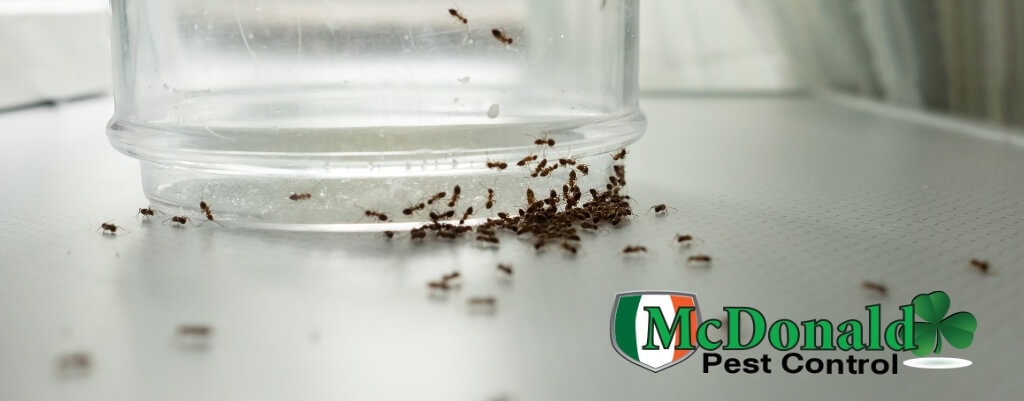
Image Source: www.mcdonaldpestcontrol.com
Why Ants Love Your Kitchen Sink
Ants are opportunistic foragers. Your kitchen sink area provides a perfect trifecta of resources:
- Water: Leaky faucets, residual moisture from washing dishes, and condensation are all attractive water sources.
- Food Crumbs: Even the smallest forgotten crumb or sticky spill can draw a significant ant population.
- Shelter: Cracks and crevices around the sink or in cabinets offer nesting opportunities.
Common Ant Types Found in Kitchens
While you might just see “small ants,” knowing the type can sometimes help with targeted kitchen ant control.
- Odorous House Ants: These ants emit a distinct “rotten coconut” smell when crushed. They are common scavengers.
- Pavement Ants: Often found nesting outdoors under sidewalks or rocks, they are attracted indoors by food.
- Carpenter Ants: While larger than typical “small ants,” smaller scout ants can sometimes be seen. These are a more serious concern as they can damage wooden structures.
Immediate Steps to Remove Ants Sink
When you first notice ants, a swift response is crucial. The goal is to disrupt their trails and remove immediate attractants.
Step 1: Clear the Area
- Remove all dishes, sponges, and cleaning supplies from around the sink.
- Wipe down all surfaces with soapy water. This removes any scent trails the ants are following.
Step 2: Eliminate Visible Food Sources
- Check for and clean up any food spills or crumbs immediately.
- Don’t leave dirty dishes in the sink, even overnight.
Step 3: Disrupt Ant Trails
- Use a spray bottle filled with a mixture of water and a few drops of dish soap or white vinegar.
- Spray directly onto the ant trails. This breaks down the pheromone trails ants use to navigate.
Comprehensive Kitchen Ant Control Strategies
Once the immediate problem is addressed, you need a more thorough approach to get rid of kitchen ants naturally and prevent their return.
Cleaning is Your First Line of Defense
A clean kitchen is the best way to deter ants from sink and other areas.
Daily Cleaning Habits
- Wipe Down Surfaces: After every meal preparation and dishwashing session, wipe down countertops, stovetops, and the sink area.
- Rinse Dishes Promptly: Don’t leave dirty dishes in the sink. Rinse them or put them directly into the dishwasher.
- Sweep and Mop: Regularly sweep and mop kitchen floors, especially under appliances and cabinets where crumbs can accumulate.
- Empty Trash Cans: Use trash cans with tight-fitting lids and empty them daily, especially if they contain food scraps. Rinse out the trash can itself periodically.
Deep Cleaning for Long-Term Success
- Check for Leaks: Inspect your sink and the pipes underneath for any leaks. Even small drips can provide water for ants. Fix them promptly.
- Seal Entry Points: Look for cracks or gaps in walls, baseboards, windowsills, and around pipes where ants might be entering. Seal these with caulk or putty.
- Clean Out Cabinets: Remove everything from your kitchen cabinets and pantry. Wipe down the shelves and vacuum up any crumbs or debris.
- Store Food Properly: Keep all food items, especially sweets and grains, in airtight containers. This includes pet food.
Natural Home Remedies for Ants Kitchen
Many effective and safe home remedies for ants kitchen can be used without harsh chemicals.
Vinegar Solution
- How it works: The acidity of vinegar disrupts ant pheromone trails and acts as a repellent.
- How to use: Mix equal parts white vinegar and water in a spray bottle. Spray directly on ant trails and entry points. You can also use it to wipe down surfaces.
Lemon Juice
- How it works: Similar to vinegar, the citric acid in lemon juice deters ants and masks their scent trails.
- How to use: Mix lemon juice with water (about half and half) and spray. Alternatively, squeeze lemon juice directly onto entry points or wipe down surfaces with it.
Essential Oils
- How it works: Certain essential oils have strong scents that ants dislike.
- Oils to consider: Peppermint oil, tea tree oil, cinnamon oil, and clove oil.
- How to use: Mix 10-15 drops of your chosen essential oil with a cup of water in a spray bottle. Apply to ant trails and entry points. You can also soak cotton balls in the oil and place them in areas where you see ants.
Cornmeal or Cornstarch
- How it works: Ants are attracted to cornmeal but cannot digest it properly, leading to dehydration and death.
- How to use: Sprinkle cornmeal or cornstarch in areas where you see ants. As they consume it, it can help reduce their population.
Borax and Sugar Mixture (Use with Caution)
- How it works: Borax is a natural mineral that is toxic to ants when ingested. Ants are attracted to the sugar, carry the mixture back to their colony, and share it, effectively eliminating the nest.
- How to use: Mix about 1 part Borax with 3 parts sugar. Add a small amount of water to create a paste or sticky syrup. Place small amounts of this mixture on a piece of cardboard or a shallow dish in areas where you see ants, but out of reach of children and pets. Caution: Borax is toxic if ingested, so handle with care and place it strategically.
Coffee Grounds
- How it works: The strong scent of coffee grounds can repel ants.
- How to use: Sprinkle used coffee grounds around the exterior of your home near entry points, or in small dishes where you see ants.
Effective Ways to Eliminate Ants
Beyond natural remedies, there are other methods for efficient kitchen ant extermination.
Ant Baits
- How it works: Ant baits contain a slow-acting poison mixed with an attractant. Ants consume the bait and carry it back to the colony, spreading the poison to other ants and the queen. This is one of the most effective ways to tackle a kitchen ant problem.
- Types of baits: Gel baits, liquid baits, and solid bait stations.
- Placement: Place bait stations near ant trails but out of reach of children and pets. Do not spray insecticides near bait stations, as this can deter ants from reaching the bait.
- Patience is key: It may take a few days to a week to see a significant reduction in ant numbers.
Insecticidal Sprays (Use Judiciously)
- When to use: For immediate knockdown of visible ant activity.
- Types: Look for sprays specifically labeled for ants.
- Application: Spray directly onto ants and along trails and entry points. Ensure good ventilation and follow label instructions carefully.
- Consideration: Sprays kill ants on contact but don’t address the colony. Over-reliance on sprays can scatter ants and make baiting less effective.
Diatomaceous Earth (Food Grade)
- How it works: Food-grade diatomaceous earth (DE) is a fine powder made from fossilized algae. It has sharp edges that, under a microscope, damage the exoskeleton of insects, causing them to dehydrate and die.
- How to use: Sprinkle a thin layer of food-grade DE in areas where you see ants, such as along baseboards, under cabinets, and near entry points. Avoid inhaling the dust.
Identifying and Sealing Entry Points
A crucial part of getting rid of small ants in kitchen is preventing them from entering in the first place.
Where to Look for Entry Points
- Cracks in walls and foundations: Especially near the kitchen.
- Gaps around windows and doors: Check weatherstripping.
- Utility lines: Where pipes and wires enter the house.
- Vents: Kitchen or bathroom vents.
- Roofline: Ants can travel along wires or tree branches that touch your house.
Sealing Methods
- Caulk: Use silicone caulk to seal small cracks and crevices.
- Putty: For slightly larger gaps.
- Steel wool: Can be packed into larger openings around pipes or vents. Ants cannot chew through it.
Dealing with a Stubborn Ant Infestation
If your kitchen ant infestation kitchen persists despite your efforts, it’s time to escalate.
Locate the Nest
Sometimes, finding the ant nest is the most effective way to eliminate the problem. Look for ant trails leading to a specific area, which could be inside or outside your home.
Professional Kitchen Ant Extermination
If you’ve tried various methods and are still struggling with small ants in kitchen, it might be time to call a pest control professional. They have access to stronger, more targeted treatments and can identify the specific ant species and their nesting habits.
Preventing Future Ant Problems
Once you’ve successfully banished the ants, focus on prevention.
Maintain a Clean Kitchen
This cannot be stressed enough. Consistent cleaning is the most effective long-term strategy.
Address Moisture Issues
- Fix leaky faucets or pipes immediately.
- Ensure good ventilation in the kitchen to reduce humidity.
- Wipe up any spills or condensation promptly.
Regular Inspections
Periodically check for new ant activity or potential entry points. Early detection makes eradication much easier.
Outdoor Strategies
- Trim trees and shrubs so they don’t touch your house, providing a bridge for ants.
- Keep outdoor trash cans clean and sealed.
- Consider a perimeter treatment around your home’s foundation to deter ants from seeking entry.
Frequently Asked Questions (FAQ)
Q1: What is the fastest way to get rid of ants around my kitchen sink?
A1: The fastest way involves immediate cleaning of all food and water sources, disrupting ant trails with a vinegar or soapy water spray, and then placing ant bait stations near the trails.
Q2: Can I use bug spray around my sink?
A2: While you can use insecticidal sprays for immediate contact kills, it’s generally not recommended as a primary long-term solution around food preparation areas like your sink. Natural remedies and baits that target the colony are safer and more effective. Always follow product instructions carefully.
Q3: How do I know where the ants are coming from?
A3: Follow the ant trails. They usually lead from an entry point into your kitchen to a food or water source. Look for cracks, gaps, or openings around windows, doors, pipes, and baseboards.
Q4: How often should I clean to prevent ants?
A4: Daily cleaning of surfaces, dishes, and floors is essential. Deep cleaning cabinets and checking for entry points should be done monthly or quarterly.
Q5: Are natural remedies as effective as chemical treatments?
A5: Natural remedies can be very effective, especially for minor ant problems or for deterring ants and disrupting trails. For severe ant infestation kitchen issues, professional treatments or targeted baits that eliminate the entire colony are often more effective.
By implementing these strategies, you can effectively tackle your kitchen sink ant problem, remove ants sink areas, and maintain a hygienic kitchen free from unwelcome tiny visitors.