
So, how big are kitchen trash bags? Kitchen trash bags typically range from 4 to 30 gallons, with the most common sizes for household kitchens being 13 gallons, designed to fit standard 10-13 gallon kitchen waste bin capacity.
Choosing the right size trash bag for your kitchen waste bin capacity is crucial for a clean and hygienic kitchen. Too small, and you’ll have overflowing garbage and messy tie-offs. Too large, and you’ll waste material and create an unsightly, saggy bag. This guide will help you decipher the world of kitchen trash bags, from their dimensions to how to select the perfect fit for your kitchen bin volume.
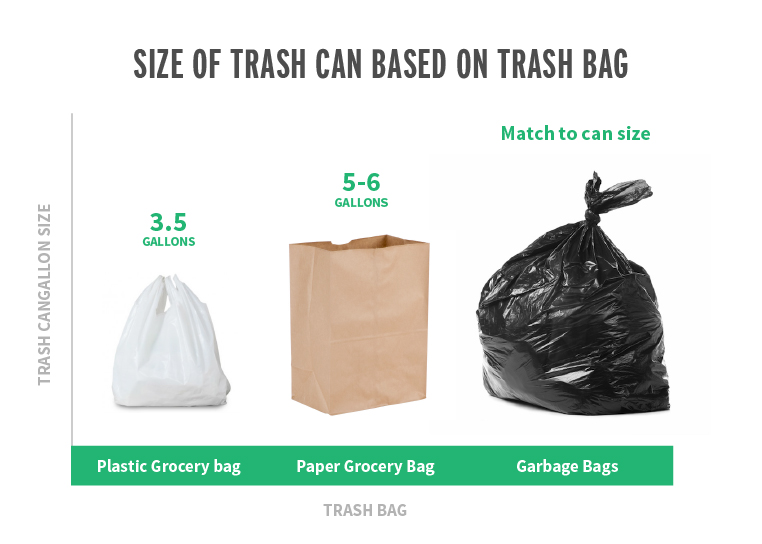
Image Source: trashcansunlimited.com
Fathoming Trash Can Liner Sizes
The vast array of trash bags available can be bewildering. You’ll see numbers like 4-gallon, 8-gallon, 13-gallon, and even larger sizes. These numbers refer to the trash bag capacity, which is the volume of waste the bag is designed to hold comfortably. It’s important to remember that these are nominal sizes, and the actual dimensions can vary slightly between manufacturers.
Deciphering Garbage Bag Dimensions
To truly understand how big kitchen trash bags are, we need to look at their dimensions. These are usually expressed as width and height.
- Width: This refers to the circumference of the bag when laid flat. It’s usually given as “width x depth” or “flat width” before the bag is opened. A common way to express this is by doubling the width measurement, giving you a good idea of how far around your kitchen waste bin capacity it needs to stretch.
- Height: This is the length of the bag from the bottom seam to the top of the opening.
Let’s explore some common trash bag standard sizes and their approximate dimensions:
Common Kitchen Trash Bag Sizes and Their Dimensions
| Bag Capacity (Gallons) | Approximate Flat Width (inches) | Approximate Height (inches) | Common Waste Receptacle Size (Gallons) |
|---|---|---|---|
| 4-6 | 18-20 | 20-24 | 4-6 |
| 8-10 | 20-22 | 24-28 | 8-10 |
| 13 | 23-25 | 28-30 | 10-13 |
| 20 | 26-28 | 30-33 | 15-20 |
| 30 | 28-30 | 36-38 | 20-30 |
Note: These are approximate dimensions and can vary between brands. Always check the packaging for specific measurements.
The Relationship Between Kitchen Bin Volume and Bag Size
The most critical factor in choosing the right trash bag is the kitchen bin volume. Your trash can’s capacity dictates the size of the liner you need. Think of it this way: the bag needs to be wide enough to go around the rim of your bin and tall enough to come down over the sides and allow for a secure tie-off.
How to Measure Your Waste Receptacle Size
Don’t just guess! Accurately measuring your waste receptacle size will save you time and frustration.
- Measure the Diameter (Round Bins): If you have a round trash can, use a measuring tape to measure across the widest part of the bin’s opening, from edge to edge.
- Measure the Width and Depth (Rectangular/Square Bins): For bins that aren’t round, measure the width and depth of the opening from edge to edge.
- Measure the Height: Measure the height of your bin from the base to the top rim.
Connecting Measurements to Bag Dimensions
Once you have these measurements, you can start matching them to trash bag dimensions.
- For round bins: To find the minimum required flat width of your bag, add the diameter measurement to its height, and then divide by 2. For example, if your bin opening is 12 inches in diameter and 8 inches deep, you’d need a bag with a flat width of at least (12 + 8) / 2 = 10 inches. However, since you need the bag to come over the rim, you’ll want a bit of extra length. Most 13-gallon bags are designed with this in mind.
- For rectangular bins: Add the width and depth of your bin opening. This sum should be less than or equal to the bag’s circumference (which is twice the flat width). For example, if your bin opening is 10 inches wide and 8 inches deep, the perimeter is 18 inches. You’ll want a bag with a flat width that, when doubled, is at least 18 inches. A bag with a flat width of 20-22 inches would be suitable.
Comprehending Kitchen Waste Bag Volume
The term “gallon” refers to the kitchen waste bag volume. This is a standard measurement for liquids, but for trash bags, it’s a useful way to indicate capacity. However, it’s not a perfect science. A 13-gallon bag from one brand might hold slightly more or less than a 13-gallon bag from another. This is where understanding the physical dimensions becomes important.
The Myth of the Exact Gallon Mark
It’s important to note that the gallon marking on a trash bag is more of a guideline than a precise measurement. Think of it as a volume estimate. The actual garbage can liner volume can be influenced by the thickness of the plastic, the shape of the bag, and how it’s filled.
Interpreting the Trash Bag Capacity Chart
To help you make informed decisions, manufacturers often provide a trash bag capacity chart. This chart usually correlates the gallon size of the bag with the recommended size of the waste receptacle.
Example of a Simplified Trash Bag Capacity Chart
| Bag Capacity (Gallons) | Recommended Waste Receptacle Size (Gallons) | Typical Use Case |
|---|---|---|
| 4-6 | 4-6 Gallons | Small bathroom bins, car trash bins |
| 8-10 | 8-10 Gallons | Smaller kitchen bins, office trash cans |
| 13 | 10-13 Gallons | Standard kitchen trash cans, high-traffic areas |
| 20 | 15-20 Gallons | Larger kitchen bins, small business waste |
| 30 | 20-30 Gallons | Larger household bins, garage waste |
This chart is a good starting point, but always consider your specific kitchen trash can capacity and how much waste you typically generate.
Beyond the Gallon: Other Factors to Consider
While trash bag capacity is the primary concern, other features are vital for a practical and effective kitchen trash bag:
Material and Thickness (Mil)
The thickness of a trash bag is measured in “mils” (thousandths of an inch). A thicker bag is generally stronger and more resistant to tears and punctures.
- 1.0 – 1.5 mil: Suitable for light kitchen waste with minimal sharp objects.
- 1.5 – 2.0 mil: A good all-around thickness for most household kitchen waste, offering a balance of strength and flexibility.
- 2.0 mil and above: Ideal for heavy waste, frequent use, or when dealing with potentially sharp items like bones or broken glass.
A thicker bag is also beneficial for containing odors and preventing leaks, contributing to a cleaner kitchen environment. When looking at the garbage bag dimensions, don’t forget to check the mil thickness if durability is a priority.
Drawstrings and Tie Closures
Most kitchen trash bags come with drawstrings for easy tying and carrying. These can be made of plastic or fabric.
- Plastic Drawstrings: Common and effective for securing the bag.
- Fabric Drawstrings: Often found on higher-end bags, they can be more durable.
Ensure the drawstring is sturdy enough to handle the weight of the filled bag without breaking. The length of the drawstring also matters for ease of tying.
Strength and Durability Features
Some bags incorporate special features to enhance their strength:
- Reinforced Bottoms: A stronger seal at the base can prevent leaks, especially with wet waste.
- Stretch Strength: Some bags are designed to stretch rather than tear when under pressure, which is useful for tightly packed bins.
These features, while not directly related to garbage can liner volume, significantly impact the bag’s performance and your experience.
Matching Bags to Your Kitchen Waste Bin Capacity
The key to a successful trash bag experience lies in correctly matching the bag to your kitchen waste bin capacity. This isn’t just about the number of gallons; it’s about how the bag physically fits.
The “Fit” Factor: Beyond the Numbers
A bag labeled as 13 gallons might fit a 10-gallon bin perfectly, or it might be a bit loose on a 13-gallon bin. This is because the shape of your bin and the design of the bag interact.
Common Kitchen Trash Can Capacity Sizes
The most common kitchen trash can capacity in American households is 13 gallons. This size is popular because it balances the need for ample space to hold typical kitchen waste with a manageable size for most kitchens.
- Standard Kitchen Bins: Usually range from 8 to 13 gallons.
- Countertop Compost Bins: Typically much smaller, often 1-2 gallons.
- Large Kitchen Bins: Some households may opt for bins of 20 gallons or more, especially for larger families or those who produce more waste.
How to Ensure a Proper Fit
- Check Your Bin’s Label: Many trash cans have their capacity printed on them.
- Measure Your Bin: As described earlier, measure the width, depth, and height of your bin’s opening.
- Consult the Trash Bag Packaging: Look for recommended bin sizes or specific dimensions on the bag packaging.
- The “Sag” Test: When you place a bag in your bin, there should be enough extra bag length to fold over the rim and secure it, with minimal sagging below the rim. A bag that’s too short will expose the rim and can lead to leaks and unpleasant odors.
What Happens When Bags Are Too Small?
Using a bag that is too small for your kitchen bin volume is a recipe for disaster.
- Overflowing: Waste spills out the top, making a mess.
- Tears: The bag is stretched beyond its limit, increasing the chance of tears and leaks.
- Difficult Tie-Offs: You struggle to close the bag properly, leading to spills during transport.
- Unpleasant Odors: Exposed waste allows odors to escape more easily.
What Happens When Bags Are Too Big?
While not as problematic as bags being too small, using excessively large bags can also be inconvenient:
- Wasted Material: You use more plastic than necessary.
- Sloppy Fit: The bag can bunch up and sag inside the bin, making it look untidy and potentially leading to the bag slipping down when you throw trash in.
- Reduced Capacity: Paradoxically, a very baggy fit can sometimes reduce the effective amount of waste you can fit before the bag is full and needs to be tied off.
Exploring Different Types of Kitchen Trash Bags
The market offers a variety of kitchen trash bags, each designed with specific benefits in mind.
Standard Kitchen Bags
These are your everyday, workhorse trash bags. They come in the common sizes like 13 gallons and are suitable for most household kitchen waste. They offer a good balance of strength, flexibility, and affordability.
Tall Kitchen Bags
These bags are often slightly longer than standard kitchen bags, making them ideal for slightly taller bins or for situations where you want extra material to fold over the rim for a more secure closure. They are still typically within the 13-gallon capacity range but offer that extra height.
Contractor Bags / Heavy-Duty Bags
These bags are made from thicker plastic (higher mil rating) and are designed for heavier loads and tougher jobs. While often associated with construction or yard waste, they can be useful in the kitchen if you frequently deal with bulky items, sharp food scraps, or want extra peace of mind against tears. They come in various capacities, including larger ones that might exceed typical kitchen trash bag volume for a standard bin.
Odor Control Bags
Infused with activated charcoal or other odor-absorbing agents, these bags are designed to trap and neutralize unpleasant smells. They are a great choice for kitchens where odor management is a priority, especially if you have a larger kitchen bin volume that sits for a few days.
Compostable and Biodegradable Bags
For those focused on sustainability, these bags are made from plant-based materials and are designed to break down over time. It’s crucial to check the specific certifications and disposal requirements for these bags to ensure they are properly composted. Their garbage bag dimensions are often similar to standard bags, but their material composition is key.
Recycled Content Bags
Many brands now offer bags made from post-consumer recycled plastic. This is an eco-friendly option that helps reduce plastic waste.
Making the Best Choice for Your Kitchen
Selecting the right kitchen trash bag is more than just picking the cheapest option. It’s about finding a product that fits your kitchen waste bin capacity, handles your waste effectively, and contributes to a clean and pleasant kitchen environment.
A Practical Approach to Bag Selection
- Know Your Bin: The first step is always to measure your trash can or check its labeled capacity. This tells you whether you need an 8-gallon, 13-gallon, or perhaps a larger trash can liner sizes.
- Estimate Your Waste Volume: How much trash do you typically generate between bag changes? If you fill your 13-gallon bin quickly, you might consider a slightly larger capacity bag or a more robust option.
- Consider Your Waste Type: Do you deal with a lot of wet waste? Sharp food scraps? Bulky items? This will influence the thickness and durability you need.
- Prioritize Features: Are odor control, strength, or eco-friendliness most important to you?
- Read Reviews: See what other users say about the performance of specific brands and types of bags.
By considering your specific needs and the dimensions and capacities available, you can confidently choose the perfect kitchen trash bag volume and type for your home. A well-chosen trash bag makes a small but significant difference in maintaining a clean and efficient kitchen.
Frequently Asked Questions (FAQ)
Q1: What is the standard size for kitchen trash bags?
A1: The most common standard size for kitchen trash bags is 13 gallons, designed to fit typical 10-13 gallon kitchen waste bin capacity.
Q2: How do I know if a trash bag will fit my kitchen trash can?
A2: Measure the width, depth, and height of your waste receptacle size. Compare these measurements to the garbage bag dimensions provided on the packaging. A good rule of thumb is that the bag should be wide enough to go around the rim and tall enough to fold over the edges securely.
Q3: Can I use a larger trash bag if mine is slightly smaller?
A3: Yes, you can often use a slightly larger trash bag than your bin’s kitchen bin volume. For example, a 13-gallon bag can usually fit a 10-gallon bin, with extra material to fold over the rim. However, using a bag that is significantly larger can lead to a messy fit.
Q4: What does “mil” mean on trash bags?
A4: “Mil” refers to the thickness of the plastic, measured in thousandths of an inch. A higher mil number indicates a thicker, stronger bag that is less likely to tear.
Q5: Are all 13-gallon trash bags the same size?
A5: While they are all designed for a 13-gallon kitchen trash can capacity, the actual garbage bag dimensions (width and height) can vary slightly between brands. It’s always best to check the packaging for specific measurements if you have a particular bin size.
Q6: How much kitchen waste can a 13-gallon bag hold?
A6: A 13-gallon bag is designed to hold approximately 13 gallons of waste. However, the actual amount you can fit depends on the density and shape of the waste, as well as how tightly you pack it. This measurement relates directly to the kitchen waste bag volume.
Q7: Where can I find a trash bag capacity chart?
A7: Many trash bag manufacturers provide a trash bag capacity chart on their packaging or on their websites. This chart typically helps you match bag sizes to common waste receptacle size options.
Q8: What are the dimensions of a typical 13-gallon kitchen trash bag?
A8: A typical 13-gallon kitchen trash bag has approximate dimensions of 23-25 inches in flat width and 28-30 inches in height. These figures refer to the trash bag dimensions when laid flat.