
What is a virtual kitchen? A virtual kitchen is a professional cooking facility set up solely for preparing meals for delivery. It’s also known as a ghost kitchen, cloud kitchen, or delivery-only restaurant. Can I start one without a physical storefront? Yes, you absolutely can! Who is a virtual kitchen best suited for? It’s ideal for entrepreneurs looking for a low-overhead way to launch a food business, established restaurants seeking to expand their delivery reach, or chefs wanting to test new concepts.
Starting a virtual kitchen can be an exciting venture, offering a nimble and cost-effective approach to the food business startup world. Unlike traditional restaurants with dine-in spaces, virtual kitchens focus purely on the preparation and delivery of food. This model allows for greater flexibility and reduced overhead, making it an attractive option for many aspiring restaurateurs. This guide will walk you through the essential steps to get your own virtual kitchen up and running.
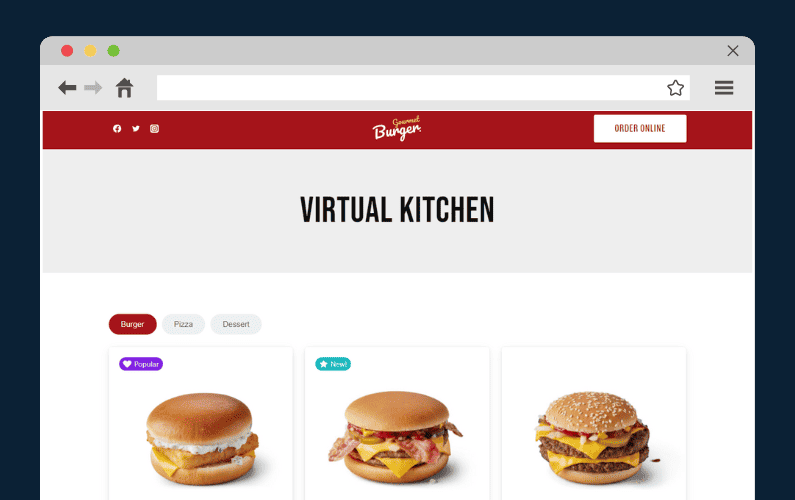
Image Source: orderable.com
Devising Your Virtual Kitchen Concept
The first step in building your virtual kitchen is to clearly define your concept. This involves more than just choosing a cuisine.
Defining Your Niche and Target Audience
- Cuisine Specialization: Will you focus on a single cuisine (e.g., authentic Italian, healthy vegan bowls, spicy Thai street food)? Or will you offer a curated selection of dishes from multiple cuisines under one virtual roof?
- Target Market: Who are you trying to reach? Are they busy professionals looking for quick lunches, families seeking comforting dinners, or health-conscious individuals wanting nutritious options? Knowing your audience will shape your menu, pricing, and marketing.
- Brand Identity: What feeling or experience do you want to convey through your food and branding? This includes your name, logo, and the overall message you send to customers.
Menu Development and Pricing Strategy
Your menu is the heart of your delivery-only restaurant. It needs to be optimized for delivery.
- Delivery-Friendly Dishes: Choose items that travel well. Avoid dishes that become soggy, separate easily, or require immediate assembly. Think hearty curries, pasta dishes, robust burgers, and well-packaged salads.
- Ingredient Sourcing: Identify reliable suppliers for fresh, high-quality ingredients. Consider local sourcing for a unique selling proposition.
- Costing and Profitability: Accurately cost each menu item, factoring in ingredients, labor, packaging, and delivery fees. This will inform your pricing strategy to ensure profitability.
- Menu Engineering: Analyze which dishes are popular and profitable. You might offer combo deals or family meals to increase average order value.
Navigating the Legal and Operational Landscape
Setting up a food business requires adherence to specific regulations and a solid operational plan.
Essential Licenses and Permits
- Business License: You’ll need a general business license from your local municipality.
- Food Handler’s Permits: All staff involved in food preparation must have appropriate food handler’s permits.
- Health Department Permits: Your kitchen will be inspected by the local health department to ensure it meets all sanitation and safety standards. This is crucial for a ghost kitchen setup.
- Food Service Establishment Permit: This is a specific permit for businesses that prepare and serve food.
- Zoning Regulations: Ensure your chosen location complies with local zoning laws for commercial kitchens.
Insurance Requirements
Protect your business with adequate insurance coverage.
- General Liability Insurance: Covers accidents and injuries that might occur on your premises or as a result of your operations.
- Product Liability Insurance: Protects you if a customer becomes ill from your food.
- Workers’ Compensation Insurance: Required if you have employees.
Securing Your Kitchen Space
Choosing the right location is a critical decision for any food business startup. For a virtual kitchen, the options are varied and can significantly impact your costs.
Types of Kitchen Space Options
- Dedicated Commercial Kitchen Space Rental: This involves renting an entire kitchen facility designed for food preparation. It offers more control but can be more expensive.
- Shared Commercial Kitchen / Commissary Kitchen: These facilities provide fully equipped kitchens that are rented out to multiple food businesses. This is a popular and cost-effective option, offering access to professional-grade commercial kitchen equipment without the high upfront investment. You might find yourself working alongside other culinary entrepreneurs in a shared commercial kitchen.
- Repurposed Existing Restaurant Kitchen: Some traditional restaurants rent out their kitchen space during off-peak hours or when they are closed. This can be a flexible option.
- Building Your Own: This is the most expensive and time-consuming option, typically suited for well-funded or rapidly scaling operations.
Key Considerations for Kitchen Space
- Location and Accessibility: Is the location convenient for your delivery drivers? Is it accessible for potential staff? Proximity to your target delivery zones is also important.
- Equipment Availability: What commercial kitchen equipment is provided? Does it meet your needs, or will you need to bring your own?
- Sanitation and Compliance: Ensure the space is regularly cleaned and maintained to meet health department standards.
- Lease Terms and Costs: Carefully review lease agreements, including rent, utilities, and any additional fees.
- Storage and Refrigeration: Adequate storage for ingredients and finished products, including sufficient refrigeration and freezer space, is vital.
Equipping Your Virtual Kitchen
The right commercial kitchen equipment is essential for efficiency and quality.
Essential Commercial Kitchen Equipment
Here’s a breakdown of the core equipment you’ll likely need:
| Equipment Category | Specific Items | Purpose |
|---|---|---|
| Cooking | Commercial Range (gas or electric), Convection Oven, Griddle, Fryers, Sauté Pans, Stock Pots, Woks | For all your cooking needs, from searing to baking to frying. |
| Preparation | Commercial Food Processor, Immersion Blender, Mandoline Slicer, Knife Set (chef’s knife, paring knife, serrated knife), Cutting Boards (color-coded for safety) | For chopping, slicing, dicing, pureeing, and general food preparation. |
| Refrigeration | Reach-in Refrigerators, Walk-in Cooler/Freezer (if available in rental space), Refrigerated Prep Tables | For storing ingredients safely and maintaining freshness. |
| Storage | Stainless Steel Shelving, Food Storage Containers (airtight), Cambros, Sheet Pan Racks | For organizing ingredients, dry goods, and prepared items. |
| Cleaning | Three-Compartment Sink, Handwashing Sinks, Commercial Dishwasher (optional but highly recommended), Sanitizing Wipes, Cleaning Cloths, Mops, Brooms, Trash Cans/Bins | For maintaining hygiene and sanitation, crucial for food safety and a clean ghost kitchen setup. |
| Ventilation | Commercial-grade Exhaust Hoods with Fire Suppression System | Essential for removing smoke, grease, and odors, and a mandatory safety feature. |
| Packaging | Food Containers (biodegradable/recyclable options preferred), Sealing Machines, Utensils, Napkins, Bags | For safely and attractively packaging meals for delivery. |
| Miscellaneous | Scales, Measuring Cups and Spoons, Timers, First-Aid Kit, Fire Extinguishers | Various tools to ensure accuracy, efficiency, and safety in your virtual restaurant operations. |
- New vs. Used Equipment: Consider buying used commercial kitchen equipment in good condition to save on initial costs.
- Leasing Options: Some specialized equipment can be leased, which can be beneficial for managing cash flow.
Building Your Online Presence and Delivery Infrastructure
In the world of virtual kitchens, your online presence is your storefront.
Selecting Online Ordering Platforms
- Third-Party Delivery Apps: Platforms like DoorDash, Uber Eats, and Grubhub offer instant access to a large customer base. However, they come with significant commission fees.
- Direct Online Ordering System: Integrating a system on your own website or using a service like Shopify or Squarespace allows for higher profit margins and direct customer relationships. This is key for sustainable cloud kitchen business growth.
- Hybrid Approach: Many virtual kitchens use a combination of both third-party apps and their own ordering system.
Optimizing for Online Food Ordering
- High-Quality Photos: Invest in professional photos of your dishes. This is the primary way customers will interact with your menu.
- Clear Descriptions: Write appealing and informative descriptions for each menu item.
- User-Friendly Interface: Ensure your website or app is easy to navigate and the ordering process is smooth.
- Promotions and Loyalty Programs: Offer discounts, special bundles, or loyalty rewards to encourage repeat business.
Managing Deliveries
- In-House Delivery Fleet: This gives you more control over delivery times and customer experience but requires managing drivers and vehicles.
- Third-Party Delivery Services: Partnering with existing delivery networks can be more convenient and cost-effective, especially when starting out.
- Delivery Zone Optimization: Define your delivery radius carefully to ensure food arrives fresh and within a reasonable timeframe.
Marketing Your Virtual Kitchen
Without a physical storefront, marketing is paramount to reaching your customers.
Digital Marketing Strategies
- Social Media Marketing: Engage with your audience on platforms like Instagram, Facebook, and TikTok. Share appetizing food photos, behind-the-scenes glimpses, and customer testimonials.
- Search Engine Optimization (SEO): Optimize your website and online listings so customers can find you when searching for food delivery in your area.
- Local SEO: Focus on Google My Business and other local directories to attract customers searching for “restaurants near me.”
- Email Marketing: Build an email list and send out newsletters with menu updates, promotions, and special offers.
- Paid Advertising: Consider running targeted ads on social media or search engines.
Building Brand Loyalty
- Exceptional Customer Service: Respond quickly and politely to customer inquiries and feedback, both online and offline.
- Quality and Consistency: Ensure every order meets your high standards for taste and presentation.
- Feedback Mechanisms: Encourage customers to leave reviews and use their feedback to improve your operations.
- Branded Packaging: Use custom packaging that reflects your brand and makes a positive impression.
Scaling Your Virtual Kitchen Business
Once you’ve established your operations, consider strategies for growth.
Expanding Your Menu
- Seasonal Specials: Introduce new dishes based on seasonal ingredients to keep your menu fresh and exciting.
- Customer-Driven Innovations: Use customer feedback and popular requests to inform new menu items.
- Limited-Time Offers (LTOs): Create buzz with temporary menu additions.
Exploring New Markets or Locations
- Delivery Radius Expansion: Gradually increase your delivery zone as your capacity grows.
- Multiple Virtual Kitchen Locations: Consider opening additional ghost kitchen setups in different neighborhoods or cities to reach a wider audience.
- Partnerships: Collaborate with complementary businesses or local influencers.
The Financial Side of Virtual Kitchens
Prudent financial management is key to the success of any food business startup.
Startup Costs
Your initial investment will depend on your chosen kitchen space and equipment strategy.
- Kitchen Rental/Lease Deposit:
- Commercial Kitchen Equipment Purchase/Lease:
- Licenses and Permits:
- Initial Inventory:
- Packaging Supplies:
- Marketing and Branding:
- Technology (Online Ordering System, POS):
- Working Capital:
Ongoing Expenses
- Rent/Lease Payments:
- Ingredient Costs:
- Labor Costs:
- Utilities:
- Delivery Fees/Commissions:
- Marketing and Advertising:
- Software Subscriptions:
- Maintenance and Repairs:
Profitability and Revenue Streams
- Food Sales: The primary source of revenue.
- Delivery Fees: Can contribute to revenue, though often passed on to customers or delivery partners.
- Catering Orders: Once established, consider offering catering services.
Frequently Asked Questions (FAQ)
Q1: What are the biggest challenges of running a virtual kitchen?
A1: The primary challenges include intense competition from other delivery-only restaurants and traditional eateries, reliance on third-party delivery platforms (and their fees), maintaining food quality during transit, and building brand awareness without a physical presence.
Q2: Can I operate multiple virtual restaurant brands from a single ghost kitchen setup?
A2: Yes, this is a common and effective strategy for virtual kitchens. By offering different cuisines or concepts under one roof, you can maximize the use of your kitchen space and reach a broader customer base. This is a key advantage of the cloud kitchen business model.
Q3: How much does it cost to start a virtual kitchen?
A3: The cost can vary significantly, ranging from $5,000 to $50,000 or more. This depends heavily on whether you opt for kitchen space rental, shared commercial kitchen access, or a fully built-out facility, as well as the quality of commercial kitchen equipment you acquire.
Q4: What is the role of technology in virtual restaurant operations?
A4: Technology is central to virtual restaurant operations. It includes online ordering platforms, point-of-sale (POS) systems that integrate with delivery apps, kitchen display systems (KDS) to manage orders efficiently, and inventory management software.
Q5: Is a commissary kitchen the same as a ghost kitchen?
A5: While related, they are not exactly the same. A commissary kitchen is a licensed facility where multiple food businesses can prepare food. A ghost kitchen is a type of business that operates out of such a facility (or a dedicated space) solely for delivery. You often find ghost kitchens utilizing commissary kitchen spaces.
Starting a virtual kitchen is a dynamic and rewarding path into the food industry. By carefully planning your concept, securing the right space, equipping it efficiently, and mastering your online presence and delivery logistics, you can build a successful and profitable delivery-only restaurant.