
Can you wash kitchen towels every day? Yes, it’s best to wash kitchen towels frequently, ideally every couple of days, especially if they’ve been used for spills or heavy-duty cleaning. This practice is crucial for maintaining hygiene and preventing the spread of germs. But how do you ensure they are truly clean and free from lingering bacteria? This guide will walk you through the best way to wash kitchen towels, covering everything from pre-treatment to drying, so your towels stay fresh and effective.
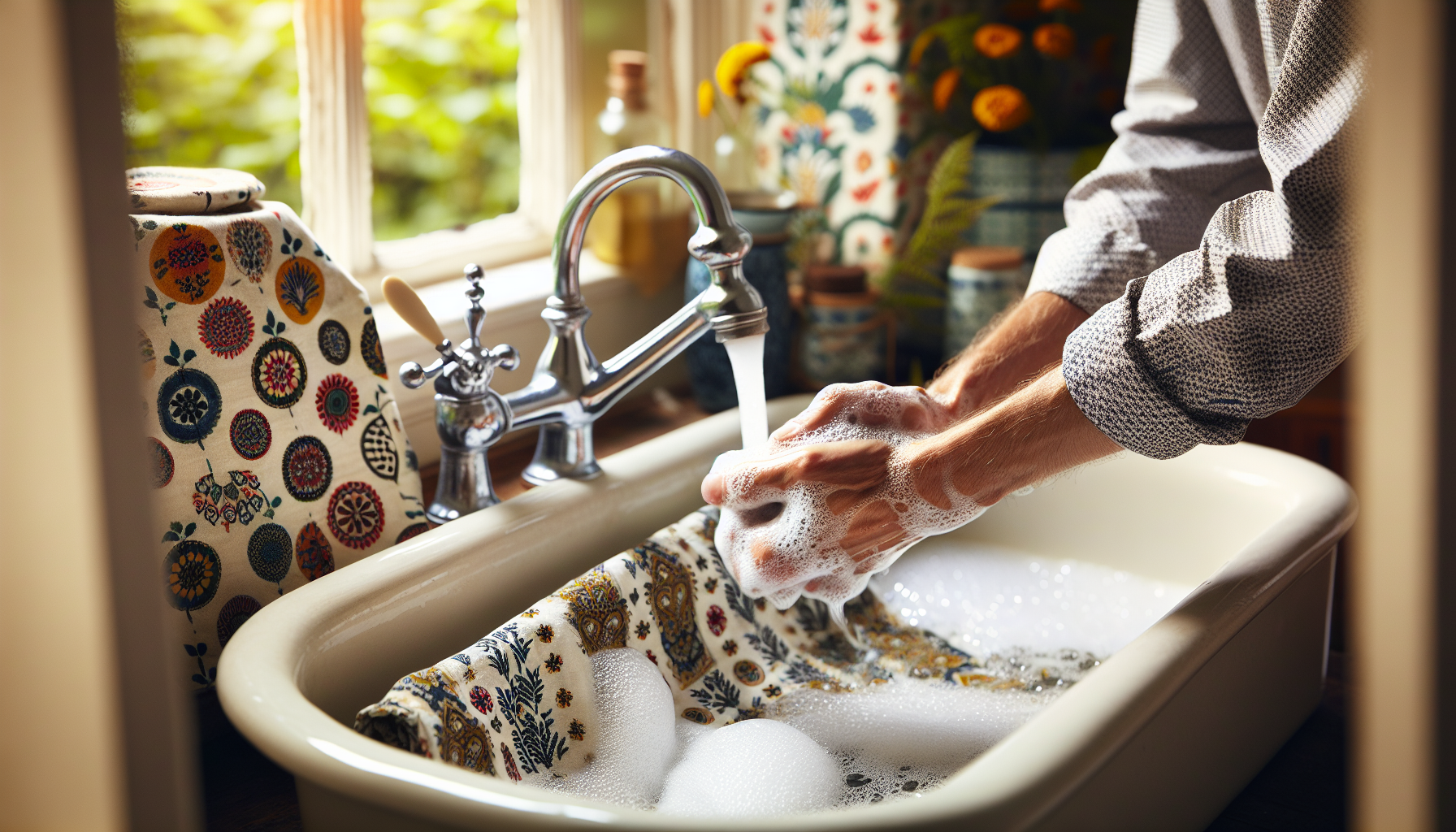
Image Source: images.surferseo.art
Why Regular Washing Matters
Kitchen towels are workhorses in the culinary world. They wipe up spills, dry dishes, handle hot pots, and often come into contact with raw food. This constant use makes them breeding grounds for bacteria and viruses. Without proper washing, these tiny organisms can transfer to your hands, food, and surfaces, posing a health risk. Think of them as sponges for germs – the more they absorb, the more they need a good cleaning.
The Germ Factor
Studies have shown that kitchen towels can harbor a significant amount of bacteria, including E. coli and Salmonella, especially if they are not washed regularly. This is why a consistent washing routine is not just about cleanliness, but also about sanitizing towels to ensure a healthy kitchen environment.
Preventing Cross-Contamination
Washing your kitchen towels frequently helps prevent cross-contamination. When a soiled towel touches a clean surface or food, it can spread whatever bacteria it carries. Regular washing breaks this chain.
Preparing Your Kitchen Towels for Washing
Before you toss your kitchen towels into the washing machine, a little preparation can go a long way in achieving the best results, especially when dealing with stubborn messes.
Sorting Your Laundry
It’s always a good idea to sort your laundry. Wash kitchen towels separately from other items, especially delicates or light-colored clothes. This prevents color bleeding and ensures that the towels get the cleaning attention they need without being weighed down by heavier fabrics.
Pre-Treating Stains
Stubborn stains are a common problem with kitchen towels. Before washing, it’s essential to tackle these directly.
Common Kitchen Towel Stains and Solutions
- Grease/Oil: Rub a small amount of laundry detergent or dish soap directly onto the stain. Let it sit for 10-15 minutes before washing.
- Tomato Sauce/Berries: A paste made from baking soda and water can be effective. Apply it to the stain, let it dry, then brush off before washing.
- Coffee/Tea: White vinegar can work wonders. Soak the stained area in a mixture of equal parts white vinegar and water for about 30 minutes.
These pre-treatment steps are part of the stain removal process that ensures your towels come out looking and feeling like new.
Dealing with Odors
Kitchen towels can sometimes develop unpleasant odors. If your towels smell a bit “off,” a pre-soak can help.
Pre-Soak for Odor Removal
- Fill a basin or your sink with warm water.
- Add about half a cup of white vinegar or a quarter cup of baking soda.
- Submerge the towels and let them soak for at least 30 minutes, or even a few hours for tough odors.
- This is a simple yet effective method for preventing odors before they become deeply ingrained.
The Washing Process: Step-by-Step
Now that your towels are prepped, it’s time for the main event – washing them thoroughly.
Choosing the Right Laundry Detergent
Selecting the right laundry detergent is key. For everyday washing, a good quality liquid or powder detergent will work. For tougher jobs or for sanitizing towels, you might consider a detergent with added enzyme boosters or opt for a natural alternative.
Natural Washing Boosters
For those who prefer homemade cleaning solutions, consider these:
- White Vinegar: Added to the rinse cycle, it acts as a natural fabric softener and disinfectant.
- Baking Soda: Adding half a cup to the wash cycle helps to boost the detergent’s cleaning power and combat odors.
- Lemon Juice: A natural bleaching agent that can help brighten whites and tackle some stains, though use with caution on colored fabrics.
Washing Machine Settings for Towels
The right washing machine settings ensure your towels get properly cleaned and don’t get damaged.
Recommended Washing Cycles and Temperatures
- Water Temperature: For sanitizing towels, hot water is generally recommended (140°F or 60°C). This temperature effectively kills bacteria and germs. However, check the care label on your towels; some materials might not withstand very hot water. If unsure, warm water is a good compromise. For delicate fabrics or if you’re concerned about shrinkage, a cooler wash is acceptable, but it might not be as effective for sanitizing.
- Wash Cycle: A normal or heavy-duty cycle is usually best for kitchen towels. This provides enough agitation to remove dirt and bacteria thoroughly. If your towels are made of delicate materials like certain types of microfiber towels, a more gentle cycle might be appropriate.
Load Size Matters
Don’t overcrowd the washing machine. Towels need plenty of space to move around freely in the water and laundry detergent. An overloaded machine means less effective cleaning and rinsing. Fill the machine about two-thirds full at most.
Special Considerations for Different Towel Types
Not all kitchen towels are created equal. The material they are made from will influence how they should be washed.
Cotton Towels
Cotton is durable and absorbent, making it a popular choice for kitchen towels.
- Washing: Cotton towels can generally handle hot water and robust cycles. They are also less prone to damage from bleach (use sparingly and only on white cotton).
Microfiber Towels
Microfiber towels are known for their excellent absorbency and streak-free cleaning power, especially for dishes and surfaces. However, they require a bit more care.
- Washing:
- Wash microfiber towels separately from other fabrics. Lint from other materials can stick to microfiber and reduce its effectiveness.
- Avoid using fabric softener. Fabric softener can clog the tiny fibers in microfiber, making them less absorbent.
- Use a mild laundry detergent.
- Hot water is generally fine for sanitizing, but follow the manufacturer’s instructions.
- Avoid high heat in the dryer.
Linen Towels
Linen is highly absorbent and dries quickly, making it a good option for kitchens.
- Washing: Linen can be washed in warm or hot water. It’s durable but can wrinkle easily. Ironing while damp can help.
The Importance of Fabric Softener (and When to Avoid It)
Fabric softener is often used to make towels feel softer and reduce static cling. However, when it comes to kitchen towels, especially microfiber towels, using fabric softener can be counterproductive.
Why Avoid Fabric Softener on Kitchen Towels?
- Reduced Absorbency: Fabric softeners coat fibers with a chemical layer. This layer reduces the towel’s ability to absorb liquids, which is a primary function of kitchen towels.
- Build-up: Over time, fabric softener can build up on towels, making them feel waxy and less effective.
If you desire softness, consider adding a quarter cup of white vinegar to the rinse cycle. It acts as a natural fabric softener without the drawbacks.
Drying Kitchen Towels Effectively
Proper drying is just as crucial as washing for maintaining hygiene and preventing musty smells.
The Best Way to Dry Towels
-
Machine Drying:
- Heat Settings: For most cotton towels, a medium to high heat setting is appropriate. This helps to kill lingering germs and ensures the towels are thoroughly dry. For microfiber towels, always use a low or no-heat setting. High heat can melt the synthetic fibers, rendering them useless.
- Don’t Over-Dry: Over-drying can cause towels to become stiff and brittle, and it wastes energy. Remove towels from the dryer when they are just slightly damp.
- Lint Filter: Clean the lint filter after each load to maintain dryer efficiency and prevent fire hazards.
-
Air Drying:
- Hanging: Hang towels on a drying rack or clothesline where they can get good air circulation. Spread them out so they dry evenly. Avoid bunching them up.
- Sunlight: If possible, air dry towels in direct sunlight. Sunlight is a natural disinfectant and can help kill bacteria and brighten whites.
Why Prompt Drying is Key
Leaving damp towels bunched up in a hamper or on a counter creates the perfect environment for mold and mildew to grow, leading to persistent odors. Ensuring your towels are completely dry after washing is vital for preventing odors.
Maintaining Freshness and Hygiene Between Washes
Even with regular washing, there are things you can do to keep your kitchen towels fresher for longer.
Proper Storage
- Always ensure towels are completely dry before folding or hanging them up.
- Hang them on hooks or racks so air can circulate. Avoid leaving them in a damp pile.
Dedicated Towels for Different Tasks
It’s a good practice to have different towels for different jobs.
- Dish Towels: For drying dishes and cutlery.
- Hand Towels: For drying hands.
- All-Purpose Towels: For general wiping, spills, and cleaning surfaces.
- Cleaning Cloths: For tasks involving raw meat or heavy grease.
Using dedicated towels for specific tasks helps to reduce the transfer of germs and makes washing more targeted.
Regular Replacement
Even with the best washing practices, towels will eventually wear out. Look for signs of fraying, thinning, or persistent odors that washing can no longer remove. It’s often best to replace worn-out towels to maintain hygiene standards.
Troubleshooting Common Towel Issues
Sometimes, even with diligent washing, towels can develop problems.
Lingering Odors
If towels still smell after washing and drying, try a hotter wash with an extra rinse cycle. Adding white vinegar or baking soda to the wash is also a good strategy. If the odor persists, the towels might have an unseen build-up of bacteria or residue.
Stiff Towels
Stiff towels are often a result of using too much detergent, not rinsing thoroughly, or using fabric softener. Try washing them again with less detergent and adding white vinegar to the rinse cycle. Air drying can also sometimes make towels feel stiffer than machine drying.
Reduced Absorbency
As mentioned, fabric softener and excessive heat in the dryer are common culprits for reduced absorbency, especially with microfiber towels. A vinegar rinse can sometimes help strip away residue and restore absorbency.
Summary of the Best Way to Wash Towels
To recap, the best way to wash towels, particularly kitchen towels, involves a few key steps:
- Sort: Keep kitchen towels separate from other laundry.
- Pre-treat: Address stains with appropriate stain removal techniques.
- Soak (if needed): Use vinegar or baking soda for sanitizing towels and preventing odors.
- Wash: Use hot water and a normal/heavy-duty cycle with a good laundry detergent. Avoid fabric softener.
- Dry: Use appropriate heat settings for the material and ensure towels are completely dry. Avoid over-drying.
- Store: Hang them to allow air circulation.
By following these guidelines, you can ensure your kitchen towels remain clean, fresh, and hygienic, contributing to a healthier home.
Frequently Asked Questions (FAQ)
Q1: How often should I wash my kitchen towels?
It’s recommended to wash kitchen towels every two to three days, or more frequently if they become visibly soiled or damp.
Q2: Can I use bleach on my kitchen towels?
Yes, you can use bleach on white cotton kitchen towels to help with stain removal and sanitizing towels. However, use it sparingly, as overuse can weaken fibers over time. Never use bleach on colored towels or microfiber towels unless the care label specifically allows it.
Q3: What is the best temperature to wash kitchen towels?
For effective germ killing and sanitizing towels, hot water (around 140°F or 60°C) is ideal. If your towels are made of materials that cannot withstand hot water, use warm water.
Q4: Can I wash kitchen towels with regular laundry?
It’s generally best to wash kitchen towels separately to prevent cross-contamination and to allow them to be washed on appropriate settings and temperatures.
Q5: What can I use instead of fabric softener for kitchen towels?
White vinegar is an excellent alternative. Add about a quarter cup to the rinse cycle of your washing machine. It softens fabrics and helps remove detergent residue without impacting absorbency.
Q6: How do I get rid of persistent smells in my kitchen towels?
Try a pre-soak with white vinegar or baking soda, followed by washing in hot water with an extra rinse cycle. If odors persist, the towels may need to be replaced.
Q7: Are microfiber towels harder to wash?
Yes, microfiber towels require special care. Avoid fabric softener and high heat in the dryer, and always wash them separately to maintain their absorbency and effectiveness.
Q8: Can I use homemade cleaning solutions to wash my towels?
Yes, natural options like white vinegar and baking soda can be effective for boosting cleaning power and preventing odors.
This comprehensive guide should provide you with all the information needed to keep your kitchen towels impeccably clean and hygienic.