Thinking about opening a cloud kitchen in the USA? You’re in the right place. A cloud kitchen, also known as a ghost kitchen startup, dark kitchen startup, or delivery-only restaurant USA, operates without a physical storefront for dine-in customers. It focuses solely on preparing food for delivery or takeout. Can you make a profit with this model? Absolutely, by leveraging technology and smart operations, many entrepreneurs are finding success in the booming online food business.
The rise of food delivery apps has paved the way for a new era of restaurants. Cloud kitchens, or food delivery kitchens USA, are at the forefront of this revolution. They offer a more agile, cost-effective, and scalable alternative to traditional brick-and-mortar establishments. This guide will walk you through every step, from conceptualizing your business to launching and growing your virtual restaurant USA.
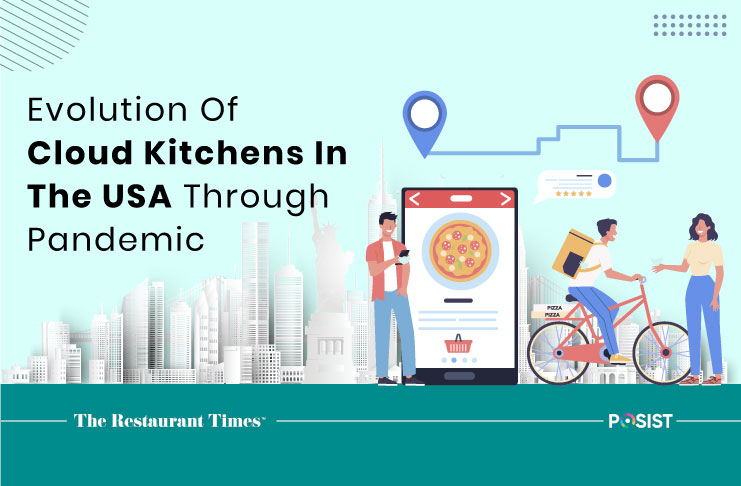
Image Source: www.posist.com
Deciphering the Cloud Kitchen Model
A cloud kitchen is essentially a professional food preparation and cooking facility set up exclusively for the preparation of delivery-only meals. It’s an online food business that exists purely in the digital realm, partnering with third-party delivery services like DoorDash, Uber Eats, and Grubhub to reach customers. They don’t have a customer-facing dining area, which significantly reduces overhead costs associated with rent, front-of-house staff, and décor.
Key Components of a Cloud Kitchen
- Delivery Focus: The entire operation is geared towards efficient food preparation and packaging for delivery drivers.
- Technology Integration: Relies heavily on online ordering platforms, kitchen management software, and delivery fleet coordination.
- Location Flexibility: Can be situated in areas with lower rental costs, as foot traffic is not a concern.
- Brand Agnosticism: Often, multiple brands can operate from a single cloud kitchen facility.
Advantages of a Cloud Kitchen Business
- Lower Startup Costs: No need for expensive prime real estate, elaborate décor, or large front-of-house staff.
- Operational Efficiency: Streamlined processes focused on cooking and delivery.
- Flexibility and Scalability: Easy to test new concepts, menus, and brands without significant investment. Can expand to new locations quickly.
- Wider Reach: Access to a larger customer base through various delivery platforms.
- Data-Driven Decisions: Access to customer data and order trends to optimize menus and operations.
Crafting Your Cloud Kitchen Business Plan USA
A solid cloud kitchen business plan USA is crucial for guiding your startup and securing funding. It should clearly outline your vision, strategy, and financial projections.
1. Market Research and Concept Development
Before anything else, dive deep into the market.
- Identify Target Audience: Who are you serving? Busy professionals, students, families?
- Analyze Competition: What other delivery-only restaurants are in your target delivery zones? What are their strengths and weaknesses?
- Menu Engineering: What cuisine will you offer? What dishes will be popular for delivery? Consider ease of preparation, transportability, and cost-effectiveness.
- Branding and Story: What makes your virtual restaurant USA unique? Develop a compelling brand identity and narrative.
Considerations for Menu Development:
- Delivery Durability: Foods that hold up well during transit and don’t degrade in quality.
- Ingredient Sourcing: Reliable suppliers for fresh, quality ingredients.
- Profit Margins: Pricing dishes to ensure profitability after ingredient costs, labor, and delivery fees.
2. Choosing Your Operational Model
There are several ways to set up your cloud kitchen operations:
- Independent Cloud Kitchen: You rent or build your own dedicated kitchen space. This offers maximum control but requires a larger initial investment.
- Commissary Kitchen USA: You rent space within a larger, shared commercial kitchen facility. This is a cost-effective option, especially for a ghost kitchen startup, as it often includes shared equipment and utilities. A commissary kitchen usa can be a great starting point.
- Third-Party Cloud Kitchen Providers: Companies that build and manage kitchen facilities and rent out individual kitchen units to multiple brands. This is a highly flexible and low-commitment option, ideal for those exploring different concepts or needing a shared kitchen space USA.
Table: Operational Model Comparison
| Feature | Independent Cloud Kitchen | Commissary Kitchen USA | Third-Party Cloud Kitchen |
|---|---|---|---|
| Initial Investment | High | Medium | Low |
| Control | High | Medium | Low |
| Flexibility | Medium | High | Very High |
| Overhead Costs | High | Medium | Low |
| Ideal For | Established brands, scaling | Startups, testing concepts | New ventures, rapid testing |
3. Legal and Regulatory Requirements
Navigating the legal landscape is critical.
- Business Registration: Register your business with the state and obtain an Employer Identification Number (EIN).
- Food Service Permits and Licenses: Obtain all necessary health department permits, food handler certifications, and business licenses. Requirements vary by state and municipality.
- Zoning Laws: Ensure your chosen location complies with local zoning regulations for commercial kitchens.
- Food Safety Standards: Adhere to FDA regulations and implement strict food safety protocols.
4. Financial Planning and Funding
- Startup Budget: Detail all anticipated expenses, including rent, equipment, licensing, initial inventory, marketing, and operational software.
- Funding Sources: Explore options like personal savings, loans from financial institutions, angel investors, or venture capital. A well-structured cloud kitchen business plan USA is essential for attracting investors.
- Pricing Strategy: Develop a pricing model that covers costs and ensures profitability while remaining competitive.
5. Technology Stack
Your tech stack is the backbone of your operation.
- Point of Sale (POS) System: To manage orders from various platforms.
- Online Ordering Platform: Either direct via your website or integrated with delivery apps.
- Kitchen Display System (KDS): To streamline order flow within the kitchen.
- Inventory Management Software: To track stock and reduce waste.
- Delivery Management Software: To optimize delivery routes if you manage your own fleet.
Setting Up Your Food Delivery Kitchen USA
Once your plan is in place, it’s time to set up your physical space and operations.
1. Location, Location, Location (Even Without a Storefront)
While you don’t need a prime retail spot, location still matters.
- Proximity to Target Customers: Choose an area with a high density of your target demographic for delivery.
- Accessibility for Delivery Drivers: Easy access to major roads and delivery routes is vital.
- Cost-Effectiveness: Look for industrial or commercial zones with lower rental rates. A commercial kitchen rental USA can be a good option if you don’t want to invest in your own facility immediately.
- Infrastructure: Ensure adequate utilities (gas, electricity, water) and ventilation.
2. Equipping Your Cloud Kitchen
The equipment you need will depend on your menu, but some essentials include:
- Cooking Equipment: Ovens, ranges, fryers, grills, steamers, etc.
- Refrigeration: Walk-in coolers, freezers, reach-in refrigerators.
- Food Preparation Equipment: Mixers, slicers, choppers, worktables.
- Storage: Shelving, containers for dry goods and prepped ingredients.
- Washing and Sanitation: Three-compartment sinks, dishwashers, handwashing stations.
- Packaging Equipment: Insulated bags, containers, labels.
Table: Essential Cloud Kitchen Equipment
| Category | Equipment Examples |
|---|---|
| Cooking | Commercial Ovens, Ranges, Grills, Fryers, Microwaves, Woks |
| Refrigeration | Walk-in Coolers/Freezers, Reach-in Refrigerators/Freezers, Undercounter Units |
| Preparation | Commercial Mixers, Food Processors, Slicers, Dough Sheeters, Cutting Boards, Knives |
| Storage | Stainless Steel Shelving, Food Storage Containers, Cabinets |
| Washing/Sanitation | Three-Compartment Sinks, Dishwashers, Handwashing Sinks, Sanitizing Stations |
| Packaging | Insulated Delivery Bags, Food Containers, Sealing Machines, Label Printers |
| Ventilation | Commercial Hoods, Exhaust Fans |
| Fire Safety | Fire Extinguishers, Fire Suppression Systems |
3. Staffing Your Ghost Kitchen Startup
Even without a front-of-house, you’ll need a dedicated team.
- Kitchen Staff: Chefs, cooks, prep cooks, dishwashers.
- Order Management/Dispatch: Staff to handle incoming orders and coordinate with delivery drivers.
- Management: Kitchen manager, operations manager.
Key Staffing Considerations:
- Skillset: Hire experienced cooks and reliable staff.
- Training: Ensure all staff are trained in food safety, hygiene, and your specific operational procedures.
- Teamwork: Foster a collaborative environment for efficient workflow.
4. Partnering with Delivery Platforms
This is where your virtual restaurant USA connects with customers.
- Choosing Platforms: Research the most popular delivery apps in your service area (DoorDash, Uber Eats, Grubhub, Postmates, etc.).
- Onboarding Process: Understand their commission structures, payment terms, and onboarding requirements.
- Menu Optimization for Platforms: Use high-quality photos and compelling descriptions for your menu items.
- Managing Multiple Platforms: Consider using a tablet or aggregation software to manage orders from various sources efficiently.
5. Building Your Online Presence
Beyond delivery apps, a strong online presence is vital for your online food business USA.
- Website: Create a professional website with your menu, brand story, and potentially direct ordering capabilities.
- Social Media Marketing: Engage with potential customers on platforms like Instagram, Facebook, and TikTok. Share appealing food photos, promotions, and behind-the-scenes content.
- Search Engine Optimization (SEO): Optimize your website and online listings to appear in local searches for “delivery restaurants near me” or specific cuisines.
- Customer Reviews: Encourage and respond to customer reviews on delivery platforms and other online directories.
Optimizing Operations for Success
Running a successful food delivery kitchen USA requires continuous optimization.
1. Inventory Management
Efficient inventory management reduces waste and controls costs.
- First-In, First-Out (FIFO): Ensure older ingredients are used before newer ones.
- Regular Audits: Conduct regular stock checks to identify discrepancies.
- Demand Forecasting: Use sales data to predict ingredient needs and avoid overstocking or shortages.
2. Kitchen Workflow and Efficiency
Streamline your kitchen processes for speed and accuracy.
- Station Setup: Organize your kitchen stations logically to minimize movement and enhance efficiency.
- Standardized Recipes: Ensure consistency in taste and preparation across all dishes.
- Order Batching: Group similar orders or prepare components in advance where possible.
3. Quality Control
Maintaining food quality is paramount for customer satisfaction and repeat business.
- Temperature Monitoring: Ensure all food is cooked to the correct internal temperatures and held safely.
- Packaging Standards: Use appropriate packaging to keep food hot, fresh, and presentable upon arrival.
- Regular Taste Tests: Periodically sample dishes to ensure quality and consistency.
4. Data Analysis and Performance Tracking
Leverage the data generated by your operations.
- Sales Performance: Track which menu items are most popular and profitable.
- Delivery Times: Monitor average delivery times to identify bottlenecks.
- Customer Feedback: Analyze reviews and feedback to identify areas for improvement.
- Cost Analysis: Keep a close eye on food costs, labor costs, and commission fees.
Scaling Your Cloud Kitchen Business
Once your initial ghost kitchen startup is performing well, consider strategies for growth.
- Expanding Menu Offerings: Introduce new dishes or seasonal specials based on customer demand and market trends.
- Launching New Virtual Brands: Utilize your existing kitchen infrastructure to operate multiple virtual restaurant USA brands, catering to different cuisines or dietary needs.
- Expanding Delivery Zones: Gradually increase your delivery radius as you grow, potentially by opening new kitchen locations.
- Direct-to-Consumer (DTC) Channels: Explore developing your own branded delivery app or website to reduce reliance on third-party platforms and their commissions.
- Partnerships: Collaborate with local businesses or event organizers for catering opportunities.
Frequently Asked Questions (FAQ)
Q1: What are the biggest challenges in running a cloud kitchen in the USA?
A1: Key challenges include intense competition, managing multiple delivery platforms, maintaining food quality during transit, controlling delivery costs, and adapting to changing consumer preferences.
Q2: How much does it cost to start a cloud kitchen in the USA?
A2: Costs can vary significantly, ranging from $10,000 to over $100,000. Factors include whether you rent a space, buy equipment, the size of your operation, and your initial marketing budget. Renting a commissary kitchen USA or using a shared kitchen space USA can significantly lower initial costs.
Q3: Can I operate multiple brands from one cloud kitchen?
A3: Yes, this is a significant advantage of the cloud kitchen model. You can leverage your kitchen and staff to operate several distinct virtual restaurant USA brands, maximizing asset utilization and reaching diverse customer segments.
Q4: What is the difference between a cloud kitchen and a ghost kitchen?
A4: The terms are often used interchangeably. A cloud kitchen generally refers to the facility and operational model, while “ghost kitchen” emphasizes the lack of a physical storefront and its purely online, delivery-focused nature.
Q5: Do I need my own delivery drivers?
A5: Not necessarily. Most delivery-only restaurant USA businesses start by partnering with third-party delivery services like DoorDash, Uber Eats, and Grubhub. However, some businesses may opt for their own delivery fleet for greater control and potentially lower long-term costs as they scale.
Q6: How do I ensure my food arrives fresh and hot?
A6: This is critical for customer satisfaction. Use high-quality, insulated delivery bags, appropriate food containers that maintain temperature and prevent sogginess, and ensure efficient handoff times between the kitchen and the delivery driver.
Q7: What are the essential permits needed to operate a cloud kitchen?
A7: You’ll typically need a business license, a food service permit from your local health department, food handler permits for staff, and potentially zoning permits depending on your location. It’s crucial to research the specific requirements for your city and state.
Conclusion
Starting a cloud kitchen in the USA presents an exciting opportunity to enter the booming food delivery market with greater flexibility and lower overhead than traditional restaurants. By meticulously planning your business, understanding your market, choosing the right operational model, and focusing on quality and efficiency, you can build a successful online food business USA. Whether you opt for your own facility, a commissary kitchen USA, or a shared kitchen space USA, a well-executed cloud kitchen business plan USA is your roadmap to success in the dynamic world of delivery-only restaurants USA. Embrace the technology, stay adaptable, and get ready to serve up delicious meals to a growing customer base.