
If you’re wondering about the cost of renting a commercial kitchen, the answer varies widely, but generally, you can expect to pay anywhere from $300 to $3,000 or more per month, depending on factors like location, amenities, access hours, and the type of kitchen space you need.
Starting or growing a food business often requires access to professional kitchen facilities. For many small businesses and entrepreneurs, rent commercial kitchen space is a more feasible and cost-effective solution than building their own. This blog post dives deep into the world of commercial kitchen rentals, breaking down the costs involved and helping you make an informed decision.
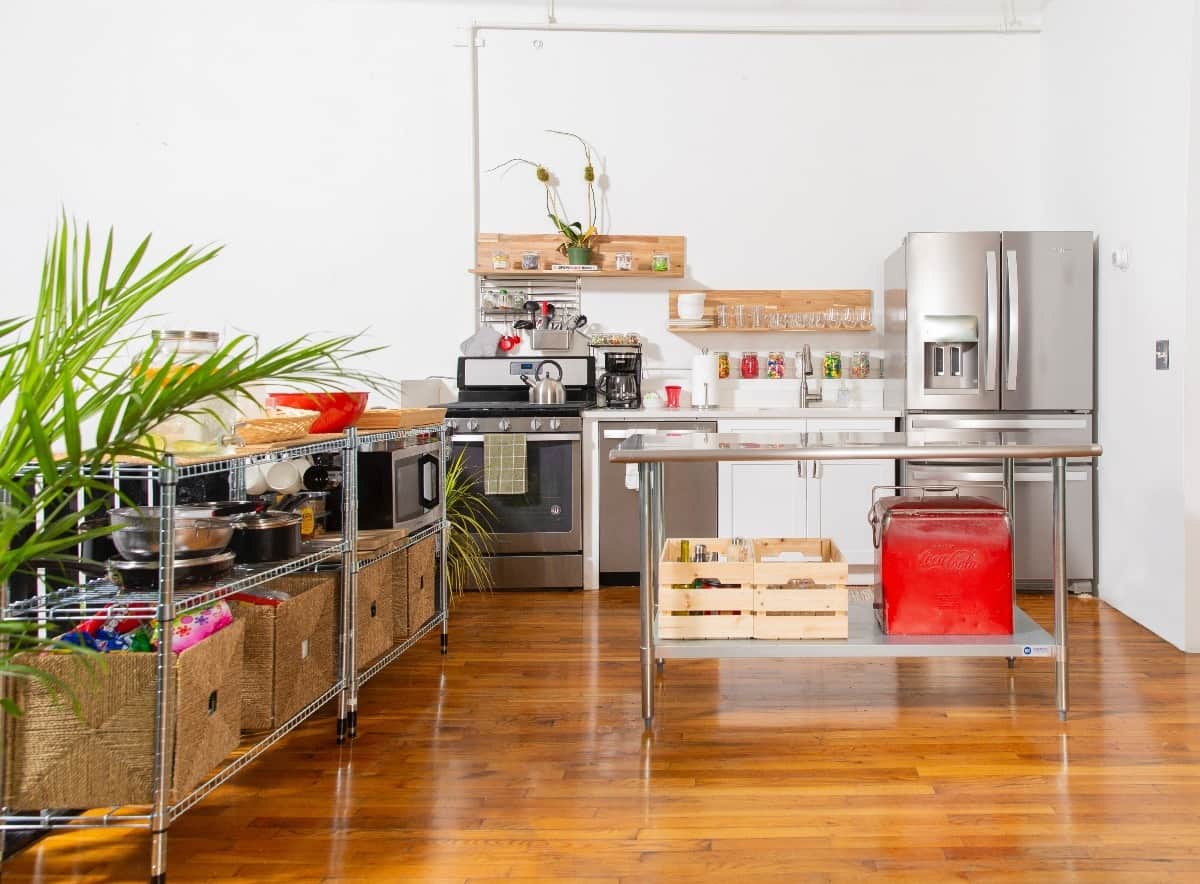
Image Source: www.peerspace.com
Deciphering Commercial Kitchen Rental Rates
Commercial kitchen rental rates are not one-size-fits-all. They are influenced by a multitude of elements, each contributing to the final price tag. Understanding these components is crucial for budgeting and finding a space that aligns with your business needs and financial capabilities.
Factors Affecting Kitchen Rental Costs
Several key factors dictate how much you’ll pay to rent commercial kitchen space monthly:
- Location, Location, Location: Just like any real estate, prime locations in bustling urban centers or popular culinary districts will command higher prices than kitchens in suburban or rural areas. High foot traffic and proximity to suppliers can be beneficial but come at a premium.
- Size and Square Footage: The amount of space you need directly impacts the cost. Larger kitchens with more prep areas, storage, and specialized equipment will naturally be more expensive.
- Type of Kitchen:
- Shared Kitchens: These are facilities where multiple food businesses share the same cooking areas, equipment, and sometimes even storage. Shared kitchen costs are generally lower as expenses are divided among users.
- Dedicated Kitchens: You rent a specific, private kitchen space within a larger facility. This offers more control and privacy but at a higher price point.
- Commissary Kitchens: Often used by food trucks and caterers, these facilities provide a base of operations, including cooking, storage, and waste disposal. Commissary kitchen fees can vary based on the services offered.
- Equipment Availability: The range and quality of equipment provided play a significant role. Kitchens with state-of-the-art ovens, specialized mixers, ample refrigeration, or unique cooking appliances will likely have higher rental rates.
- Hours of Access: Some kitchens offer 24/7 access, while others have set operating hours. Unlimited access typically comes with a higher monthly fee.
- Included Amenities: Beyond basic cooking facilities, consider what else is included. This could be pantry storage, refrigerated/frozen storage, dishwashing services, waste disposal, cleaning supplies, parking, and even office space. The more amenities, the higher the cost.
- Lease Term: Shorter leases might have higher per-month rates, while longer commitments can sometimes secure discounts.
- Ancillary Services: Some providers offer additional services like marketing support, business consulting, or even help with sourcing ingredients. These add-ons will increase the overall cost.
Exploring Shared Kitchen Costs
Shared kitchen costs are often the most attractive option for startups and small business kitchen rental. The fundamental principle here is shared overhead. Instead of bearing the full cost of a facility, equipment, and utilities, these expenses are distributed among multiple tenants.
What to Expect with Shared Kitchen Rentals
When you opt for a shared kitchen, you’re typically renting a workstation or a specific amount of time in a communal cooking environment. This model is highly beneficial for businesses that don’t require a full-time, dedicated space.
- Lower Initial Investment: The upfront costs for shared kitchens are significantly lower compared to leasing an entire commercial space.
- Access to Professional Equipment: You gain access to commercial-grade ovens, ranges, mixers, refrigeration, and more, which would be prohibitively expensive to purchase individually.
- Utilities Included: Most shared kitchen rentals include utilities like electricity, gas, water, and sometimes even internet in the monthly fee, simplifying budgeting.
- Flexibility: Many shared kitchens offer flexible rental agreements, from hourly to monthly packages, allowing businesses to scale their usage as needed.
- Networking Opportunities: Sharing a space with other food entrepreneurs can foster a collaborative environment, offering opportunities for shared learning and potential partnerships.
Typical Shared Kitchen Cost Structures
Shared commercial kitchen cost can be structured in several ways:
- Hourly Rentals: This is the most flexible option, ideal for very small operations or those testing the market. Rates can range from $25 to $75 per hour.
- Block Time Rentals: You might purchase blocks of hours, such as 40 or 80 hours per month, often at a slightly reduced hourly rate.
- Monthly Memberships: This provides a set amount of access per month, often with tiered pricing based on the number of hours or the type of space reserved. This is where you’ll find the monthly commercial kitchen rent figures often quoted.
- Dedicated Stations or Pods: Some shared facilities offer private, partitioned workstations for a higher monthly fee, providing a bit more separation and dedicated storage.
Table 1: Estimated Monthly Costs for Shared Commercial Kitchen Rental
| Rental Structure | Typical Monthly Cost Range | What’s Usually Included | Best For |
|---|---|---|---|
| Part-Time (20-40 hrs) | $500 – $1,200 | Shared workspace, basic equipment, limited storage | Startups, bakers, caterers with moderate volume, product testing |
| Full-Time (80-120 hrs) | $1,000 – $2,500 | More dedicated time, access to more equipment, more storage | Growing businesses, caterers, food truck operators, product development |
| Dedicated Station | $1,500 – $3,000+ | Semi-private space, dedicated storage, priority equipment access | Businesses needing more privacy, consistent workflow, higher production volume |
The Economics of Commissary Kitchen Fees
Commissary kitchen fees are often associated with a broader range of services beyond just cooking space. These facilities are designed to be comprehensive operational hubs for food businesses, especially those on the go like food truck operators.
What Commissary Kitchens Offer
A commissary kitchen typically provides:
- Food Preparation and Cooking Areas: Access to professional cooking equipment.
- Storage: Dry storage, refrigerated storage, and frozen storage are usually available.
- Water and Waste Disposal: Critical for food safety and compliance, especially for mobile food vendors.
- Vehicle Servicing (for Food Trucks): This can include water tank filling, grey water disposal, and propane refills.
- Permitting and Licensing Support: Some commissaries can assist with navigating the complex world of food permits.
- Loading Docks and Parking: Essential for businesses that move large quantities of food or operate mobile units.
Calculating Commissary Kitchen Costs
Commissary kitchen fees can be structured in various ways:
- Monthly Membership: This is common and can range from $500 to $2,500 per month, depending on the level of access and services.
- Usage-Based Fees: You might pay a base membership fee plus charges for specific services used, such as extra storage or vehicle servicing.
- Package Deals: Some commissaries offer bundles that include a certain number of kitchen hours, storage units, and vehicle services for a set monthly price.
The cost of a commissary kitchen fees is often higher than a basic shared kitchen because it includes more comprehensive support and infrastructure tailored to specific business models.
Renting Industrial Kitchen Space
When your business scales and requires more robust, specialized, or larger-scale production, you might look into leasing industrial kitchen lease agreements. These are typically for larger, more specialized kitchens or dedicated areas within larger food manufacturing facilities.
What an Industrial Kitchen Lease Entails
An industrial kitchen lease is more akin to a traditional commercial real estate lease. You might be renting:
- A Self-Contained Kitchen Unit: A private kitchen space with its own entrances, equipment, and utilities.
- A Portion of a Larger Food Production Facility: You share the building but have your own designated cooking areas.
- Specialized Production Lines: This could be for specific processes like baking, canning, or processing.
Costs Associated with Industrial Kitchen Leases
Industrial kitchen lease agreements are generally more expensive due to the scale and exclusivity.
- Base Rent: This is the core cost for the physical space. Prices vary dramatically by location and size, but expect to pay $10-$30 per square foot per year or more. For a 1,000 sq ft industrial kitchen, this could be $833 – $2,500+ per month in base rent alone.
- CAM (Common Area Maintenance) Fees: If you’re leasing space within a larger facility, you’ll likely contribute to the maintenance of shared areas, such as hallways, parking lots, and common restrooms.
- Utilities: While some leases might include certain utilities, it’s more common for industrial leases to have tenants responsible for their own electricity, gas, water, and waste disposal. This can add hundreds to thousands of dollars monthly depending on usage.
- Equipment Costs: Unlike shared kitchens, industrial leases often expect tenants to provide or lease their own specialized equipment. The cost of purchasing or leasing professional-grade equipment can be substantial, running into tens or even hundreds of thousands of dollars.
- Build-Out and Renovation: Depending on the existing infrastructure, you might need to invest in custom build-outs to meet your specific production needs and health code requirements. This can be a significant upfront cost.
- Insurance: Commercial liability insurance is mandatory and adds to the monthly expenses.
- Property Taxes: In some lease structures, tenants may be responsible for a portion of the property taxes.
An industrial kitchen lease is a significant commitment and requires a business with a well-established plan and substantial capital.
Understanding Monthly Commercial Kitchen Rent
The term monthly commercial kitchen rent is broad and can encompass various rental models. The key is to look beyond the headline number and scrutinize what is included in that price.
What’s Typically Covered in Monthly Rent
For shared and commissary kitchens, the monthly rent usually covers:
- Access to Cooking Equipment: Ovens, stovetops, fryers, grills, mixers, etc.
- Prep Space: Countertops and workstations.
- Basic Utilities: Electricity, gas, water.
- Sanitation and Cleaning: Use of dishwashing facilities, general cleaning of common areas.
- Waste Disposal: General trash removal.
What’s Often an Additional Cost
Be aware of costs that are frequently not included:
- Specialized Equipment: Unless specifically listed, high-end or niche equipment may have extra rental fees or require you to bring your own.
- Dedicated Storage: Refrigerated, frozen, or dry storage units are often rented separately.
- Propane/Gas Tanks: Refills may be an extra charge.
- Specialized Waste Disposal: Such as grease trap cleaning or disposal of specific industrial waste.
- Insurance: Business liability insurance is almost always your responsibility.
- Marketing or Administrative Fees: Some facilities might add these.
Kitchen Rental Pricing: Beyond the Monthly Fee
When evaluating kitchen rental pricing, consider the total cost of doing business in that space.
Hidden Costs to Anticipate
- Security Deposits: Most rentals require a deposit, which can range from one to three months’ rent.
- Application Fees: Some facilities charge a fee to process your rental application.
- Cleaning Fees: While common areas are usually cleaned by staff, you may be responsible for cleaning your specific workstation after use, or there might be a mandatory cleaning fee.
- Maintenance Charges: Beyond basic upkeep, you might be charged for damage caused by your operations.
- Insurance Premiums: As mentioned, business insurance is essential.
- Permit and Licensing Fees: Ensure you understand which permits are required for your business and if the kitchen facility has any associated fees for shared use.
Commercial Kitchen Hourly Rates
For businesses with very sporadic or low-volume needs, commercial kitchen hourly rates can be an attractive option. This allows you to pay only for the time you actually use the facilities and equipment.
Who Benefits from Hourly Rentals?
- Bakers: Making small batches of pastries or custom cakes.
- Caterers: For specific events requiring off-site prep.
- Food Truck Operators: For occasional prep work or deep cleaning of their units.
- Product Developers: Testing new recipes or creating samples.
- Pop-Up Chefs: Using the kitchen for short-term events.
Factors Influencing Hourly Rates
- Time of Day/Week: Peak hours or weekend slots might cost more.
- Equipment Usage: Using specialized equipment like blast chillers or deep fryers might incur higher hourly charges.
- Level of Support: Does the hourly rate include supervision or assistance?
- Minimum Rental Time: Some facilities have a minimum booking period, even if you only need an hour.
Table 2: Typical Hourly Rates for Commercial Kitchen Usage
| Service Type | Typical Hourly Rate Range | What’s Usually Included |
|---|---|---|
| Basic Prep Station | $20 – $40 | Counter space, sink, access to common equipment |
| Full Kitchen Access | $40 – $75+ | All standard cooking equipment, prep space, storage options |
| Specialized Equipment Use | Additional $5 – $20/hr | Specific machinery like mixers, dehydrators, smokers |
Small Business Kitchen Rental: Finding Your Fit
As a small business kitchen rental, your primary goals are cost-effectiveness, flexibility, and access to the necessary tools without a massive capital outlay.
Key Considerations for Small Businesses
- Budget: How much can you realistically afford to spend per month?
- Usage Needs: How many hours per week or month do you anticipate needing kitchen space?
- Equipment Requirements: What specific equipment is essential for your product?
- Scalability: Does the rental space allow for growth? Can you increase your hours or move to a larger space within the same facility if needed?
- Location and Accessibility: Is the kitchen conveniently located for you, your suppliers, and your customers?
- Health and Safety Compliance: Ensure the facility meets all local health department regulations.
- Support and Community: Some kitchens offer more than just space; they offer mentorship and a supportive community.
Negotiating Your Lease
Don’t be afraid to negotiate terms, especially for longer commitments or if you’re signing during a slower period for the facility.
Tips for Negotiation
- Know Your Worth: Research the market rates in your area.
- Be Prepared: Have a clear business plan and financial projections.
- Offer a Longer Commitment: If you can commit to 12 or 24 months, you might get a better rate.
- Ask for Inclusions: Can they include extra storage, cleaning services, or a period of reduced rent to help with your initial setup?
- Understand the Contract: Read every clause carefully and consult with a legal professional if necessary.
Frequently Asked Questions (FAQ)
Q: What is the average monthly cost for a commercial kitchen rental?
A: The average monthly cost can range from $300 for a very basic shared setup to $3,000 or more for a dedicated space with extensive amenities or an industrial lease. Shared kitchens are typically at the lower end of this spectrum.
Q: Can I rent a commercial kitchen for just a few hours a week?
A: Yes, many facilities offer hourly rentals or flexible packages that cater to businesses needing only a few hours per week. This is often the most cost-effective solution for very small operations.
Q: What is a commissary kitchen, and how does it differ from a shared kitchen?
A: A commissary kitchen is a licensed facility that provides food preparation and storage areas, often catering to food trucks and caterers. They typically offer a more comprehensive suite of services, including vehicle servicing and waste disposal, and may have higher fees than a basic shared kitchen.
Q: What are typical shared commercial kitchen costs?
A: Shared commercial kitchen costs usually involve monthly membership fees that can range from $500 to $2,500, depending on the hours of access and amenities. Hourly rates for shared kitchens might range from $25 to $75.
Q: What is included in monthly commercial kitchen rent?
A: Monthly commercial kitchen rent typically includes access to cooking equipment, prep space, and essential utilities like electricity and water. Storage, specialized equipment, and additional services are often extra.
Q: How much does it cost to rent commercial kitchen space for a food truck?
A: For food trucks, renting space in a commissary kitchen is common. Costs can range from $500 to $2,500 per month, often including storage, waste disposal, and access to cooking facilities.
Q: Is it cheaper to rent a commercial kitchen or build one?
A: For most small businesses and startups, renting is significantly cheaper than building your own commercial kitchen. Building a commercial kitchen requires substantial capital investment in construction, equipment, permits, and ongoing maintenance, often totaling hundreds of thousands of dollars.
Q: What is an industrial kitchen lease, and who needs one?
A: An industrial kitchen lease is typically for larger-scale food production or manufacturing. Businesses that need dedicated, larger spaces, specialized processing lines, or operate at a significant volume, like packaged food manufacturers, would require an industrial kitchen lease. These leases are more akin to traditional commercial real estate leases and are considerably more expensive.
Q: Are there any ways to reduce my kitchen rental costs?
A: Yes, you can reduce costs by: opting for shared kitchen spaces, renting during off-peak hours, negotiating longer lease terms, and only paying for the equipment you truly need. Carefully reviewing what’s included in the rent and avoiding unnecessary amenities can also help.
By carefully assessing your business needs and thoroughly researching available options, you can find a commercial kitchen rental that fits your budget and supports your culinary ambitions.