
Can you put out a kitchen fire with water? No, never use water on a grease fire because it can spread the flames. The most crucial first step when facing a kitchen fire is to stay calm and assess the situation. If the fire is small and contained, you might be able to extinguish it yourself. However, if the fire is spreading rapidly, your priority must be to evacuate yourself and others and call the fire department immediately. Understanding kitchen fire safety is paramount to preventing and effectively handling a cooking fire.
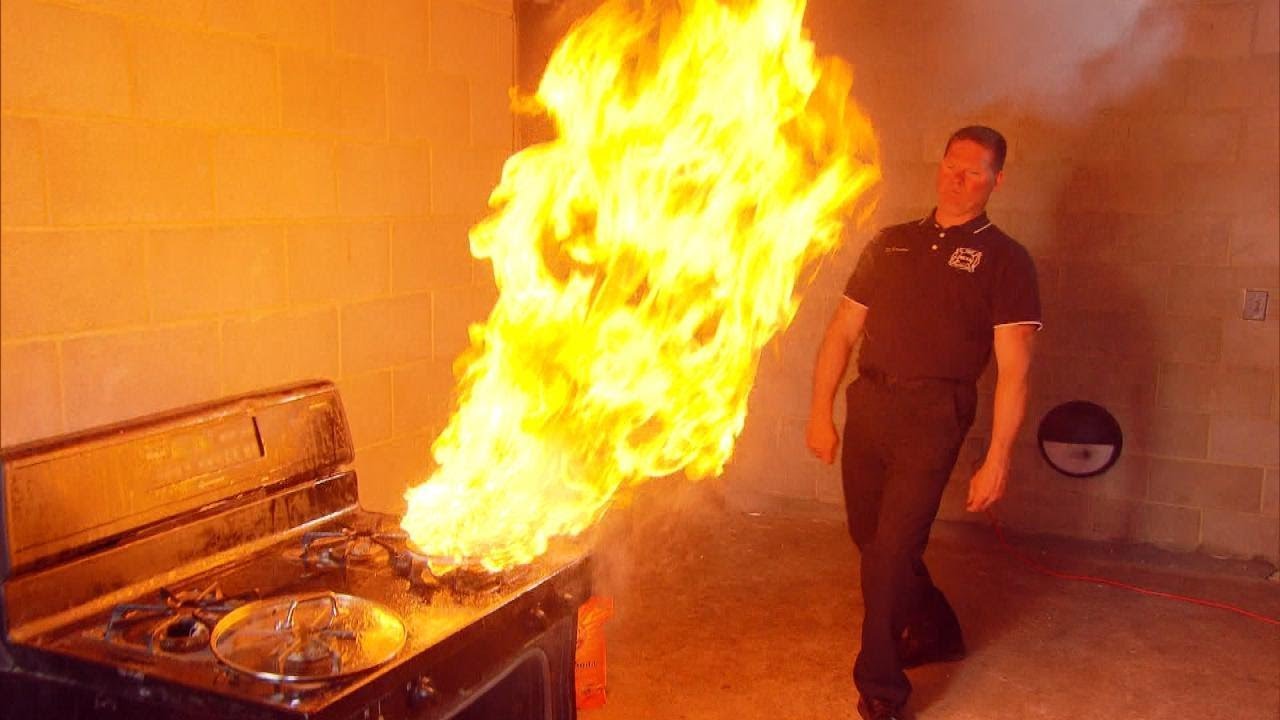
Image Source: i.ytimg.com
Recognizing Different Kitchen Fires
Kitchen fires aren’t all the same. Knowing what you’re dealing with helps you choose the right way to tackle it.
Stove Top Fires
These are perhaps the most common type of cooking fire. They often start when food is left unattended on the stove. Think of oil splattering, overheating, or food igniting.
- Causes:
- Leaving cooking food unattended.
- Cooking with oil or grease at too high a temperature.
- Oily rags or flammable materials too close to the stove.
Oven Fires
Ovens can also be a source of fires, often due to food debris that ignites.
- Causes:
- Accumulation of grease and food particles inside the oven.
- Self-cleaning cycle overheating.
- Placing flammable items in or on the oven.
Grease Fires
These are particularly dangerous and require specific handling. A grease fire occurs when cooking oil or fat reaches its smoke point and ignites.
- Causes:
- Overheating cooking oil.
- Dropping water into hot oil.
- Flammable materials too close to a hot stovetop.
Essential Tools for Kitchen Fire Extinguishing
Having the right equipment ready can make a huge difference.
Fire Extinguisher Types
Not all fire extinguishers are created equal, and using the wrong one can make a fire worse. For kitchens, a Class K or ABC extinguisher is recommended.
- Class K Extinguishers: These are specifically designed for kitchen fires, especially those involving cooking oils and fats. They work by creating a foam that smothers the fire and cools the fuel.
- ABC Extinguishers: These are multi-purpose and can handle Class A (ordinary combustibles), Class B (flammable liquids), and Class C (electrical) fires. While they can work on grease fires, Class K is preferred for maximum effectiveness.
Fire Blanket
A fire blanket is a simple yet effective tool for smothering small fires, particularly grease fires. It’s made of fire-resistant material that cuts off the oxygen supply to the flames.
- How it Works: When draped over a fire, it creates a barrier that prevents oxygen from reaching the flames, thus extinguishing them.
Step-by-Step Guide to Putting Out a Fire Safely
When a fire breaks out, follow these steps to handle it safely. Remember, your safety is always the top priority.
Step 1: Stay Calm and Assess
The first and most vital step is to remain calm. Panic can lead to poor decisions. Take a moment to quickly assess the size and type of fire.
- If the fire is small and contained: You might be able to handle it.
- If the fire is spreading quickly, involves the ceiling, or you can’t identify the source: Evacuate immediately and call emergency services.
Step 2: Turn Off the Heat Source
If the fire is on the stovetop, and you can safely reach the controls, turn off the burner. This removes the heat source, which is crucial for stopping the fire from growing.
Step 3: Smother the Flames (For Stove Top & Grease Fires)
This is where knowing how to extinguish a kitchen fire safely truly matters. For stovetop and grease fires, smothering is key.
- NEVER use water. Water will cause burning grease to splatter and spread the fire.
- Slide a metal lid or baking sheet over the pan. This cuts off the oxygen. Leave it there until the pan has cooled completely.
- Use a fire blanket. Carefully drape the fire blanket over the flames, starting from the closest edge and moving towards the farthest. Again, leave it in place until the area has cooled.
- Pour baking soda or salt on the fire. For very small grease fires, a large amount of baking soda or salt can help smother the flames. Do NOT use flour or sugar, as they can be flammable.
Step 4: Use a Fire Extinguisher (If Necessary and Safe)
If smothering methods aren’t working or the fire is larger, a fire extinguisher may be needed.
- Ensure it’s the right type: For kitchen fires, an ABC or Class K extinguisher is ideal.
- Pull the pin: This unlocks the operating lever.
- Aim at the base of the fire: Direct the nozzle at the source of the flames, not the flames themselves.
- Squeeze the lever: This releases the extinguishing agent.
- Sweep from side to side: Move the nozzle back and forth to cover the entire base of the fire.
- Continue until the fire is out.
- Watch for re-ignition. Even after the flames are gone, embers can reignite.
Step 5: Evacuate and Call for Help
If at any point you feel unsafe, the fire is spreading, or you cannot extinguish it quickly, your absolute priority is to evacuate.
- Get everyone out: Ensure all occupants of the home are safely outside.
- Close doors behind you: This can help slow the spread of the fire.
- Call the fire department from a safe location: Dial your local emergency number (e.g., 911 in the US). Provide your address and details about the fire.
Specific Scenarios and How to Handle Them
Let’s break down common kitchen fire situations and the best ways to respond.
Dealing with an Oven Fire
Oven fires can be intimidating, but a calm, strategic approach is best.
- Keep the oven door closed: Do not open it. Opening the door will supply more oxygen, which can make the fire flare up.
- Turn off the oven: Switch off the heat source immediately.
- Wait and watch: Many small oven fires will extinguish themselves once the heat source is removed and the door remains closed.
- If the fire persists or grows: Evacuate and call the fire department.
Handling a Microwave Fire
Microwaves are electrical appliances, so water is especially dangerous here.
- Keep the door shut: Do not open the microwave door.
- Turn off the power: Unplug the microwave if it’s safe to do so, or turn off the power at the circuit breaker.
- Let it cool: Allow the microwave to cool completely.
- Check for damage: Once cool, carefully open the door and check for any lingering embers or damage.
- If the fire is not out: Evacuate and call emergency services.
What to Do if Your Clothes Catch Fire
This is a dire emergency that requires immediate action. The mantra “Stop, Drop, and Roll” is essential for putting out a fire on a person.
- STOP: Immediately stop whatever you are doing. Do not run, as this fans the flames.
- DROP: Drop to the ground. Cover your face with your hands.
- ROLL: Roll over and over until the flames are extinguished. Rolling smothers the fire by cutting off its oxygen supply.
- Cool the burn: Once the flames are out, use cool (not cold) water to cool the burn for at least 10-20 minutes.
- Seek medical attention: Even for minor burns, it’s important to get professional medical help.
Fire Extinguisher Maintenance and Placement
Proper care and strategic placement of fire extinguishers are vital for kitchen fire safety.
Where to Place Extinguishers
- Near exits: Place extinguishers near primary escape routes so you can grab them on your way out if needed.
- Easily accessible: They should be visible and not blocked by appliances or clutter.
- At appropriate height: Mount them so the top of the extinguisher is no more than 5 feet from the floor, but not so low that they can be easily damaged.
Checking and Maintaining Extinguishers
- Regular inspections: Check your extinguishers monthly. Look for:
- Pressure gauge is in the green zone.
- No visible damage (dents, leaks).
- The pin is in place and secured with a tamper seal.
- The instructions on the label are clear and readable.
- Professional servicing: Have your extinguishers serviced by a qualified professional annually, or as recommended by the manufacturer.
- Replacement: Extinguishers have a lifespan. Replace them when they expire or if they have been used, even partially.
Kitchen Fire Prevention Strategies
The best way to handle a kitchen fire is to prevent it from happening in the first place. Implementing strong kitchen fire prevention habits is key to ensuring a safe cooking environment.
Safe Cooking Practices
- Stay in the kitchen: Never leave cooking food unattended, especially when frying, grilling, or broiling. If you must leave the kitchen, even for a moment, turn off the stove.
- Keep flammable items away: Keep oven mitts, wooden utensils, paper or plastic bags, dish towels, and curtains away from your stovetop.
- Watch your clothing: Wear short, close-fitting sleeves when cooking. Loose clothing can catch fire easily.
- Clean cooking surfaces: Regularly clean stovetops, ovens, and exhaust hoods to prevent grease buildup.
- Be alert: Avoid cooking if you are sleepy, have consumed alcohol, or are taking medication that makes you drowsy.
Appliance Safety
- Check cords: Ensure electrical cords for appliances are not frayed or damaged.
- Proper use: Use appliances according to the manufacturer’s instructions.
- Don’t overload outlets: Avoid plugging too many appliances into one outlet.
Emergency Fire Procedures: What to Know
Beyond putting out a fire, having clear emergency fire procedures in place is essential for everyone in the household.
Creating a Family Fire Safety Plan
- Two exits: Plan two ways out of every room, especially the kitchen.
- Meeting place: Designate a safe meeting place outside your home.
- Practice drills: Conduct regular fire drills so everyone knows what to do.
- Teach children: Ensure children know how to call emergency services and not to hide during a fire.
What to Do If You Discover a Fire
- Alert others: Shout “Fire!” to alert everyone in the house.
- Evacuate immediately: Use your escape plan.
- Call emergency services: Once safely outside, call the fire department.
- Don’t go back inside: Never re-enter a burning building.
FAQs About Kitchen Fire Safety
Here are answers to some common questions about handling kitchen fires.
How do I know if I can put out a kitchen fire myself?
If the fire is small, contained within a single pot or pan, and you have the correct extinguishing agent readily available (like a lid or fire extinguisher), you might be able to handle it. However, if the flames are reaching the ceiling, spreading rapidly, or you feel at all unsure, evacuate immediately and call the fire department.
What is the difference between a stove top fire and a grease fire?
A stove top fire can be caused by various things cooking on the stove, like paper towels catching fire. A grease fire is specifically a fire involving cooking oil or fat that has become overheated and ignited. While both occur on the stovetop, the method of extinguishing a grease fire is critical due to the nature of the burning material.
Can I use flour to put out a grease fire?
Absolutely not. Flour is a fine, dry powder that is combustible. If you throw flour on a grease fire, you will likely cause an explosion or spread the fire. Stick to baking soda, salt, a metal lid, a baking sheet, or a proper fire extinguisher.
How often should I check my fire extinguisher?
You should visually inspect your fire extinguisher monthly for pressure, damage, and to ensure the pin is secure. It’s also crucial to have them professionally serviced annually or according to the manufacturer’s recommendations.
What is a Class K fire extinguisher used for?
A Class K fire extinguisher is specifically designed for fires involving cooking oils and fats in commercial kitchens, but it’s also highly effective for home kitchen grease fires. It works by creating a foam blanket that cools the burning oil and prevents re-ignition.
How do I safely clean up after a kitchen fire?
After a fire is completely extinguished and the area is safe (usually confirmed by the fire department), clean-up is essential. Wear protective gloves and masks. Remove charred items. Wash walls, ceilings, and appliances with a mixture of water and mild detergent or a specialized smoke residue cleaner. Ventilate the area thoroughly. For significant fire damage, consider hiring professional fire restoration services.
What are emergency fire procedures for a home?
Emergency fire procedures involve having an escape plan with two exits from every room, a designated meeting spot outside, and practicing fire drills regularly. Everyone should know how to call the fire department from a safe location and never to go back inside a burning building.
By being prepared and knowing these essential steps, you can significantly increase your safety and the safety of your home in the event of a kitchen fire. Remember, prevention is always the best strategy.