
Does your kitchen sink emit an unpleasant odor? You’re not alone! Many homeowners deal with a smelly kitchen sink. Thankfully, there are simple fixes to banish that foul smell for good. This guide will walk you through the causes of sink smells and provide easy, effective solutions to keep your kitchen fresh.
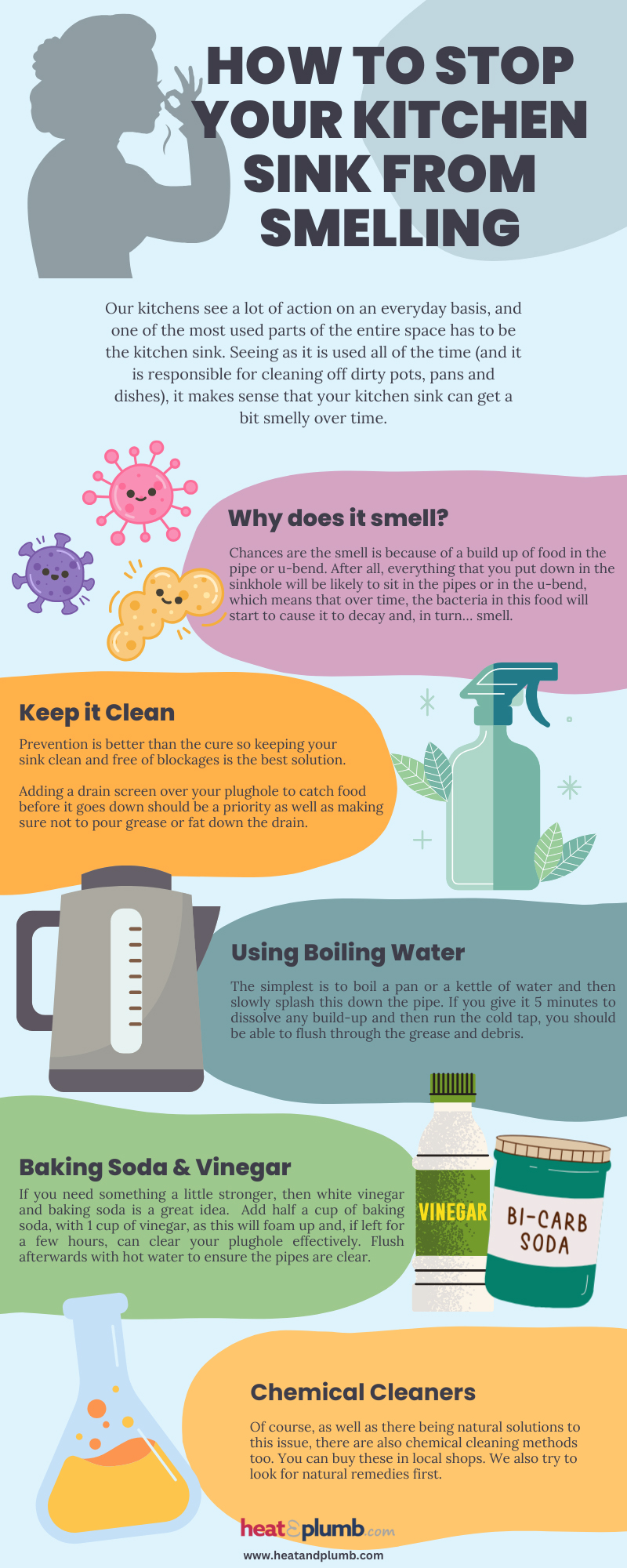
Image Source: www.heatandplumb.com
Deciphering the Source of Sink Smells
A smelly sink is usually caused by gunk and grime building up in the drain and pipes. Food scraps, grease, soap scum, and hair can all cling to the inside of your pipes. Over time, this buildup starts to decay, leading to unpleasant odors. Think of it like a mini-ecosystem of bacteria and mold thriving in your drain. This is especially true if you have a garbage disposal odor issue.
Common Culprits Behind a Stinky Sink
- Food Debris: Small particles of food, especially starchy or greasy ones, can get lodged in the drain or disposal.
- Grease and Fats: Pouring cooking grease down the sink is a major no-no. It solidifies in your pipes, trapping food particles and creating a sticky mess that smells.
- Soap Scum: Layers of soap residue can mix with other debris, creating a film that harbors bacteria.
- Mold and Mildew: Damp, dark pipe interiors are perfect for mold and mildew growth, which emit a musty smell.
- Lack of Water Flow: If your sink isn’t used often, or if there’s a partial clog, water can stagnate in the P-trap (the U-shaped pipe under your sink), allowing sewer gases to back up and cause odors.
Simple Solutions for a Fresh Sink
Let’s get down to the practical steps you can take to eliminate those unwelcome smells. We’ll cover everything from quick fixes to regular kitchen sink maintenance.
1. The Power of Baking Soda and Vinegar: A Natural Drain Cleaner
This is a classic for a reason! Baking soda and vinegar work together to create a fizzy reaction that can help dislodge buildup and neutralize odors. It’s a fantastic natural drain cleaner.
How to do it:
- Pour about half a cup of baking soda directly down the drain.
- Follow it with an equal amount of white vinegar.
- Cover the drain opening immediately with a stopper or a wet cloth. You want the fizzing action to happen inside the pipes, not escape into your kitchen.
- Let it sit for about 15-30 minutes. You’ll hear and see it fizzing.
- After the time is up, pour a kettle of boiling water down the drain. This helps flush away the loosened grime.
- Repeat if necessary.
Why it works: Baking soda is alkaline and slightly abrasive, helping to scrub away buildup. Vinegar is acidic, and when mixed with baking soda, it creates carbon dioxide gas, which causes the fizzing. This physical action can help break up clogs.
2. Citrus Peels: Nature’s Freshener
Don’t throw away those lemon, lime, or orange peels! They are excellent for preventing sink smells and leaving a pleasant scent.
How to do it:
- If you have a garbage disposal, cut citrus peels into smaller pieces and feed them slowly into the disposal. Run cold water and the disposal until the peels are completely ground up.
- If you don’t have a disposal, you can boil citrus peels in water for about 10-15 minutes. Let the water cool slightly, then carefully pour it down the drain.
Why it works: Citrus peels contain natural oils that can help cut through grease and leave a fresh fragrance. The grinding action in a disposal also helps to scrape the sides of the disposal chamber.
3. Boiling Water: The Simple Flush
Sometimes, all your sink needs is a good flush. Boiling water can melt away grease and soap scum that may be clinging to your pipes.
How to do it:
- Boil a full kettle or pot of water.
- Carefully and slowly pour the boiling water directly down the drain.
- Let it sit for a minute.
- Follow with a flush of cold water.
When to use it: This is a great first step if you notice a slight odor. It’s also good for regular kitchen sink maintenance to prevent buildup. Caution: Avoid this method if you have very old or fragile PVC pipes, as extreme heat could potentially cause damage over time. However, for most standard plumbing, it’s perfectly safe.
4. Ice Cubes and Salt: A Scouring Duo
This is another excellent method, particularly if you have a garbage disposal.
How to do it:
- Fill your garbage disposal with ice cubes.
- Add about half a cup of coarse salt (kosher salt or rock salt works well).
- Turn on the cold water and run the garbage disposal.
- Continue running it until all the ice and salt are ground up.
Why it works: The ice cubes act as an abrasive, helping to scour the sides of the disposal chamber. The salt also aids in scrubbing and can help absorb odors. The cold water helps solidify any grease so the disposal can chop it up more effectively.
5. Vinegar Ice Cubes: Double Duty Freshness
Combine the cleaning power of vinegar with the abrasive action of ice.
How to do it:
- Fill an ice cube tray with equal parts white vinegar and water.
- Freeze them.
- Once frozen, pop a few vinegar ice cubes into your garbage disposal.
- Run the disposal with cold water.
Why it works: The freezing process solidifies the vinegar, making it more effective at scraping the disposal blades. The vinegar itself helps to clean and deodorize.
Addressing Stubborn Smells and Clogs
If the simple methods aren’t enough, you might be dealing with a more significant buildup or a partial clog. Here’s what to do next.
6. Using Bleach for Drains: A Powerful Disinfectant (Use with Caution!)
While bleach for drains can be effective at killing bacteria and mold, it should be used sparingly and with extreme caution. It’s a harsh chemical and can damage pipes if used too frequently or in concentrated amounts. Never mix bleach with other cleaning chemicals, especially ammonia, as this creates toxic fumes.
How to do it (as a last resort):
- Ensure the area is well-ventilated. Open windows.
- Pour about half a cup of bleach directly down the drain.
- Let it sit for about 15-20 minutes.
- Flush thoroughly with plenty of cold water.
Important Considerations:
- Never mix bleach with vinegar or other acids. This creates dangerous chlorine gas.
- Avoid if you have a septic system. Bleach can kill the beneficial bacteria in your septic tank.
- Use only when other methods fail. It’s generally better to stick to natural drain cleaner options.
7. The Plunger: Your First Line of Defense Against Clogs
A plunger can be surprisingly effective at dislodging minor clogs and pushing water through to clear out smelly debris.
How to do it:
- Ensure there’s enough water in the sink to cover the plunger cup.
- Create a tight seal around the drain with the plunger.
- Plunge vigorously up and down for about 20-30 seconds.
- Break the seal quickly.
- Repeat if necessary.
8. The Drain Snake or Auger: For Deeper Clogs
If plunging doesn’t work, a drain snake (also called a plumber’s snake or auger) can physically remove obstructions. These are flexible tools that can reach further down the pipe.
How to use a drain snake:
- Feed the snake into the drain opening.
- As you push it down, crank the handle to rotate the tip. This helps it to grab onto or break up the clog.
- Once you feel resistance, try to pull the clog out or break it up further.
- Dispose of any debris removed.
- Flush the drain with hot water.
9. Professional Drain Cleaning Services
If you’ve tried these methods and the smell persists, or if you suspect a significant clog or issue further down your plumbing system, it’s time to call a professional plumber. They have specialized tools and expertise for effective drain cleaning and can identify any underlying problems.
Proactive Measures: How to Prevent Sink Smells
The best way to deal with a smelly sink is to prevent the odors from developing in the first place. Good kitchen sink maintenance is key.
Preventing Sink Smells Strategies:
- Scrape plates thoroughly: Before rinsing dishes, scrape all food scraps into the trash or compost bin.
- Never pour grease down the drain: Let grease cool and solidify, then scrape it into the trash. You can also use old jars or cans to collect grease.
- Run cold water when using the garbage disposal: This helps to solidify any grease so it can be chopped and flushed away, rather than coating the pipes.
- Use your garbage disposal correctly: Avoid putting fibrous vegetables (like celery stalks), starchy foods (like potato peels), coffee grounds, or hard items like fruit pits down the disposal.
- Regularly flush with hot water: Once a week, pour boiling water down your drain to help keep pipes clear of grease and buildup.
- Use a drain deodorizer (natural options preferred): A weekly baking soda and vinegar treatment can go a long way.
- Clean your sink strainer regularly: Remove any trapped food particles and rinse the strainer.
- Consider a sink drain cover: These can prevent larger food items from entering the drain in the first place.
Table: Quick Fixes for a Smelly Sink
| Method | How it Works | Best For | Frequency | Caution |
|---|---|---|---|---|
| Baking Soda & Vinegar | Fizzy reaction dislodges buildup, neutralizes odors. | General odors, minor buildup. | Weekly | None, very safe. |
| Citrus Peels | Natural oils cut grease and leave a fresh scent. | Freshening, light grease. | As available | Best with a disposal, or ensure peels are small if boiling. |
| Boiling Water | Melts grease and soap scum. | Grease buildup, general freshening. | Weekly/Monthly | Be careful with old PVC pipes; avoid if unsure. |
| Ice Cubes & Salt | Ice scours disposal, salt absorbs odors. | Garbage disposal odor. | Monthly | Ensure disposal can handle ice. |
| Vinegar Ice Cubes | Vinegar cleans, ice scours disposal blades. | Garbage disposal odor, cleaning. | Monthly | Ensure disposal can handle ice. |
| Bleach (Use Sparingly) | Kills bacteria and mold. | Stubborn odors, disinfection. | Rarely, only if needed | NEVER mix with other cleaners. Avoid with septic systems. |
| Plunger | Creates suction to dislodge minor clogs. | Minor clogs, pushing debris. | As needed | Ensure a good seal. |
| Drain Snake | Physically removes clogs. | Stubborn clogs. | As needed | May require some dexterity. |
Frequently Asked Questions (FAQ)
Q1: Can I use dish soap to clean my drain?
A1: While dish soap is designed to cut grease, pouring a lot of it directly down the drain isn’t usually an effective drain cleaning method for odors. It might help with minor grease, but it’s not a strong deodorizer or clog remover on its own. It’s better to use it as part of your regular dishwashing routine to prevent grease buildup in the first place.
Q2: What if my sink still smells after trying everything?
A2: If the smell persists after trying multiple methods, the issue might be beyond simple surface-level cleaning. This could indicate a more significant clog deeper in your pipes, a problem with the P-trap, or even a ventilation issue within your plumbing system. In this case, it’s best to contact a professional plumber for a thorough inspection and drain cleaning.
Q3: Is it safe to use a commercial drain deodorizer?
A3: Many commercial drain cleaners and deodorizers contain harsh chemicals. While they can be effective, they also pose risks. They can damage pipes, harm septic systems, and release irritating fumes. It’s generally recommended to start with natural drain cleaner solutions like baking soda and vinegar. If you do opt for a commercial product, always follow the instructions carefully and use it in a well-ventilated area.
Q4: How often should I do kitchen sink maintenance?
A4: For optimal freshness and to prevent sink smells, aim for a quick flush with boiling water or a baking soda/vinegar treatment once a week. Regularly cleaning the sink strainer and scraping plates before washing are daily habits that make a big difference. Monthly treatments with ice or citrus peels can further help maintain a clean drain.
Q5: My garbage disposal smells awful. What’s the best way to fix garbage disposal odor?
A5: For garbage disposal odor, the ice cube and salt method, citrus peels, or vinegar ice cubes are highly effective. These methods help to clean the disposal blades and chamber, scrubbing away food particles and deodorizing. Running cold water when using the disposal is crucial for preventing grease buildup that leads to odors.
By following these tips and incorporating regular kitchen sink maintenance, you can say goodbye to unpleasant sink odors and enjoy a fresher, cleaner kitchen. Remember, a little preventative care goes a long way in keeping your drains clear and your home smelling great.