
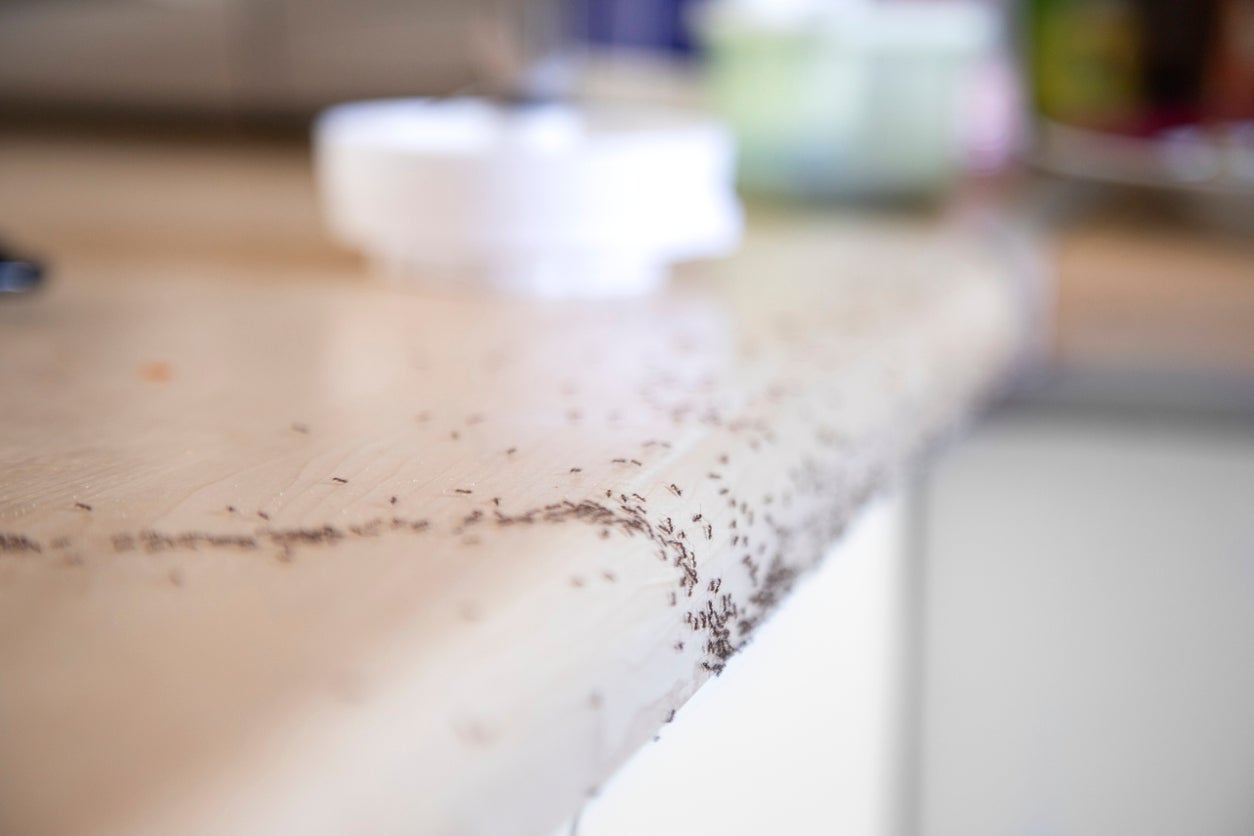
Image Source: contemporarystructures.co.uk
Effective Ways to Get Rid of Ants on Kitchen Counter
Seeing ants marching across your kitchen counter can be quite frustrating! Thankfully, you can get rid of ants on your kitchen counter using a variety of methods, from quick fixes to more lasting solutions.
Identifying the Source: The First Step to Ant Control
Before you can effectively get rid of ants on your kitchen counter, it’s crucial to figure out why they are there. Ants don’t just show up for fun; they are looking for food, water, or shelter. Common attractants in kitchens include:
- Food Crumbs: Even tiny specks of sugar, jam, or cereal can be a feast for ants.
- Spills: Sticky residues from drinks or sauces are a major draw.
- Uncovered Food: Leftover food in bowls or on plates is an open invitation.
- Water Sources: Leaky faucets, damp sponges, or even condensation can attract ants.
- Trash Cans: Food scraps in the bin are a prime target.
By identifying and eliminating these attractants, you’ll make your kitchen a much less appealing place for ants, which is key to preventing future infestations. This is a vital part of prevent ants in kitchen strategies.
Natural Ant Killer Options for Your Kitchen
Many people prefer to eliminate ants naturally rather than using harsh chemicals, especially in the kitchen where food is prepared. Here are some effective natural ant killer methods:
Vinegar Solution
Vinegar is a fantastic DIY ant repellent. Its strong smell disrupts ant trails, and its acidity can kill ants on contact.
- How to Use:
- Mix equal parts white vinegar and water in a spray bottle.
- Spray directly on ants and affected areas of your counter.
- You can also wipe down surfaces with this solution after cleaning.
- The smell dissipates for humans but remains a deterrent for ants.
Lemon Juice
Lemon juice works similarly to vinegar. The citric acid can break down ants and confuse their scent trails.
- How to Use:
- Mix lemon juice with water in a spray bottle.
- Spray on counter surfaces, window sills, and entry points.
- Alternatively, you can squeeze lemon juice directly onto ant trails.
Essential Oils
Certain essential oils have strong scents that ants dislike. Peppermint oil, tea tree oil, and eucalyptus oil are particularly effective.
- How to Use:
- Add 10-15 drops of essential oil to a spray bottle filled with water.
- Spray around entry points, baseboards, and any areas where you see ants.
- You can also soak cotton balls in the oil and place them strategically.
Coffee Grounds
Used coffee grounds can be a surprising home remedy for ants. Ants reportedly dislike the smell and texture of coffee grounds.
- How to Use:
- Sprinkle used coffee grounds around entry points or on the counter where you’ve seen ants.
- This can be messy, so consider placing them in small dishes or sachets.
Borax and Sugar Mixture
While not strictly “natural” in the plant-based sense, borax is a mineral and a commonly used DIY solution. When mixed with sugar, it becomes an effective ant bait. The sugar attracts ants, and the borax acts as a slow-acting poison.
- How to Use:
- Mix 1 part borax with 3 parts powdered sugar.
- Add a little water to create a paste.
- Place small amounts of this paste on small pieces of cardboard or bottle caps near ant trails.
- Important: Keep this mixture out of reach of children and pets, as borax can be toxic if ingested.
Effective Ant Baits for Kitchen Use
For persistent ant infestation kitchen problems, commercial ant baits for kitchen are often the most efficient solution. Baits work by attracting ants, which then carry the poisoned bait back to their colony, effectively killing the queen and other ants.
Types of Ant Baits:
- Gel Baits: These are sticky and easy to apply directly to trails or near nests.
- Liquid Baits: Often placed in small bait stations, these mimic sugary liquids that ants consume.
- Granular Baits: Best used outdoors or in areas away from food preparation, these are scattered near ant colonies.
How Ant Baits Work:
- Attraction: Sweet or protein-based attractants draw ants to the bait.
- Ingestion: Ants consume the bait, which contains a slow-acting insecticide.
- Transfer: Worker ants carry the poisoned bait back to their nest.
- Colony Elimination: The bait is shared, eventually killing the queen and the entire colony.
Tips for Using Ant Baits Effectively:
- Placement is Key: Place baits along ant trails, near entry points, and where you observe the most ant activity.
- Don’t Spray Nearby: Avoid spraying insecticides or cleaning solutions near the baits, as this can deter ants from reaching them.
- Patience is Required: It can take several days to a week for baits to eliminate the colony.
- Refresh Baits: Replace old or dried-out baits with fresh ones.
- Identify Ant Type: Some baits are more effective for certain ant species (e.g., sugar ants vs. protein-loving ants).
Proven Methods for Kitchen Ant Control
Effective kitchen ant control involves a multi-pronged approach, combining immediate solutions with preventative measures.
Cleaning is Paramount
This is the most basic yet crucial step in prevent ants in kitchen.
- Wipe Down Surfaces Regularly: Clean your counters, stovetop, and sink daily. Pay attention to sticky residues.
- Sweep and Mop Floors: Keep floors free of crumbs and spills.
- Empty Trash Cans Frequently: Ensure trash cans have tight-fitting lids and empty them daily, especially if they contain food scraps.
- Wash Dishes Promptly: Don’t leave dirty dishes in the sink overnight.
- Clean Appliances: Wipe down the microwave, toaster, and other appliances where crumbs can accumulate.
Sealing Entry Points
Ants are tiny and can squeeze through surprisingly small cracks.
- Inspect for Gaps: Check around windows, doors, pipes, and baseboards for any openings.
- Seal Cracks: Use caulk or sealant to close these gaps.
- Check Screens: Ensure window and door screens are intact and free of tears.
Storing Food Properly
Proper food storage is essential to prevent ants in kitchen.
- Airtight Containers: Store all food, including sugar, flour, cereal, and pet food, in airtight containers.
- Refrigerate Sweet Foods: Keep jams, syrups, and honey in the refrigerator.
- Clean Pet Bowls: Wash pet food bowls regularly and don’t leave pet food out longer than necessary.
Water Management
Ants also need water to survive.
- Fix Leaks: Repair any leaky faucets or pipes under the sink.
- Dry Damp Areas: Ensure your sink area and countertops are dried after use.
- Check for Condensation: Address any sources of excess moisture.
DIY Ant Repellent Recipes
Beyond the natural killers, you can create DIY ant repellent sprays and barriers.
Peppermint Oil Spray
- Ingredients:
- 1 cup water
- 10-15 drops peppermint essential oil
- Instructions: Mix ingredients in a spray bottle. Shake well before each use and spray around entry points and ant trails.
Cinnamon Spray
Cinnamon’s strong scent can disrupt ant trails.
- Ingredients:
- 1 cup water
- 1 tablespoon ground cinnamon (or 10 drops cinnamon essential oil)
- Instructions: Mix well. Spray in areas where ants are seen.
Chalk Barrier
Ants are reluctant to cross chalk lines, as the calcium carbonate interferes with their scent trails.
- How to Use: Draw thick chalk lines across entry points, windowsills, or around food sources. This is a temporary solution and needs reapplication.
Cornmeal or Cornstarch
Some believe that ants eat cornmeal and cannot digest it, leading to their demise. While effectiveness is debated, it’s a safe option to try.
- How to Use: Sprinkle cornmeal in areas where ants are active.
Eliminating Ants Permanently: A Long-Term Strategy
To truly get rid of ants permanently, you need to address the root cause and consistently maintain your efforts.
- Find the Nest: If possible, try to locate the ant nest. This is often outside the house, but they can nest in wall voids or under appliances. Once found, you can target it directly with appropriate treatments.
- Colony Treatment: Using ant baits for kitchen that are designed for colony elimination is the most effective long-term strategy. Worker ants will carry the bait back, affecting the entire colony.
- Consistent Cleaning: Maintaining a pristine kitchen environment discourages ants from returning. This is crucial for preventing a recurrence.
- Regular Inspections: Periodically check for new ant activity or potential entry points.
- Professional Help: For severe or persistent ant infestation kitchen issues, consider contacting a pest control professional. They have access to stronger treatments and can identify hidden nests.
Safe Ant Removal for Homes with Pets and Children
When dealing with an ant infestation kitchen in a home with pets or children, safe ant removal is paramount.
- Prioritize Natural Methods: Opt for vinegar, lemon juice, essential oils (used cautiously and out of reach), and soap and water solutions.
- Use Baits Wisely: If using commercial baits, choose stations that are tamper-proof and place them in areas inaccessible to pets and children. Read product labels carefully.
- Avoid Sprays Near Food Areas: Never spray insecticides directly onto countertops or food preparation surfaces.
- Cornmeal and Chalk: These are generally considered safe options.
- Cleanliness is Key: Diligent cleaning is the safest and most effective preventative measure.
Table: Common Ant Attractants and How to Remove Them
| Attractant | How it Attracts Ants | Solution |
|---|---|---|
| Food Crumbs | Sugary residues, proteins, carbohydrates | Regular sweeping, vacuuming, and wiping down surfaces. |
| Sticky Spills | Sugars, syrups, juices, sauces | Immediate clean-up of any spills. |
| Uncovered Food | Easy access to nutrients | Store all food in airtight containers. |
| Open Trash Cans | Food waste, decaying organic matter | Use bins with tight lids, empty daily, and clean bins regularly. |
| Water Sources | Leaky pipes, damp sponges, standing water | Fix leaks, dry surfaces, and wring out sponges thoroughly. |
| Pet Food Bowls | Leftover food, accessible protein/carbohydrates | Clean bowls daily, store pet food in sealed containers, and feed pets controlled amounts. |
Frequently Asked Questions (FAQ)
Q1: What is the fastest way to get rid of ants on my kitchen counter?
A1: For immediate results, a mixture of dish soap and water in a spray bottle can kill ants on contact. Wiping down the counter with a vinegar-water solution also helps disrupt their trails quickly.
Q2: Can I use borax to get rid of ants? Is it safe?
A2: Borax can be used as part of a DIY ant repellent mixture with sugar. It’s effective but can be toxic if ingested. Always place borax mixtures out of reach of children and pets.
Q3: How do I prevent ants from coming back to my kitchen?
A3: To prevent ants in kitchen infestations, focus on cleanliness, sealing entry points, proper food storage, and managing water sources. Consistent maintenance is key to keeping them away permanently.
Q4: What are some effective DIY ant repellent recipes?
A4: Popular DIY ant repellent recipes include equal parts white vinegar and water spray, peppermint oil and water spray, and cinnamon and water spray. Drawing chalk lines can also deter them.
Q5: Are ant baits safe to use in the kitchen?
A5: Ant baits for kitchen are generally safe when used according to the manufacturer’s instructions. Choose tamper-resistant bait stations and place them in areas inaccessible to children and pets.
Q6: How can I get rid of ants permanently?
A6: To get rid of ants permanently, you need to eliminate their food and water sources, seal entry points, and most importantly, target the colony with effective ant baits for kitchen. Consistent cleaning and monitoring are crucial.
Q7: What is a good natural ant killer?
A7: Excellent natural ant killer options include vinegar solutions, lemon juice sprays, and essential oils like peppermint and tea tree. Keeping the kitchen clean is also a fundamental natural defense.
Q8: What if I have a severe ant infestation in my kitchen?
A8: For a severe ant infestation kitchen problem, consider using commercial ant baits for kitchen or contacting a professional pest control service. They can identify the species and apply targeted treatments effectively.
By understanding the attractants, employing natural deterrents, and utilizing targeted baiting strategies, you can achieve effective kitchen ant control and enjoy an ant-free kitchen. Remember that consistency in cleaning and prevention is your strongest ally in the fight against these tiny invaders.