
How to store cutting boards in the kitchen? The best way to store cutting boards is to keep them dry, upright, and accessible to prevent bacterial growth and damage. This blog post explores various cutting board storage solutions to help you organize your kitchen efficiently.
A well-organized kitchen is a happy kitchen. And a crucial part of kitchen organization is knowing how to store your cutting boards properly. These essential tools get a lot of use, and where and how you store them can impact their lifespan, hygiene, and the overall efficiency of your cooking space. Let’s dive into smart ways to store cutting boards in your kitchen.
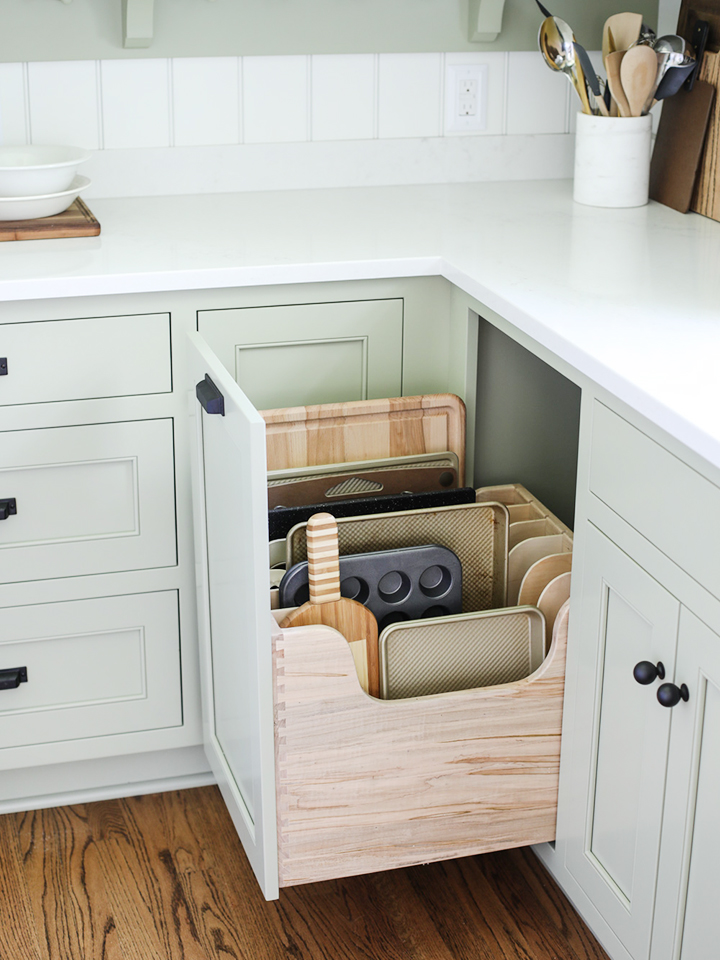
Image Source: www.domino.com
Why Proper Cutting Board Storage Matters
Before we explore the “how,” let’s look at the “why.” Proper cutting board storage isn’t just about aesthetics; it’s about functionality and health.
- Hygiene: Damp or improperly stored cutting boards can become breeding grounds for bacteria. Storing them upright allows for better air circulation, promoting faster drying and reducing the risk of microbial growth.
- Longevity: Storing boards flat, especially wooden ones, can lead to warping or cracking due to uneven moisture exposure. Standing them up helps maintain their shape and integrity.
- Accessibility: When your cutting boards are stored efficiently, you can easily grab the right one for the task at hand, saving you time and frustration.
- Countertop Space: Clutter on your countertops can make your kitchen feel smaller and less inviting. Smart storage solutions free up valuable prep space.
Exploring Cutting Board Storage Solutions
There are numerous cutting board storage solutions available, catering to different kitchen sizes, styles, and personal preferences. The key is to find what works best for your specific needs.
Vertical Cutting Board Holder: A Space-Saving Champion
One of the most popular and effective methods for storing cutting boards is using a vertical cutting board holder. These holders are designed to keep your boards standing on end, maximizing vertical space and ensuring proper airflow.
Advantages:
- Maximizes Vertical Space: Ideal for smaller kitchens or when countertop space is limited.
- Promotes Drying: Air circulates freely around the boards, preventing moisture buildup.
- Easy Access: You can easily slide out the board you need without disturbing others.
- Variety of Designs: Available in various materials like stainless steel, wood, and acrylic, fitting different kitchen aesthetics.
Where to Place Them:
- Inside Cabinets: A dedicated slot within a cabinet keeps them out of sight and organized.
- On the Countertop: Some holders are designed to look attractive enough to be displayed on your counter.
- Inside a Drawer: Specialized drawer inserts can hold boards vertically.
Cutting Board Rack: Versatile Storage Options
A cutting board rack is a broader category that encompasses various designs, including those that hold boards vertically or horizontally. They are excellent for kitchens with more storage space or for those who have a significant collection of cutting boards.
Types of Cutting Board Racks:
- Tiered Racks: These have multiple slots to hold several boards in a tiered fashion. They can be placed on the countertop or inside a cabinet.
- Wall-Mounted Racks: These attach to your wall, utilizing often-underused vertical space.
- Under-Shelf Racks: These slide onto existing shelves, providing additional storage without taking up prime real estate.
Considerations for Racks:
- Size and Capacity: Ensure the rack can accommodate the number and size of your cutting boards.
- Material: Stainless steel is durable and easy to clean, while wood can add warmth to your kitchen.
- Stability: Make sure the rack is sturdy and won’t tip over, especially if it’s a countertop model.
Knife Block Cutting Board Storage: Integrated Solutions
For those who have a knife block that incorporates cutting board slots, this can be a convenient all-in-one solution. These units typically store knives and cutting boards together, often on the countertop.
Pros:
- Space Efficiency: Combines storage for two essential kitchen tools.
- Convenience: Knives and boards are readily accessible in one location.
Cons:
- Potential for Knife Damage: If not designed carefully, the cutting board could rub against knives, dulling their edges.
- Hygiene Concerns: It’s crucial to ensure the cutting boards are completely dry before placing them in the block to prevent moisture buildup near the knives.
- Limited to Specific Blocks: This option is only available if you own a knife block with this feature.
Cabinet Cutting Board Organizer: Concealed and Tidy
Keeping cutting boards hidden away in cabinets contributes to a cleaner, less cluttered look. Cabinet cutting board organizers are specifically designed for this purpose.
Types of Cabinet Organizers:
- Vertical Dividers: These create individual slots within a cabinet or pantry for each board.
- Slide-Out Racks: Similar to drawer organizers, these pull out for easy access.
- Door-Mounted Racks: Some organizers can be attached to the inside of cabinet doors, offering a clever way to use often-wasted space.
Benefits of Cabinet Storage:
- Aesthetics: Keeps your kitchen looking tidy and minimalist.
- Protection: Protects boards from dust and direct sunlight, which can degrade wood.
- Organization: Prevents boards from falling over when you open a cabinet.
Countertop Cutting Board Storage: Accessible and Visible
If you frequently use your cutting boards and prefer them to be readily available, countertop storage solutions are a great choice. These are typically aesthetically pleasing units designed to hold one or a few boards.
Popular Countertop Options:
- Decorative Holders: These can be made of wood, metal, or ceramic and are designed to complement your kitchen decor.
- Simple Stands: Basic stands that prop up one or two boards.
- Multi-Board Stands: Racks that hold several boards upright on your counter.
Tips for Countertop Storage:
- Choose Wisely: Select a holder that is stable and doesn’t take up excessive space.
- Consider Material: Opt for materials that are easy to wipe clean.
- Placement: Position it near your prep area for maximum convenience.
Magnetic Cutting Board Holder: Innovative Solutions
For kitchens with magnetic surfaces or for those who want a truly minimalist approach, a magnetic cutting board holder can be an innovative solution. These typically involve strong magnets that attach to the wall or a magnetic strip, and then secure your cutting board.
How They Work:
- Magnetic Strips/Hooks: You can affix strong magnetic strips or hooks to your wall or backsplash.
- Embedded Magnets: Some cutting boards come with magnets embedded in their sides, allowing them to be directly attached to a magnetic surface.
When to Use:
- Sleek Kitchens: For a modern, hardware-free look.
- Limited Wall Space: Attaches to any magnetic surface, including the side of a refrigerator or a custom magnetic backsplash.
Important Note: Ensure the magnets are strong enough to hold your cutting boards securely. This is often best for lighter plastic or thinner wooden boards.
Wall Mounted Cutting Board Rack: Utilizing Vertical Space
Wall-mounted racks are excellent for saving counter and cabinet space. They can be installed on any available wall space, including backsplashes or the sides of cabinets.
Types of Wall Mounts:
- Slatwall Systems: These versatile systems allow you to hang various accessories, including cutting board holders.
- Pegboards: Another flexible option where you can customize the placement of hooks or shelves for your boards.
- Dedicated Wall Racks: Racks specifically designed to hold cutting boards, often with slots or hooks.
Installation Tips:
- Secure Mounting: Use appropriate screws and anchors to ensure the rack is securely attached to the wall.
- Placement: Consider proximity to your prep area and accessibility.
Cutting Board Drying and Storage: The Combined Approach
Many of the best storage solutions also serve a dual purpose: drying and storage. The goal is to have your cutting boards dry completely before storing them to prevent mold and mildew.
Effective Drying Strategies:
- Upright Storage: As mentioned, standing boards allows air to circulate around them, facilitating faster drying.
- Drying Racks: Dedicated drying racks with slots are specifically designed for this purpose. Many cutting board racks can be used as drying racks.
- Air Drying Area: Designate a specific area in your kitchen for air drying, perhaps on a clean dishtowel or a drying mat.
Combining Drying and Storage:
- Multi-Functional Holders: Look for holders that allow for good airflow even when boards are still slightly damp.
- Dedicated Drying Racks near Storage: You might have a drying rack that you move to your preferred storage location once the boards are dry.
Materials and Maintenance for Cutting Boards
The material of your cutting board influences how you should store and care for it.
Wood Cutting Boards (Bamboo, Hardwood)
Wood boards are beautiful and durable but require specific care.
- Storage: Always store them upright to allow for air circulation. Avoid storing them flat or in damp environments.
- Maintenance:
- Seasoning: Regularly oil wooden boards with food-grade mineral oil or a beeswax-based conditioner. This prevents drying, cracking, and staining.
- Cleaning: Wash with hot, soapy water. Never put them in the dishwasher, as the heat and moisture will warp and damage them.
- Sanitizing: You can sanitize wooden boards with a diluted vinegar solution or a hydrogen peroxide solution, but always rinse thoroughly and ensure they dry completely.
Plastic Cutting Boards
Plastic boards are generally easier to maintain and often dishwasher-safe.
- Storage: They can typically be stored upright in holders or racks, but their resistance to moisture makes them slightly more forgiving.
- Maintenance:
- Cleaning: Wash with hot, soapy water. Many are dishwasher-safe, which helps with sanitization.
- Sanitizing: A diluted bleach solution (1 tablespoon bleach per quart of water) can be used for sanitizing. Rinse well and dry.
- Replacement: Plastic boards can develop deep grooves over time, which can harbor bacteria. Replace them when they show significant wear.
Choosing the Best Way to Store Cutting Boards
The “best” way to store cutting boards is subjective and depends on several factors:
- Kitchen Size: Smaller kitchens benefit greatly from vertical, wall-mounted, or cabinet solutions.
- Number of Boards: If you have many boards, you’ll need a more robust rack or organizer.
- Frequency of Use: Frequently used boards might be best kept on the countertop or in an easily accessible cabinet.
- Board Material: Wooden boards require more careful attention to drying and airflow than plastic ones.
- Aesthetic Preferences: Do you prefer a minimalist look, or do you like having your tools on display?
Table: Cutting Board Storage Solutions Comparison
| Storage Solution | Best For | Pros | Cons |
|---|---|---|---|
| Vertical Cutting Board Holder | Small kitchens, maximizing vertical space | Space-saving, promotes drying, easy access | Can be bulky on countertops, limited capacity per holder |
| Cutting Board Rack | Kitchens with more space, many boards | Versatile, holds multiple boards, various designs | Can take up significant space if not wall-mounted, requires organization |
| Knife Block Storage | Those with integrated knife blocks | Space-saving, convenience | Risk of dulling knives, potential hygiene issues if not dried properly |
| Cabinet Cutting Board Organizer | Minimalist kitchens, keeping counters clear | Concealed storage, tidy appearance, protects boards | Requires cabinet space, might be less accessible than countertop options |
| Countertop Storage | Frequent users, accessibility | Readily available, can be decorative | Takes up counter space, can contribute to clutter if not managed well |
| Magnetic Cutting Board Holder | Sleek kitchens, utilizing magnetic surfaces | Innovative, hardware-free, space-saving | Requires magnetic surface, magnets need to be strong, limited to certain boards |
| Wall Mounted Cutting Board Rack | Maximizing vertical wall space | Saves counter/cabinet space, easy access, customizable | Requires drilling/installation, aesthetic choice for wall display |
Innovative Cutting Board Storage Ideas
Beyond the standard options, consider these innovative approaches:
- DIY Slatwall or Pegboard: Customize your wall space with a slatwall system or pegboard and add hooks or small shelves specifically sized for your cutting boards.
- Drawer Inserts: Many kitchen drawer organizers can be adapted to hold cutting boards vertically. Look for adjustable dividers.
- Under-Cabinet Mounts: Some racks can be mounted underneath your upper cabinets, freeing up both counter and cabinet space.
- “Pocket” Organizers: Similar to those used for pantry items, some fabric or metal pocket organizers can be hung inside cabinet doors or on walls.
Frequently Asked Questions (FAQ)
Can I store cutting boards flat?
While you can store cutting boards flat, it’s generally not recommended, especially for wooden boards. Storing them flat can lead to uneven drying, potentially causing warping, cracking, or the growth of mold and mildew, particularly if they are not completely dry. Vertical storage allows for better air circulation, promoting faster and more even drying, which is crucial for the longevity and hygiene of your cutting boards.
How do I prevent my wooden cutting boards from warping?
To prevent wooden cutting boards from warping, always ensure they are stored upright to allow for proper air circulation and drying. Avoid prolonged exposure to moisture and never place them in a dishwasher. Regularly season your wooden boards with food-grade mineral oil or a beeswax conditioner to keep the wood hydrated and prevent it from drying out and cracking.
What is the best material for a cutting board?
The “best” material depends on your needs. Wood (like bamboo or hardwoods such as maple or walnut) is often preferred for its sharpness retention and aesthetic appeal, but requires more maintenance. Plastic is easier to clean and sanitize, and many are dishwasher-safe, but can dull knives more quickly and develop deep scratches that harbor bacteria. Consider a combination of both for different tasks.
How often should I oil my wooden cutting boards?
You should oil your wooden cutting boards roughly once a month, or whenever they start to look dry or dull. Frequent use and washing will strip the natural oils from the wood, making it susceptible to drying out. Oiling helps to condition the wood, prevent cracking, and create a protective barrier against moisture and stains.
Should cutting boards be stored separately from knives?
While not strictly necessary, it’s good practice to ensure cutting boards are completely dry before storing them, especially if stored near knives. Dampness can affect knife edges. Many integrated knife block and cutting board storage units exist, but proper drying before placement is key. If storing separately, ensure both are in well-ventilated areas.
By implementing these smart storage strategies, you can keep your cutting boards in excellent condition, maintain a hygienic kitchen, and enjoy a more organized and efficient cooking experience.