
Image Source: cdn.apartmenttherapy.info
Kitchen Tips: How to Get Rid of Fish Smell in Kitchen
Can you get rid of fish smell in your kitchen? Yes, you absolutely can! With the right techniques and a little know-how, you can effectively eliminate fish odor and enjoy a fresh-smelling kitchen again. This comprehensive guide will walk you through various methods for kitchen odor removal, focusing on natural solutions and effective strategies to deodorize kitchen after cooking fish. We’ll explore how to tackle even a persistent fish smell kitchen might encounter, ensuring your home remains a pleasant space.
Cooking fish can be a delicious and healthy choice, but the lingering aroma can be a less desirable side effect. That unmistakable smell can cling to surfaces, fabrics, and even the air itself. Fortunately, you don’t need harsh chemicals to combat this culinary aftermath. This guide will equip you with practical tips and tricks to leave your kitchen smelling clean and inviting, no matter what delicious fish dish you’ve prepared.
Immediate Actions: Tackling Fish Smell at the Source
The most effective way to manage fish smell is to act quickly. The moment you finish cooking, take these steps to prevent the odor from taking hold.
Post-Cooking Cleanup: The First Line of Defense
-
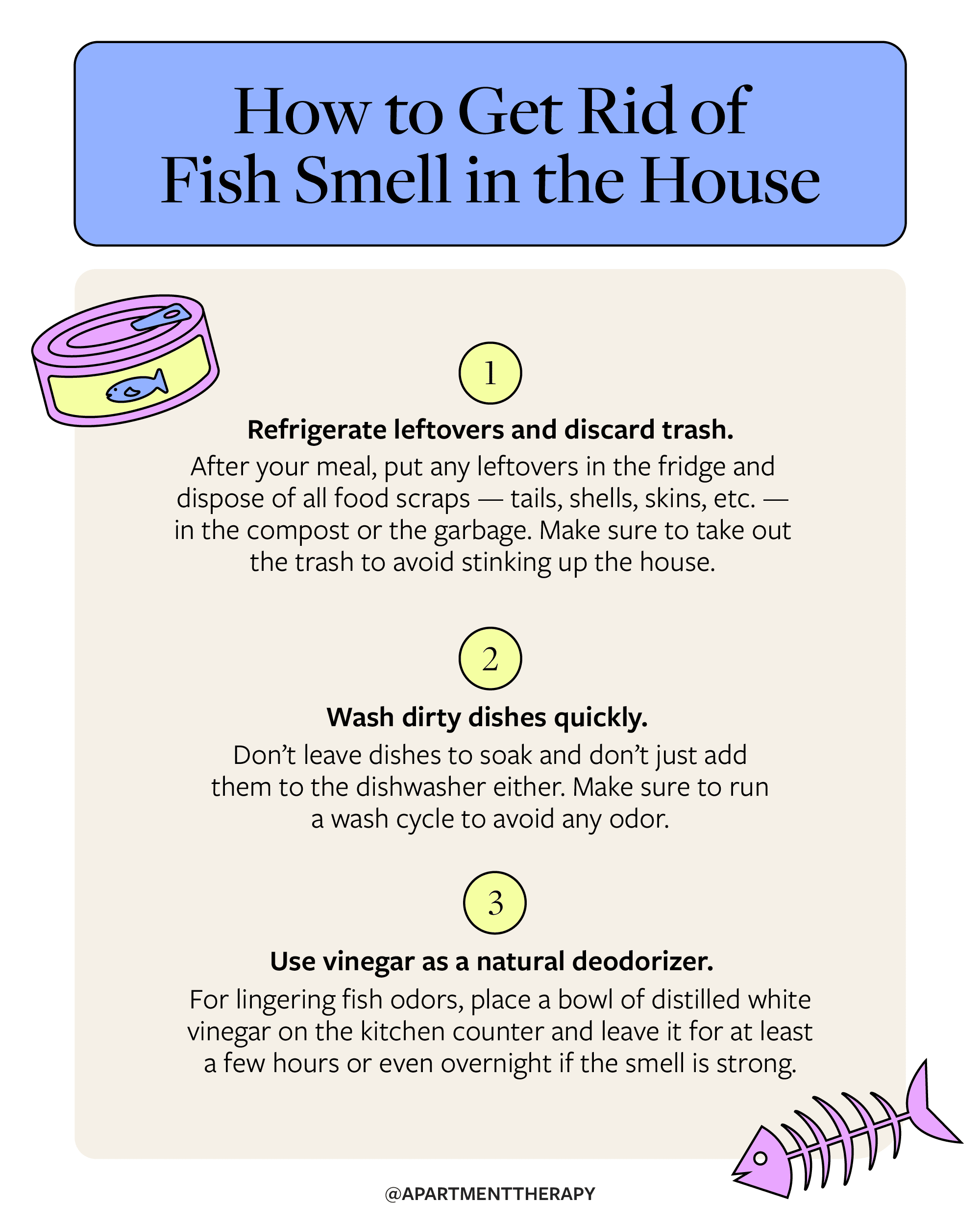
Dispose of Fish Scraps Immediately: Don’t let fish bones, skin, or any packaging sit in your kitchen bin. Seal them tightly in a plastic bag and take them outside to your main garbage can right away. This is crucial to eliminate fish odor before it has a chance to spread.
-
Clean Cooking Utensils and Pans Promptly: Wash all dishes, pots, pans, and utensils that came into contact with the fish. Use hot, soapy water. For stubborn residues, a paste of baking soda and water can be very effective.
-
Wipe Down Surfaces: Use a damp cloth with a mild cleaning solution to wipe down countertops, the stovetop, and the backsplash. Residue left on these surfaces can continue to release odors.
Kitchen Ventilation: Letting Fresh Air In
Good kitchen ventilation fish smell is paramount. Opening windows and doors creates cross-breezes that help carry away cooking odors.
- Open Windows and Doors: Create a flow of air by opening windows on opposite sides of your kitchen.
- Turn on the Exhaust Fan: Ensure your range hood or exhaust fan is on during and after cooking. Directing it upwards towards an open window can also enhance its effectiveness. If you don’t have an exhaust fan, consider a portable fan to help circulate air.
Natural Ways to Remove Fish Smell: Harnessing Nature’s Deodorizers
When it comes to natural ways to remove fish smell, several common household ingredients are surprisingly powerful. These methods are gentle on your surfaces and the environment.
Vinegar for Fish Smell: An Acidic Ally
Vinegar for fish smell is a tried-and-true solution. The acetic acid in vinegar neutralizes alkaline odor molecules.
Methods using Vinegar:
- Simmering Vinegar: Fill a saucepan with equal parts white vinegar and water. Bring it to a simmer on the stovetop and let it gently bubble for 15-30 minutes. The steam will help neutralize airborne odors.
- Vinegar Spray: Mix equal parts white vinegar and water in a spray bottle. Lightly mist the air in your kitchen, being careful not to overspray on delicate surfaces. You can also spray it on fabric surfaces like curtains or upholstery if they have absorbed the smell.
- Vinegar Bowls: Place small bowls of white vinegar in strategic locations around your kitchen. Leave them overnight to absorb lingering odors.
Baking Soda Fish Odor: The Gentle Giant
Baking soda fish odor is excellent for absorbing smells. Its alkaline nature helps neutralize acidic odors.
Methods using Baking Soda:
- Baking Soda Bowls: Similar to vinegar bowls, place open containers of baking soda around your kitchen. It’s a passive yet effective method for absorbing odors over time.
- Baking Soda Paste: For cleaning greasy residue that might hold onto smells, make a paste of baking soda and water. Apply it to affected areas, let it sit for a few minutes, then wipe clean.
- Sprinkle on Carpets/Upholstery: If the smell has transferred to carpets or upholstery, lightly sprinkle baking soda on them. Let it sit for at least 30 minutes (or overnight for tough smells), then vacuum thoroughly.
Lemon to Remove Fish Smell: Zesty Freshness
Lemon to remove fish smell offers a double benefit: its acidity helps neutralize odors, and its fresh citrus scent masks any remaining smells.
Methods using Lemon:
- Simmering Lemon Slices: Place lemon slices or peels in a saucepan with water. Simmer gently on the stovetop. The steam will fill your kitchen with a pleasant, clean scent. You can also add other aromatics like cinnamon sticks or cloves for a more complex fragrance.
- Lemon Juice Cleaning Solution: Mix lemon juice with water (about 1 part lemon juice to 3 parts water) in a spray bottle. Use this to wipe down surfaces.
- Rubbing Lemon on Surfaces: For a quick fix, cut a lemon in half and rub the cut side on your cutting board or stainless steel sink. The natural oils and acidity can help neutralize odors.
Other Natural Deodorizers
- Coffee Grounds: Dried, used coffee grounds can absorb odors. Place them in a shallow bowl and leave them in the kitchen overnight.
- Activated Charcoal: Activated charcoal is a highly porous material that excels at absorbing odors. Place a few bags or containers of activated charcoal in your kitchen.
- Vanilla Extract: Place a few drops of vanilla extract on cotton balls and place them around the kitchen. This can help mask odors with a warm, pleasant scent.
Deep Cleaning: Eradicating Stubborn Odors
Sometimes, a quick wipe-down isn’t enough, especially if you’re dealing with a persistent fish smell kitchen. A more thorough cleaning approach is needed.
Cleaning Surfaces and Appliances
- Stovetop and Oven: Clean any splatters or residue on the stovetop, oven interior, and backsplash. Use a degreaser if necessary.
- Countertops: Wipe down all countertop surfaces, paying attention to crevices where odor molecules might hide.
- Refrigerator: If fish was stored in the refrigerator, ensure there are no spills or residues. Even a small amount can contribute to lingering smells. Place an open box of baking soda inside.
- Microwave: Clean the interior of your microwave, as food particles can easily get trapped and emit odors.
Fabric and Soft Surfaces
Fabrics are notorious for trapping odors.
- Curtains and Dish Towels: Wash any curtains, dish towels, or aprons that may have absorbed the fish smell. Use a good quality detergent, and consider adding a cup of white vinegar to the wash cycle.
- Upholstery and Carpets: If the smell has permeated upholstery or carpets, try the baking soda method mentioned earlier. For tougher smells, you might consider a fabric refresher spray or professional cleaning.
Air Fresheners and Other Solutions: When Natural Isn’t Enough
While natural methods are often sufficient, sometimes you might want to enhance the freshness with a specific air freshener kitchen fish can be banished with.
Utilizing Essential Oils
Essential oils can provide a pleasant aroma and some have natural deodorizing properties.
- Diffusers: Use an essential oil diffuser with oils like lemon, grapefruit, eucalyptus, or tea tree oil.
- DIY Sprays: Add a few drops of your favorite essential oil to a spray bottle filled with water. Shake well before misting the air.
Commercial Deodorizers and Air Purifiers
There are many commercial products designed for kitchen odor removal.
- Odor Absorbers: Look for gel or solid odor absorbers that are specifically designed for kitchens.
- Air Purifiers: A good quality air purifier with a HEPA filter and an activated carbon filter can be very effective at removing airborne particles and odors, including persistent fish smell kitchen issues.
- Commercial Sprays: When choosing an air freshener spray, opt for ones that neutralize odors rather than just masking them.
Preventive Measures: Avoiding Fish Smell in the First Place
The best strategy is always prevention. Here’s how to minimize fish smells before they become a problem.
Choosing Fresh Fish
- Buy Fresh: Always purchase fish from reputable sources and ensure it’s as fresh as possible. Fresh fish has a mild, ocean-like smell, not a strong “fishy” odor.
- Proper Storage: Store fish in airtight containers in the coldest part of your refrigerator.
Cooking Techniques
- En Papillote: Cooking fish “en papillote” (in parchment paper) traps the aromas inside the packet, preventing them from escaping into your kitchen.
- Pan-Frying vs. Baking: While pan-frying can sometimes lead to more dispersed smells, baking or steaming can be less aromatic.
- Covering While Cooking: If you’re pan-frying or sauteing, use a splatter screen or a lid to help contain the odors.
Troubleshooting Persistent Fish Smell Kitchen Issues
If you’ve tried several methods and still detect a fishy aroma, don’t despair. A persistent fish smell kitchen might require a multi-pronged approach.
Identifying Hidden Sources
- Check Drains: Sometimes, the smell can come from the kitchen sink drain. Pouring boiling water with a bit of vinegar or baking soda down the drain can help.
- Garbage Disposal: Run your garbage disposal with citrus peels or ice cubes and vinegar to clean it.
- Sponges and Dishcloths: Ensure your sponges and dishcloths are clean and odor-free. Replace them regularly or wash them in hot water with a disinfectant.
Professional Help
- Deep Cleaning Services: For extreme cases, consider hiring professional cleaners who specialize in odor removal.
Frequently Asked Questions (FAQ)
Q1: How long does fish smell typically last in a kitchen?
The duration of fish smell can vary greatly depending on ventilation, how quickly you clean up, and the type of fish cooked. With immediate action and good ventilation, the smell can dissipate within a few hours. However, without proper cleanup, it can linger for days.
Q2: Can I use essential oils directly on surfaces to remove fish smell?
It’s generally not recommended to apply essential oils directly to most surfaces as they can sometimes damage finishes. It’s better to use them diluted in water for sprays or in diffusers.
Q3: Is there a difference between neutralizing and masking odors?
Yes, neutralizing odors means breaking down or changing the chemical compounds causing the smell. Masking odors means covering them up with a stronger, more pleasant scent. For effective kitchen odor removal, neutralizing is preferred.
Q4: What is the best way to clean my cutting board after cutting fish?
After rinsing, wash your cutting board with hot, soapy water. For thorough cleaning and odor removal, you can use a paste of baking soda and water, lemon juice, or a diluted vinegar solution. Always dry thoroughly.
Q5: How can I make my kitchen smell good after cooking fish?
After addressing the fish smell using the methods above, you can introduce pleasant aromas. Simmering lemon slices, using a diffuser with essential oils, or even baking some cookies can leave your kitchen smelling inviting and fresh.
By implementing these tips and tricks, you can confidently cook fish in your kitchen, knowing that a fresh and clean environment is just a cleanup away. Remember, prompt action, good ventilation, and the power of natural ingredients are your greatest allies in conquering lingering fish odors.