
Can you paint unfinished kitchen cabinets? Yes, absolutely! Painting unfinished kitchen cabinets is a fantastic way to give your kitchen a fresh, custom look without a hefty price tag. This guide will walk you through everything you need to know to achieve a beautiful, professional finish. We’ll cover how to prep unfinished cabinets, choose the right primer and paint, and the step-by-step process for painting unfinished cabinets DIY. Whether you’re looking to upgrade unfinished cabinets or are curious about how to stain unfinished cabinets, this comprehensive guide has you covered.
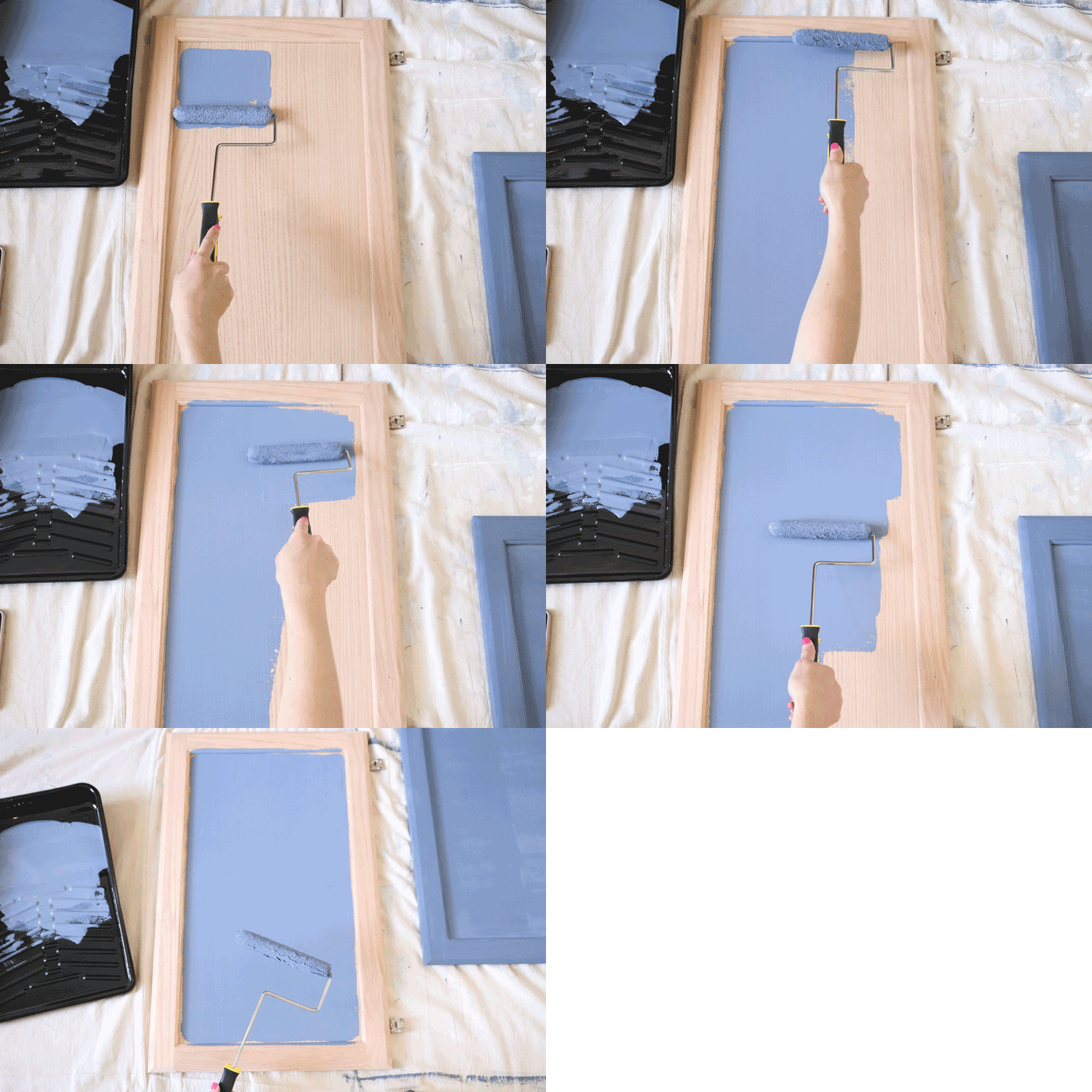
Image Source: www.neathousesweethome.com
Why Paint Unfinished Kitchen Cabinets?
Unfinished kitchen cabinets offer a blank canvas for personalization. They are typically made of raw wood, which is ready to be transformed. Painting is a popular choice because it allows for a wide range of color options, from classic neutrals to bold accent shades. It’s also a great way to refresh an older kitchen or update a more budget-friendly cabinet choice. Beyond aesthetics, a good paint job can also offer a layer of protection to the wood.
Is Refinishing Unfinished Kitchen Cabinets Worth It?
Refinishing unfinished kitchen cabinets is definitely worth it if you want to achieve a specific look or update your kitchen’s style. It’s a cost-effective alternative to replacing cabinets entirely. The process can be labor-intensive, but the results are incredibly rewarding, allowing you to customize your kitchen exactly to your taste. This project can significantly increase your home’s appeal and value.
Materials You’ll Need
Gathering all your supplies before you start will make the process smoother.
- Screwdriver: To remove cabinet doors and hardware.
- Drop cloths or plastic sheeting: To protect your floors and surrounding areas.
- Painter’s tape: To mask off areas you don’t want to paint.
- Sanding sponges or sandpaper: (120-grit and 220-grit are good starting points).
- Tack cloth or damp cloth: For removing dust after sanding.
- Degreaser or all-purpose cleaner: To clean the cabinets thoroughly.
- Wood filler: For filling any holes or imperfections.
- Primer: A good quality primer for unfinished cabinets is crucial.
- Paint: The best paint for unfinished cabinets will depend on your desired finish and durability needs.
- Paintbrushes: High-quality synthetic brushes for cutting in edges and details.
- Rollers: Foam rollers or micro-fiber rollers for smooth surfaces.
- Paint tray: For rolling paint.
- Ventilation: Fans and open windows are important for drying and air quality.
- Gloves and mask: For protection.
- Optional: Orbital sander for faster sanding.
Step 1: Prep Unfinished Cabinets – The Foundation of Success
Proper preparation is the most critical step when painting unfinished cabinets DIY. Skipping this stage will lead to a poor finish that peels or chips easily. Think of this as building a strong foundation for your beautiful new cabinets.
1. Remove Doors and Hardware
- Use a screwdriver to carefully remove all cabinet doors.
- As you remove them, label each door and its corresponding cabinet frame location. This makes reassembly much easier. You can use masking tape and a pen.
- Remove all hinges, handles, and knobs. Store them in a safe place.
2. Clean the Cabinets Thoroughly
Unfinished wood can accumulate dust and grime.
- Use a degreaser or a good all-purpose cleaner to wipe down all cabinet surfaces. Pay attention to areas around knobs and handles, as these can be particularly grimy.
- A solution of warm water and a few drops of dish soap can also work well.
- Rinse the cabinets with a clean, damp cloth and allow them to dry completely. This step is vital to ensure the primer and paint adhere properly.
3. Fill Imperfections
Inspect your unfinished cabinets for any dents, gouges, or holes from old hardware.
- Use wood filler to fill these imperfections.
- Apply the wood filler with a putty knife, pressing it into the hole.
- Wipe away any excess filler.
- Allow the wood filler to dry completely according to the manufacturer’s instructions.
4. Sand Everything Smooth
Sanding creates a smooth surface for the primer to adhere to and helps remove any rough spots or dried wood filler.
- Initial Sanding: Start with 120-grit sandpaper or a sanding sponge. This will knock down any rough edges or dried wood filler.
- Smooth Sanding: Follow up with 220-grit sandpaper or a finer grit. This will create a super smooth surface, essential for a professional finish.
- Technique: Sand in the direction of the wood grain. If you have an orbital sander, it can speed up this process, but be careful not to over-sand or create divots. For cabinet doors, sanding by hand or with a sanding block is often best for control.
- Dust Removal: After sanding, you must remove all dust. Use a vacuum with a brush attachment, followed by a tack cloth or a damp (not wet) microfiber cloth. Ensure every speck of dust is gone.
5. Repair Any Damage
Check for any loose joints or minor structural issues.
- You might need wood glue and clamps to fix loose joints.
- Ensure all surfaces are stable before proceeding.
Step 2: Priming – The Crucial First Coat
Choosing the right primer for unfinished cabinets is as important as choosing the paint itself. Primer helps with adhesion, blocks stains, and creates a uniform surface for the paint.
1. Select the Right Primer
- Oil-based primers: These are excellent for blocking wood tannins, which can bleed through paint. They offer superior adhesion but can have strong fumes and longer drying times. Good for woods like oak or pine.
- Water-based (latex or acrylic) primers: These are easier to work with, dry faster, and have lower VOCs (Volatile Organic Compounds). Look for high-quality acrylic enamel primers specifically designed for cabinetry or furniture.
- Shellac-based primers: These are the best for blocking severe stains and odors, but they can be a bit trickier to work with and have strong fumes.
For most DIY projects with unfinished cabinets, a high-quality water-based acrylic enamel primer is a great choice. It provides good adhesion and durability.
2. Apply the Primer
- Stir the primer: Make sure to stir the primer thoroughly, don’t just shake the can.
- Application method: You can use a brush, roller, or sprayer for primer.
- Brushes: Use a high-quality synthetic brush for edges, corners, and detailed areas.
- Rollers: Use a small foam roller for larger flat surfaces for a smooth finish.
- First coat: Apply a thin, even coat of primer. Avoid applying it too thick, as this can lead to drips and an uneven finish.
- Drying time: Allow the primer to dry completely according to the manufacturer’s instructions. This is usually a few hours, but check the can.
- Light Sanding: Once the primer is dry, lightly sand it with 220-grit sandpaper or a fine-grit sanding sponge. This will smooth out any minor imperfections and give the next coat something to grip onto.
- Dust removal: Again, wipe away all dust with a tack cloth or damp cloth.
- Second coat (if needed): For very porous wood or if you notice any stain bleed-through, apply a second coat of primer. Follow the same drying and sanding steps.
Step 3: Painting Unfinished Cabinets DIY – Achieving the Best Finish
Now comes the exciting part – painting! This is where you bring your vision to life.
1. Choosing the Best Paint for Unfinished Cabinets
Durability and a smooth finish are key.
- Cabinet Paint: There are paints specifically formulated for cabinets. These are typically enamel paints with a hard, durable finish.
- Paint Types:
- Alkyd Enamels (Oil-based): Offer a very hard, durable finish and level out smoothly. However, they have strong fumes, require mineral spirits for cleanup, and can yellow over time.
- Acrylic Enamels (Water-based): Easier to use, lower VOCs, and clean up with soap and water. Modern acrylic enamels are very durable and can provide a finish comparable to oil-based paints. This is often the preferred choice for DIYers.
- Chalk Paint: Offers a matte, vintage look. Requires a topcoat (wax or polycrylic) for durability. Not ideal for high-traffic kitchens unless properly sealed.
- Milk Paint: Similar to chalk paint in its matte finish and need for sealing. Can be more prone to chipping.
For most kitchens, a high-quality acrylic enamel paint designed for cabinets or trim is the best paint for unfinished cabinets.
- Sheen:
- Satin: A popular choice for kitchens. It offers a subtle sheen, is durable, and easy to clean.
- Semi-Gloss: Very durable and easy to wipe down, but shows imperfections more. Great for trim and doors.
- Gloss: The most durable and easiest to clean, but also highlights every imperfection and can look too shiny for some.
- Matte/Eggshell: Less durable and harder to clean in a busy kitchen environment.
A satin or semi-gloss sheen is generally recommended for kitchen cabinets due to their durability and washability.
2. Painting Techniques
- Stir the paint: As with primer, stir your paint thoroughly.
- Apply thin coats: This is crucial. Thin coats dry faster, are less prone to drips, and build up a more even, durable finish.
- Brushing: Use a high-quality synthetic brush for edges and any areas the roller can’t reach. Load the brush, apply to the surface, and gently smooth out any brush marks. Work in sections.
- Rolling: Use a high-density foam roller or a microfiber roller designed for smooth finishes. Load the roller evenly and roll in a consistent direction (usually with the grain of the wood). Overlap your strokes slightly to avoid lines.
- Back-brushing/Back-rolling: Some painters like to gently brush or roll over their roller application to smooth out any texture left by the roller.
3. The Painting Process
- First Coat: Apply your first thin, even coat of paint. Start with the inside of doors if you’re painting them separately, or the cabinet frames first.
- Drying Time: Allow the first coat to dry completely according to the manufacturer’s instructions. This is vital for adhesion. Don’t rush this step.
- Light Sanding (Optional but Recommended): Once dry, lightly sand the painted surface with 220-grit sandpaper or a very fine-grit sanding sponge. This will knock down any dust nibs or minor imperfections, creating a smoother surface for the next coat.
- Dust Removal: Wipe away all sanding dust with a tack cloth or a slightly damp microfiber cloth.
- Second Coat: Apply a second thin, even coat of paint.
- Drying and Sanding: Repeat the drying and light sanding process.
- Third Coat (if needed): Most cabinet painting projects benefit from at least three thin coats for optimal coverage and durability. Apply the third coat, following the same drying and sanding steps.
Step 4: Finishing Unfinished Wood Cabinets – Protection and Durability
After your final coat of paint has dried, it’s time to protect your hard work.
1. Applying a Topcoat (Optional but Recommended)
For added durability and protection against scuffs, moisture, and general wear and tear, consider a clear topcoat.
- Polycrylic: This is a water-based polyurethane that dries clear and is very durable. It’s a great choice for painted cabinets as it won’t yellow the paint. It cleans up with soap and water.
- Polyurethane (Oil-based): Very durable but can impart a slight amber tint, which might alter the color of your paint. It requires mineral spirits for cleanup.
- Lacquer: Dries very quickly and provides a hard finish, but it’s also very flammable and requires specialized application techniques (often spraying).
A water-based polycrylic in a satin or semi-gloss finish is typically the best choice for finishing unfinished wood cabinets that have been painted.
- Application: Apply thin, even coats of your chosen topcoat using a high-quality synthetic brush or a foam applicator.
- Drying and Sanding: Allow each coat of topcoat to dry thoroughly. Lightly sand between coats with very fine-grit sandpaper (320-grit or higher) and remove dust.
- Number of Coats: Two to three thin coats of topcoat will provide excellent protection.
Step 5: Reassembly and Enjoying Your Upgrade
Once everything is completely dry and cured, it’s time to put your kitchen back together.
- Reattach Hardware: Screw hinges, handles, and knobs back onto the cabinet doors and frames.
- Rehang Doors: Carefully rehang the cabinet doors onto their respective frames. Ensure they align correctly and close properly. You might need to make slight adjustments to the hinges.
- Admire Your Work: Step back and admire your beautifully painted, upgraded unfinished kitchen cabinets!
Can I Stain Unfinished Cabinets Instead?
Yes, you can definitely stain unfinished cabinets if you prefer a wood grain look rather than a painted finish. The process is similar in terms of prep work, but the finishing steps differ.
How to Stain Unfinished Cabinets: Key Steps
- Prep Unfinished Cabinets: The cleaning, sanding, and filling steps are the same as for painting. However, for staining, achieving an incredibly smooth surface is even more critical.
- Pre-Stain Wood Conditioner: Apply a pre-stain wood conditioner, especially if you have woods like pine, maple, or birch that can stain unevenly. This product helps the stain penetrate the wood more uniformly.
- Apply Stain: Stir the stain thoroughly. Apply it evenly with a brush or rag, working in the direction of the wood grain. Let it penetrate for the time recommended on the can.
- Wipe Off Excess Stain: Use a clean, lint-free cloth to wipe off the excess stain. The longer you leave the stain on, the darker the color will be.
- Allow to Dry: Let the stain dry completely, typically 24-48 hours, depending on the product and humidity.
- Apply Topcoat: Once the stain is dry, you’ll need to protect it with a clear topcoat. Polyurethane (oil or water-based) or lacquer are common choices. Apply 2-3 thin coats, sanding lightly between coats after they are dry, as described above.
Tips for a Flawless Finish
- Work in a well-ventilated area.
- Use painter’s tape for clean lines, especially around hardware holes or adjacent surfaces.
- Invest in good quality brushes and rollers. They make a huge difference.
- Don’t overload your brush or roller with paint. Thin coats are key.
- Follow drying times religiously. Rushing the process is a common mistake.
- Consider painting cabinet doors horizontally on a workbench or sawhorses. This prevents drips and runs more effectively than painting them while attached.
- Allow paint to cure fully before putting heavy items back in or on the cabinets. Curing can take several weeks, even if the paint feels dry to the touch.
Frequently Asked Questions (FAQ)
Q1: What is the best way to prep unfinished cabinets for painting?
A1: The best way to prep unfinished cabinets involves removing doors and hardware, cleaning them thoroughly with a degreaser, filling any holes or imperfections with wood filler, and then sanding them smooth with progressively finer grits of sandpaper (starting around 120-grit and finishing with 220-grit). Finally, remove all dust with a tack cloth.
Q2: Can I skip primer when painting unfinished cabinets?
A2: It is strongly recommended not to skip primer. Primer helps the paint adhere better, provides a uniform base color, blocks wood tannins from bleeding through, and can fill minor imperfections, leading to a more durable and professional-looking finish.
Q3: What is the best paint for unfinished kitchen cabinets?
A3: The best paint for unfinished kitchen cabinets is typically a high-quality acrylic enamel paint designed for cabinets or trim. These paints offer durability, a smooth finish, and are relatively easy to clean up. A satin or semi-gloss sheen is often preferred for kitchens due to their washability and resilience.
Q4: How many coats of paint do I need for unfinished kitchen cabinets?
A4: For best results, you will likely need at least two to three thin coats of paint, with light sanding and dust removal between each coat. This builds up a durable and evenly colored finish.
Q5: How long does it take to paint unfinished kitchen cabinets?
A5: The time it takes can vary depending on the size of your kitchen, your experience level, and how much drying time you allow between coats. Typically, the entire process, including prep, priming, painting, and drying/curing, can take anywhere from a weekend to a full week or more if you’re doing it thoroughly and allowing ample drying time.
Q6: Should I spray or brush/roll when painting unfinished cabinets DIY?
A6: Both methods can yield great results. Spraying often gives the smoothest, most factory-like finish but requires special equipment and ventilation. Brushing and rolling are more accessible for DIYers and can produce excellent results with good technique and the right tools.
Q7: How do I upgrade unfinished cabinets without painting?
A7: You can upgrade unfinished cabinets without painting by staining them, applying a clear protective finish, or even decoupaging them with fabric or wallpaper before sealing. Changing the hardware can also provide a significant upgrade.
By following these detailed steps, you can transform your unfinished kitchen cabinets into a stunning focal point of your home. This DIY project is incredibly rewarding and offers a fantastic way to customize your living space.