
Can I get rid of kitchen sink drain smells quickly? Yes, you can absolutely get rid of kitchen sink drain smells fast using a variety of simple and effective methods. From natural remedies to readily available household cleaners, there are many ways to tackle those unpleasant odors.
Those unwelcome kitchen sink drain smells can be a real nuisance. That lingering funk after washing dishes or a sudden whiff of something foul can quickly ruin the ambiance of your kitchen. The good news is, you don’t need to call a plumber for every little odor. There are many household drain solutions that can tackle eliminating sink drain odor effectively and often very quickly. This guide will walk you through the best ways to banish those smells and keep your kitchen smelling fresh.
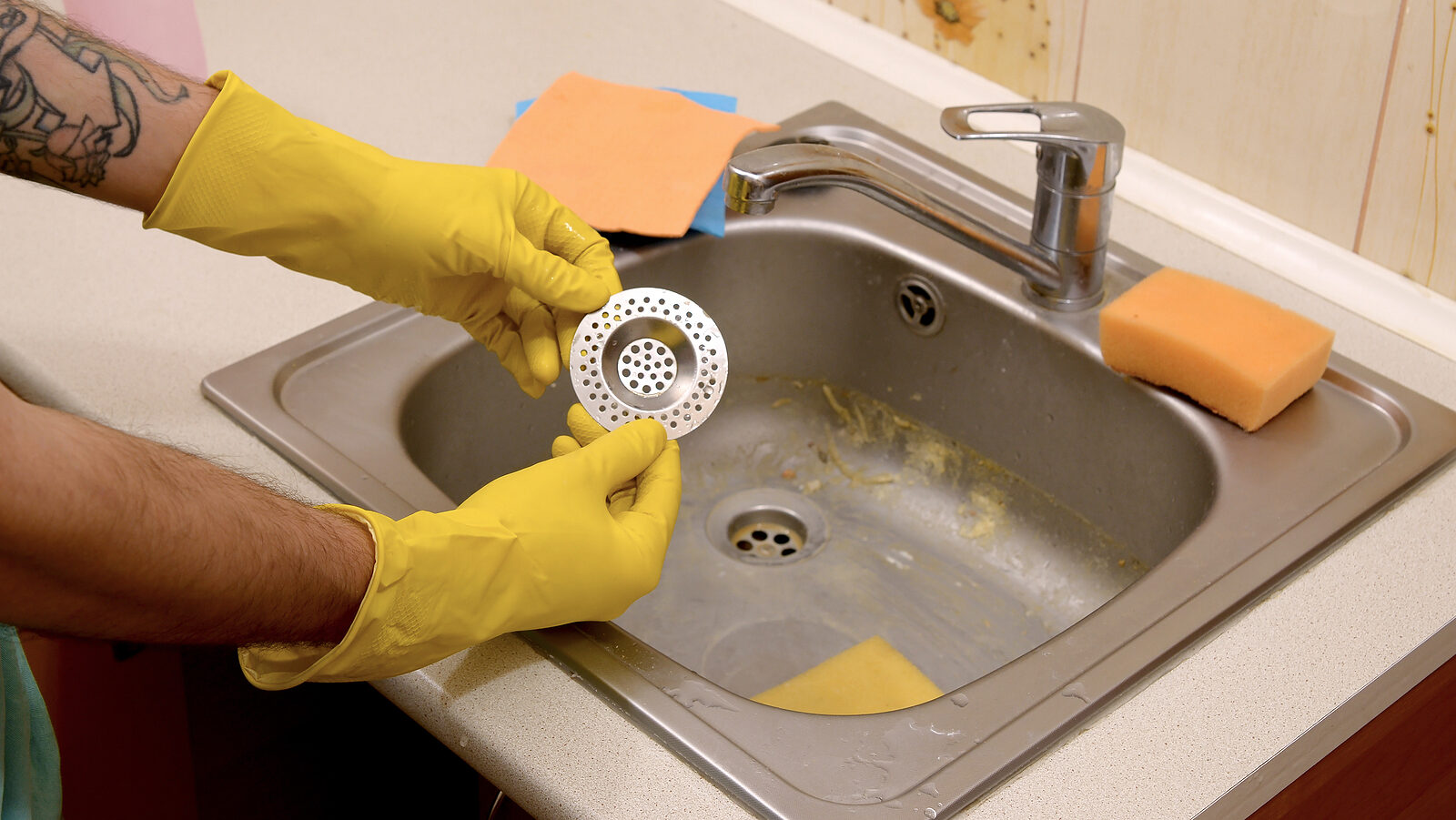
Image Source: blockbusters.co.uk
Why Does My Kitchen Sink Drain Smell?
Before we dive into the solutions, let’s get a grasp on why these smells happen. It’s usually not just a little water sitting there.
The Culprits Behind Sink Drain Odors
Several things can contribute to that unpleasant smell coming from your kitchen sink drain.
- Food Scraps and Grease Buildup: This is the most common reason. Tiny bits of food, grease, oil, and fat from cooking and washing dishes get washed down the drain. They don’t always go all the way through. Instead, they stick to the inside of the pipes. Over time, this gunk builds up, creating a slimy layer. Bacteria love to feast on this organic matter. As they break it down, they release gases. These gases are what cause the foul odors we detect. Think of it like leaving food out on the counter – it eventually spoils and smells bad. The same process happens in your drain pipes, just in a darker, wetter environment.
- Bacterial Growth: As mentioned, the warm, moist environment inside your pipes is a breeding ground for bacteria. When food particles and grease provide them with a buffet, they multiply rapidly. These bacteria, as they consume and excrete waste, produce sulfurous compounds. These compounds are often responsible for the rotten egg or sewage-like smells. The slime layer itself is largely made up of these bacteria and their byproducts.
- Clogged Drain Smell: If your sink is draining slowly, it’s a strong indicator that there’s a blockage. This blockage, often a significant buildup of food and grease, traps water and waste. This stagnant water becomes a perfect environment for anaerobic bacteria to thrive. These bacteria don’t need oxygen, and their waste products are particularly pungent. This is when you might notice a particularly strong, sewer-like smell, often a sign of a clogged drain smell.
- Trapped Water in the P-Trap: The P-trap is that U-shaped pipe under your sink. Its primary job is to hold a small amount of water. This water acts as a seal, preventing sewer gases from coming up into your kitchen. If the sink hasn’t been used for a while, or if the P-trap has been disturbed (like during some DIY plumbing work), the water seal can evaporate or be broken. When this happens, those unpleasant gases from the sewer system can waft up through the drain, causing odors.
- Garbage Disposal Issues: If you have a garbage disposal, it can also be a source of odors. Food particles can get trapped in the disposal unit itself, especially if it’s not run with enough water or if certain types of food (like fibrous vegetables or coffee grounds) are put down it too often. These trapped particles can decompose and create smells.
- Mold and Mildew: In damp environments like the inside of pipes, mold and mildew can also grow. These can contribute to musty or earthy smells.
Quick Fixes for Kitchen Sink Drain Odors
When you need to get rid of kitchen sink drain smells fast, reaching for common household items is often the quickest route. These methods are designed for immediate relief.
Method 1: Baking Soda and Vinegar Drain Power
This classic combination is a go-to for many household drain solutions because it’s effective and uses readily available ingredients.
How it Works:
The reaction between baking soda (a base) and vinegar (an acid) creates a fizzing action. This fizzing helps to loosen grime and grease buildup in the pipes. The baking soda is also a mild abrasive and a natural deodorizer, absorbing smells. The vinegar helps to kill bacteria and break down mineral deposits.
Steps for Quick Relief:
- Pour Baking Soda: Start by pouring about half a cup to a full cup of baking soda directly down the drain. Try to get as much as possible into the drain opening itself.
- Add Vinegar: Immediately follow the baking soda with an equal amount of white vinegar (about half a cup to a cup). You’ll hear a fizzing and bubbling sound. This is the chemical reaction at work.
- Cover and Wait: Cover the drain opening with a stopper or a damp cloth to keep the fizzing reaction contained within the pipes. Let it sit for at least 15-30 minutes. For tougher odors, you can leave it for an hour.
- Flush with Hot Water: After the waiting period, carefully remove the cover and flush the drain with plenty of very hot or boiling water. This will wash away the loosened debris and the baking soda and vinegar residue.
Tips for Best Results:
* Ensure your sink is as empty as possible before starting.
* Boiling water is most effective for melting grease.
* Repeat this process if the smell persists.
Method 2: Boiling Water Flush
Sometimes, all it takes is a simple, powerful flush to clear out minor odor-causing issues.
How it Works:
Hot water helps to melt and dissolve grease and soap scum that may have accumulated in the pipes. It also helps to flush away loose food particles that are starting to decompose.
Steps for Quick Relief:
- Boil Water: Boil a kettle or a pot of water.
- Pour Slowly: Carefully and slowly pour the boiling water directly down the drain. Pouring slowly allows the hot water more time to interact with the pipe walls.
- Repeat if Necessary: You may need to repeat this process a couple of times for significant impact.
When to Be Cautious:
* Avoid this method if you have PVC pipes and have recently used harsh chemical drain cleaners, as extreme heat can potentially damage them.
* Be very careful when handling boiling water to avoid burns.
Method 3: Lemon Juice or Citrus Peels
Citrus is a natural deodorizer and its acidity can help break down some grime.
How it Works:
The natural oils in citrus peels and the acidity of lemon juice can help cut through grease and leave a fresh scent.
Steps for Quick Relief:
- Use Lemon Juice: Pour about half a cup of fresh lemon juice down the drain. Let it sit for about 15-30 minutes. Then flush with hot water.
- Use Citrus Peels: Alternatively, boil a pot of water and add lemon, orange, or grapefruit peels. Let them steep for a few minutes. Then, strain the peels and use the infused hot water to flush your drain. You can also simply put a few peels down the drain and follow with boiling water.
Natural Drain Deodorizers
Beyond the immediate fixes, there are several natural drain deodorizers that can help maintain a fresh-smelling drain and contribute to overall drain maintenance tips.
Method 4: Salt and Baking Soda Combo
This is another effective, natural cleaning method that uses common kitchen staples.
How it Works:
Salt acts as a gentle abrasive and can help scrub away buildup. When combined with baking soda, it creates a potent cleaning paste.
Steps for Natural Deodorizing:
- Mix Ingredients: In a small bowl, mix half a cup of baking soda with half a cup of salt.
- Apply to Drain: Pour this mixture down your drain.
- Let it Sit: Allow the mixture to sit in the drain for at least 30 minutes, or ideally, for a few hours or overnight for a deeper clean.
- Flush: Flush the drain thoroughly with hot water.
Method 5: Borax
Borax is a naturally occurring mineral compound that’s a fantastic cleaner and deodorizer.
How it Works:
Borax is alkaline and can help break down grease and grime. It also has antibacterial properties that can combat odor-causing bacteria.
Steps for Natural Deodorizing:
- Measure Borax: Pour about half a cup of borax down the drain.
- Add Hot Water: Follow with a cup or two of hot water.
- Wait: Let it sit for at least 30 minutes.
- Flush: Flush with plenty of hot water.
Caution: While natural, borax can be an irritant, so it’s best to wear gloves and avoid inhaling the powder. Keep it out of reach of children and pets.
Method 6: Essential Oils with Baking Soda
For a pleasant scent and added cleaning power, essential oils can be a great addition.
How it Works:
Essential oils like tea tree, peppermint, lemon, and eucalyptus have antibacterial and antifungal properties. They also provide a fresh aroma.
Steps for Natural Deodorizing:
- Mix: Mix about half a cup of baking soda with 5-10 drops of your chosen essential oil.
- Apply and Wait: Pour the mixture down the drain and let it sit for at least 30 minutes.
- Flush: Flush with hot water.
Advanced Drain Cleaning Methods for Stubborn Odors
If natural methods don’t quite cut it, or if you suspect a more significant issue, these drain cleaning methods can be more potent.
Method 7: Enzymatic Drain Cleaners
These are often considered the best drain maintenance tips for long-term health.
How it Works:
Enzymatic cleaners use natural enzymes and bacteria to break down organic waste (food particles, grease, hair). They are safe for pipes and the environment because they work slowly and effectively, digesting the gunk without harsh chemicals. They are particularly good at eliminating sink drain odor caused by buildup.
Steps for Using Enzymatic Cleaners:
- Follow Product Instructions: Always read and follow the specific instructions on the enzymatic cleaner you purchase.
- Usually Applied at Night: Many enzymatic cleaners work best when left overnight, as the enzymes have time to work without being immediately flushed away.
- Regular Use: For best results and to prevent sink drain odor, use them regularly as a maintenance step.
Method 8: Using a Drain Snake or Auger
If a slow drain or persistent odor points to a real blockage, a physical tool might be needed.
How it Works:
A drain snake (or auger) is a flexible coil of wire that you can insert into the drain to physically break up or retrieve blockages. This is essential for dealing with a clogged drain smell that won’t go away.
Steps for Using a Drain Snake:
- Insert the Snake: Feed the end of the snake into the drain opening.
- Push and Turn: Gently push the snake further into the pipe while turning the handle. You’ll feel resistance when you hit a blockage.
- Break Up or Retrieve: Continue pushing and turning to break up the blockage or to hook onto it so you can pull it out.
- Flush: Once the blockage is cleared, flush the drain with hot water.
Method 9: Bleach (Use with Caution)
Bleach can kill bacteria and mold, but it should be used sparingly and with extreme care.
How it Works:
The active ingredient in bleach, sodium hypochlorite, is a powerful disinfectant that can kill odor-causing bacteria and mold.
Steps for Using Bleach:
- Dilute: Never use undiluted bleach in your drain. Mix about half a cup of bleach with a gallon of water.
- Pour Carefully: Pour the diluted solution slowly down the drain.
- Wait: Let it sit for about 30 minutes.
- Flush Thoroughly: Flush with a large amount of cold water.
Critical Safety Warnings:
* NEVER mix bleach with ammonia or other cleaning products. This can create toxic fumes.
* Do not use bleach if you have a septic system, as it can kill the beneficial bacteria.
* Avoid if you have very old or corroded pipes, as bleach can accelerate corrosion.
* Ensure good ventilation in your kitchen. Wear gloves and eye protection.
* This is a last resort; natural methods are generally preferred.
Preventing Sink Drain Odor: Proactive Measures
The best way to deal with kitchen sink drain smells is to prevent them from happening in the first place. These drain maintenance tips can save you a lot of trouble.
Regular Flushing
- Hot Water Rinse: After washing dishes, especially greasy ones, run hot water down the drain for about 30 seconds to help wash away any lingering residue.
- Daily Flush: Even if you don’t use the sink much, run hot water for a minute or two each day to keep the P-trap filled and prevent stagnation.
Scrape Plates Before Washing
- Remove Solids: Scrape all food scraps from plates and pots into the trash or compost bin before rinsing them in the sink. This significantly reduces the amount of food waste going down the drain.
Avoid Pouring Grease Down the Drain
- Collect and Dispose: Never pour cooking oil, grease, or fat down the drain. Instead, let it cool and solidify, then scrape it into the trash. You can also collect it in a dedicated container.
Use a Sink Strainer
- Catch Debris: A sink strainer is an inexpensive and highly effective tool. It catches food particles and other debris, preventing them from entering the pipes. Empty the strainer into the trash regularly.
Run Cold Water with Garbage Disposal
- Lubrication: If you use a garbage disposal, always run cold water for at least 30 seconds before and after turning it on. This helps wash food particles through the disposal and into the drain line, and keeps grease from solidifying.
Occasional Deodorizing Routine
- Monthly Treatment: Make it a habit to use one of the natural deodorizing methods (like baking soda and vinegar) once a month to keep your drains clear and smelling fresh. This is a key part of prevent sink drain odor.
Dealing with Drain Flies and Odors
Sometimes, drain flies and odors go hand-in-hand. These tiny, fuzzy flies often hover around sink drains and are attracted to the decaying organic matter.
Identifying Drain Flies
Drain flies, also known as sewer flies or filter flies, are small, moth-like insects. They breed in the moist organic sludge found in drains and overflow pipes.
Eliminating Drain Flies and Odors Together
To tackle both issues, you need to address the breeding ground.
- Clean the Pipes: Use one of the more thorough cleaning methods mentioned above (baking soda and vinegar, enzymatic cleaners) to remove the organic buildup that drain flies feed on and lay eggs in. A drain snake can be helpful if there’s significant sludge.
- Dry Out the Area: Ensure the sink area is as dry as possible between uses.
- Check for Leaks: Sometimes, drain flies can breed in other damp areas, like under the sink if there’s a leak. Inspect for any moisture issues.
- Seal Openings: If you have an old or rarely used drain, cover it with a stopper or tape to prevent flies from accessing it.
Summary of Drain Cleaning Methods
Here’s a quick reference table for common drain cleaning methods and their primary uses:
| Method | Best For | Frequency | Notes |
|---|---|---|---|
| Boiling Water | Minor grease buildup, flushing loose particles | As needed | Effective for quick relief. Be cautious with PVC pipes. |
| Baking Soda & Vinegar | Deodorizing, loosening light grime, general cleaning | Weekly/Monthly | Natural, safe, and effective. Creates a fizzing action. |
| Salt & Baking Soda | Gentle scrubbing, deodorizing | Monthly | Salt acts as a mild abrasive. |
| Lemon Juice/Citrus Peels | Deodorizing, cutting through light grease, leaving fresh scent | As needed | Natural and pleasant. |
| Borax | Stronger deodorizing, breaking down grease, antibacterial | Monthly | Natural mineral, but use with gloves and ventilation. |
| Essential Oils | Deodorizing, antibacterial/antifungal properties, pleasant scent | As needed | Combine with baking soda for best results. |
| Enzymatic Drain Cleaners | Regular maintenance, preventing clogs, breaking down organic waste, eliminating odors | Monthly/Quarterly | Slow-acting but effective and pipe-friendly. Excellent for long-term drain maintenance tips. |
| Drain Snake/Auger | Stubborn clogs, physical removal of blockages | As needed | For when softer methods fail. |
| Bleach (Diluted) | Killing bacteria/mold (last resort) | Rarely, if ever | Use with extreme caution. Never mix with other cleaners. Not for septic systems or old pipes. |
Frequently Asked Questions (FAQ)
Q1: How often should I clean my kitchen sink drain to prevent odors?
A1: For most households, a monthly routine of using baking soda and vinegar or an enzymatic cleaner is usually sufficient to prevent sink drain odor. If you frequently cook greasy foods or notice slow draining, you might benefit from a more frequent schedule, perhaps every two to three weeks.
Q2: Can I use dish soap to clean my drain?
A2: While dish soap is designed to cut grease, pouring large amounts directly down the drain isn’t the most effective way to clear buildup and can sometimes lead to excessive suds. It’s better used with hot water during washing to help rinse away light grease. For a deeper clean, stick to the methods outlined above.
Q3: My sink is still smelly after trying these methods, what else can I do?
A3: If odors persist after trying several of these drain cleaning methods, it might indicate a more significant issue, such as a problem with the P-trap’s water seal, a deeper blockage, or even a vent pipe issue. In such cases, it’s advisable to call a professional plumber to diagnose and fix the problem.
Q4: Are chemical drain cleaners safe for my pipes?
A4: Chemical drain cleaners (like those containing lye or sulfuric acid) can be very effective for clearing tough clogs, but they can also be harsh. They can corrode pipes over time, especially older metal pipes, and are harmful to the environment and your health if not used with extreme care. It’s generally recommended to try natural and enzymatic solutions first.
Q5: I have a garbage disposal. Does that change how I clean my drain?
A5: Yes, if you have a garbage disposal, it’s important to ensure you’re using it correctly. Always run cold water while grinding food and for about 30 seconds afterward. Occasionally, you can run citrus peels or ice cubes through the disposal to help clean and freshen it. Food particles can get trapped in the disposal unit itself, contributing to odors, so clean the disposal unit as well as the drain.
Q6: What are those little flies around my sink?
A6: Those are likely drain flies. They are attracted to the organic matter that collects in drains, which also causes the odors. Cleaning out the drain thoroughly with methods like baking soda and vinegar or enzymatic cleaners is the best way to eliminate their food source and breeding ground.
By implementing these simple yet effective strategies, you can effectively tackle and eliminate sink drain odor, ensuring your kitchen remains a fresh and pleasant place to be. Consistent drain maintenance tips are key to long-term freshness and preventing future smelly surprises.