
Does your kitchen sink drain let out a foul smell? You can get rid of kitchen sink drain odor by cleaning the drain and pipes, removing blockages, and using natural deodorizers.
The kitchen sink is a busy place. We wash dishes, rinse food scraps, and pour various liquids down it. Over time, this can lead to an unpleasant odor. But don’t worry! This article will guide you on how to remove kitchen sink smells and eliminate drain odor. We’ll cover everything from simple fixes to deeper cleaning methods.
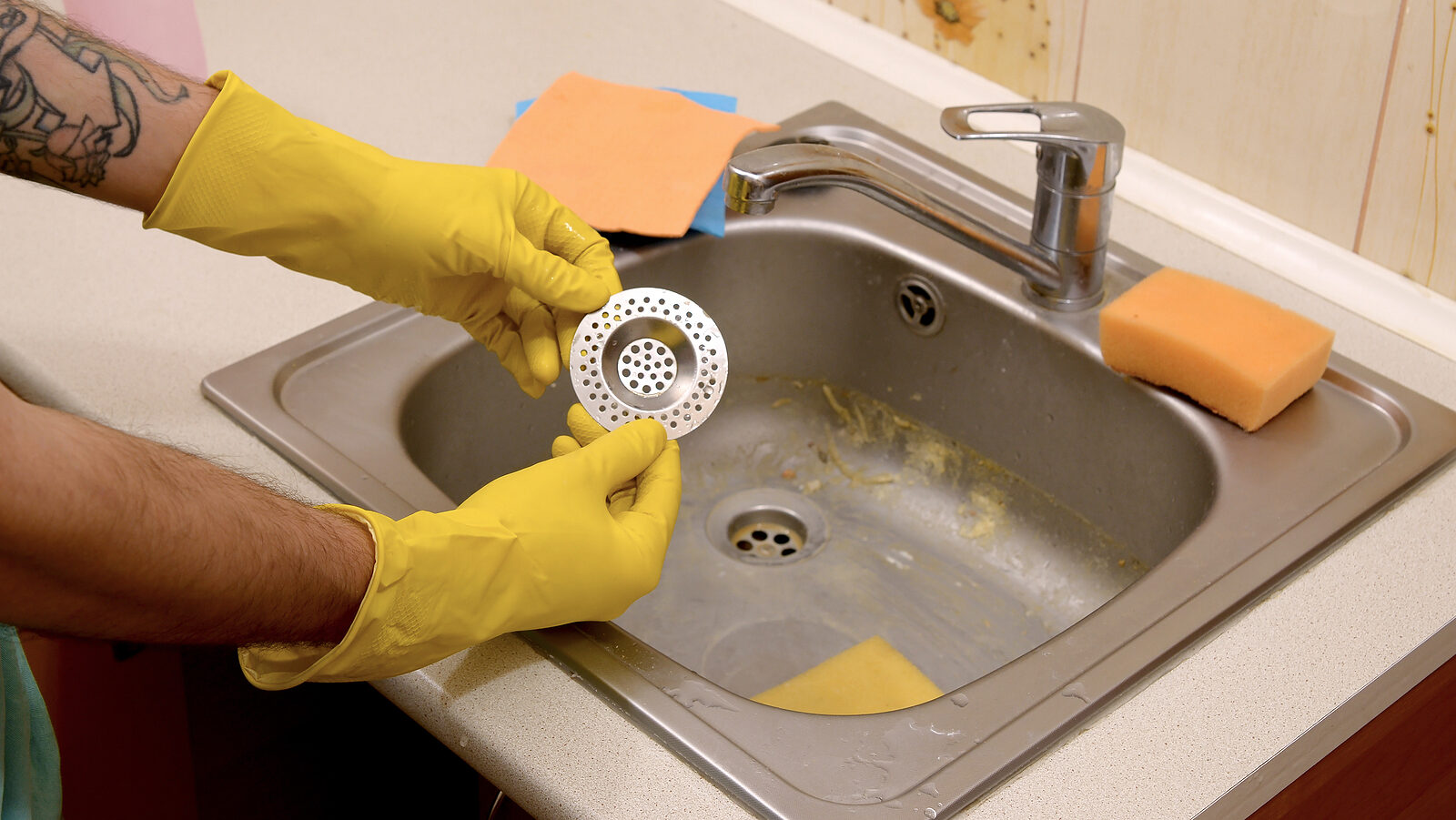
Image Source: blockbusters.co.uk
Deciphering the Source of Sink Drain Smells
Before we tackle the odor, let’s figure out where it’s coming from. The culprit is often a buildup of gunk in the pipes. This includes:
- Food Particles: Bits of vegetables, grease, coffee grounds, and other food waste can stick to the pipe walls.
- Grease and Fat: When hot grease cools, it solidifies and coats the pipes, trapping other debris.
- Soap Scum: Soap residue mixes with hair and grime, creating a sticky layer.
- Mold and Mildew: Damp environments in the pipes are perfect for mold growth, which can cause a musty smell.
- Bacteria: The organic matter in the pipes feeds bacteria, and their waste products cause the bad smells.
- P-Trap Issues: The U-shaped pipe under your sink, called the P-trap, holds water to block sewer gases from entering your home. If it’s dry or clogged, sewer smells can escape.
Simple Steps to Freshen Your Sink Drain
Sometimes, the simplest methods are the most effective. Here are easy ways to combat that bad drain smell remedy.
The Baking Soda and Vinegar Power Duo
This is a classic and effective method for natural drain odor removal.
What you’ll need:
- Baking soda
- White vinegar
- Hot water
- A stopper or cloth
Steps:
- Pour Baking Soda: Pour about half a cup to a full cup of baking soda down the drain.
- Add Vinegar: Follow with an equal amount of white vinegar. You’ll see a fizzing reaction. This reaction helps to loosen grime.
- Cover the Drain: Quickly cover the drain with a stopper or a damp cloth. This directs the fizzing action downward into the pipes, where it’s needed most. Let it sit for about 15-30 minutes.
- Rinse with Hot Water: Remove the stopper and pour a kettle of very hot, but not boiling, water down the drain. This flushes away the loosened debris and vinegar.
This is a great way to deodorize sink drain without harsh chemicals.
Boiling Water Flush
Sometimes, all your drain needs is a good flush.
What you’ll need:
- A kettle or pot
Steps:
- Boil Water: Boil a full kettle or large pot of water.
- Pour Slowly: Carefully and slowly pour the boiling water directly down the drain opening. Do this in stages, allowing the water to work its way through.
This can help melt away solidified grease and flush out loose debris. Be cautious if you have PVC pipes, as very hot water might affect them over time. For most standard plumbing, it’s safe.
Salt and Hot Water
Salt is a natural abrasive and can help scrub away buildup.
What you’ll need:
- Salt
- Hot water
Steps:
- Pour Salt: Pour about half a cup of salt down the drain.
- Add Hot Water: Follow with a kettle of hot water, pouring it slowly.
- Let it Sit: Let it sit for a few hours or overnight.
- Flush Again: Flush with more hot water in the morning.
Tackling Stubborn Odors: Deeper Sink Drain Cleaning
If the simple methods don’t fully remove kitchen sink smells, you might need to go a bit deeper. These methods can help unclog and deodorize your drain.
Dish Soap and Hot Water
Dish soap is designed to cut through grease, making it a good ally against drain buildup.
What you’ll need:
- Liquid dish soap
- Hot water
Steps:
- Squirt Soap: Squirt a generous amount of liquid dish soap down the drain.
- Pour Hot Water: Follow with a kettle of hot water.
- Let it Work: Let it sit for a few minutes.
- Flush: Flush with more hot water.
This is another gentle way to eliminate drain odor.
Lemon and Baking Soda
The acidity of lemon can help break down grime, and its scent is naturally refreshing.
What you’ll need:
- Baking soda
- Lemon juice (or fresh lemon peels)
- Hot water
Steps:
- Baking Soda: Pour half a cup of baking soda down the drain.
- Lemon: Add half a cup of lemon juice. If you have fresh lemon peels, you can grind them up and add them too for extra scent.
- Fizz and Sit: Let the mixture fizz and sit for about 30 minutes.
- Rinse: Flush with hot water.
This method is excellent for both cleaning and adding a pleasant citrus scent. It’s a great option for natural drain odor removal.
The Drain Snake or Auger
If you suspect a blockage is causing the odor, a drain snake can help.
What you’ll need:
- Drain snake (manual or electric)
Steps:
- Insert Snake: Feed the end of the drain snake into the drain opening.
- Feed and Turn: Push the snake further into the pipe, turning the handle as you go. You’ll feel resistance when you hit a clog.
- Break Up or Retrieve: Work the snake back and forth to break up the clog or hook onto it to pull it out.
- Flush: Once the clog is cleared, flush the drain with plenty of hot water.
This is a key part of sink drain cleaning when a physical obstruction is the issue. It helps unclog and deodorize effectively.
Preventing Future Sink Drain Smells
Once your drain smells fresh, you’ll want to keep it that way. Here’s how to prevent sink drain smells.
Proper Food Disposal Habits
- Scrape Plates: Always scrape food scraps into the trash or compost bin before rinsing dishes.
- Avoid Greasy Buildup: Don’t pour grease, oil, or fats down the drain. Pour them into a disposable container and discard them in the trash once cooled.
- Limit Coffee Grounds and Eggshells: These can be fibrous and sticky, contributing to clogs. Dispose of them in the trash or compost.
- Use a Sink Strainer: A good sink strainer will catch larger food particles, preventing them from entering the pipes. Clean it out regularly.
Regular Maintenance is Key
- Weekly Flush: Once a week, pour a kettle of hot water down the drain to help flush out minor grease buildup.
- Monthly Deodorizing: Use the baking soda and vinegar method (or lemon and baking soda) once a month to keep pipes clean and fresh.
- Clean the Garbage Disposal: If you have a garbage disposal, run ice cubes through it to help clean the blades. You can also run citrus peels through it for a fresh scent. Never put fibrous vegetables, bones, or large amounts of starchy foods down the disposal.
What to Avoid for Sink Drain Cleaning
- Harsh Chemical Drain Cleaners: While they can quickly clear clogs, these chemicals are often corrosive. They can damage your pipes over time, and if they don’t work, they leave hazardous residue that makes manual cleaning dangerous. They also don’t typically address the underlying cause of odors, which is bacterial buildup.
- Pouring Boiling Water on PVC Pipes Repeatedly: While occasional use is generally fine, frequent pouring of boiling water directly onto PVC pipes can potentially soften or damage them over extended periods. Use very hot tap water for regular maintenance if you’re concerned.
Advanced Solutions and When to Call a Professional
If you’ve tried these methods and your drain still smells, or if you suspect a more significant issue, it might be time for professional help.
Investigating the Kitchen Sink Pipe Smell
The kitchen sink pipe smell could be originating from further down the plumbing line, or even from a problem with your main sewer line.
- Vent Pipe Issues: Plumbing systems have vent pipes that allow air to enter the system, preventing water from being siphoned out of the traps. If a vent pipe is blocked, it can cause gurgling sounds and allow sewer gases to back up into the house, often manifesting as a foul odor from drains.
- Dry P-Trap: If you have a seldom-used sink or if there’s been a lot of dry weather, the water in the P-trap might evaporate, allowing sewer gases to enter. Running water for a minute or two will refill the trap.
- Cracked or Leaking Pipes: A crack or leak in your drain pipes could allow sewage to seep into your walls or subflooring, creating persistent odors.
- Main Sewer Line Blockage: A blockage in the main sewer line can affect multiple fixtures in your home, causing slow drains and foul smells.
When to Seek Professional Plumbing Services
- Persistent Odors: If you’ve tried multiple cleaning methods and the smell remains.
- Multiple Fixtures Affected: If drains in other areas of your home are also slow or smelly.
- Gurgling Sounds: Unusual gurgling from drains often indicates a venting or blockage problem.
- Water Backup: If you experience water backing up into sinks or tubs.
- Suspected Pipe Damage: If you see signs of water damage or mold around your pipes.
A plumber can use specialized equipment like video cameras to inspect your pipes and accurately diagnose the source of the odor. They can also provide effective drain cleaning solutions for more complex problems.
Frequently Asked Questions About Sink Drain Odors
Q1: Can I use bleach to clean my kitchen sink drain?
A1: While bleach can kill bacteria and temporarily mask odors, it’s not the best long-term solution. Bleach can be harsh on pipes, especially older ones, and doesn’t effectively break down the grease and food particles that cause odors. Natural methods like baking soda and vinegar are generally safer and more effective for long-term drain health.
Q2: How often should I clean my kitchen sink drain?
A2: For basic maintenance and to prevent sink drain smells, a weekly hot water flush is recommended. A monthly treatment with baking soda and vinegar can help keep things extra fresh and clear. If you notice any smells developing, address them promptly with one of the cleaning methods discussed.
Q3: What if the smell comes back immediately after cleaning?
A3: If the odor returns very quickly, it suggests a more significant issue. This could be a persistent blockage that wasn’t fully removed, a problem with your P-trap, or an issue with your plumbing vents. In such cases, it’s best to consult a professional plumber to diagnose the root cause.
Q4: Can I put essential oils down the drain for odor?
A4: Essential oils like tea tree, lemon, or peppermint can add a pleasant scent and have some antimicrobial properties. You can add a few drops to your baking soda and vinegar mixture or add them to hot water for a final flush. However, essential oils alone won’t clean out the gunk causing the smell; they are best used as a complementary deodorizing agent.
Q5: What is the best way to remove kitchen sink smells from food particles?
A5: The best way to remove kitchen sink smells caused by food particles is to regularly clean the drain with baking soda and vinegar, followed by a hot water flush. Ensuring you scrape all food scraps into the trash before rinsing dishes and using a sink strainer will significantly reduce the amount of food particles entering your pipes.
By following these steps, you can effectively remove kitchen sink smells, eliminate drain odor, and maintain a fresh-smelling kitchen. Regular cleaning and good habits are your best defense against that unwelcome kitchen sink pipe smell.