
What is the standard height of a kitchen cabinet? Standard kitchen cabinet heights are typically 34.5 inches for base cabinets and 30, 36, or 42 inches for wall cabinets, though these can vary based on specific design needs and manufacturers. This guide will delve into the common cabinet sizes that form the backbone of any functional kitchen layout.
Designing a kitchen involves more than just choosing pretty colors and stylish appliances. The actual dimensions of your cabinets play a crucial role in how your kitchen looks, feels, and functions. Getting these kitchen cabinet dimensions right ensures a comfortable workflow and a visually appealing space. This article will explore the standard sizes for kitchen cabinets, covering both base and wall units, and what influences these common cabinet measurements.
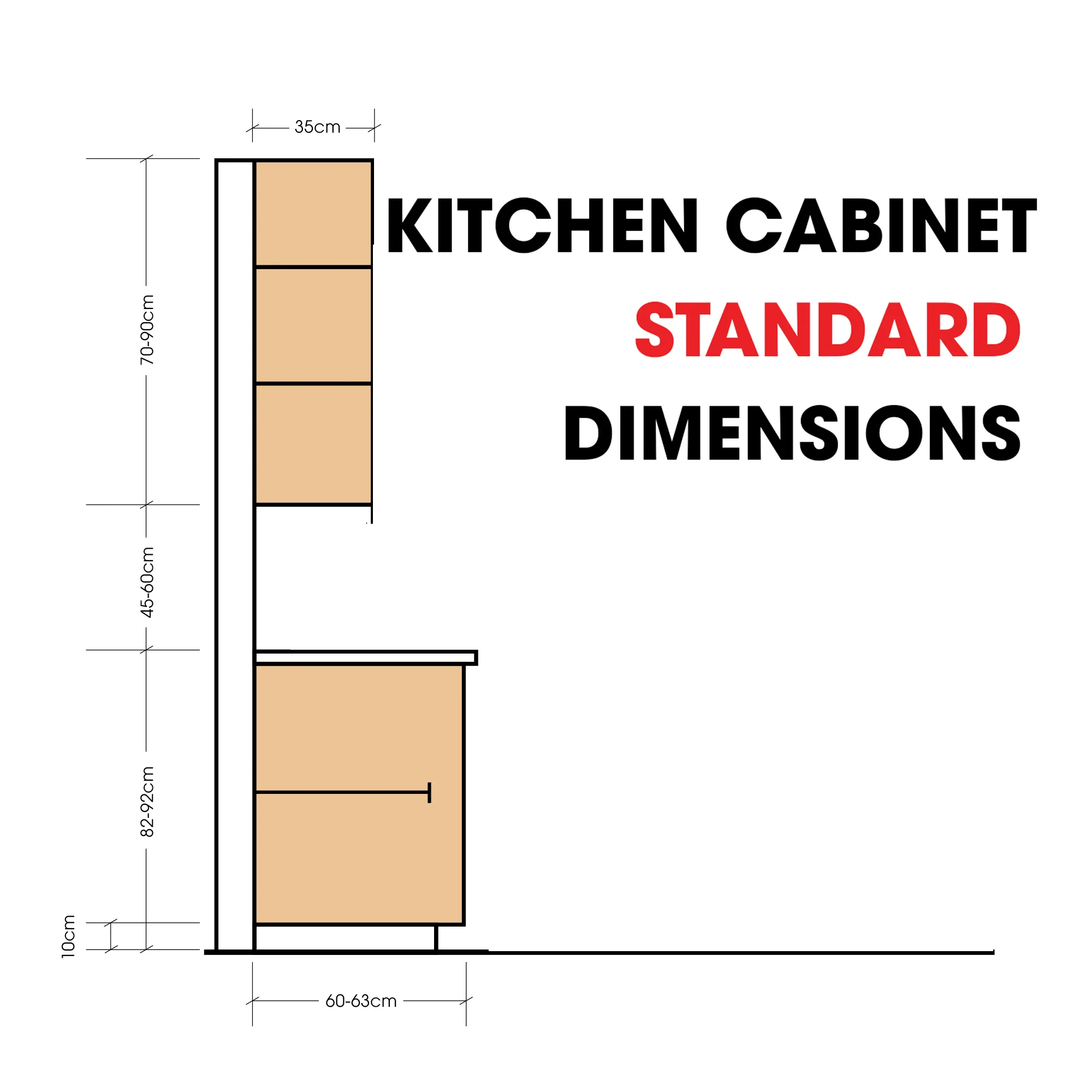
Image Source: guilincabinets.com
Deciphering Base Cabinet Height
The height of your base cabinets is arguably the most critical measurement in your kitchen. This is because they support your countertops, which are the primary work surfaces. The standard base cabinet height is 34.5 inches. This measurement is specifically designed to work in conjunction with standard countertop thicknesses (usually 1.5 to 2 inches) to achieve an overall working height of approximately 36 inches. This 36-inch countertop height is the universally accepted ergonomic standard for most people.
Why 34.5 Inches for Base Cabinets?
- Ergonomics: The 36-inch finished countertop height is comfortable for a wide range of individuals, allowing them to prepare food without excessive bending or reaching. This standard height minimizes strain on the back and arms during common kitchen tasks like chopping vegetables or kneading dough.
- Appliance Integration: Many standard kitchen appliances, such as dishwashers and ranges, are designed to fit beneath countertops at this height. A 34.5-inch base cabinet provides the necessary clearance for a standard 34.5-inch tall appliance to slide in and sit flush with the countertop.
- Consistency: Adhering to this standard ensures a consistent look and feel across different kitchen designs and manufacturers. It simplifies the planning process for both homeowners and contractors.
Factors Affecting Base Cabinet Height
While 34.5 inches is the standard, there are instances where this might be adjusted:
- Custom Countertop Thickness: If you opt for a thicker countertop material, like a 3-inch butcher block or a substantial stone slab, you might need slightly shorter base cabinets to maintain the desired 36-inch overall working height. Conversely, a very thin countertop might require taller base cabinets.
- User Height: For kitchens primarily used by individuals who are significantly taller or shorter than average, custom base cabinet heights can be considered. However, this is less common due to the standardized nature of appliances and the resale value of a home.
- Specialty Features: The inclusion of features like built-in toe kicks that are taller than the standard 4.5 inches can slightly alter the overall cabinet height.
Base Cabinet Depth
Beyond height, the base cabinet depth is another important dimension. Standard base cabinets are typically 24 inches deep (excluding the door or drawer fronts). This depth allows for ample storage space and provides a substantial surface area on the countertop.
- Internal Drawer/Shelf Space: The 24-inch depth usually translates to about 23.25 inches of internal usable depth once the doors, hinges, and drawer slides are accounted for. This is sufficient for storing pots, pans, dishes, and small appliances.
- Countertop Overhang: The standard 24-inch depth of the base cabinet, combined with a typical 1.5 to 2-inch countertop overhang, results in a total countertop depth of around 25 to 26 inches. This overhang provides a comfortable space for your hands when working at the counter and prevents spills from dripping onto the cabinet fronts.
Exploring Wall Cabinet Height
Wall cabinets, also known as upper cabinets, are mounted above the base cabinets. Their height is more variable than base cabinets, offering more flexibility in design and storage needs. The most common cabinet measurements for wall cabinets include 30, 36, and 42 inches.
Standard Wall Cabinet Heights and Their Uses
- 30-Inch Wall Cabinets: These are frequently used when there’s a desire for a longer backsplash area or when the kitchen has standard 8-foot ceilings. They provide adequate storage without making the upper part of the kitchen feel cramped. They are often paired with base cabinets in a way that leaves 18 inches of backsplash space.
- 36-Inch Wall Cabinets: These are very popular for kitchens with 9-foot ceilings or for those who want to maximize storage space. They reach higher up the wall, leaving approximately 12 inches of backsplash space between the countertop and the bottom of the cabinet. This is a common choice for a more expansive feel.
- 42-Inch Wall Cabinets: These are typically used for kitchens with 10-foot ceilings or higher. They offer the maximum storage capacity for wall units and can create a more dramatic, floor-to-ceiling look. When using 42-inch cabinets with standard 36-inch base cabinets and a 1.5-inch countertop, the gap above the countertop would be around 6 inches, which might require filler strips or creative trim work.
What Influences Wall Cabinet Height Choices?
- Ceiling Height: This is the primary driver. You need to ensure the wall cabinets fit comfortably below the ceiling, typically leaving a few inches for crown molding or a soffit.
- 8-foot ceilings: 30-inch wall cabinets are common.
- 9-foot ceilings: 36-inch wall cabinets are often the go-to.
- 10-foot ceilings and above: 42-inch or even taller custom cabinets are suitable.
- Countertop to Cabinet Clearance: The distance between the countertop and the bottom of the wall cabinet is crucial for usability. The standard clearance is 18 inches. This provides enough space to work comfortably without bumping your head or feeling restricted.
- Base Cabinet Height (34.5″) + Countertop Thickness (1.5″) + Wall Cabinet Clearance (18″) = Total Height to Bottom of Wall Cabinet (54″).
- If using a 30-inch wall cabinet, the top of the cabinet would be at 54″ + 30″ = 84 inches from the floor, leaving 12 inches to an 8-foot ceiling (96 inches).
- If using a 36-inch wall cabinet, the top would be at 54″ + 36″ = 90 inches from the floor, leaving 6 inches to a 9-foot ceiling (108 inches).
- If using a 42-inch wall cabinet, the top would be at 54″ + 42″ = 96 inches from the floor, leaving 12 inches to a 10-foot ceiling (120 inches).
- Aesthetic Preferences: Some designers prefer to stack wall cabinets, using a shorter cabinet on top of a taller one to create visual interest or to fill specific spaces.
- Storage Needs: If you have a lot of dishes, glassware, or rarely used items to store, taller wall cabinets will be beneficial.
- Appliance Placement: The height of certain appliances, like over-the-range microwaves or decorative range hoods, will dictate the space available for wall cabinets above them.
Wall Cabinet Depth
The upper cabinet depth also varies, though less dramatically than height. The standard upper cabinet depth is 12 inches. This provides a good balance between storage capacity and ensuring the cabinets don’t protrude too far into the kitchen space, which could impede movement and create a sense of being closed in.
- Usable Depth: Similar to base cabinets, the usable internal depth of a 12-inch wall cabinet is typically around 10-11 inches, depending on the construction of the doors and shelves. This is sufficient for most kitchen items.
- Accessibility: A 12-inch depth makes it easier to reach items stored in the back of the cabinet, especially for those of average height.
- Variations: Some specialized wall cabinets might be deeper, such as those designed to house larger appliances or for specific storage needs, but 12 inches remains the most common depth.
Other Key Cabinet Sizes and Kitchen Layout Dimensions
When planning your kitchen, it’s important to consider a few other common cabinet sizes and overall kitchen layout dimensions that work in harmony with your cabinet choices.
Standard Cabinet Widths
While height and depth are standardized, cabinet widths are much more variable. They come in increments, typically starting from 9 or 12 inches and going up to 60 inches or more for specialty units like pantry cabinets or large sink bases. Common widths include:
- 9, 12, 15, 18, 21, 24, 27, 30, 33, 36 inches for standard wall and base cabinets.
- Wider sizes for specific purposes like:
- 24, 30, 36 inches for blind corner base cabinets.
- 36, 42, 48 inches for sink bases (often wider to accommodate plumbing).
- 18, 24, 30, 36 inches for pantry cabinets.
Toe Kick Height
The toe kick is the recessed area at the bottom of base cabinets. It’s usually 4 to 4.5 inches high and about 3 to 3.5 inches deep. This recess allows you to stand closer to the countertop without stubbing your toes against the cabinet face.
Cabinet Door and Drawer Front Styles
The dimensions of the doors and drawer fronts are part of the overall cabinet appearance but don’t affect the structural cabinet dimensions. They can be full overlay (covering most of the cabinet frame), partial overlay, or inset (sitting flush within the frame).
Kitchen Layout Dimensions Considerations
When thinking about kitchen layout dimensions, the cabinet sizes are a major component.
- Work Triangle: The classic work triangle (sink, refrigerator, stove) is a fundamental concept. The distance between these points impacts kitchen efficiency. Well-chosen cabinet dimensions ensure ample space for movement.
- Walkways: Ensuring sufficient clearance between countertops and islands or other cabinetry is vital. A common recommendation is at least 36 inches for single-cook kitchens and 42-48 inches for kitchens with multiple cooks or ample traffic flow.
- Island Dimensions: If you plan an island, its size and placement must be integrated with your cabinet layout. The height of a kitchen island can be similar to standard countertop height (36 inches), but can also be raised for bar seating.
Cabinet Size Considerations for Different Kitchen Styles
The choice of cabinet sizes can also influence the overall aesthetic of your kitchen.
Traditional Kitchens
In traditional kitchens, you might see a mix of standard 30-inch wall cabinets with decorative moldings and perhaps a few taller units. The focus is often on creating a warm and inviting atmosphere. The standard 34.5-inch base cabinets with traditional door styles are common.
Modern Kitchens
Modern kitchens often embrace a minimalist aesthetic. This can translate to using taller wall cabinets (36 or 42 inches) to create a sleek, streamlined look that draws the eye upward. Flat-panel doors and minimalist hardware are typical. The 34.5-inch base cabinets remain standard, but the overall cabinetry might appear more continuous.
Transitional Kitchens
Transitional kitchens blend elements of both traditional and modern styles. You might find a mix of 30-inch and 36-inch wall cabinets, possibly with some stacked cabinetry to add visual interest. The emphasis is on a balanced and timeless design.
Custom vs. Stock Cabinet Sizes
While this article focuses on standard sizes, it’s worth noting the difference between stock, semi-custom, and custom cabinets.
- Stock Cabinets: These are pre-manufactured in limited sizes and styles. They are the most affordable option and readily available. They adhere strictly to standard dimensions.
- Semi-Custom Cabinets: These offer more flexibility. You can often choose from a wider range of sizes, finishes, and door styles. You might be able to get cabinets in non-standard widths or heights, but within certain manufacturer limitations.
- Custom Cabinets: These are built to your exact specifications. If you have unique kitchen layout dimensions or specific storage needs, custom cabinets provide the ultimate flexibility, allowing you to dictate every dimension, including non-standard heights, depths, and widths. However, they are also the most expensive option.
Table: Common Cabinet Measurements Summary
Here’s a quick reference table summarizing the key measurements:
| Cabinet Type | Standard Height | Standard Depth | Typical Widths |
|---|---|---|---|
| Base Cabinets | 34.5 inches | 24 inches | 9, 12, 15, 18, 21, 24, 27, 30, 33, 36 inches |
| Wall Cabinets | 30, 36, 42 inches | 12 inches | 9, 12, 15, 18, 21, 24, 27, 30, 33, 36 inches |
| Toe Kick | 4-4.5 inches | 3-3.5 inches | – |
| Countertop Height | 36 inches (finished) | – | – |
| Countertop Depth | – | 25-26 inches | – |
Frequently Asked Questions (FAQ)
Q1: Can I mix and match wall cabinet heights in my kitchen?
A1: Yes, you absolutely can! Mixing wall cabinet heights can add visual interest and accommodate different ceiling heights or design elements. For instance, you might use 36-inch cabinets over most of your counter space and then switch to 30-inch cabinets above a sink or window to create a specific look or accommodate a vent hood.
Q2: What if my ceiling height isn’t standard (e.g., 8.5 feet)?
A2: For non-standard ceiling heights, you’ll need to do some careful measuring. For an 8.5-foot ceiling (102 inches), you might find that 36-inch wall cabinets leave a bit too much space above, and 42-inch cabinets might be too tall. In such cases, a 36-inch cabinet with a custom-height soffit or crown molding can bridge the gap elegantly. Alternatively, some manufacturers offer intermediate sizes or can create custom-height cabinets.
Q3: How much space should I leave between my countertop and wall cabinets?
A3: The standard and most ergonomic clearance between the countertop and the bottom of wall cabinets is 18 inches. This provides ample room for most kitchen tasks and accommodates various small appliances like toasters or blenders that might be stored on the counter.
Q4: Does the thickness of my countertop affect the base cabinet height?
A4: Yes, it does. The standard 34.5-inch base cabinet height is designed to achieve a 36-inch finished countertop height with a standard 1.5-inch thick countertop. If you choose a thicker countertop (e.g., 3 inches), you would need to account for that extra height, potentially by ordering shorter base cabinets or by planning for a taller overall workspace.
Q5: What is the standard depth of a kitchen island?
A5: The standard depth for a kitchen island countertop is typically between 24 and 36 inches, mirroring the depth of base cabinets or offering more workspace. The cabinet base of the island will usually be 24 inches deep, but the countertop can extend beyond this for an overhang.
By carefully considering these standard kitchen cabinet dimensions and their implications, you can design a kitchen that is both beautiful and highly functional for years to come.