
Can I replace a kitchen drawer myself? Yes, you absolutely can! Replacing a kitchen drawer is a very achievable DIY project for most homeowners. It can significantly improve your kitchen’s functionality and appearance, especially if you’re dealing with a wobbly drawer or worn-out drawer slides. This guide will walk you through the entire process, from diagnosing the problem to installing your brand-new drawer.
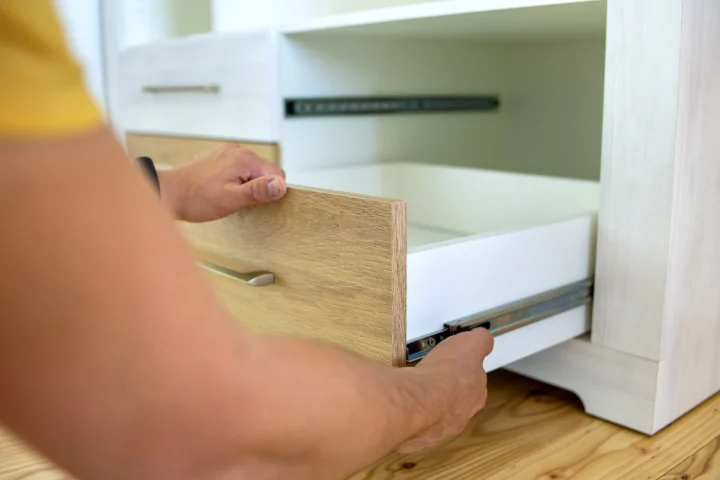
Image Source: www.shelfgenie.com
Why Replace a Kitchen Drawer?
Kitchen drawers take a lot of abuse. They hold heavy dishes, canned goods, and all sorts of kitchen tools. Over time, this constant use can lead to several issues:
- Wobbly Drawer: The drawer itself or its connection to the cabinet might loosen.
- Sticking or Binding: The drawer might become difficult to open or close smoothly. This is often due to damaged or misaligned drawer slides.
- Broken Components: The drawer box, the slides, or the hardware can break due to wear and tear or accidental damage.
- Outdated Appearance: You might simply want to update the look of your kitchen with new, more modern drawers.
- Drawer Slide Replacement: The original drawer slides might be old, worn out, or simply not up to the task of supporting heavier loads, leading to frequent sticking or failure.
Addressing these issues with proper cabinet drawer maintenance or a full replacement can make a world of difference in your daily kitchen experience.
Preparing for the Project
Before you start, gather your tools and materials. This will make the process smoother and more efficient.
Tools You’ll Need:
- Screwdrivers: Both Phillips head and flathead screwdrivers are essential. A cordless drill with screwdriver bits can speed things up.
- Tape Measure: For accurate measurements of your existing drawer and cabinet opening.
- Pry Bar or Putty Knife: To gently loosen the old drawer from the cabinet.
- Utility Knife: To score any caulk or sealant holding the old drawer in place.
- Level: To ensure the new drawer is installed straight.
- Pencil: For marking measurements and screw locations.
- Safety Glasses: To protect your eyes from dust and debris.
- Gloves: To keep your hands clean and protected.
- Shop Vacuum: To clean up any sawdust or debris.
- Wood Glue (Optional): For reinforcing the new drawer box if needed.
- Clamps (Optional): To hold glued pieces together while drying.
Materials You’ll Need:
- New Drawer Box: You can order custom-sized drawer boxes or purchase pre-made ones. Make sure to measure your cabinet opening accurately.
- New Drawer Slides: If the old ones are damaged, you’ll need new ones. Choose slides that match the weight capacity and style you need. Consider soft-close options for a premium feel.
- Drawer Front (if replacing): This is the visible part of the drawer.
- Drawer Pull or Handle: If you’re changing the look.
- Screws: Appropriate screws for attaching the new slides to the cabinet and the drawer.
Step 1: Measuring and Ordering Your New Drawer
Accurate measurements are crucial for a successful replacement. Don’t guess!
Measuring the Cabinet Opening:
- Remove the Old Drawer: Carefully pull out the old drawer as much as possible. If it’s stuck, you might need to disengage the slides.
- Measure Width: Measure the inside width of the cabinet opening from the left cabinet wall to the right cabinet wall.
- Measure Height: Measure the inside height of the cabinet opening from the bottom of the cabinet opening to the top.
- Measure Depth: Measure the inside depth of the cabinet opening from the front edge to the back of the cabinet.
Measuring the Old Drawer Box (if keeping the box and replacing slides):
- Width: Measure the width of the drawer box from side to side. This is usually about 1 inch less than the cabinet opening width.
- Height: Measure the height of the drawer box from the bottom to the top of the sides.
- Depth: Measure the depth of the drawer box from the front to the back.
Drawer Slide Measurements:
When ordering new drawer slides, you’ll need to know the length of the old slides. Measure the entire length of the slide mechanism. Drawer slides are typically available in lengths that correspond to the depth of your cabinet. Ensure the new slides match the load capacity of your old ones or are rated for heavier items if you prefer.
Table: Common Drawer Slide Lengths and Corresponding Cabinet Depths
| Drawer Slide Length (inches) | Recommended Cabinet Depth (inches) |
|---|---|
| 14 | 15 – 16 |
| 16 | 17 – 18 |
| 18 | 19 – 20 |
| 20 | 21 – 22 |
| 22 | 23 – 24 |
Important Note: Always check the manufacturer’s specifications for your chosen drawer slides, as these can vary.
Once you have your measurements, you can order a new drawer box and drawer hardware replacement components. If your old drawer box is damaged or warped, ordering a new one is the best solution for a clean install and a fix wobbly drawer problem permanently.
Step 2: Removing the Old Drawer and Slides
This is where you start dismantling. Take your time to avoid damaging the cabinet.
Removing the Drawer Box:
- Disengage Slides: Most drawer slides have a mechanism to disengage them. This is often a small plastic lever or tab on the slide. Gently push or pull this lever while pulling the drawer out. If you’re unsure, consult the manual for your specific slides or look for videos online.
- Pry Gently: If the drawer is stuck, use a putty knife or a thin pry bar to gently break any adhesive or paint seal holding it in place. Work your way around the drawer edges.
- Remove Screws: There might be screws securing the drawer box to the front panel or the drawer slides. Locate and remove these.
Removing the Old Drawer Slides:
- Cabinet Slides: You’ll find one part of the slide attached to the inside of the cabinet. Use a screwdriver to remove the screws holding these in place. Be careful not to strip the screw heads.
- Drawer Slides: The other part of the slide is attached to the side of the drawer box. Remove the screws securing these as well.
Tip for Sticky Drawers: If your issue is just smooth out sticky drawers and the drawer box is fine, you might only need to replace the slides. If the drawer box itself is damaged, you’ll want to replace the entire drawer.
Step 3: Installing the New Drawer Slides
This is a critical step that requires precision. Properly installed slides ensure smooth operation.
Attaching Slides to the Cabinet:
- Position the Cabinet Member: Take the cabinet portion of your new drawer slides. Align it with the pre-drilled holes on the inside of the cabinet, ensuring it’s flush with the front edge of the cabinet opening. Use a level to make sure it’s perfectly vertical.
- Mark Screw Holes: Use a pencil to mark the screw hole locations.
- Pre-drill (Optional but Recommended): Drill small pilot holes at your marked locations. This prevents the wood from splitting.
- Secure the Slide: Attach the cabinet member of the slide using the provided screws. Ensure it’s firmly in place and doesn’t wobble.
- Repeat for Other Side: Repeat this process for the corresponding slide on the other side of the cabinet opening. Ensure they are at the exact same height and level to prevent the drawer from tilting.
Table: Slide Placement Checklist
| Item | Checkpoint |
|---|---|
| Cabinet Member Alignment | Flush with cabinet front edge? |
| Cabinet Member Level | Perfectly vertical? |
| Cabinet Member Spacing | Identical distance from bottom edge of opening on both sides? |
| Cabinet Member Screws | Securely fastened? |
Attaching Slides to the New Drawer Box:
- Identify Drawer Member: Locate the drawer portion of the new slides.
- Position on Drawer: Align the drawer member with the side of the new drawer box. There should be pre-drilled holes on the drawer box, or you may need to carefully measure and mark them. Ensure the front of the slide is flush with the front of the drawer box.
- Mark and Pre-drill: Mark your screw hole locations and pre-drill pilot holes.
- Secure the Slide: Attach the drawer member to the drawer box with screws.
- Repeat for Other Side: Attach the second drawer member to the other side of the drawer box. Ensure they are at the exact same height and alignment as the cabinet members.
Pro Tip for Drawer Slide Replacement: If you are replacing drawer runners, ensure the new ones are compatible with your cabinet style. Some runners are designed for undermount installation, while others are side-mounted.
Step 4: Installing the New Drawer Box
This is the moment of truth!
- Align and Insert: Carefully align the slides on the drawer box with the slides inside the cabinet.
- Engage Slides: Gently push the drawer into the cabinet. You should feel the slides engage. If they don’t, you might need to pull them out slightly and re-align. You may hear a click as the mechanism engages.
- Test Operation: Open and close the drawer several times to ensure it moves smoothly and doesn’t bind.
If the drawer doesn’t slide smoothly, you may need to adjust the slides. Loosen the screws slightly on the cabinet member, adjust its position, and re-tighten. Check if the drawer is level.
Step 5: Attaching the Drawer Front (if separate)
If your new drawer came with a separate drawer front, now is the time to attach it.
- Align Drawer Front: Position the drawer front against the front of the drawer box. Ensure it’s centered and square.
- Secure from Inside: Most drawer fronts are attached from the inside of the drawer box using screws. Drive screws through the back of the drawer box into the back of the drawer front. Be careful not to drive the screws too far and pierce the front of the drawer.
- Attach Drawer Pull: Once the front is secured, install your new drawer pull or handle.
This step is part of drawer hardware replacement and can significantly update your kitchen’s look.
Troubleshooting Common Issues
Even with careful work, you might encounter a few hiccups.
Drawer Sticks or Binds:
- Misaligned Slides: Check if the drawer slides on the cabinet and drawer box are perfectly parallel and at the same height. Even a slight misalignment can cause sticking.
- Obstructions: Ensure no wires, pipes, or cabinet components are blocking the drawer’s path.
- Drawer Box Warping: If the drawer box itself is warped, it can rub against the cabinet sides. You might need to reinforce it or order a new box.
- Slide Engagement: Make sure the slides are fully engaged.
Drawer Falls Out:
- Slides Not Engaged: The drawer may not have been pushed in far enough for the slides to lock.
- Damaged Slide Mechanism: The lever or clip that holds the slide in place might be broken. This requires replacing the slides.
- Loose Screws: Check that all screws securing the slides are tight.
Wobbly Drawer:
- Loose Slides: Ensure all screws attaching the slides to both the cabinet and the drawer are tight.
- Drawer Box Integrity: If the drawer box itself is loose or falling apart, it will wobble. Use wood glue and clamps to reinforce weak joints, or replace the drawer box entirely for a true fix wobbly drawer solution.
- Cabinet Structure: In rare cases, the cabinet frame itself might be loose, leading to a wobbly drawer.
Cabinet Drawer Maintenance and Restoration
Once your new drawer is installed, think about maintaining your other drawers to prevent future problems. This is key for cabinet drawer maintenance.
Regular Cleaning:
- Wipe down drawer interiors and exteriors regularly to remove spills and debris.
- Avoid using harsh chemicals that can damage finishes.
Lubrication:
- If drawers are sticking, try lubricating the drawer slides with a silicone-based spray lubricant. Avoid oil-based lubricants, as they can attract dust and grime.
- Waxing the drawer runners can also help if you have older wooden-style slides.
Tighten Hardware:
- Periodically check and tighten screws on drawer slides and hardware.
Drawer Slide Upgrade:
- Consider upgrading to better quality slides, especially for drawers that hold heavy items. Ball-bearing or undermount slides offer superior performance and longevity.
For cabinet drawer restoration, you might consider reinforcing weak joints with glue and screws, replacing worn-out runners, or even refinishing the drawer fronts to give them a fresh look.
Frequently Asked Questions (FAQ)
Q1: How much does it cost to replace a kitchen drawer?
The cost can vary greatly. If you’re just replacing the drawer slides, you can find good quality ones for $20-$50 per pair. A new pre-made drawer box might cost $50-$150, depending on size and material. Custom drawer boxes can be more expensive. Doing it yourself saves on labor costs.
Q2: Do I need special tools to replace drawer slides?
A basic set of screwdrivers, a tape measure, and possibly a pry bar or utility knife are usually sufficient. A cordless drill with screwdriver bits will make the job faster and easier.
Q3: How do I know if I need to replace the drawer box or just the slides?
Inspect the drawer box for any signs of damage: cracks, loose joints, warping, or rot. If the box itself is solid, you likely only need to replace the slides. If the box is damaged, it’s best to replace the entire drawer.
Q4: Can I install soft-close drawer slides myself?
Yes, soft-close drawer slides are installed in the same way as regular slides. They often come with clear instructions. They are a great upgrade for making your kitchen feel more modern and preventing slamming drawers.
Q5: What is the difference between ball-bearing and epoxy slides?
Ball-bearing slides use ball bearings to allow for smoother, quieter operation and can often support heavier loads. Epoxy slides are typically less expensive but may not be as durable or smooth. For most kitchen drawers, ball-bearing slides are a good investment.
Replacing a kitchen drawer might seem daunting, but by following these steps, you can successfully tackle this DIY project. A well-functioning drawer makes a big difference in the usability and enjoyment of your kitchen. Happy building!