
So, how long does a kitchen remodel take? The honest answer is that it varies significantly, but a typical kitchen remodel can range from 4 weeks to 4 months, depending on the scope of work, material availability, and contractor scheduling.
Planning a kitchen renovation is exciting! You envision sleek new cabinets, a gleaming countertop, and perhaps a more functional layout. But amidst the Pinterest boards and magazine clippings, one crucial question often lingers: “How long will this actually take?” This guide delves into the realities of kitchen renovations, providing realistic timelines for various projects.
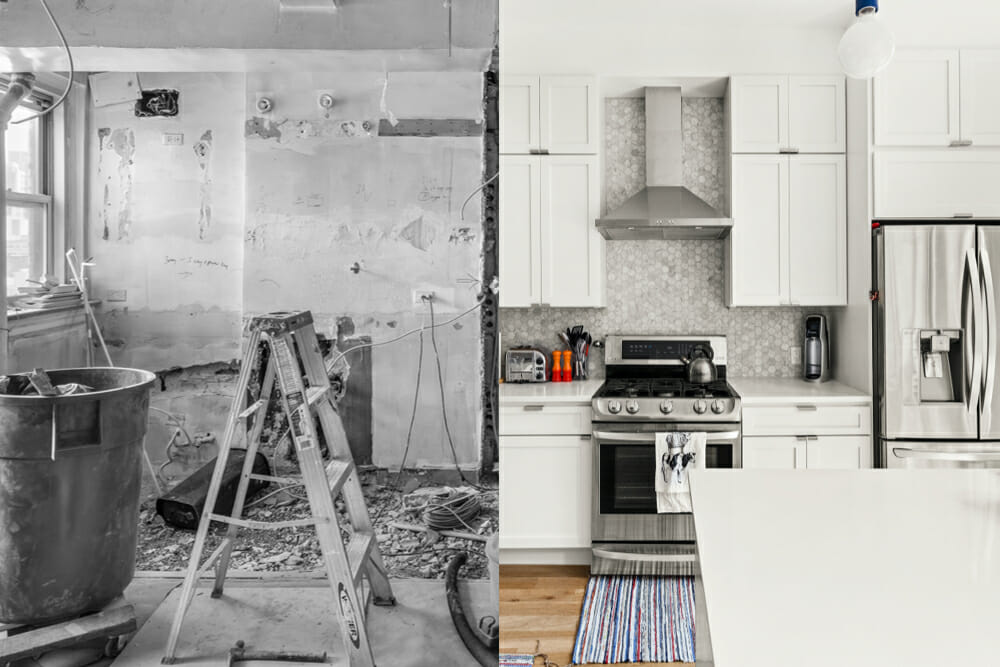
Image Source: sweeten.com
Deciphering the Kitchen Remodel Timeline
The kitchen remodel timeline isn’t a fixed entity. It’s a dynamic process influenced by numerous factors. To get a realistic kitchen renovation estimate, it’s vital to break down the project into its core components and understand the time each typically requires.
Average Kitchen Renovation Duration: What to Expect
The average kitchen renovation duration can be a helpful benchmark, but remember it’s just an average. Simple updates might take less time, while a full gut renovation will naturally take longer.
- Minor Kitchen Update: This could involve painting cabinets, replacing hardware, updating lighting, or installing a new backsplash. These often take 1-3 weeks.
- Mid-Range Kitchen Remodel: This might include refacing or replacing cabinets, new countertops, a new sink and faucet, flooring, and updated appliances. Expect this to take 4-8 weeks.
- Major Kitchen Renovation (Gut Job): This involves completely gutting the existing kitchen, potentially moving walls, rerouting plumbing and electrical, and installing all new everything from cabinets to appliances. This can easily take 2-4 months, sometimes longer if unforeseen issues arise.
Key Factors Influencing Your Kitchen Project Length
Several elements can significantly extend or shorten your kitchen project length:
1. Scope of Work: The Bigger the Project, The Longer It Takes
This is arguably the most significant factor.
- Cosmetic Updates: Painting cabinets, changing hardware, new lighting fixtures, or a new backsplash are relatively quick. You might be looking at a weekend for painting and a few days for the rest.
- Cabinet Refacing/Replacement: Refacing existing cabinets (painting or applying new veneer) is faster than full replacement. New custom cabinets take the longest due to manufacturing and installation.
- Countertop Installation: While the installation itself can be quick (a day or two), templating and fabrication can add a few weeks.
- Appliance Installation: Usually a day or two per appliance, but coordinating delivery and installation can take time.
- Flooring: Depending on the material, this can range from a day for vinyl planks to several days for tile.
- Plumbing and Electrical: Moving plumbing or electrical lines significantly adds to the timeframe for kitchen renovation. It requires permits, inspections, and specialized labor.
- Structural Changes: Moving or removing walls is a major undertaking that involves permits, demolition, framing, electrical, plumbing, drywall, and finishing. This can add weeks to the kitchen remodel timeline.
2. Contractor Availability and Scheduling
Finding reliable and available contractors is crucial. Top-notch professionals are often booked months in advance.
- Booking Your Contractor: Even once you’ve chosen a contractor, you might have to wait for them to start your project.
- Simultaneous Work: If you’re having multiple trades work in your home (plumber, electrician, tile setter), their schedules need to be coordinated to avoid delays.
3. Material Selection and Availability
The choices you make for your materials can impact the kitchen makeover duration.
- Custom vs. Stock Cabinets: Custom cabinets are made to order and can take 6-12 weeks to arrive. Stock or semi-custom cabinets are faster.
- Countertop Lead Times: Granite, quartz, and marble often have fabrication and delivery lead times of 2-4 weeks after templating.
- Appliance Delivery: Popular models might be in stock, but special orders or specific finishes can have long wait times, especially in current market conditions.
- Tile and Flooring: While many tiles are readily available, certain patterns or imported materials might have extended shipping times.
4. Permit Acquisition and Inspections
If your renovation involves structural changes, electrical, or plumbing work, you’ll likely need permits.
- Application Process: Obtaining permits can take anywhere from a few days to several weeks, depending on your local municipality.
- Inspection Delays: Once work is completed in certain phases (e.g., framing, electrical rough-in), an inspector needs to sign off. Scheduling these inspections and waiting for the results can sometimes cause delays.
5. Unforeseen Issues
The infamous “hidden problems” can derail even the best-laid plans.
- Rotten Wood: Discovering water damage or pest infestation behind walls can require extra repair work.
- Outdated Wiring/Plumbing: If your existing systems are not up to code or are severely deteriorated, they will need to be replaced, adding time and cost.
- Structural Surprises: Unforeseen load-bearing walls or issues with the building’s foundation can lead to significant revisions and delays.
Breaking Down the Kitchen Renovation Stages and Their Timelines
To better grasp the timeframe for kitchen renovation, let’s look at the typical kitchen remodel stages:
Stage 1: Planning and Design (2-6 Weeks)
This initial phase is critical for a smooth renovation.
- Defining Your Vision: Deciding on style, layout, and functionality.
- Budgeting: Setting a realistic budget and securing financing.
- Hiring Professionals: Researching and interviewing contractors, designers, and architects.
- Material Selection: Choosing cabinets, countertops, flooring, appliances, fixtures, etc. This can take time as you compare options and wait for samples.
- Detailed Plans and Drawings: Creating blueprints for the renovation.
Stage 2: Demolition and Preparation (1-3 Days)
This is where the old kitchen makes way for the new.
- Clearing Out: Removing old cabinets, appliances, flooring, and fixtures.
- Protecting Your Home: Covering floors, furniture, and air vents to minimize dust.
- Plumbing and Electrical Disconnection: Safely shutting off utilities to the kitchen.
Stage 3: Rough-Ins (Plumbing, Electrical, HVAC) (2-5 Days)
This stage involves the hidden infrastructure of your new kitchen.
- Plumbing: Rerouting or installing new water supply and drainage lines for sinks, dishwashers, and refrigerators.
- Electrical: Running new wiring for outlets, lighting, appliances, and ensuring sufficient power.
- HVAC: Adjusting or installing new ventilation for range hoods or other appliances.
- Framing/Structural Changes: If walls are being moved or added, this happens concurrently.
Stage 4: Drywall and Insulation (2-4 Days)
This stage closes up the walls.
- Insulation: Installing insulation if needed, especially if walls are being moved or reconfigured.
- Drywall Installation: Hanging new drywall.
- Taping and Mudding: Applying joint tape and compound to seams and corners.
- Sanding: Smoothing out the drywall for a seamless finish.
Stage 5: Cabinet Installation (3-7 Days)
The cabinets form the backbone of your kitchen’s functionality and aesthetics.
- Delivery and Unpacking: Receiving your cabinets.
- Layout and Securing: Professionals meticulously install base and upper cabinets according to the design.
- Leveling and Squaring: Ensuring cabinets are perfectly aligned.
Stage 6: Countertop Installation (1-3 Days, plus fabrication time)
Countertops are a major focal point.
- Templating: After cabinets are installed, a template is made of your countertop layout. This is a crucial step to ensure a perfect fit.
- Fabrication: The chosen material is cut and finished at the fabrication shop. This can take 1-3 weeks depending on the material and shop’s workload.
- Installation: The fabricated countertops are delivered and installed, often with a seam or two.
Stage 7: Flooring Installation (1-4 Days)
New floors complete the look and feel.
- Subfloor Preparation: Ensuring the subfloor is level and clean.
- Material Installation: Laying tile, hardwood, vinyl, or laminate.
- Grouting/Finishing: For tile, this involves grouting and sealing. For wood, it might be sanding and finishing (though pre-finished is common).
Stage 8: Fixture and Appliance Installation (2-5 Days)
The functional heart of the kitchen comes to life.
- Sink and Faucet: Installation and connection of plumbing.
- Appliances: Installing the refrigerator, oven, cooktop, dishwasher, microwave, and range hood.
- Lighting Fixtures: Installing pendant lights, ceiling lights, and under-cabinet lighting.
- Electrical Outlets and Switches: Installing final cover plates.
Stage 9: Backsplash Installation (1-3 Days)
The backsplash adds style and protects walls.
- Tile Layout and Cutting: Precise placement and cutting of tiles.
- Adhesive Application and Tile Setting: Applying mastic or thin-set and setting the tiles.
- Grouting and Sealing: Filling the gaps between tiles and sealing for protection.
Stage 10: Finishing Touches and Cleanup (1-3 Days)
The final details that make the kitchen complete.
- Painting/Touch-ups: Any necessary paint touch-ups on walls or trim.
- Hardware Installation: Attaching cabinet pulls and knobs.
- Final Cleaning: A thorough cleaning of the entire kitchen space.
- Final Walkthrough and Punch List: Reviewing the work with your contractor and noting any minor adjustments needed.
A Typical Kitchen Renovation Schedule: A Visual Guide
To help visualize the typical kitchen renovation schedule, consider this simplified breakdown. Remember that some tasks can overlap.
| Phase | Estimated Duration | Key Activities |
|---|---|---|
| Planning & Design | 2-6 Weeks | Budgeting, hiring, material selection, creating plans |
| Demolition & Preparation | 1-3 Days | Removing old kitchen elements, protecting the space |
| Rough-Ins | 2-5 Days | Plumbing, electrical, HVAC adjustments, framing (if applicable) |
| Drywall & Insulation | 2-4 Days | Hanging, taping, mudding, sanding drywall |
| Cabinet Installation | 3-7 Days | Installing base and upper cabinets |
| Countertop Installation | 1-3 Days (excl. fab) | Templating, fabrication (1-3 weeks), installation |
| Flooring Installation | 1-4 Days | Subfloor prep, laying flooring material |
| Fixture & Appliance Install | 2-5 Days | Sinks, faucets, appliances, lighting, final outlets |
| Backsplash Installation | 1-3 Days | Tile setting, grouting, sealing |
| Finishing Touches & Cleanup | 1-3 Days | Hardware, paint touch-ups, final cleaning, walkthrough |
| Total Estimated Time | 4 Weeks – 4 Months | Highly variable based on scope, materials, and contractor availability. |
Realistic Kitchen Makeover Duration: Beyond the Basic Timeline
Your kitchen makeover duration can be extended by a variety of factors that aren’t always obvious during the initial planning.
When Delays Happen: Common Pitfalls to Anticipate
- Material Backorders: Supply chain issues can cause significant delays for appliances, cabinets, or even specific tile.
- Contractor Overbooking: Popular contractors have a finite number of hours in a day and weeks in a month.
- Inspection Scheduling: Sometimes, inspectors have busy schedules, leading to waits for critical sign-offs.
- Weather: While less impactful for indoor kitchen work, severe weather can delay deliveries or outdoor preparation tasks.
- DIY Missteps: If you’re doing some of the work yourself, progress might be slower than anticipated.
Maximizing Efficiency: Tips to Stay on Track
- Detailed Planning: The more detailed your plan, the fewer surprises you’ll encounter.
- Pre-ordering Materials: Order cabinets, countertops, and appliances well in advance to ensure availability.
- Clear Communication: Maintain open and frequent communication with your contractor.
- Contingency Planning: Have a buffer in your budget and timeline for unexpected issues.
- Decision Making: Be prepared to make decisions quickly to avoid holding up progress.
Creating Your Kitchen Renovation Estimate: Time and Budget
When you receive a kitchen renovation estimate, it should ideally include both a projected cost and a timeframe for kitchen renovation. Ask your contractor for a detailed breakdown of each phase and an estimated completion date.
Budget Considerations that Impact Time
Sometimes, budget constraints can influence the timeline.
- Phased Renovations: If you have a limited budget, you might consider breaking down the renovation into phases. This can stretch the kitchen update time over a longer period but make it more financially manageable. For example, you might update cabinets and countertops one year, and flooring and appliances the next.
- DIY vs. Professional Labor: While DIY can save money, it often takes longer and requires a significant time commitment from you. Factor in your own available time and skill level when estimating your kitchen project length.
The Cost of Speed: Expediting Your Renovation
If time is of the essence, you might need to pay a premium for faster service.
- Premium Contractors: Some contractors offer expedited services for an additional fee.
- Rush Orders for Materials: Some suppliers may offer faster delivery for certain materials for an extra charge.
- Overtime Work: Your contractor might be willing to work longer hours or weekends, but this will come at a higher cost.
It’s important to weigh the cost of expediting against the actual time saved. Sometimes, a few extra weeks of waiting is more economical.
Kitchen Remodel Stages: A Deeper Dive
Let’s expand on the key kitchen remodel stages to provide a more granular view of what influences the average kitchen renovation duration.
Stage 1: Design and Material Selection – The Foundation of Your Timeline
This phase is non-negotiable for a successful renovation. Rushing this stage often leads to costly mistakes and delays later.
- Layout Optimization: Do you need to move plumbing or electrical to optimize the kitchen’s flow? This adds time for planning, permits, and the actual work by specialized trades.
- Appliance Specifications: Will you need to adjust cabinet sizes or electrical outlets for new appliances? Confirming appliance dimensions and hookup requirements early is vital.
- Cabinetry Choices:
- Stock Cabinets: Ready-made, shipped from a warehouse. Fastest to acquire (days to 1-2 weeks for delivery).
- Semi-Custom Cabinets: Offer more size and style options than stock. Lead times are typically 4-8 weeks.
- Custom Cabinets: Built to your exact specifications. Can take 8-16 weeks or even longer, especially for intricate designs or specialty woods.
- Countertop Material Lead Times:
- Laminate: Generally the quickest, with fabrication and installation often taking just a week or two after templating.
- Solid Surface (e.g., Corian): Similar to laminate in speed, typically 1-3 weeks.
- Quartz: Fabricated off-site, with lead times of 2-4 weeks after templating.
- Granite/Marble: Natural stones require fabrication and can also have lead times of 2-4 weeks.
- Butcher Block: Often available readily, with installation typically within a week of order.
- Flooring: Tile installation requires time for underlayment, laying, grouting, and curing, which can add several days to a week. Hardwood installation also involves sanding and finishing if not pre-finished, adding more time.
- Backsplash: While installation is relatively quick, choosing the tile and pattern can take time, and the installation itself involves precise cutting and grouting.
Stage 3: Rough-Ins – The Hidden Work
This is where a significant portion of the timeframe for kitchen renovation can be spent, especially if structural changes are involved.
- Permit Delays: Obtaining permits can add days or weeks to the start of this phase.
- Inspection Scheduling: Once rough-ins are complete, an inspection is often required before drywall can go up. Delays in scheduling this inspection can hold up the entire project.
- Unforeseen Issues: Encountering old, crumbling plumbing or outdated, unsafe electrical wiring can significantly extend this phase. Remediation of these issues adds time and cost.
Stage 5: Cabinet Installation – Precision is Key
While installation might only take a few days, the lead time for cabinets can be substantial.
- Delivery Damage: Sometimes cabinets can be damaged in transit, requiring replacements and causing delays.
- Site Readiness: The kitchen must be ready for cabinet installation – walls should be plumb, and the floor should be installed (or at least the subfloor prepped).
Stage 6: Countertop Installation – The Waiting Game
This is often where you experience a significant gap in activity.
- Templating: This happens after base cabinets are fully installed and secured.
- Fabrication: This is the off-site work and is a major contributor to the overall kitchen remodel timeline.
- Installation: While the physical installation might only take a day or two, you must wait for the fabrication to be completed.
Stage 8: Fixture and Appliance Installation – The Final Countdown
This phase brings the kitchen to life.
- Appliance Delivery Coordination: Ensuring appliances arrive on the day they are scheduled to be installed is crucial. Some appliance stores have backlogs, impacting your kitchen project length.
- Plumbing and Electrical Hookups: These must be done correctly and efficiently to avoid leaks or electrical issues.
Frequently Asked Questions About Kitchen Renovation Timelines
Q1: Can I live in my house during a kitchen renovation?
A1: Yes, it’s possible, but it will be inconvenient. You’ll likely be without a functioning kitchen for weeks or months. Many people opt to set up a temporary kitchen in a dining room or basement, complete with a microwave, mini-fridge, and portable stovetop.
Q2: What is the fastest way to renovate a kitchen?
A2: The fastest way is to focus on cosmetic updates like painting, new hardware, a new backsplash, and updated lighting. A full gut renovation will always take longer. Choosing readily available materials and working with a contractor who has a clear schedule also speeds things up.
Q3: Who is responsible for obtaining permits for a kitchen renovation?
A3: Typically, the contractor is responsible for obtaining all necessary permits. However, it’s your responsibility as the homeowner to ensure permits are pulled. Always confirm this with your contractor.
Q4: How much buffer time should I add to my kitchen renovation timeline?
A4: It’s wise to add a 15-20% buffer to your projected timeline. This accounts for potential delays from material availability, inspections, or unforeseen issues.
Q5: What are the most common causes of delays in kitchen renovations?
A5: The most common causes include material backorders, contractor scheduling conflicts, unforeseen structural or system issues, and delays in permit approvals or inspections.
Q6: How does the complexity of the design impact the kitchen remodel timeline?
A6: More complex designs, such as moving plumbing lines, rerouting electrical, or changing the structural layout of the kitchen, will naturally extend the kitchen remodel timeline considerably compared to simpler cosmetic updates.
By meticulously planning, communicating effectively with your chosen professionals, and anticipating potential hiccups, you can navigate your kitchen renovation with a clearer picture of the average kitchen renovation duration. While a kitchen remodel timeline can be daunting, a well-executed plan will lead to the beautiful and functional kitchen you’ve always dreamed of.