
The standard kitchen cabinet height varies, but generally, upper cabinets are between 30 and 42 inches tall, while base cabinets stand at 34.5 inches before the countertop is added, resulting in a typical countertop height of 36 inches. Understanding kitchen cabinet dimensions is crucial for a functional and aesthetically pleasing kitchen. This guide will delve deep into how tall cabinets are for kitchens, exploring the various types, their standard measurements, and the factors influencing these dimensions.
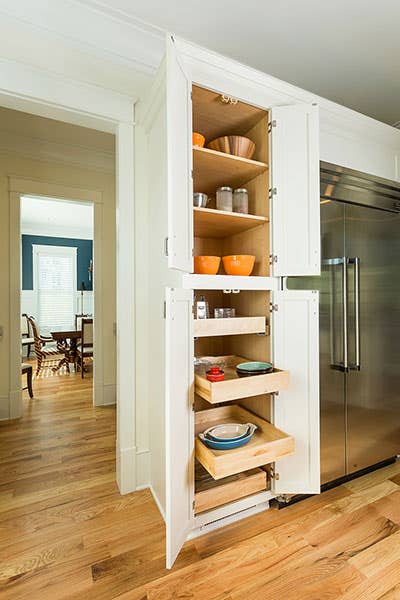
Image Source: www.cliqstudios.com
Deciphering Standard Kitchen Cabinet Dimensions
When planning a kitchen renovation or designing a new one, the height of your cabinets plays a pivotal role. It affects accessibility, storage capacity, and the overall visual appeal of your space. Let’s break down the typical kitchen cabinet measurements and explore how high are kitchen cabinets in different configurations.
Base Kitchen Cabinet Height: The Foundation of Your Kitchen
Base cabinets, also known as floor cabinets, are the workhorses of the kitchen. They sit on the floor and support your countertops, providing essential storage and workspace. The base kitchen cabinet height is a critical starting point for determining your overall kitchen layout and workflow.
- The Standard Height: In most North American kitchens, the standard base cabinet height is 34.5 inches. This measurement is without the countertop.
- Why 34.5 Inches? This height is specifically designed to work in conjunction with standard countertop thicknesses, which are typically 1.5 inches. When you add the countertop, the countertop height reaches the universally accepted 36 inches. This 36-inch height is ergonomically designed for most adults to comfortably prepare food, chop vegetables, and work at their kitchen island or counter.
- Adjustments for Accessibility: For individuals with mobility issues or those who prefer a slightly different working height, custom base cabinets can be ordered. These might be taller or shorter to accommodate specific needs, though 34.5 inches remains the most common.
Upper Kitchen Cabinet Height: Reaching for Storage
Upper cabinets, or wall cabinets, are mounted on the walls above the base cabinets. They offer valuable storage for dishes, glassware, and other kitchen essentials. The upper kitchen cabinet height is a key consideration for maximizing storage and ensuring comfortable reach.
- Common Heights: The most common upper kitchen cabinet height options are 30 inches, 36 inches, and 42 inches. The choice often depends on ceiling height and desired storage volume.
- The Space Above: The distance between the countertop and the bottom of the upper cabinets, known as the backsplash area, is typically between 18 and 20 inches. This spacing allows for comfortable use of the counter space without feeling cramped by the cabinets above.
- Ceiling Height Influence:
- 8-foot ceilings: 30-inch or 36-inch upper cabinets are usually the best fit. A 36-inch upper cabinet might require a filler strip at the top or custom framing if the ceiling is exactly 8 feet.
- 9-foot ceilings: 36-inch or 42-inch upper cabinets are common. 42-inch cabinets can often reach closer to a 9-foot ceiling, providing maximum storage.
- 10-foot or higher ceilings: You have more flexibility. 42-inch upper cabinets can be used, or you might opt for a stacked cabinet design with a shorter cabinet above a standard-height upper cabinet for an even more expansive look and increased storage.
Cabinet Depth: Maximizing Storage and Functionality
Beyond height, cabinet depth is another crucial standard kitchen cabinet dimensions to consider. It dictates how much you can store inside and how much counter space you have available.
- Wall Cabinet Depth: The wall cabinet depth is typically 12 inches. This depth provides ample space for most kitchen items like plates, bowls, and glasses. Deeper wall cabinets are available, but they can sometimes feel intrusive over the countertop and may require deeper countertops to balance the visual weight.
- Base Cabinet Depth: The standard cabinet depth for base cabinets is usually 24 inches. This depth allows for standard-depth appliances like dishwashers and ovens to fit flush with the cabinet fronts. It also provides a substantial work surface on the countertop.
- Specialty Depths: Wider or deeper base cabinets are available for specific storage needs, such as walk-in pantries or large appliance garages.
Exploring Different Kitchen Cabinet Sizes
The term “kitchen cabinet sizes” encompasses not just height and depth, but also width. While height and depth have more standardized measurements, cabinet widths can vary significantly to fit different kitchen layouts and storage requirements.
Base Cabinet Widths
Base cabinets come in a wide range of widths, typically starting from 9 inches and going up to 48 inches or more, in increments of 3 or 6 inches.
- Common Widths:
- Sink Base Cabinets: These are usually 30, 33, or 36 inches wide, designed to accommodate standard kitchen sinks.
- Standard Base Cabinets: Common widths include 12, 15, 18, 21, 24, 27, 30, 33, and 36 inches.
- Corner Base Cabinets: These are designed to resolve the corner of a kitchen and have specific dimensions to allow access from two sides, often measuring 36×36 inches or 42×42 inches in their outer dimensions.
Upper Cabinet Widths
Similar to base cabinets, upper cabinets also come in a variety of widths, generally mirroring the base cabinet widths to create a cohesive look.
- Common Widths: 12, 15, 18, 21, 24, 27, 30, 33, and 36 inches are frequently used.
- Specialty Cabinets: Wider upper cabinets, such as 39, 42, or 48 inches, are also available, especially for above-range microwave cabinets or for creating visual focal points.
Factors Influencing Cabinet Height Choices
While there are standard dimensions, several factors can influence your decision on how tall your kitchen cabinets should be.
Ceiling Height
As mentioned, your ceiling height is a primary determinant of upper kitchen cabinet height.
* For standard 8-foot ceilings, 30-inch or 36-inch uppers are the most practical.
* For 9-foot ceilings, 36-inch or 42-inch uppers work well.
* Higher ceilings offer more flexibility for taller cabinets or stacked designs.
Countertop Height
The countertop height of 36 inches is a standard that dictates the base kitchen cabinet height (34.5 inches). However, if you opt for a non-standard countertop height, your base cabinet height will need to be adjusted accordingly.
Ergonomics and User Needs
Consider who will be using the kitchen most often.
* If the primary cooks are significantly taller or shorter than average, you might consider custom base cabinet heights or custom countertop heights.
* For individuals with disabilities or mobility issues, lower countertops or accessible base cabinets might be necessary.
Storage Needs
Your storage requirements will influence both the height and the layout of your cabinets.
* If you have many tall items to store (e.g., large appliances, canisters), taller upper cabinets or cabinets with adjustable shelves can be beneficial.
* Consider the types of items you’ll store in each cabinet.
Aesthetic Preferences
The desired look of your kitchen can also play a role in cabinet height selection.
* Taller upper cabinets, especially when they reach close to the ceiling, create a grander, more integrated look.
* They can also make a smaller kitchen feel more spacious by drawing the eye upward.
* Leaving a significant gap between the upper cabinets and the ceiling can sometimes make the kitchen feel less cohesive, though it can provide space for decorative items or lighting.
Appliance Integration
The height of your appliances, particularly ranges and microwaves, will affect the cabinet design above them.
* Above-range microwaves often require specific cabinet heights to fit neatly.
* Standard ranges typically fit within standard base cabinet dimensions.
Examining Typical Kitchen Cabinet Measurements in Detail
Let’s consolidate the typical kitchen cabinet measurements for a clearer picture.
| Cabinet Type | Standard Height (Inches) | Standard Depth (Inches) | Common Widths (Inches) | Notes |
|---|---|---|---|---|
| Base Cabinet | 34.5 (without countertop) | 24 (body) | 9, 12, 15, 18, 21, 24, 27, 30, 33, 36, 48+ | Supports countertop; 36″ finished countertop height. |
| Upper Cabinet | 30, 36, 42 | 12 | 12, 15, 18, 21, 24, 27, 30, 33, 36, 48+ | Mounted on walls; 18-20″ backsplash clearance. |
| Tall Cabinet | 84, 90, 96 | 24 (body) | 18, 24, 30, 36+ | Often used for pantries or appliance garages. |
Tall Cabinets: Maximizing Vertical Space
Tall cabinets, often referred to as pantry cabinets or utility cabinets, extend from the floor to near the ceiling. They are excellent for maximizing storage in kitchens with ample vertical space.
- Standard Heights: Common heights for tall cabinets include 84 inches, 90 inches, and 96 inches. These heights are chosen to align with standard ceiling heights, often leaving a small gap at the top or reaching almost to the ceiling for a built-in look.
- Purpose: They are frequently used for pantry storage, housing ovens (wall ovens), or for storing brooms, mops, and other cleaning supplies.
Frequently Asked Questions About Kitchen Cabinet Heights
Here are some common questions people have about kitchen cabinet heights:
Q1: What is the standard height for kitchen cabinets?
A1: The standard base kitchen cabinet height is 34.5 inches before the countertop, leading to a countertop height of 36 inches. Upper kitchen cabinet height commonly ranges from 30 to 42 inches, depending on ceiling height.
Q2: How high should upper cabinets be from the countertop?
A2: The typical distance between the countertop and the bottom of upper cabinets is 18 to 20 inches. This provides ample working space and easy access.
Q3: Can I install taller upper cabinets?
A3: Yes, you can install taller upper cabinets, such as 42-inch or even custom heights, especially if you have higher ceilings (9 feet or more). This maximizes storage and creates a more seamless look, but ensure you can still comfortably reach the contents.
Q4: What is the standard cabinet depth?
A4: The standard cabinet depth for base cabinets is 24 inches, and for wall cabinet depth, it’s typically 12 inches.
Q5: How do I determine the best kitchen cabinet sizes for my kitchen?
A5: Consider your ceiling height, your storage needs, the layout of your kitchen, and your personal preferences for ergonomics and aesthetics. Measuring your space carefully is essential.
Q6: What if my ceilings are very low or very high?
A6: For low ceilings (e.g., 7-foot ceilings), you might opt for shorter upper cabinets (24 or 30 inches) or even skip upper cabinets in some areas and rely on other storage solutions. For very high ceilings (e.g., 10 feet or more), you can use 42-inch upper cabinets, consider stacked cabinets, or leave a larger decorative space above.
Q7: Does countertop thickness affect cabinet height?
A7: Yes, while the base cabinet height is standardized at 34.5 inches to achieve a 36-inch countertop height, the thickness of your chosen countertop material will influence the final finished height. If you choose a thicker countertop, your base cabinets might need to be slightly shorter to maintain the 36-inch final height.
Q8: How do I measure for my kitchen cabinets?
A8: Measure the width, height, and depth of each space where a cabinet will be installed. For base cabinets, measure from the floor to the desired countertop height. For upper cabinets, measure from the countertop up to the ceiling or the desired cabinet top height. Always account for obstructions like windows, doors, and electrical outlets.
By carefully considering these dimensions and factors, you can ensure your kitchen cabinets are not only beautiful but also highly functional for your everyday needs. The right kitchen cabinet height and dimensions are fundamental to creating a kitchen that works for you.