
Replacing kitchen cabinets can significantly transform your kitchen’s look and feel, but the cost is a major consideration. The average cost to replace kitchen cabinets in 2024 can range from $4,000 to $15,000 or more, depending on the size of your kitchen, the type of cabinets you choose, materials, and installation labor. If you’re wondering how much is it to replace kitchen cabinets, this guide will break down all the factors influencing the price, from material choices to labor costs, helping you budget effectively for your kitchen cabinet renovation cost.
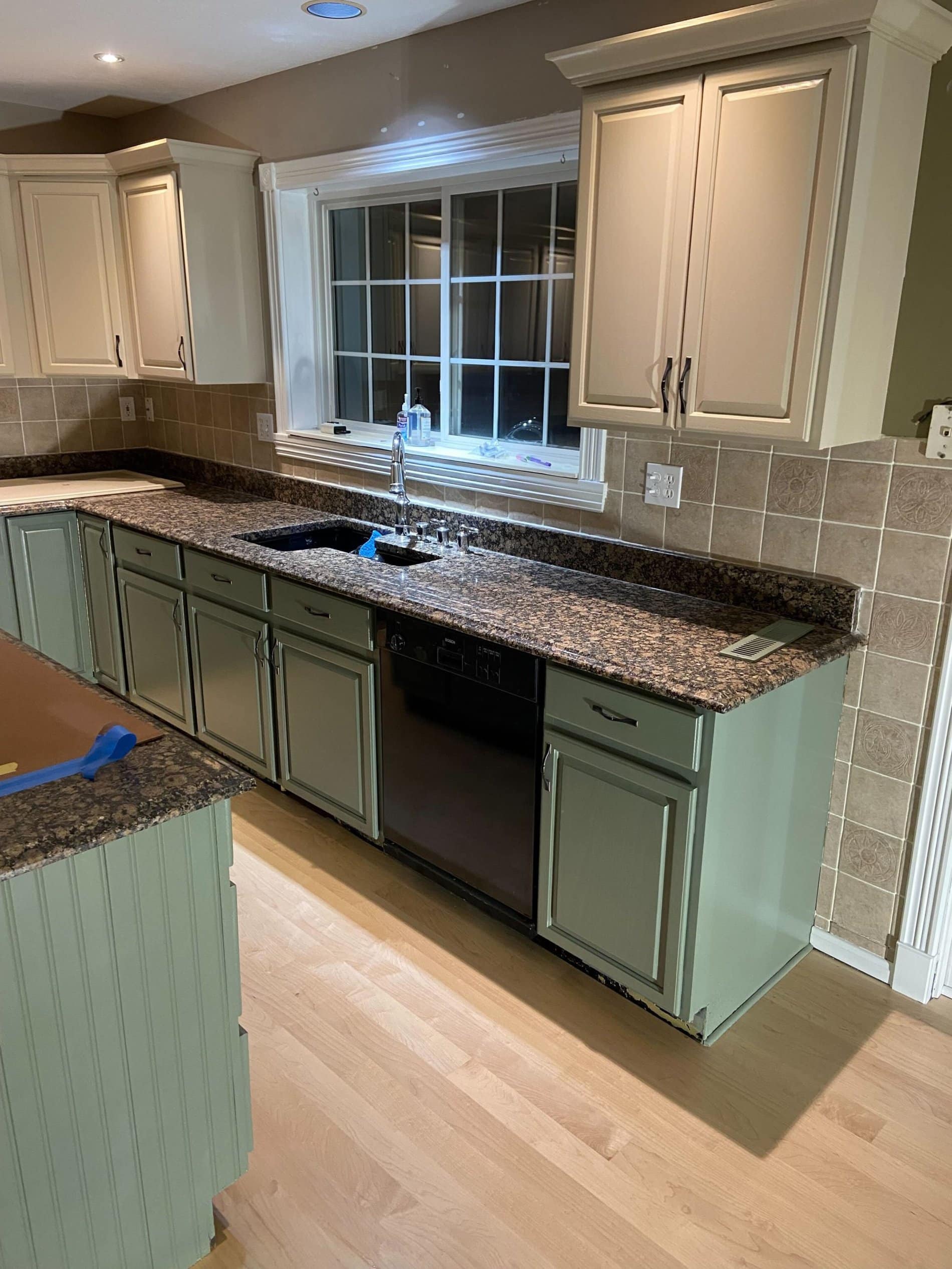
Image Source: thepickypainters.com
Deciphering the Cost of New Kitchen Cabinets
The price tag for new kitchen cabinets isn’t a one-size-fits-all number. Several variables play a crucial role in determining the overall new kitchen cabinets pricing. Let’s dive into what makes up the cost.
Cabinet Styles and Materials: The Foundation of Cost
The biggest driver of kitchen cabinet replacement cost is the type of cabinets you select. Think of it like building a house; the foundation matters.
Stock Cabinets: The Budget-Friendly Option
Stock cabinets are pre-made in standard sizes and configurations. They are mass-produced, which makes them the most affordable option. You can find them at big-box home improvement stores and online retailers.
- Pros:
- Most economical choice.
- Readily available, leading to faster project completion.
- Good for smaller kitchens or those on a tight budget.
- Cons:
- Limited design options and sizes.
- May require filler pieces to fit your space perfectly.
- Often made with lower-quality materials.
The budget kitchen cabinet replacement often relies on stock options. Expect to pay anywhere from $50 to $200 per linear foot for stock cabinets before installation.
Semi-Custom Cabinets: A Step Up in Choice
Semi-custom cabinets offer a balance between affordability and customization. They start with standard cabinet boxes but allow for more choices in terms of door styles, finishes, and dimensions. This means they can be adapted more easily to fit your kitchen’s unique layout.
- Pros:
- More design flexibility than stock cabinets.
- Can be ordered in specific widths and depths.
- Better quality materials are often available.
- Cons:
- More expensive than stock cabinets.
- Longer lead times for production and delivery.
For semi-custom cabinets, you’re looking at a price range of $150 to $400 per linear foot.
Custom Kitchen Cabinets Price: The Pinnacle of Personalization
Custom kitchen cabinets price reflects the ultimate in personalization. These cabinets are built from scratch to your exact specifications. You have complete control over every detail, from the wood species and finish to the door style, hardware, and interior organization.
- Pros:
- Perfect fit for any kitchen layout, no matter how unusual.
- Unlimited design possibilities.
- Typically made with high-quality materials and craftsmanship.
- Cons:
- Most expensive option by a significant margin.
- Longest lead times.
- Requires careful planning and design.
The custom kitchen cabinets price can range from $400 to $1,000+ per linear foot. This is where the bulk of your kitchen cabinet renovation cost might go if you opt for the highest level of customization.
Material Matters: Wood vs. Engineered Wood
The type of material used for your cabinet boxes and doors greatly influences the price.
- Solid Wood: This is the most traditional and often the most expensive option. Hardwoods like oak, maple, and cherry are durable and offer a beautiful natural grain. Softer woods like pine are less expensive but can dent more easily.
- Cost: Can add 15-30% to the overall cabinet cost compared to engineered wood.
- Plywood: High-quality plywood is a popular choice for cabinet boxes because it’s strong, stable, and less prone to warping than solid wood. It’s a great balance of durability and cost.
- Cost: Generally more affordable than solid wood, often used for cabinet interiors.
- MDF (Medium-Density Fiberboard): MDF is made from wood fibers, resin, and wax. It’s smooth, stable, and takes paint very well, making it a good choice for painted cabinet doors. However, it can swell if exposed to moisture and is heavier than plywood.
- Cost: More affordable than plywood, often used in stock and semi-custom options.
- Particle Board: This is the least expensive option, made from wood chips and sawdust bound together. It’s not as strong or moisture-resistant as plywood or MDF and is often used in very budget-friendly stock cabinets.
- Cost: The cheapest material option.
Cabinet Wholesale Prices: Where Do They Come From?
Cabinet wholesale prices are what manufacturers or distributors pay for the cabinets. If you’re working with a kitchen designer or a cabinet showroom, they often buy at wholesale and add their markup. Direct-to-consumer cabinet companies or buying directly from a factory can sometimes offer lower prices by cutting out the middleman, but this can also mean less design support or fewer installation options.
Door Styles and Finishes: Adding Personality and Price
The style of your cabinet doors and the finish applied can significantly impact the final cost.
- Door Styles:
- Shaker: A classic and popular style with a simple, clean design featuring a recessed center panel. Generally mid-range in price.
- Slab (Flat Panel): A minimalist, modern style. Often less expensive due to their simple construction.
- Raised Panel: Features a center panel that is raised or has a decorative profile. These are typically more intricate and costly.
- Recessed Panel: Similar to Shaker but can have more elaborate framing.
- Beadboard: Features vertical grooves or “beads.”
- Finishes:
- Laminate/Melamine: The most budget-friendly, offering a wide range of colors and patterns.
- Veneer: A thin layer of real wood applied over a substrate like plywood or MDF. Offers the look of wood at a lower cost than solid wood.
- Paint: Offers a smooth, consistent color. Can be more expensive than stained finishes due to the labor involved in preparation and application.
- Stain: Enhances the natural wood grain. Costs vary depending on the complexity of the stain and application.
- Glaze: A translucent coating applied over a painted or stained finish to create an antiqued or highlighted look. Adds to the cost.
Cabinet Hardware: The Finishing Touch
While seemingly small, cabinet hardware (knobs and pulls) can add up, especially if you have many cabinets. Prices can range from a few dollars each to $20 or more per piece, depending on the material, design, and brand.
Estimating the Cost of Installing Kitchen Cabinets
Beyond the cabinets themselves, you need to factor in the cost of installing kitchen cabinets. This is a critical part of the kitchen cabinet renovation cost.
Labor Costs: The Hands-On Work
- Professional Installers: Hiring experienced cabinet installers is recommended for a seamless and correct fit. They ensure cabinets are level, plumb, and securely fastened.
- Cost: Expect to pay $50 to $150 per hour per installer, or a flat fee for the job, which can range from $500 to $3,000 or more, depending on the project size and complexity.
- DIY Installation: If you have significant carpentry skills and the right tools, you can save on labor. However, mistakes can be costly to fix. The DIY kitchen cabinet replacement cost will primarily be the cost of materials and tools.
Other Potential Installation Costs:
- Demolition and Disposal: If you are replacing existing cabinets, you’ll need to pay for their removal and disposal. This can add $100 to $500.
- Plumbing and Electrical Work: If you’re relocating sinks, dishwashers, or adding new lighting, you’ll need to budget for licensed plumbers and electricians. This can add $300 to $1,000+ per service.
- Countertop Installation: New cabinets often mean new countertops. Installation fees for countertops can range from $500 to $2,000 or more.
- Backsplash Installation: This is another cosmetic addition that might coincide with cabinet replacement.
- Structural Changes: If your cabinet replacement involves moving walls or windows, costs will skyrocket.
Exploring Cabinet Refacing Cost
Cabinet refacing cost is a popular alternative to full replacement. It involves keeping your existing cabinet boxes and replacing only the doors and drawer fronts. The exterior surfaces of the cabinet boxes are also typically covered with a veneer or laminate that matches the new doors.
What Does Cabinet Refacing Entail?
- New Doors and Drawer Fronts: You select new styles and finishes.
- Veneering/Laminating: The visible exterior surfaces of the cabinet boxes (face frames and sides) are covered.
- New Hardware: Usually included or an option.
- Optional: Interior upgrades like new shelves or drawer organizers.
How Much Does Cabinet Refacing Cost?
The cabinet refacing cost is generally about 40-60% of the cost of full replacement.
- Average Cost: $4,000 to $9,000 for a typical kitchen.
- Cost per Linear Foot: $100 to $250.
Cabinet refacing cost is attractive because it’s less disruptive, faster, and often more affordable than buying all-new cabinets. However, it’s only a viable option if your existing cabinet boxes are in good condition, structurally sound, and you’re happy with your current kitchen layout.
Factors Influencing Your Total Kitchen Cabinet Renovation Cost
Let’s summarize the key factors that will shape your kitchen cabinet renovation cost:
Kitchen Size and Layout
- Linear Footage: The more cabinets you need, the higher the cost. Measure the linear footage of your existing cabinets.
- Complexity of Layout: Corner cabinets, angled cabinets, and specialized units (like appliance garages or wine racks) can add to the complexity and cost.
Cabinet Quality and Brand
- Materials: Solid wood vs. plywood vs. MDF.
- Construction: Dovetail drawer joints, full-extension drawer slides, soft-close hinges all add to quality and cost.
- Brand Reputation: Well-known brands may charge a premium.
Installation and Labor
- DIY vs. Professional: As discussed, labor is a significant expense.
- Geographic Location: Labor rates vary significantly by region.
- Complexity of Installation: Difficult access, intricate designs, or the need for structural adjustments will increase labor costs.
Additional Expenses
- Hardware: Knobs, pulls, hinges.
- Accessories: Pull-out shelves, drawer organizers, spice racks, lazy Susans.
- Delivery Fees:
- Taxes:
Budget Kitchen Cabinet Replacement Strategies
For those aiming for a budget kitchen cabinet replacement, here are some effective strategies:
- Prioritize: Decide what’s most important – appearance, durability, or specific features.
- Consider Stock Cabinets: As mentioned, these are the most cost-effective.
- Embrace Cabinet Refacing: If your existing boxes are sound, this is a great way to update your look without breaking the bank.
- DIY Where Possible: If you’re handy, tackle tasks like demolition, painting, or even hardware installation yourself.
- Shop Around: Get quotes from multiple cabinet suppliers and installers. Don’t be afraid to negotiate.
- Look for Sales and Promotions: Home improvement stores often have seasonal sales on cabinetry.
- Focus on High-Impact Areas: If a full replacement is out of reach, consider replacing only the doors and drawer fronts or giving them a fresh coat of paint.
- Buy Direct: Explore online retailers or factory outlets for potentially lower cabinet wholesale prices.
- Keep the Layout: Changing the plumbing or electrical layout to accommodate new cabinet placements will significantly increase costs.
Comparing Cabinet Replacement Options: A Table
To help visualize the cost differences, consider this general comparison:
| Option | Estimated Cost Range (per linear foot) | Pros | Cons |
|---|---|---|---|
| Stock Cabinets | $50 – $200 | Most affordable, readily available | Limited styles/sizes, potential fit issues |
| Semi-Custom Cabinets | $150 – $400 | Good balance of choice and cost, better quality | More expensive than stock, longer lead times |
| Custom Cabinets | $400 – $1,000+ | Unlimited design, perfect fit, high quality | Most expensive, longest lead times |
| Cabinet Refacing | $100 – $250 | More affordable than replacement, less disruptive | Only works if boxes are sound, limited layout changes |
| DIY Kitchen Cabinet Replacement Cost | (Labor savings) | Saves on labor, more control | Requires skill, tools, time; risk of errors |
Note: These are general estimates and can vary widely.
Frequently Asked Questions (FAQ)
Q1: What is the average cost to replace kitchen cabinets?
The average cost to replace kitchen cabinets in 2024 typically falls between $4,000 and $15,000, but this can be higher or lower depending on the factors discussed in this guide.
Q2: Can I replace just the cabinet doors?
Yes, this process is called cabinet refacing, and it’s a cost-effective way to update your kitchen’s appearance by keeping the existing cabinet boxes. The cabinet refacing cost is usually significantly less than a full replacement.
Q3: What’s the cheapest way to update kitchen cabinets?
The cheapest ways include painting your existing cabinets, replacing only the doors and drawer fronts, or opting for stock cabinets if you need entirely new units. A budget kitchen cabinet replacement often involves these methods.
Q4: How much does it cost to install kitchen cabinets?
The cost of installing kitchen cabinets can range from $500 to $3,000 or more, depending on the size of your kitchen and whether you hire professionals or do it yourself.
Q5: Is cabinet refacing cheaper than new cabinets?
Generally, yes. The cabinet refacing cost is typically 40-60% of the price of brand-new, custom-built cabinets.
Q6: What are the most expensive cabinet materials?
Solid hardwoods like cherry, walnut, and maple are usually the most expensive cabinet materials, especially for custom kitchen cabinets.
Q7: How much does a DIY kitchen cabinet replacement cost?
The DIY kitchen cabinet replacement cost would be the material cost minus the labor you would have paid. This can save you thousands, but requires significant skill and time.
Q8: What is included in new kitchen cabinets pricing?
New kitchen cabinets pricing typically includes the cabinets themselves (boxes, doors, shelves), and sometimes basic hardware. Installation, delivery, demolition, and upgrades like specialized organizers are often separate costs.
By carefully considering these elements and planning accordingly, you can achieve your dream kitchen within your budget. Remember to get detailed quotes and compare options before making your final decision.