
Can you clean a KitchenAid dishwasher? Yes, absolutely! Regular cleaning is key to keeping your KitchenAid dishwasher running smoothly and your dishes sparkling. This guide will walk you through everything you need to know about KitchenAid dishwasher cleaning, from quick maintenance to a thorough deep clean dishwasher KitchenAid.
Your dishwasher is a hard-working appliance, but like any machine, it needs regular care. Over time, food particles, grease, mineral deposits, and even mold can build up, leading to reduced cleaning performance, unpleasant odors, and even damage. This comprehensive guide will equip you with the knowledge and simple steps to effectively clean your KitchenAid dishwasher, ensuring it continues to deliver sparkling results for years to come. We’ll cover everything from the crucial clean dishwasher filter KitchenAid task to tackling stubborn grime and how to remove odors dishwasher KitchenAid might develop.
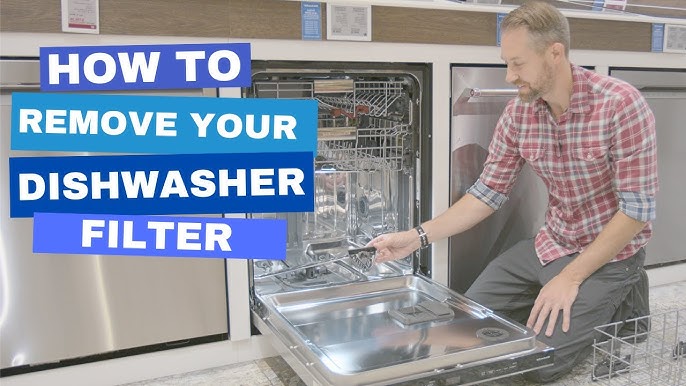
Image Source: i.ytimg.com
Why Regular KitchenAid Dishwasher Cleaning Matters
Regular dishwasher maintenance KitchenAid is more than just about aesthetics; it directly impacts your appliance’s efficiency and longevity. Here’s why it’s so important:
- Improved Cleaning Performance: A clean dishwasher means cleaner dishes. Buildup can block spray arms and vents, preventing water and detergent from reaching all parts of your dishes.
- Odor Prevention: Trapped food debris and moisture can create a breeding ground for bacteria, leading to unpleasant smells.
- Extended Appliance Lifespan: Regular cleaning prevents clogs and corrosion, reducing wear and tear on essential components, thus extending the life of your dishwasher.
- Energy Efficiency: A clean dishwasher operates more efficiently, using less water and energy to achieve sparkling results.
Your KitchenAid Dishwasher Cleaning Checklist
To ensure a spotless interior and optimal performance, follow this step-by-step approach for cleaning dishwasher interior KitchenAid.
Step 1: Prepare for Cleaning
Before you begin, gather your cleaning supplies. Having everything ready makes the process smoother.
Essential Cleaning Supplies:
- White vinegar
- Baking soda
- Dish soap (mild)
- Soft cloths or sponges
- Old toothbrush or small cleaning brush
- Paper towels
- Optional: Dishwasher cleaning tablets KitchenAid specifically designed for appliance cleaning.
Step 2: Clean the Dishwasher Filter
This is arguably the most critical step in KitchenAid dishwasher cleaning. A clogged filter significantly hinders performance.
How to Clean Dishwasher Filter KitchenAid:
- Locate the Filter: Most KitchenAid dishwashers have a filter system located at the bottom of the dishwasher tub. You might need to remove the lower spray arm to access it easily. Refer to your owner’s manual if you’re unsure.
- Remove the Filter: Typically, the filter is a cylindrical mesh basket or a flat screen that twists out. Gently pull it up and out. There may be multiple components to the filter system.
- Rinse Under Warm Water: Take the filter to your sink and rinse it thoroughly under warm running water. Use your fingers or a soft brush to gently scrub away any trapped food particles or debris.
- Deeper Clean (if needed): For stubborn buildup or greasy residue, you can use a mild dish soap and an old toothbrush to scrub the filter.
- Reassemble and Replace: Once clean, carefully reassemble the filter components and place them back into their designated slots at the bottom of the dishwasher. Ensure it’s securely locked in place.
Table: Filter Cleaning Frequency
| Usage Level | Recommended Cleaning Frequency |
|---|---|
| Heavy Use | Every 1-2 weeks |
| Moderate Use | Every 2-4 weeks |
| Light Use | Monthly |
Step 3: Clean the Interior Walls and Door
The interior of your dishwasher can accumulate grease, soap scum, and mineral deposits.
- Wipe Down: Use a damp cloth or sponge with a little mild dish soap to wipe down the inside walls, door, and seals. Pay attention to any visible grime.
- Tackle Stubborn Spots: For tougher stains or residue, you can make a paste of baking soda and water. Apply it to the stained areas, let it sit for a few minutes, and then gently scrub with a soft cloth.
Step 4: Clean the Dishwasher Racks
Dirty racks can harbor food particles and prevent proper water circulation.
How to Clean Dishwasher Racks KitchenAid:
- Inspect for Debris: Pull out the racks and look for any food particles stuck in the tines or coating.
- Remove Loose Debris: Use your fingers or a soft brush to gently remove any loose food particles.
- Wipe Down: Wipe the racks with a damp cloth and a little dish soap. For heavily soiled racks, you might need a soft scrub brush.
- Check Rack Arms: Ensure no debris is blocking the movement of the racks.
Step 5: Clean the Spray Arms
Clogged spray arms are a common culprit for poor cleaning performance.
How to Clean Dishwasher Spray Arms KitchenAid:
- Inspect for Clogs: Look at the small holes in the spray arms. If you see dried-on food or mineral deposits blocking them, it’s time for cleaning.
- Remove Spray Arms (if possible): Many spray arms can be easily removed by twisting or unscrewing them. Check your manual for specific instructions.
- Unclog the Holes: Use a toothpick, a paperclip, or a small needle to carefully poke through each hole and dislodge any blockages.
- Rinse: Rinse the spray arms under warm running water.
- Reattach: Securely reattach the spray arms to their positions.
Step 6: Deep Clean with Vinegar
Vinegar is a natural disinfectant and a fantastic cleaner for removing mineral deposits and soap scum.
- Place Vinegar: Pour 1-2 cups of white vinegar into a dishwasher-safe bowl or directly into the bottom of the empty dishwasher.
- Run a Hot Cycle: Run the dishwasher on a hot water cycle with no detergent or dishes. The vinegar will circulate throughout the machine, loosening grime and descaling components.
- Rinse Cycle (Optional): After the vinegar cycle is complete, you can run a short rinse cycle if you’re concerned about any residual vinegar smell, though it typically dissipates quickly.
Step 7: Sanitize and Deodorize with Baking Soda
Baking soda is excellent for absorbing odors and providing a gentle scrubbing action.
- Sprinkle Baking Soda: Sprinkle about 1 cup of baking soda across the bottom of the empty dishwasher.
- Run a Hot Cycle: Run the dishwasher on a hot water cycle, again with no dishes or detergent. This will help remove odors dishwasher KitchenAid might have and further clean the interior.
Step 8: Tackle Persistent Odors and Stains
Sometimes, a standard cleaning isn’t enough to remove odors dishwasher KitchenAid might develop.
- Check the Garbage Disposal: If your dishwasher drains into a garbage disposal, ensure the disposal is also clean and free of debris, as this can cause odors to back up into the dishwasher.
- Mold and Mildew: If you notice mold or mildew, especially around the door seal, use a solution of equal parts water and vinegar or a diluted bleach solution (use caution with bleach and never mix it with vinegar). Wipe the affected areas thoroughly with a cloth. Ensure good ventilation when using bleach.
- Stubborn Mineral Deposits: For very hard water issues and significant mineral buildup, commercial dishwasher cleaning tablets KitchenAid or specific descaling solutions can be very effective. Follow the product instructions carefully.
Step 9: Regular Maintenance for Continued Performance
Consistent dishwasher maintenance KitchenAid is key to preventing issues before they arise.
- Scrape Dishes: While you don’t need to pre-rinse, scraping off large food scraps before loading helps prevent filter clogs.
- Use the Right Detergent: Use a high-quality dishwasher detergent and rinse aid as recommended by KitchenAid.
- Load Properly: Avoid overcrowding the dishwasher. Ensure water can reach all surfaces. This also helps with clean dishwasher racks KitchenAid properly.
- Run Hot Cycles: Regularly run your dishwasher on hot water cycles to help break down grease and sanitize. This is part of a good sanitize dishwasher KitchenAid routine.
Using Dishwasher Cleaning Tablets
Dishwasher cleaning tablets KitchenAid can be a convenient way to deep clean your appliance. These tablets are formulated to tackle grease, limescale, and food residue.
How to Use Dishwasher Cleaning Tablets:
- Empty the Dishwasher: Ensure the dishwasher is empty of dishes.
- Place the Tablet: Place one cleaning tablet in the main detergent dispenser or on the bottom rack, depending on the product’s instructions.
- Run a Hot Cycle: Run the dishwasher on its hottest cycle setting. The tablet will dissolve and release its cleaning agents throughout the wash.
- Follow Product Instructions: Always read and follow the specific instructions on the packaging of the dishwasher cleaning tablets KitchenAid you are using.
Advanced KitchenAid Dishwasher Cleaning Techniques
For a truly deep clean dishwasher KitchenAid, consider these additional steps:
Cleaning the Door Seal
The rubber seal around the door is a prime spot for collecting food particles and mold.
- Inspect the Seal: Carefully pull back the rubber door seal to check for any trapped debris or discoloration.
- Wipe Clean: Use a damp cloth with a mild detergent or a vinegar solution to wipe down the entire seal. An old toothbrush can help get into crevices.
- Dry Thoroughly: Ensure the seal is dried completely to prevent moisture buildup.
Cleaning the Exterior
Don’t forget the outside of your appliance!
- Stainless Steel: For stainless steel exteriors, use a stainless steel cleaner and a microfiber cloth, wiping in the direction of the grain.
- Other Finishes: For painted or other finishes, a damp cloth with mild soap and water is usually sufficient. Dry with a soft cloth to prevent streaks.
Troubleshooting Common KitchenAid Dishwasher Issues Through Cleaning
| Issue | Potential Cause | Cleaning Solution |
|---|---|---|
| Poor Cleaning | Clogged spray arms, dirty filter, hard water | Clean spray arms and filter. Run a vinegar cycle. Use a rinse aid. Consider a descaling product for hard water. |
| Unpleasant Odors | Trapped food, mold/mildew, dirty drain | Clean filter and interior. Run a baking soda cycle. Check and clean garbage disposal if applicable. Wipe door seals. |
| Noisy Operation | Debris in pump, worn spray arms | Clean filter and inspect spray arms for damage. Remove any objects from the bottom of the tub that might interfere with the pump. |
| Water Not Draining | Clogged drain hose, clogged filter | Clean filter. Check for kinks in the drain hose. Ensure the garbage disposal (if connected) is not clogged. |
| White Film on Dishes | Hard water, insufficient rinse aid | Use rinse aid. Run a vinegar cycle. Consider a dishwasher cleaner designed for hard water. Ensure the rinse aid dispenser is filled and functioning. |
FAQ: Your KitchenAid Dishwasher Cleaning Questions Answered
Q1: How often should I clean my KitchenAid dishwasher?
A: For optimal performance, it’s recommended to clean the filter weekly or bi-weekly, and perform a deep clean with vinegar and baking soda monthly.
Q2: Can I use bleach to clean my KitchenAid dishwasher?
A: While bleach can kill mold and mildew, it’s generally not recommended for regular dishwasher cleaning as it can be harsh on components and should never be mixed with vinegar. Vinegar and baking soda are safer and effective alternatives for most cleaning needs. If you must use bleach for a specific mold issue, ensure the dishwasher is empty, ventilate the area well, and run a plain water rinse cycle afterward.
Q3: My dishwasher smells bad, how do I remove odors?
A: To remove odors dishwasher KitchenAid might develop, start by cleaning the filter and running a hot cycle with vinegar followed by a hot cycle with baking soda. Ensure no food is left on dishes before loading, and check the door seal for any trapped debris.
Q4: What is the best way to clean the dishwasher filter?
A: The best way to clean dishwasher filter KitchenAid is to remove it, rinse it thoroughly under warm running water, and use a soft brush or mild dish soap to remove any stubborn food particles or grease.
Q5: Can I put cleaning tablets in my KitchenAid dishwasher?
A: Yes, you can use specific dishwasher cleaning tablets KitchenAid. These are designed to clean the appliance itself. Follow the instructions on the tablet packaging for the best results.
Q6: How do I ensure my dishwasher racks are clean?
A: To clean dishwasher racks KitchenAid, inspect them for stuck-on food, wipe them down with a damp cloth and mild soap, and ensure no debris is blocking their movement.
Q7: How do I sanitize my dishwasher?
A: To sanitize dishwasher KitchenAid and kill bacteria, run a hot water cycle with vinegar or baking soda. The high heat combined with these natural cleaners helps to sanitize the interior.
By incorporating these simple steps and regular dishwasher maintenance KitchenAid, you can ensure your KitchenAid dishwasher operates efficiently, leaving your dishes sparkling clean and your kitchen smelling fresh.