
What is a kitchen backsplash? A kitchen backsplash is a protective panel or covering installed on the wall behind a kitchen counter and stove. It shields the wall from splatters of food, grease, and water, making it easier to clean and adding a decorative element to your kitchen’s overall aesthetic.
Choosing the right kitchen backsplash is a significant decision that impacts your kitchen’s look, feel, and functionality. It’s more than just a decorative choice; it’s a practical one that protects your walls and can elevate your entire kitchen design. With a myriad of kitchen tile ideas, backsplash materials, and backsplash patterns available, navigating this decision can feel overwhelming. This guide will equip you with expert tips to help you select the perfect backsplash that complements your style, budget, and lifestyle.
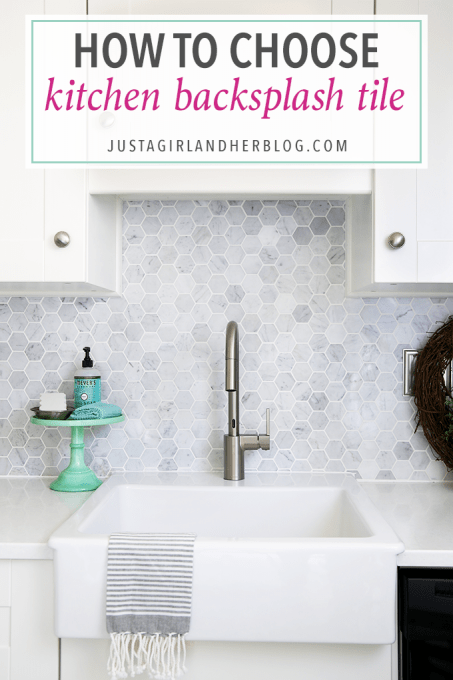
Image Source: justagirlandherblog.com
Fathoming Your Kitchen’s Style
Before diving into specific materials, it’s crucial to pinpoint your kitchen’s existing or desired style. Is it modern and minimalist, rustic and cozy, traditional and elegant, or a vibrant eclectic mix? Your backsplash should harmonize with your cabinetry, countertops, flooring, and overall color scheme.
Modern Kitchens
Modern kitchens often feature clean lines, sleek surfaces, and a minimalist approach. For these spaces, consider:
- Glass tiles: Their reflective quality adds a touch of sophistication and can make a smaller kitchen feel larger.
- Large format porcelain or ceramic tiles: These offer a seamless look with fewer grout lines, contributing to the minimalist aesthetic.
- Metal tiles: Stainless steel or brushed nickel can provide a contemporary industrial feel.
- Geometric patterns: Bold, clean geometric shapes can add visual interest without clutter.
Traditional Kitchens
Traditional kitchens embrace timeless designs, often with warmer color palettes and classic materials. Look at:
- Subway tile backsplash: This is a perennial favorite for a reason. Its classic brick-like pattern offers a timeless appeal that works in almost any kitchen. White subway tiles are particularly versatile.
- Natural stone tiles: Marble, travertine, or slate can add warmth and texture.
- Mosaic tiles: Intricate mosaics with intricate patterns can add a touch of old-world charm.
- Bellaplast tiles: These offer a classic look with a touch of decorative flair.
Rustic Kitchens
Rustic kitchens evoke a sense of warmth and natural beauty, often incorporating natural materials and handcrafted elements. Consider:
- Natural stone: Stacked stone or ledgestone can create a dramatic, earthy effect.
- Brick: Exposed brick or brick veneer offers an authentic, vintage feel.
- Terracotta or handmade ceramic tiles: These add organic texture and artisanal charm.
- Wood-look tiles: Porcelain tiles that mimic the look of wood can bring warmth without the maintenance concerns of real wood in a kitchen environment.
Eclectic Kitchens
Eclectic kitchens are a blend of styles, textures, and colors, creating a unique and personalized space. Here, you can be more adventurous:
- Mixing materials: Combine subway tiles with a decorative accent strip of mosaic.
- Bold colors and patterns: Don’t shy away from vibrant hues or intricate designs.
- Vintage finds: Repurposed materials or antique tiles can add character.
Deciphering Backsplash Materials
The material you choose for your backsplash significantly influences its durability, maintenance, backsplash cost, and aesthetic appeal.
Ceramic and Porcelain Tiles
These are among the most popular and versatile backsplash materials. They are durable, water-resistant, stain-resistant, and come in an endless array of colors, patterns, and finishes.
- Pros: Affordable, easy to clean, wide variety of styles, durable.
- Cons: Can chip or crack under heavy impact, grout lines require cleaning.
- Tips: Porcelain is generally harder and less porous than ceramic, making it more durable and water-resistant.
Natural Stone Tiles
Natural stone offers a unique, luxurious, and timeless look. Popular choices include:
- Marble: Known for its elegant veining and luxurious feel. It’s porous and requires regular sealing to prevent staining.
- Granite: Extremely durable and resistant to heat and stains. Offers a more varied and often speckled appearance.
- Travertine: A porous limestone with a natural, earthy look. Requires sealing and can be prone to etching from acidic substances.
- Slate: Offers a rustic, textured look. Its natural cleft surface can make cleaning a bit more challenging.
-
Limestone: Soft and porous, offering a warm, natural look but requires significant sealing and careful maintenance.
-
Pros: Unique beauty, adds value to the home, durable (especially granite).
- Cons: More expensive than ceramic/porcelain, can be porous and require sealing, some stones can stain or etch easily.
- Tips: Always seal natural stone backsplashes regularly to protect them from stains and moisture.
Glass Tiles
Glass tiles bring a modern and sophisticated touch. They are non-porous, making them resistant to stains and easy to clean.
- Pros: Water-resistant, stain-resistant, easy to clean, reflective quality can brighten a space, available in many colors and finishes.
- Cons: Can be more expensive, prone to chipping or cracking under impact, can show water spots easily.
-
Types:
- Solid glass: Opaque, solid color.
- Vitreous glass: Translucent, often with a slight shimmer.
- Mirror glass: Reflective, adds sparkle.
- Recycled glass: Eco-friendly option with unique variations.
-
Tips: Consider the lighting in your kitchen. Glass tiles can amplify light, which can be beneficial in darker spaces.
Metal Tiles
Metal tiles, such as stainless steel, copper, or brushed nickel, offer a sleek, contemporary, or industrial look.
- Pros: Durable, heat-resistant, easy to clean, modern aesthetic.
- Cons: Can be prone to scratching or denting, may show fingerprints, can be more expensive.
- Considerations: Metal tiles can sometimes feel cold in certain kitchen designs. They are excellent for behind stovetops due to their heat resistance.
Other Materials
- Mosaics: These are small tiles often arranged in sheets for easier installation. They can be made from glass, ceramic, stone, metal, or a combination. Mosaics are fantastic for creating intricate backsplash patterns and adding a decorative focal point.
- Peel-and-Stick Backsplashes: A popular option for DIY kitchen backsplash projects. They are relatively inexpensive and easy to install but may not be as durable or long-lasting as traditional tiles.
- Wallpaper: A less conventional choice, but some durable, washable wallpapers can be used as a temporary or budget-friendly backsplash option. Ensure it’s rated for kitchen use.
- Wood: While beautiful, solid wood is generally not recommended for kitchen backsplashes due to its susceptibility to moisture, heat, and staining, unless it is a specialized, treated wood or a decorative panel that doesn’t directly face cooking splatters.
Exploring Backsplash Design and Patterns
The way your tiles are laid out, known as the backsplash design or pattern, can dramatically alter the final look.
Classic Subway Tile Backsplash
The subway tile backsplash is a timeless choice, typically laid in a running bond (or brick) pattern.
- Running Bond: Tiles are offset by half their length in each row. This is the most common and classic layout.
- Stacked: Tiles are laid in straight horizontal or vertical rows, with edges aligned. This offers a more modern, clean look.
- Herringbone: Tiles are laid in a V-shaped pattern, creating a dynamic and eye-catching effect.
- Vertical: Flipping subway tiles to be installed vertically can create an illusion of height.
Mosaic Patterns
Mosaics, made from tiny tiles, allow for intricate backsplash patterns.
- Basketweave: Pairs of rectangular tiles are arranged to resemble a woven basket.
- Pinwheel: Square tiles are arranged around a central square or rectangular tile.
- Interlocking Patterns: Many mosaic sheets come with pre-designed interlocking patterns for a cohesive look.
Other Layouts
- Diagonal: Tiles are laid at a 45-degree angle to the walls. This can add visual interest but may require more cuts and result in more waste.
- Grid: Tiles are laid in a simple, uniform grid pattern.
- Custom Patterns: For the truly adventurous, custom patterns can be designed using different tile shapes, sizes, and colors.
The Crucial Role of Grout
Don’t underestimate the impact of grout colors for backsplash! Grout lines are an integral part of the backsplash’s visual appeal.
- Matching Grout: Using grout that closely matches the tile color creates a seamless, unified look, making the backsplash appear as one continuous surface. This is excellent for minimalist designs or when you want the tile itself to be the star.
- Contrasting Grout: A grout color that stands out against the tile (e.g., white subway tiles with black grout) creates a defined pattern and highlights the shape and layout of the tiles. This can add a graphic or vintage feel.
- Neutral Grout: Grays, beiges, and taupes offer a subtle definition without being too stark or too subtle. They are a safe and versatile choice.
Grout Types
- Sanded Grout: Used for grout lines 1/8 inch or wider. It contains sand for added strength.
- Unsanded Grout: Used for grout lines smaller than 1/8 inch. It’s smoother and prevents scratching on delicate tiles like glass.
- Epoxy Grout: Highly durable, stain-resistant, and waterproof. It’s ideal for high-traffic areas and kitchens prone to spills, but it’s also more expensive and can be trickier to install.
Considering Backsplash Installation
Whether you’re planning a DIY kitchen backsplash or hiring a professional, backsplash installation is a critical step.
DIY vs. Professional Installation
-
DIY Kitchen Backsplash:
- Pros: Cost savings, sense of accomplishment.
- Cons: Requires time, patience, proper tools, and a willingness to learn. Mistakes can be costly to fix. Peel-and-stick options are the easiest for DIY.
- When it’s a good idea: For simpler tile layouts (like running bond subway tiles), smaller areas, or when using peel-and-stick options.
-
Professional Installation:
- Pros: Expertise, efficiency, quality finish, warranty on work.
- Cons: Higher cost.
- When it’s a good idea: For complex patterns, delicate materials (like natural stone or glass), large areas, or if you’re not confident in your DIY skills.
Key Installation Considerations
- Surface Preparation: The wall must be clean, dry, and smooth. Any imperfections can show through the tiles.
- Adhesive: Use the correct tile adhesive (thin-set mortar for most tiles, mastic for some dry areas) recommended for your specific tile material.
- Cutting Tiles: This requires a tile saw or wet saw, especially for intricate cuts around outlets or corners.
- Grouting: Proper grouting technique is essential for a clean finish and to prevent water intrusion.
- Sealing: If using porous materials like natural stone, sealing after installation and periodically thereafter is vital.
Estimating Backsplash Cost
The backsplash cost can vary significantly based on several factors:
- Material:
- Ceramic/Porcelain: $1 – $15 per square foot
- Glass: $5 – $30 per square foot
- Natural Stone: $5 – $50+ per square foot
- Metal: $10 – $40 per square foot
- Mosaics: $10 – $50+ per square foot
- Area Size: The total square footage of your backsplash.
- Complexity of Design/Pattern: Intricate patterns or custom designs will increase labor costs.
- Labor Costs: If hiring a professional, expect to pay for installation, which can range from $25 – $100+ per hour or a flat rate per square foot.
- Tools and Supplies: Adhesive, grout, sealers, tile saw rental, etc., add to the overall backsplash cost.
Average Backsplash Cost Breakdown (Per Square Foot):
| Component | Low End | Mid Range | High End |
|---|---|---|---|
| Materials | $1 | $10 | $50+ |
| Adhesive/Grout/Sealer | $1 | $3 | $10 |
| Professional Labor | $25 | $50 | $100+ |
| Total Per Sq. Ft. | $27 | $63 | $160+ |
Note: This is a general estimate. Actual costs can vary widely.
Backsplash as Kitchen Wall Decor
Beyond its protective function, a backsplash is a prime opportunity for kitchen wall decor. It’s a chance to inject personality and style into your space.
- Accent Strips: A horizontal band of a different tile material or pattern placed at eye level can break up a larger expanse of tile and add visual interest.
- Creating a Focal Point: A dramatic mosaic or a unique material behind the stove can serve as a stunning focal point, drawing the eye and defining the kitchen’s character.
- Color and Texture: Use your backsplash to introduce color or texture that might be absent in your cabinets or countertops. This can make a significant impact on the overall ambiance.
- Lighting: Consider how under-cabinet lighting will interact with your backsplash. Glossy or reflective materials can bounce light around, making the kitchen feel brighter and more spacious.
Expert Tips for Choosing Your Backsplash
- Consider Your Lifestyle: Are you a serious cook who splatters a lot? Opt for durable, easy-to-clean materials like porcelain, glass, or granite. Do you have young children? Avoid porous materials or delicate finishes that are prone to damage or difficult to maintain.
- Test Samples: Always get samples of your preferred tiles and grout. See how they look in your kitchen’s lighting at different times of day. Place them next to your countertops and cabinets to ensure they harmonize.
- Think About Grout Color Early: Grout is not an afterthought. It significantly impacts the overall look. Consider the contrast or seamlessness you desire.
- Measure Twice, Order Once: Accurately measure the area to ensure you order enough tile. Always factor in an extra 10-15% for cuts, waste, and potential future repairs.
- Don’t Forget the Edge and Transition: How will the backsplash meet the countertop or the end of the cabinets? Discuss edge treatments (like a bullnose edge or Schluter strip) with your installer.
- Budget Realistically: Factor in materials, installation, and any necessary prep work. It’s better to have a clear budget from the start.
- Ventilation: If you’re choosing a material that requires frequent sealing (like natural stone), ensure you have good ventilation for the application process.
- Maintenance is Key: Be honest with yourself about how much time you’re willing to spend on cleaning and maintenance. Some materials require more upkeep than others.
- Consider the Scale: For small kitchens, large tiles or simple patterns can make the space feel more expansive. In larger kitchens, you can be more adventurous with smaller tiles or intricate backsplash patterns.
- Look Beyond the Obvious: While subway tile backsplash is popular, explore other classic and contemporary options. Don’t be afraid to think outside the box for unique kitchen tile ideas.
Frequently Asked Questions (FAQ)
Q: Can I put a backsplash over existing tile?
A: In most cases, yes, you can install new tile over existing tile, provided the old tile is securely adhered to the wall and the surface is smooth and clean. This often involves cleaning and sometimes sanding the old tile for better adhesion. However, it’s crucial to ensure the existing surface is stable.
Q: How high should my kitchen backsplash go?
A: The standard height for a kitchen backsplash is typically to the bottom of the upper cabinets. However, some homeowners opt for a full-height backsplash that extends all the way to the ceiling, especially behind the stove or range, to provide maximum protection and a dramatic design statement.
Q: How do I clean my kitchen backsplash?
A: The cleaning method depends on the material.
* Ceramic/Porcelain/Glass: Mild dish soap and water, or a specialized tile cleaner. Avoid abrasive cleaners that can scratch glass.
* Natural Stone: Use pH-neutral cleaners specifically designed for stone. Avoid acidic or alkaline cleaners, which can etch or damage the surface. Regular sealing is crucial.
* Metal: A soft cloth with mild soap and water is usually sufficient. A stainless steel cleaner can be used for stainless steel tiles.
* Grout: Use a grout cleaner and a stiff-bristled brush. For stubborn stains, consider a grout sealer after cleaning.
Q: What is the most durable backsplash material?
A: Porcelain and granite are generally considered the most durable backsplash materials due to their hardness, resistance to scratches, stains, and heat. Stainless steel is also very durable.
Q: Should the backsplash match the countertops?
A: Not necessarily. The backsplash and countertops should complement each other. They can be the same material, contrasting materials, or different colors within the same color family. The key is to create a cohesive and aesthetically pleasing design.
Choosing a kitchen backsplash is a journey that combines practicality with personal style. By carefully considering your kitchen’s design, exploring different backsplash materials, and paying attention to details like grout colors for backsplash and backsplash patterns, you can create a beautiful and functional focal point that you’ll love for years to come. Whether you opt for a classic subway tile backsplash or a bold mosaic, your backsplash is a significant piece of kitchen wall decor that truly defines your space.