
The standard kitchen counter height is typically 36 inches from the floor to the top of the counter. This measurement is crucial for comfortable and efficient use in the kitchen.
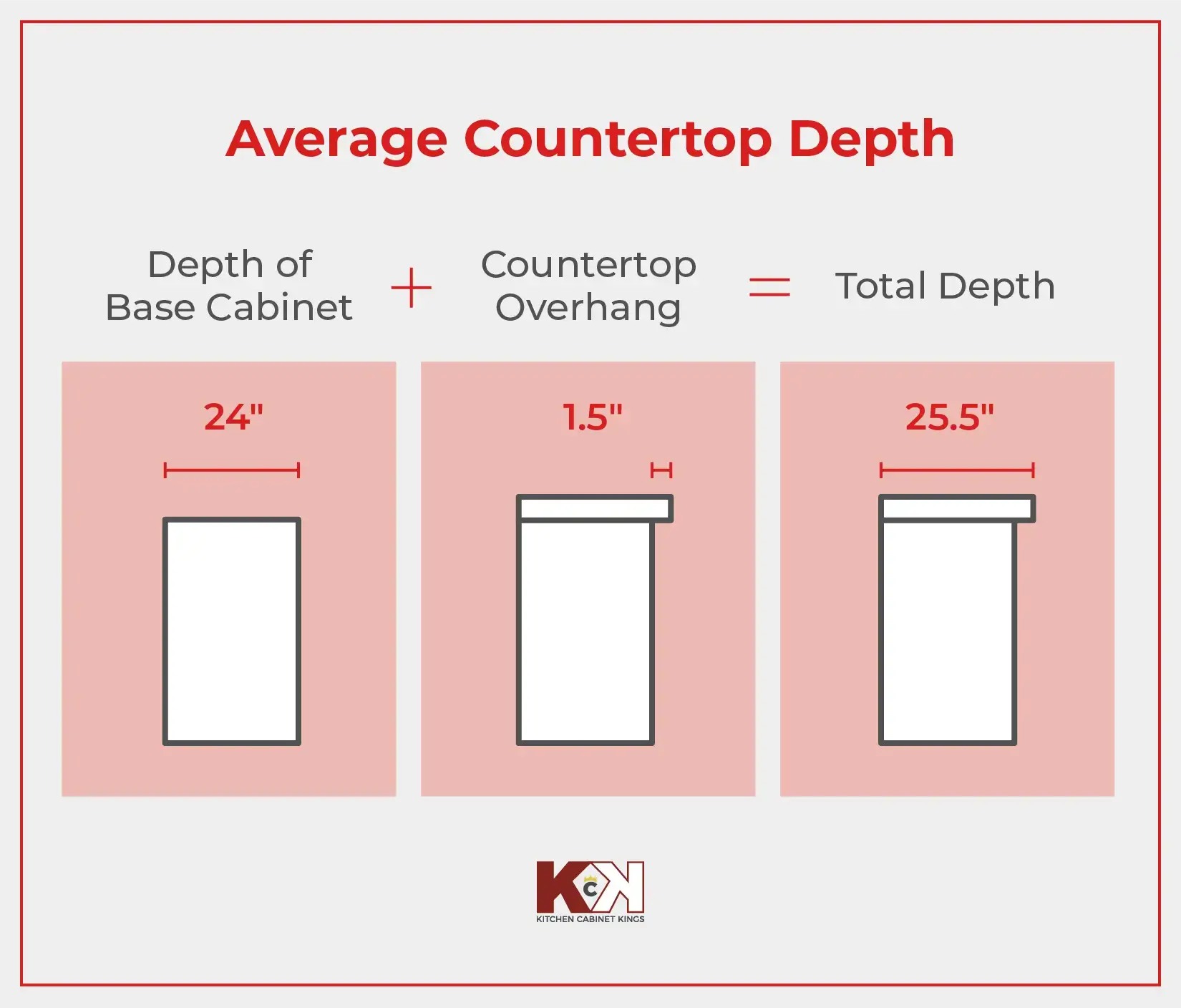
Image Source: cdn.kitchencabinetkings.com
Deciphering Standard Kitchen Counter Dimensions
When planning a kitchen renovation or simply curious about the layout of your culinary space, knowing the standard dimensions is essential. These measurements aren’t arbitrary; they are the result of decades of ergonomic study and practical application. Let’s delve into the specifics of how high are kitchen counters and related dimensions.
The Magic Number: 36 Inches
The most common and widely accepted kitchen counter height is 36 inches (approximately 91.4 cm) from the finished floor to the top of the countertop. This height is designed to accommodate the average adult’s arm length and torso, allowing for comfortable chopping, mixing, and food preparation without excessive bending or reaching. This countertop height is the bedrock of most kitchen designs, influencing the placement of appliances, cabinets, and even the height of bar stools.
Beyond the Countertop: Cabinetry Heights
Understanding how high are kitchen counters also means looking at what supports them: kitchen cabinets. Standard kitchen cabinet height for base cabinets, which are what the countertop typically sits on, is usually 34.5 inches. When you add a standard countertop thickness (usually 1.5 inches), you arrive at the ubiquitous 36-inch counter height measurement. Wall cabinets, on the other hand, come in various heights, commonly 30, 36, or 42 inches, and are mounted at a height that allows for a standard 18-inch backsplash.
The Depth of Convenience: Standard Counter Depth
It’s not just height that matters; standard counter depth is also a critical factor. Most kitchen countertops have a standard countertop depth of 25 inches from the front edge to the back, where they meet the wall or backsplash. This depth provides ample workspace for most tasks and allows for standard-sized base cabinets (typically 24 inches deep) to fit comfortably underneath. The extra inch of overhang on the front of the countertop is for user comfort, providing a place to rest forearms while working and preventing users from bumping into cabinet doors.
A Table of Typical Counter Heights and Depths
To better visualize these standard dimensions, consider this:
| Component | Standard Height (inches) | Standard Depth (inches) |
|---|---|---|
| Base Cabinets | 34.5 | 24 |
| Countertop | 36 | 25 |
| Backsplash Height | 18 | Varies |
| Wall Cabinets | 30, 36, 42 | 12-13 |
These are the standard kitchen counter dimensions that form the basis of most kitchen designs.
Variations on a Theme: Why Not All Counters Are the Same
While 36 inches is the standard, there are reasons why you might encounter different kitchen counter height measurements.
Accessibility and Ergonomics
For individuals who are significantly taller or shorter than average, the standard height might not be ideal.
- Lower Countertops: Some people opt for lower countertops, around 30-34 inches, for easier access and reduced strain, especially if they spend a lot of time in the kitchen. This can be particularly beneficial for those with back issues or who prefer to sit while prepping.
- Higher Countertops: Conversely, taller individuals might find a slightly higher countertop, perhaps 37-38 inches, more comfortable, reducing the need to stoop.
Multi-Level Workspaces
Modern kitchen designs often incorporate multi-level countertops to create distinct zones for different activities. For example:
- A kitchen counter height of 36 inches might be used for general prep work.
- A lower section, perhaps 30 inches, could be designated for baking, as it’s closer to the height where dough is typically kneaded.
- A higher section, around 42-48 inches, could serve as a breakfast bar or a serving area, providing a comfortable perch for guests.
These variations in countertop height add functionality and visual interest to the kitchen.
Island Countertops
Kitchen islands often have different kitchen counter sizes and heights. It’s common for islands to feature a raised section for seating, which can be anywhere from 39 to 42 inches high to accommodate standard bar stools. The main work surface of the island might adhere to the standard 36-inch counter height measurement.
Appliance Integration
The height of built-in appliances can also influence countertop height. For instance, a wall oven that is designed to be at counter level might dictate a specific countertop height to ensure a seamless fit. Similarly, the height of a dishwasher or cooktop can play a role.
Factors Influencing Your Countertop Height Choice
When deciding on your kitchen counter height, consider these points:
- Your Height and the Height of Household Members: This is paramount. If most users are significantly taller or shorter than average, a custom height might be beneficial.
- Primary Use of the Countertop: Is it mainly for quick tasks, or do you spend hours prepping and cooking?
- Seating Requirements: If your island or peninsula will be used for seating, the height needs to accommodate standard stool heights.
- Existing Appliances and Cabinetry: If you’re replacing countertops on existing cabinets, you’re generally bound by the current cabinet height.
- Ergonomics and Comfort: Ultimately, the most important factor is comfort and ease of use.
Measuring for Your Kitchen Counter
To ensure a perfect fit, whether for a new build or a renovation, proper measurement is key.
Step-by-Step Counter Height Measurement
- Determine the Finished Floor: Ensure you are measuring from the actual finished flooring (tile, wood, etc.), not subflooring.
- Measure from Floor to the Top of the Base Cabinet: This measurement will be around 34.5 inches for standard cabinets.
- Account for Countertop Thickness: The most common countertop thickness is 1.5 inches. This is what brings the total counter height measurement to 36 inches.
- Consider Any Level Changes: If you are planning a multi-level workspace, measure each desired height from the finished floor.
Typical Counter Height Measurement for Different Materials
While the overall kitchen counter height remains consistent at 36 inches, the thickness of the countertop material itself can vary, impacting the final measurement slightly.
- Laminate Countertops: Typically 1.5 inches thick.
- Solid Surface (e.g., Corian): Often 0.75 inches or 1.5 inches thick.
- Granite, Quartz, Marble: Commonly 1.25 inches (3 cm) or 2 cm thick, with a laminated edge often used to achieve a thicker, more substantial look (up to 3 inches or more).
- Butcher Block: Can range from 1.5 inches to 4 inches or more in thickness.
When planning, always confirm the exact thickness of your chosen material to ensure the final countertop height is precisely what you desire.
Kitchen Counter Sizes: More Than Just Height
When we talk about kitchen counter sizes, we’re not just referring to height. We also consider:
- Length: This is dictated by the cabinetry and layout of your kitchen. Standard cabinet lengths are typically in 3-inch increments (e.g., 12″, 15″, 18″, 24″, 30″, 36″).
- Depth: As mentioned, the standard counter depth is 25 inches.
- Thickness: This varies by material and design choice.
Why Stick to Standards?
Adhering to standard kitchen counter height and dimensions offers several advantages:
- Ease of Appliance Integration: Standard appliance sizes (dishwashers, ranges, refrigerators) are designed to fit within these dimensions.
- Cabinetry Availability: Most readily available cabinetry is designed for a 36-inch finished countertop height.
- Ergonomic Familiarity: Most people are accustomed to working at this height, making it intuitive and comfortable.
- Resale Value: Sticking to industry standards can make your kitchen more appealing to potential buyers.
- Aesthetics: Standard dimensions contribute to a balanced and visually pleasing kitchen layout.
Adapting to Your Needs: Customization is Key
While standards are a great starting point, don’t be afraid to customize. If the standard 36-inch kitchen counter height simply doesn’t work for you or your family, explore custom options. Many cabinet manufacturers offer non-standard base cabinet heights, and countertop fabricators can work with various thicknesses to achieve your desired counter height measurement.
When considering custom heights, remember to think about the long-term. Will the needs of your household change? Will you be selling the home in the future? A slightly customized height might be perfect for you now, but a more significant deviation from the norm could be a selling point or a drawback later.
The Bottom Line on How High Are Kitchen Counters
The question of “how high are kitchen counters” has a well-established answer: 36 inches. This typical counter height is the result of careful consideration for ergonomics, functionality, and compatibility with standard kitchen components. However, kitchens are personal spaces, and the best countertop height is the one that feels most comfortable and efficient for you. By understanding the standard dimensions, the reasons behind them, and the possibilities for customization, you can create a kitchen that is not only beautiful but also perfectly suited to your lifestyle. Whether you’re building a new home or remodeling an existing space, keeping these standard kitchen counter dimensions and the principles of ergonomic design in mind will lead to a more enjoyable and functional kitchen.
Frequently Asked Questions (FAQ)
Q1: What is the standard kitchen counter height?
A: The standard kitchen counter height is 36 inches (approximately 91.4 cm) from the finished floor to the top of the countertop.
Q2: Can I have my kitchen counters at a different height?
A: Yes, you can customize your kitchen counter height. Common custom heights range from 30-34 inches for lower work surfaces or 37-38 inches for taller individuals. Multi-level countertops are also popular for added functionality.
Q3: What is the standard counter depth?
A: The standard counter depth is 25 inches. This allows for standard 24-inch deep base cabinets with a 1-inch overhang at the front.
Q4: How does countertop material thickness affect the final height?
A: The thickness of the countertop material is added to the height of the base cabinets (typically 34.5 inches) to achieve the final countertop height. For example, a 1.5-inch thick countertop on 34.5-inch cabinets results in a 36-inch total height.
Q5: Is 36 inches the only option for kitchen counter height?
A: No, while 36 inches is the most common and considered standard, it is not the only option. Customization is common to suit individual needs and design preferences.
Q6: What is a typical counter height measurement for a kitchen island with seating?
A: Islands designed for seating typically have a countertop height of 39 to 42 inches to accommodate standard bar stools comfortably.
Q7: What are standard kitchen counter dimensions besides height?
A: Besides the standard 36-inch height, key dimensions include the standard countertop depth of 25 inches and the thickness, which varies by material but is often around 1.5 inches. Cabinet lengths also come in standard increments.