
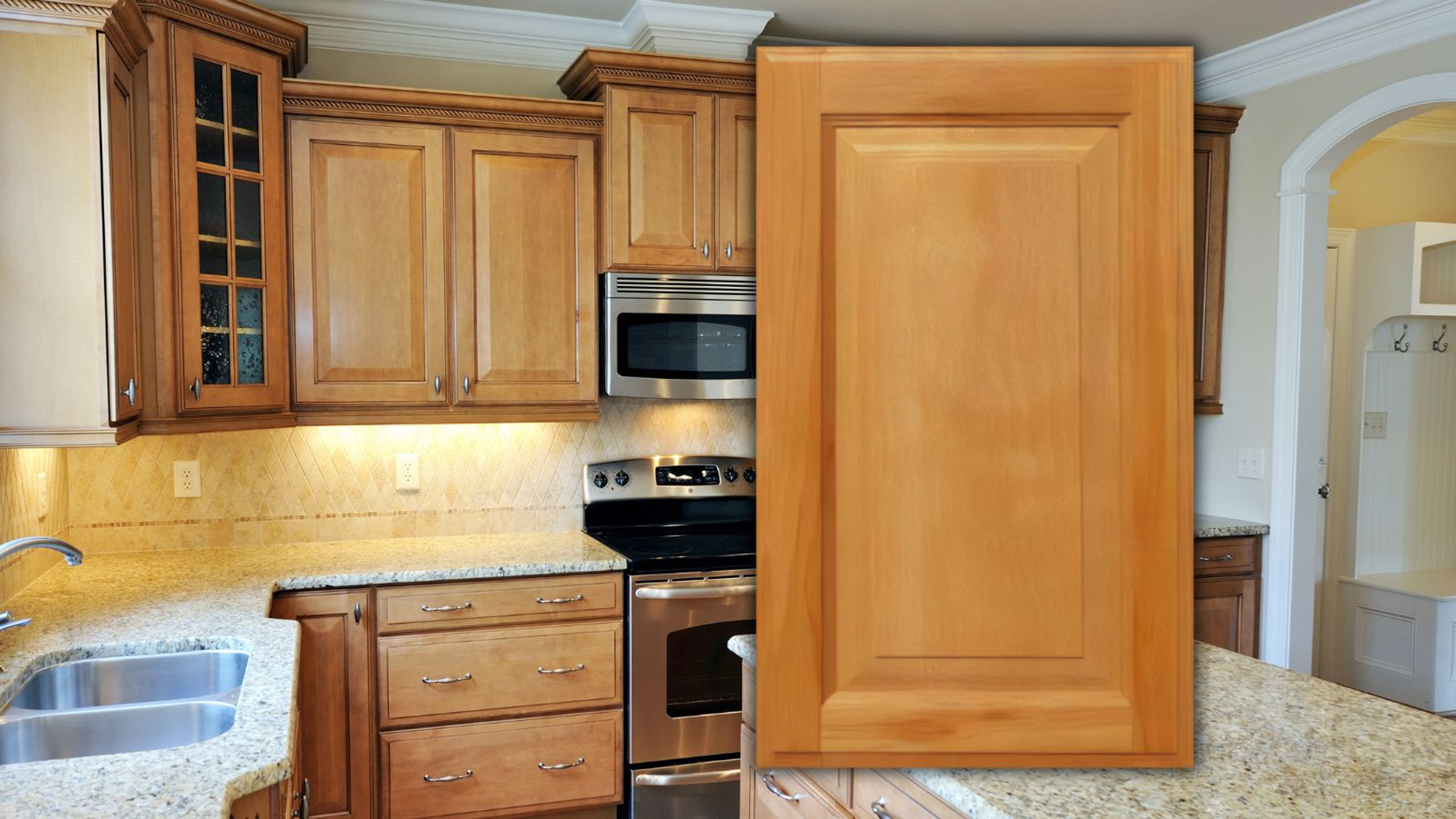
Image Source: cdn11.bigcommerce.com
How To Match Existing Kitchen Cabinets for a Seamless Look
Can you match existing kitchen cabinets? Yes, it’s definitely possible to match existing kitchen cabinets for a seamless look, whether you’re adding to your kitchen, repairing damage, or simply want a fresh appearance. This guide will walk you through the entire process, from identifying your current cabinet style to the final touches. Achieving a cohesive kitchen design is all about careful planning and attention to detail.
Decoding Your Current Cabinetry: The First Step to a Perfect Match
Before you can successfully match your existing kitchen cabinets, you need to become a cabinet detective. This involves a thorough examination of what you already have. Don’t underestimate the importance of this initial stage; it lays the foundation for all subsequent decisions.
Identifying the Cabinet Material
The material of your current cabinets is a primary factor in how you’ll achieve a match. Most kitchen cabinets are made from wood, but the type of wood and how it’s finished plays a crucial role.
-
Solid Wood: This is often the most desirable and durable option. Common solid woods for cabinets include:
- Oak: Known for its prominent grain patterns, oak is sturdy and takes stains well.
- Maple: Features a fine, uniform grain and a smooth surface, making it excellent for painted finishes and subtle staining.
- Cherry: Offers a rich, warm tone that deepens with age. It has a smooth, closed grain.
- Hickory: A very hard wood with distinctive color variations and grain patterns.
- Pine: A softer wood, often showing more knots and a more rustic appearance. It can be more prone to dents.
-
Veneer: This is a thin layer of real wood applied over a less expensive core material, like particleboard or MDF (Medium-Density Fiberboard). Veneers can mimic the look of solid wood but require careful handling during refinishing to avoid sanding through the veneer layer.
-
Laminate/Thermofoil: These are synthetic materials often applied over a substrate. Laminates can mimic wood grain but are generally not amenable to traditional refinishing or staining methods. Thermofoil is a plastic film that can chip or peel over time. Matching these often involves finding a very close color and grain pattern in a new laminate or veneer product.
Assessing the Cabinet Finish
The finish on your cabinets is just as important as the material itself. This is what gives them their color and sheen.
- Stained: Stains penetrate the wood to reveal its natural grain, offering a range of colors from light natural tones to deep, rich hues. Matching a stain means finding a product that replicates the exact color and depth.
- Painted: Paint covers the wood grain, providing a solid color. Common cabinet paint colors include white, off-white, gray, and various wood tones. Matching paint requires finding the precise color and sheen.
- Natural/Clear Coat: Some cabinets have a clear protective finish that allows the natural wood color and grain to show through. This is often achieved with lacquers, polyurethanes, or varnishes.
- Distressed/Glazed: These finishes involve techniques to create an aged or antiqued look, often with subtle color variations or highlights.
Examining the Cabinet Style and Construction
The design of your cabinets – the door style, drawer fronts, and overall construction – also contributes to a seamless look.
- Door Styles: Are your cabinet doors flat-panel (slab), raised-panel, recessed-panel, or Shaker style? The specific profile and detailing of the doors and drawer fronts are crucial for a match.
- Construction: Observe how the doors attach (overlay or inset), the type of hinges used, and the overall construction quality.
Strategies for Matching Existing Kitchen Cabinets
Once you’ve thoroughly assessed your current cabinets, you can explore the various methods for achieving a match. The best approach will depend on your specific needs, budget, and desired outcome.
1. Cabinet Refacing: A Comprehensive Renewal
Cabinet refacing is a popular and effective method for updating your kitchen’s look while keeping your existing cabinet boxes. This process involves replacing the visible surfaces of your cabinets – the doors and drawer fronts – and often applying a new veneer or laminate to the exposed cabinet frames.
-
How it Works:
- New cabinet doors and drawer fronts are custom-made to match the style and dimensions of your existing ones.
- These new components are typically made from solid wood or high-quality veneers that can be stained or painted to perfectly complement your existing finish.
- The cabinet frames (carcasses) are then typically covered with a matching wood veneer or laminate to create a unified appearance.
- New hardware replacement (knobs and pulls) can also be incorporated to further modernize the look.
-
Pros:
- Significantly alters the look of your kitchen.
- Less disruptive than a full renovation.
- Can be more cost-effective than replacing all cabinets.
- Offers a wide range of style and finish options.
-
Cons:
- The internal structure of your cabinets remains the same, so if the boxes are damaged or outdated, this might not be the best solution.
- Can be more expensive than cabinet painting or cabinet staining.
2. Cabinet Refinishing: Restoring and Revitalizing
Cabinet refinishing is a process that aims to restore the existing finish of your cabinets, often by cleaning, sanding, and reapplying a new stain or paint. This is a good option if your cabinet boxes are in good condition and you like the material and style but the finish is worn or dated.
-
Matching by Refinishing:
- Cabinet Refinishing is about bringing your current cabinets back to life. If you want to keep the same wood look but the color has faded or is scratched, refinishing is ideal.
- You can match cabinet wood by using a stain that is as close as possible to the original, or a slightly different shade if you’re looking for a subtle change.
- For painted cabinets, cabinet painting is the refinishing method. You’ll need to carefully match the original paint color and sheen.
-
Pros:
- Can dramatically improve the appearance of worn cabinets.
- Cost-effective compared to refacing or replacement.
- Preserves the original cabinet material and construction.
-
Cons:
- Requires significant DIY skill or professional expertise for a flawless finish.
- If the underlying wood is damaged, refinishing may not be sufficient.
- Can be time-consuming.
3. Cabinet Painting: A Versatile Transformation
Cabinet painting is a very popular method for updating kitchens. It offers a fresh look and can completely change the feel of your space. If your cabinets are currently stained and you want a painted finish, or if your painted cabinets are worn, this is a viable option.
-
How to Match When Painting:
- Color Matching: The key is to find the exact paint color and sheen of your existing cabinets if you’re only painting a portion, or to choose a complementary color if you’re repainting everything. Paint stores can often match existing paint colors with a sample.
- Surface Preparation: Proper cleaning, sanding, and priming are essential for a durable paint job.
- Quality Materials: Use high-quality cabinet paint and primer for the best results.
-
Pros:
- Can completely transform the look of your kitchen for a relatively low cost.
- Wide range of color options available.
- DIY-friendly for those with some painting experience.
-
Cons:
- Paint can chip or scratch over time, especially with heavy use.
- Can be labor-intensive to achieve a professional-looking finish.
- May not be suitable for all cabinet materials (e.g., some laminates).
4. Cabinet Staining: Enhancing Natural Beauty
Cabinet staining is ideal if your cabinets are made of wood and you want to enhance or alter their natural color. This method works well if you’re adding new cabinet doors or drawer fronts and want them to match the existing stained wood.
-
Matching Cabinet Wood with Stain:
- Sample, Sample, Sample: This is the golden rule of cabinet staining. Before applying stain to your actual cabinets, test it on scrap pieces of the same wood or on the back of an existing door.
- Wood Type Matters: Different wood species absorb stain differently. Oak will take stain differently than maple, for example.
- Stain Types: Oil-based stains are traditional and offer rich colors, while water-based stains dry faster and have less odor. Gel stains are thicker and can provide more even coverage on difficult wood types.
- Multiple Coats: You may need to apply multiple coats of stain to achieve the desired depth of color.
- Top Coat: Always apply a protective top coat (polyurethane, lacquer, etc.) over stained cabinets to protect the finish.
-
Pros:
- Highlights the natural beauty of the wood grain.
- Can be a durable finish when properly applied.
- Offers a classic and timeless look.
-
Cons:
- Requires precise color matching, which can be challenging.
- Sanding down existing stain can be difficult and time-consuming.
- Wood grain variations can affect the final color.
5. Cabinet Resurfacing: A Surface-Level Solution
Cabinet resurfacing is a broader term that can encompass several methods, including applying new veneers, laminates, or even specialized paint finishes over the existing cabinet surfaces. This is a way to refresh the look without replacing the entire cabinet.
-
Matching with Resurfacing:
- If you have laminate cabinets that are damaged, you might consider cabinet resurfacing with a new laminate or veneer that closely matches the original.
- Cabinet door replacement might be a component of resurfacing if only the doors are damaged and need to be swapped out.
- The goal is to create a new surface layer that seamlessly blends with the adjacent existing cabinets.
-
Pros:
- Can cover up minor damage or wear.
- Offers a fresh look without the cost of full replacement.
-
Cons:
- Durability can vary depending on the resurfacing material used.
- May not be suitable for severely damaged cabinets.
6. Cabinet Door Replacement: Targeted Upgrades
If your cabinet boxes are in excellent condition but your doors and drawer fronts are dated, damaged, or simply not to your taste, cabinet door replacement is an excellent option. You can order new doors and drawer fronts custom-made to match your existing cabinet box dimensions and style.
-
Matching with New Doors:
- Order Matching Styles: Provide precise measurements and details about your existing doors to the manufacturer.
- Match Wood and Finish: Specify the wood type and finish (stain color, paint color, sheen) to ensure a perfect match with your existing cabinet frames.
- Hardware: Consider coordinating your hardware replacement with new doors for a complete update.
-
Pros:
- Allows you to completely change the look of your cabinets.
- Preserves the existing, functional cabinet boxes.
- Can be less expensive than refacing the entire unit.
-
Cons:
- Requires careful measurement and ordering.
- The cabinet frames will retain their original appearance unless they are also refinished.
7. Cabinet Repair: Addressing Specific Issues
Sometimes, you don’t need a full overhaul. If you’re only dealing with minor damage like chips, dents, or loose hinges, cabinet repair is the most efficient solution.
-
Matching During Repair:
- For minor scratches or chips in stained cabinets, a wood repair pen or touch-up stain can be used to blend the repair with the surrounding finish.
- For painted cabinets, matching the paint color and sheen is critical for an invisible repair.
- Loose hinges or drawer slides can be tightened or replaced with similar hardware.
-
Pros:
- The most cost-effective solution for minor issues.
- Quick and easy for small repairs.
-
Cons:
- Only addresses superficial damage.
- May not be suitable for widespread wear and tear.
The Role of Hardware in a Seamless Look
Don’t forget the hardware! Hardware replacement is a powerful way to refresh your cabinets and can tie together different elements of your kitchen design.
-
Matching Styles:
- If you’re refacing or replacing doors, consider new hardware that complements the new style.
- If you’re keeping your existing cabinets, new knobs or pulls can give them a modern update.
- Pay attention to the finish (brushed nickel, matte black, brass, etc.) and the style (modern, traditional, rustic).
-
Placement: Ensure new hardware is placed in the same or a similar location as the old hardware to avoid visible screw holes.
The Importance of Samples and Testing
Whether you’re cabinet painting, cabinet staining, or choosing new doors, always get samples and test them in your kitchen.
- Lighting Conditions: Cabinet finishes can look very different under various lighting conditions (natural daylight, under-cabinet lighting, overhead lighting).
- Adjacent Materials: See how your chosen sample looks next to your countertops, backsplash, and appliances.
- Scrap Wood Test: If you’re staining, test your stain color on a piece of the same wood species. If you’re painting, get a sample of the paint and apply it to a spare piece of wood or the back of a cabinet door.
A Step-by-Step Guide to Matching Existing Kitchen Cabinets
Here’s a general process to follow when aiming for a seamless match:
- Assess Your Current Cabinets: Material, finish, style, condition.
- Determine Your Goal: Are you adding new cabinets, repairing existing ones, or giving them a makeover?
- Choose Your Method: Refacing, refinishing, painting, staining, door replacement, or repair.
- Gather Samples: Get paint chips, stain samples, or door samples.
- Test, Test, Test: Apply samples in your kitchen under different lighting.
- Prepare Surfaces: Clean, sand, and prime as needed.
- Execute Your Chosen Method: Apply paint, stain, veneer, or install new doors.
- Apply Protective Finish: If staining or painting, apply a durable top coat.
- Hardware Update: Install new or existing hardware.
- Final Touches: Clean up and admire your seamless kitchen.
Matching New Cabinets to Existing Ones
If you’re adding new cabinets to your kitchen, the challenge is to make them look like they’ve always been there.
- Material and Grain: Try to source new cabinets made from the same wood species. If that’s not possible, select a wood with a similar grain pattern and density.
- Style and Construction: Choose new cabinet doors and drawer fronts that match the style and construction of your existing ones. Pay attention to the panel profiles, edge details, and overlay type.
- Finish Matching: This is often the most critical step.
- Stained Cabinets: Provide a sample of your existing cabinet door or drawer front to a cabinet finisher or paint supplier. They can often custom-mix a stain to match.
- Painted Cabinets: Provide a color chip or a piece of painted material to a paint supplier. They can match the color and sheen. Be aware that paint colors can fade over time, so a perfect match might be difficult. It might be best to repaint all cabinet doors if a close match isn’t achievable.
When a Perfect Match Isn’t Possible
Sometimes, due to age, wear, or the unavailability of specific materials, a truly perfect match might be elusive. In these cases, consider these alternatives:
- Complementary, Not Identical: Instead of trying for an exact match, choose a finish that complements your existing cabinets. For example, if you have light oak cabinets, you might choose a slightly darker maple with a similar grain.
- Contrast Strategically: Use contrast as a design element. You could paint a new section of cabinets a different, complementary color to create a focal point or a distinct zone in your kitchen.
- Repaint Everything: If the difference is too noticeable and bothersome, the most foolproof way to achieve a seamless look is to repaint or restain all your cabinets at once. This ensures a uniform color and finish throughout.
- Focus on Door Style: If the wood tone is slightly off, ensure the door style and construction are as close as possible. Sometimes a subtle difference in wood grain is less noticeable than a clashing door profile.
Frequently Asked Questions (FAQ)
Q1: Is it cheaper to paint or stain kitchen cabinets?
Generally, cabinet painting is less expensive than cabinet staining, especially if you’re doing it yourself. However, professional refinishing or staining can be more durable than a DIY paint job.
Q2: How do I match the wood grain of new cabinets to old ones?
The best way is to find cabinets made from the same wood species. If that’s not possible, look for woods with similar grain patterns and density. Samples and careful comparison are key.
Q3: Can I add new cabinets to my existing kitchen and have them look the same?
Yes, with careful attention to matching the wood species, door style, and finish. Providing samples of your existing cabinets to the manufacturer or finisher is crucial.
Q4: What is the difference between cabinet refacing and cabinet refinishing?
Cabinet refacing involves replacing the doors and drawer fronts and covering the cabinet frames with new veneer or laminate. Cabinet refinishing is about cleaning, sanding, and reapplying a new finish (paint or stain) to your existing cabinet doors, drawer fronts, and frames.
Q5: How long does cabinet painting or staining typically last?
With proper preparation and application of quality products, a professionally painted or stained finish can last 10-15 years or even longer. Wear and tear, as well as the quality of materials, will affect longevity.
Q6: When should I consider cabinet renewal instead of full replacement?
If your cabinet boxes are structurally sound but the doors are worn, outdated, or you want a new look, cabinet renewal through refacing, refinishing, or door replacement is a good option. Full replacement is necessary if the cabinet boxes are damaged, rotten, or the layout needs a significant change.
By following these detailed steps and considering the various options available, you can successfully match your existing kitchen cabinets and achieve the seamless, cohesive look you desire. Remember that patience and attention to detail are your greatest assets in this process.