
Can you remove soffit in the kitchen? Yes, you absolutely can remove soffit in your kitchen. This guide will walk you through the entire process of safely and easily removing soffit from your kitchen ceiling. Whether you’re planning a full kitchen renovation or just looking to update your space, understanding how to remove soffit boxing is a valuable skill.
Soffits are often installed to hide unsightly ductwork, pipes, or wiring. While they serve a purpose, they can sometimes make a kitchen feel dated or cramped. Removing them can open up your space, allow for better lighting, and give your kitchen a more modern look. It’s a common step in many kitchen remodel projects.
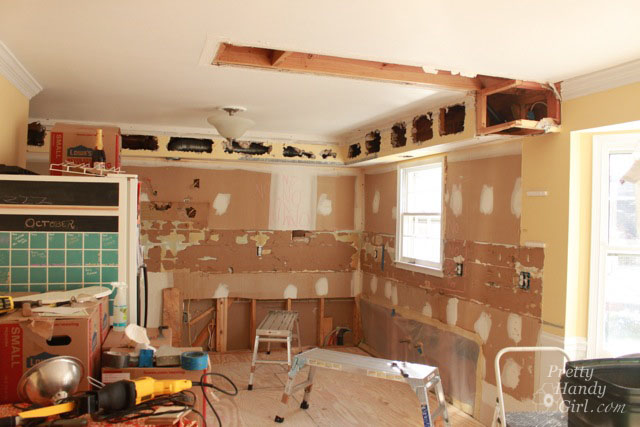
Image Source: prettyhandygirl.com
Preparing for Soffit Removal
Before you start, good preparation is key to a safe and efficient job. Gathering the right tools and understanding the potential challenges will save you time and frustration.
Essential Tools and Materials
Having the correct tools makes the job much easier and safer. Here’s a list of what you’ll likely need:
- Safety Gear:
- Safety glasses or goggles
- Dust mask (N95 recommended)
- Work gloves
- Sturdy work boots
- Demolition Tools:
- Pry bar (various sizes)
- Hammer
- Putty knife or scraper
- Utility knife
- Reciprocating saw (Sawzall) with demolition blades (optional, but very helpful for stubborn sections)
- Drywall saw or jab saw
- Measuring and Marking:
- Measuring tape
- Pencil
- Support and Containment:
- Drop cloths or plastic sheeting
- Painter’s tape
- Ladder or scaffolding (ensure it’s stable and appropriate for your ceiling height)
- Electrical Safety:
- Voltage tester
Safety First: Crucial Steps Before You Begin
Safety is paramount when working with any part of your home’s structure, especially the kitchen ceiling. Incorrectly handling electrical or plumbing components can lead to serious accidents.
Turning Off Utilities
This is the most critical step. Always ensure that any electrical circuits or plumbing that might be within or behind the soffit are completely shut off before you start.
- Electrical: Locate your home’s electrical panel. Identify the circuits that power the lights, outlets, or appliances near the soffit. Flip the corresponding breakers to the “off” position. Use a voltage tester on any wires you encounter to confirm the power is indeed off. If you are unsure, it’s best to hire a qualified electrician.
- Plumbing: If there’s any chance of water pipes being in the soffit, turn off the main water supply to your house. Open faucets at the lowest point in your home to drain remaining water from the pipes.
Protecting Your Kitchen
Soffit removal can be messy. Dust and debris will fall. Protect your kitchen surfaces.
- Cover Surfaces: Lay down drop cloths or plastic sheeting over countertops, appliances, and the floor in the work area. Secure the edges with painter’s tape to prevent materials from getting underneath.
- Contain Dust: Seal off the work area with plastic sheeting and tape if possible, especially if you want to keep dust from spreading to other parts of the house. Consider closing doors to adjacent rooms.
Identifying What’s Inside the Soffit
Before you grab your tools and start swinging, it’s wise to get an idea of what you’re dealing with. What is inside the soffit? It could be anything from basic framing to HVAC ductwork, electrical wiring, or even plumbing.
- Visual Inspection: Look for any visible signs of pipes, ducts, or wires entering or exiting the soffit.
- Gentle Probing: If you’re still unsure, you can carefully use a small drill bit to probe a discreet area of the soffit material to see what’s behind it.
- Check Blueprints: If you have them, home blueprints can indicate where utilities are routed.
Knowing what you might encounter helps you plan your demolition strategy and avoid accidental damage. For instance, if you see ventilation ductwork, you’ll need to be careful not to damage it if you plan to reuse it or if it’s essential for your HVAC system. Similarly, exposed wiring requires extreme caution.
The Soffit Removal Process: Step-by-Step
Once you’re prepared and have taken all safety precautions, you can begin the actual dismantling of the soffit. The method will depend on how the soffit was constructed. Most kitchen soffits are framed with wood and then covered with drywall, plaster, or wood paneling.
Step 1: Exposing the Soffit Structure
The first step is to remove the visible facing material of the soffit.
- Drywall or Plaster: If the soffit is covered in drywall or plaster, use a utility knife to score the material along the edges where it meets the cabinets, ceiling, and walls. This helps create a clean break and prevents tearing.
- Pry and Pull: Insert a putty knife or a thin pry bar between the facing material and the underlying frame. Gently pry to loosen the material. Work your way along the edges, carefully pulling the material away. For larger pieces, a reciprocating saw can be used to cut sections, making them easier to handle and less likely to create a large debris mess.
Step 2: Dismantling the Soffit Framing
Once the outer layer is removed, you’ll see the internal framing. This is typically wood or metal studs.
- Locate Fasteners: Identify how the framing is attached. It’s usually nailed or screwed into the ceiling joists, wall studs, and possibly the tops of your kitchen cabinets.
- Start with Corners: It’s often easiest to start dismantling from the corners or edges.
- Pry and Pull: Use your pry bar and hammer to carefully pry the framing away from its anchor points. Work methodically, loosening one section at a time.
- Cutting Sections: If the framing is particularly stubborn or difficult to access, a reciprocating saw can be very effective for cutting through nails and wood studs. Be mindful of what’s behind the framing before you cut.
Step 3: Dealing with Hidden Elements (Ductwork, Wiring, Plumbing)
As you dismantle, you will encounter any elements hidden within the soffit.
- Ductwork: If you find HVAC ducts, carefully detach them. If they are part of your active ventilation system, you may need to cap them off temporarily or plan for their rerouting as part of your kitchen remodel. Soffit vents are often connected to these ducts.
- Wiring: If you find electrical wires, ensure they are properly capped and insulated if they are no longer in use. If they are still active, you’ll need to consult an electrician to safely reroute or remove them. Never cut live wires.
- Plumbing: If you encounter pipes, check for any leaks and ensure they are properly sealed if they are no longer in use.
Step 4: Cleaning Up the Debris
Once the soffit structure is completely removed, it’s time for cleanup.
- Gather Materials: Carefully gather all the removed soffit material, wood scraps, drywall pieces, and any insulation.
- Dispose Properly: Dispose of the debris according to your local waste disposal regulations. Large amounts of construction debris may require a special pickup or a trip to the dump.
- Clean Surfaces: Vacuum or sweep the area thoroughly. Wipe down walls and cabinets to remove any remaining dust or dirt.
Considerations for Soffit Replacement or Modification
Removing a soffit is often the first step in a larger kitchen renovation. You might be planning to install new kitchen cabinets, change your lighting, or simply have a cleaner ceiling line.
What Comes Next?
- Exposed Ceiling: You’ll be left with an exposed ceiling structure. You’ll need to decide how to finish this. This might involve:
- Drywalling: If the original ceiling structure is exposed, you may need to add new drywall.
- Plastering: For a smoother finish, plastering is an option.
- Painting: Once the new surface is prepped, you can paint it to match your existing ceiling or give it a fresh new look.
- Lighting: Removing soffits often opens up opportunities for new lighting designs. Recessed lighting, pendant lights, or under-cabinet lighting can dramatically change the feel of your kitchen.
- Cabinetry: If you plan to install new kitchen cabinets, removing the soffit can allow for taller cabinets that reach the ceiling, maximizing your storage space and creating a more seamless look.
Soffit Removal Cost
The cost of soffit removal can vary significantly depending on several factors:
- DIY vs. Professional: Doing it yourself will save you on labor costs, but you’ll need to factor in tool rental or purchase if you don’t have them.
- Size and Complexity: The larger the soffit and the more complex its construction or the elements hidden within it, the higher the cost.
- Materials: The materials used for the soffit (drywall, wood, plaster) and what’s inside (ductwork, extensive wiring) influence the time and effort.
- Associated Repairs: If electrical or plumbing work is needed to cap off or reroute utilities, this will add to the overall cost.
- Disposal Fees: Depending on your location, there may be fees for disposing of construction debris.
General Cost Estimates (for Professional Removal):
- Simple Drywall Soffit: $200 – $500
- Soffit with Ductwork/Wiring: $500 – $1500+
- Structural Changes/Major Rerouting: $1500 – $5000+
These are rough estimates. For accurate pricing, get quotes from several local contractors.
Soffit Insulation
Sometimes, soffits are used to house insulation, particularly if they are built around exterior walls or ductwork that runs through unconditioned spaces.
- Types of Insulation: You might find fiberglass batts, mineral wool, spray foam, or rigid foam boards.
- Handling Insulation: If the insulation is in good condition and you plan to enclose the area again, you might be able to reuse it or replace it with new insulation. Wear a dust mask and gloves when handling fiberglass insulation, as it can be irritating to the skin and lungs. If the insulation appears moldy or water-damaged, it should be carefully removed and disposed of as hazardous waste.
Working with Kitchen Cabinet Soffit
A common type of soffit in kitchens is the “kitchen cabinet soffit,” which is the space between the top of your cabinets and the ceiling.
- Purpose: This space is often enclosed to hide the tops of cabinets that don’t reach the ceiling, to conceal lighting fixtures, or to house ventilation for appliances like range hoods.
- Removal: Removing this type of soffit is similar to any other soffit. You’ll be detaching facing material (often drywall or wood panels) and then the framing behind it.
- Benefits of Removal: Removing the kitchen cabinet soffit often allows for installing taller cabinets, which increases storage and creates a more streamlined, modern aesthetic. It also opens up possibilities for integrated ceiling lighting.
Common Challenges and How to Address Them
Even with careful planning, you might run into a few snags during soffit removal.
Stubborn Fasteners
- Problem: Nails or screws might be difficult to access or remove, especially if they are rusted or in tight spots.
- Solution: A nail puller attachment for a reciprocating saw can be a lifesaver. Alternatively, use a longer pry bar or a cat’s paw tool to get leverage.
Hidden Utilities You Didn’t Expect
- Problem: You might uncover more wiring, plumbing, or ductwork than you anticipated.
- Solution: Stop immediately. If you’re uncomfortable dealing with it, call a professional. For minor issues like a single, unused wire, ensure it’s properly capped and insulated if you intend to leave it, or call an electrician to remove it safely.
Structural Damage
- Problem: Sometimes, the framing behind the soffit can reveal water damage or pest infestation.
- Solution: Inspect the exposed framing carefully. If you find damage, you’ll need to repair or replace the affected sections before moving on to finishing the ceiling. This might require structural repairs, and it’s wise to consult a contractor for significant issues.
Uneven Ceiling After Removal
- Problem: The ceiling surface where the soffit was attached might be uneven or damaged.
- Solution: You’ll likely need to skim coat the area with joint compound (mud) to feather out the imperfections. Sand smooth once dry and then prime and paint.
Frequently Asked Questions (FAQ)
Here are some common questions people have about removing kitchen soffits.
Q1: Do I need a permit to remove a soffit?
Generally, removing a soffit itself, if it’s just cosmetic and doesn’t involve altering structural elements or major utility rerouting, does not require a permit. However, if your soffit removal is part of a larger kitchen remodel that involves electrical, plumbing, or structural changes, you will likely need permits. Always check with your local building department for specific regulations.
Q2: What’s the difference between a soffit and a bulkhead?
While often used interchangeably, a bulkhead is a more general term for any structural element that projects downwards from a ceiling or wall, often to conceal utilities or to create a visual break. Soffits are specifically the underside of an architectural element, such as a roof overhang or a ceiling projection, often having a soffit vent for ventilation. In the context of a kitchen ceiling, the term “soffit” is commonly used for these decorative or functional projections housing services.
Q3: Can I replace a soffit with something else?
Yes, you can replace a soffit with various alternatives depending on your design goals. Options include:
- Tall Kitchen Cabinets: Extending cabinets to the ceiling for maximum storage and a modern look.
- Decorative Ceiling Features: Installing crown molding, a coffered ceiling, or custom trim work.
- Recessed Lighting: If the soffit was hiding older lighting, removing it can allow for sleek, modern recessed lighting.
- Open Shelving: Some people opt for open shelving above their cabinets for a more airy feel.
Q4: How do I know if my soffit has insulation?
You can usually tell if there’s insulation by looking at the material removed during the process. If you see fiberglass batts, mineral wool, or spray foam, then yes, your soffit contained insulation. You might also hear a hollow sound when tapping on the soffit before removal, indicating it’s not just solid material.
Q5: Is it safe to remove a soffit if I don’t know what’s inside?
It is not safe to remove a soffit if you don’t have a good idea of what’s inside. Always take precautions to identify and, if necessary, shut off utilities like electricity and water before you begin any demolition. If you uncover unexpected or complex utility runs, it’s best to stop and consult a professional.
Conclusion
Removing a kitchen soffit can be a rewarding DIY project that significantly enhances the look and feel of your kitchen. By carefully preparing, gathering the right tools, and following safety guidelines, you can tackle this task efficiently. Whether you’re aiming for a major kitchen renovation or a subtle update, taking out that old soffit boxing is a great way to start. Remember to prioritize safety by turning off utilities and protecting your workspace, and don’t hesitate to call in professionals for any part of the job you’re not comfortable with. A well-executed soffit removal can open up your kitchen, improve lighting, and modernize your space, making your kitchen remodel a resounding success.