
The most common kitchen island height ranges from 34 to 36 inches. This range typically aligns with standard countertop heights, making it comfortable for most people to work at and use. However, the ideal height can vary depending on your specific needs, the intended use of the island, and the overall design of your kitchen.
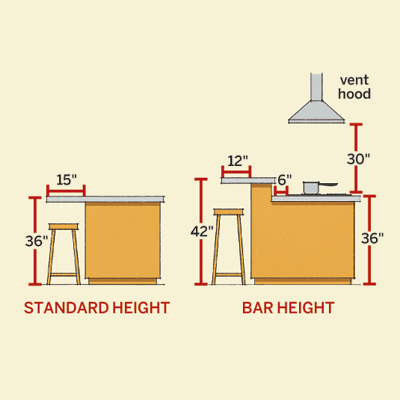
Image Source: kikiinteriors.com
Figuring Out the Ideal Kitchen Island Height
When you’re planning your dream kitchen, one of the most crucial elements to consider is the kitchen island. It’s often the heart of the home, a place for cooking, eating, gathering, and even doing homework. But beyond the length and width, a key detail that significantly impacts usability and comfort is the kitchen island height. Getting this right can transform your kitchen experience, while getting it wrong can lead to awkwardness and frustration.
Standard Kitchen Island Size Considerations
Before diving into height, let’s briefly touch upon standard kitchen island size in general. While there’s no single “one size fits all,” typical kitchen island dimensions often fall within these ranges:
- Width: 25 to 42 inches. This is the measurement from the front edge to the back edge.
- Length: 40 inches to over 10 feet. This depends heavily on your kitchen’s layout and your needs.
- Depth: 25 to 36 inches. This is similar to cabinet depth, usually around 24 inches for the base cabinets, with the countertop extending a bit further.
These are general guidelines, and your specific kitchen layout, traffic flow, and desired functionality will dictate the final size.
The Core of Your Island: Countertop Height for Kitchen Island
The height of your kitchen island is primarily determined by its countertop. The standard countertop height for kitchen island units is generally 36 inches. This height is aligned with most base cabinets and standard kitchen countertops, creating a seamless and ergonomic experience for food preparation and general use.
This 36-inch height offers several advantages:
- Ergonomics: It’s a comfortable height for most adults to stand and work without excessive bending or reaching.
- Compatibility: It matches the height of standard kitchen appliances like ranges and dishwashers, creating a visually cohesive look.
- Versatility: It works well for a variety of tasks, from chopping vegetables to serving meals.
When you’re selecting an island, you’ll often find pre-fabricated islands or base cabinets designed to accommodate this standard height. The island leg height will be adjusted to reach this 36-inch target once the countertop is installed.
Exploring Different Kitchen Island Heights for Various Functions
While 36 inches is the most common, kitchens are diverse, and so are the ways we use our islands. You might want a multi-level island or a specific height for different activities. This is where understanding variations becomes important.
Counter Height Island: The All-Rounder
A counter height island, typically measuring 36 inches, is the most popular choice. As discussed, it provides a comfortable working surface and can also serve as a casual dining spot for bar stools with a seat height of around 24-26 inches. If your island is primarily for prep work and general use, this is likely your best bet.
Bar Height Kitchen Island: For Casual Dining and Socializing
If your island is designed to be a central hub for entertaining and casual dining, a bar height kitchen island might be more suitable. These islands are generally taller, with a countertop height of around 40 to 42 inches.
- Seating: For a bar height island, you’ll need stools with a seat height of 30 inches.
- Comfort: This height allows guests to comfortably stand and chat while you cook, or to enjoy a meal without feeling too low.
- Considerations: If you opt for bar height, ensure there’s adequate knee space. This means the overhang for seating should be at least 15 inches, and the overall depth of the island will need to accommodate this.
Table Height Island: A More Formal Dining Option
Less common for a dedicated kitchen island, but still an option, is a table height island. These islands are typically 30 inches high, matching standard dining table height.
- Seating: You would use chairs with a seat height of around 18 inches.
- Functionality: This height is great if you envision your island as a more formal dining surface or a place for sit-down meals. However, it might be less ideal for cooking and food preparation due to the lower working surface.
Designing for Multiple Levels: The Best of Both Worlds
Many modern kitchens feature islands with multiple countertop heights. This approach caters to different activities and preferences within a single unit.
A common design includes a lower section at counter height (36 inches) for food preparation and a higher section at bar height (40-42 inches) for casual dining.
- Benefits: This offers the best of both worlds: a comfortable prep area and a dedicated space for socializing without interfering with cooking activities.
- Aesthetics: Multi-level islands can also add visual interest and dimension to your kitchen.
- Planning: When designing a multi-level island, careful consideration must be given to the transition between levels, ensuring it’s smooth and safe. The island leg height will vary for each section to achieve the desired countertop heights.
How High Should a Kitchen Island Be for You?
So, how high should a kitchen island be for your specific needs? It boils down to a few key questions:
-
Primary Use:
- Cooking & Prep: If it’s mainly for chopping, mixing, and plating, a standard 36-inch counter height is ideal.
- Casual Dining/Socializing: If you want a breakfast bar or a place for guests to gather, consider a 40-42 inch bar height.
- Sit-Down Meals: If it’s a primary dining spot, 30-inch table height might work, though it’s less common for the entire island surface.
- Mixed Use: A multi-level island is the best solution for combining these.
-
Who Will Use It Most?
- Adults: Standard heights usually work well.
- Children: If children will be using the island frequently for homework or meals, consider a slightly lower height, or ensure the seating is at an appropriate level. You might also think about the island depth to ensure they can comfortably reach the surface.
- People with Mobility Issues: Taller individuals might prefer a slightly higher island, while those who use wheelchairs might need a section that is lower and has adequate clearance underneath.
-
Kitchen Layout and Traffic Flow:
- Your island’s height can influence how you move around the kitchen. Ensure there’s enough clearance (at least 36-42 inches) around the island for comfortable passage, especially if people will be seated at it.
-
Seating Preference:
- Consider the type of seating you plan to use. Counter height islands (36 inches) pair best with 24-26 inch bar stools. Bar height islands (40-42 inches) require 30-inch stools. Table height islands (30 inches) need 18-inch chairs. The relationship between the seat height and countertop height is crucial for comfort.
Factors Influencing Kitchen Island Dimensions Beyond Height
While height is a major consideration, other kitchen island dimensions play a vital role in its functionality and integration into your space.
Kitchen Island Depth: More Than Just Countertop
The typical kitchen island depth is usually between 25 and 36 inches. This measurement generally includes the base cabinets and the countertop overhang.
- Base Cabinets: Standard base cabinets are usually 24 inches deep.
- Countertop Overhang: This is the portion of the countertop that extends beyond the base cabinets. For a standard kitchen island height with no seating, an overhang of 1 to 1.5 inches is common.
- Seating Overhang: If you plan for seating, the overhang needs to be more substantial. For counter height (36 inches), a 15-inch overhang is recommended for comfortable legroom. For bar height (40-42 inches), this 15-inch overhang is still the standard for legroom. This increases the overall island depth.
- Appliance Depth: If you’re incorporating appliances like a microwave drawer or a wine fridge, you’ll need to account for their specific depths, which can add to the overall island depth.
Island Leg Height and Support Structures
The island leg height is what determines the final countertop height. Whether you’re using pre-fabricated legs, decorative furniture-style legs, or building a custom island, the legs need to be precisely the correct height to achieve your desired countertop level.
- Adjustable Legs: Some systems offer adjustable legs, which can be beneficial if your flooring isn’t perfectly level.
- Structural Integrity: The legs or supporting structure must be strong enough to support the weight of the countertop and any items placed on it.
- Aesthetics: Island legs come in various styles, from simple and modern to ornate and traditional, contributing to the overall look of your island.
Common Kitchen Island Height Mistakes to Avoid
- Ignoring Seating Requirements: Not leaving enough overhang or choosing the wrong height stools for your island.
- Prioritizing Aesthetics Over Functionality: Choosing a height that looks good but is uncomfortable to work at or dine at.
- Not Considering Kitchen Scale: A massive, tall island in a small kitchen can make the space feel cramped. Conversely, a small, low island in a large kitchen can look lost.
- Forgetting About Appliances: Not accounting for the height and depth of any appliances you plan to integrate into the island.
- Insufficient Clearance: Not leaving enough space around the island for easy movement, especially if seating is involved.
Measuring for Your Perfect Kitchen Island Height
To determine your perfect kitchen island height, grab a tape measure and a notepad.
-
Simulate Your Use:
- For Prep: Stand at your current countertop height. Does it feel comfortable for chopping and stirring? If not, consider if you need to go slightly higher or lower.
- For Dining: If you plan to eat at the island, try sitting at tables and counters of different heights. What feels most natural for you?
- For Guests: Imagine people standing and chatting. A higher island might be more comfortable for casual standing conversation.
-
Consider Your Stools/Chairs:
- Measure the seat height of your intended stools or chairs.
- The Golden Rule: Aim for a 10-12 inch difference between the seat height and the countertop height.
- 30-inch stool seat + 10-12 inches = 40-42 inch bar height counter.
- 26-inch stool seat + 10-12 inches = 36-38 inch counter height counter.
- 18-inch chair seat + 10-12 inches = 28-30 inch table height counter.
-
Check Manufacturer Recommendations:
- If you’re buying pre-fabricated cabinets or islands, check their recommended countertop heights and seating clearances.
The Impact of Material on Height Considerations
The material you choose for your countertop can also have a subtle impact.
- Thicker Materials: Materials like granite, quartz, or butcher block often come in standard thicknesses of 1.25 to 2 inches. This thickness will add to the overall height, so it needs to be factored in when calculating your island leg height. For example, if you want a 36-inch finished height and choose a 1.5-inch thick countertop, your base cabinet and leg structure will need to be 34.5 inches tall.
- Thinner Materials: Materials like laminate might be thinner, requiring less adjustment.
- Butcher Block: Butcher block can be purchased in various thicknesses, offering flexibility in achieving your desired height.
Frequently Asked Questions About Kitchen Island Height
Q1: What is the standard height for a kitchen island?
A1: The standard height for a kitchen island is typically between 34 and 36 inches, aligning with standard countertop heights.
Q2: Can I have a kitchen island that is taller than 36 inches?
A2: Yes, you can have a kitchen island that is taller than 36 inches, especially if you are aiming for a bar height island, which is usually 40-42 inches. This is ideal for casual dining and entertaining.
Q3: How much overhang do I need for seating at a kitchen island?
A3: For comfortable seating, you generally need an overhang of at least 15 inches for both counter height (36 inches) and bar height (40-42 inches) islands. This allows ample legroom.
Q4: How do I choose the right height for my kitchen island if I have children?
A4: If children will be using the island, consider a height that is comfortable for them, or ensure you have appropriately sized seating. A multi-level island with a lower section can also be beneficial.
Q5: What is the difference between counter height and bar height for a kitchen island?
A5: Counter height islands are typically 36 inches tall and are best paired with 24-26 inch seat height stools. Bar height islands are taller, usually 40-42 inches, and require 30-inch seat height stools.
Q6: Does the kitchen island depth affect the height?
A6: While depth and height are different measurements, a greater island depth might be necessary to accommodate a larger overhang for seating, which is related to the overall usability of the island at its chosen height.
Q7: How does island leg height contribute to the overall kitchen island height?
A7: The island leg height is the foundational component that, when combined with the countertop thickness, determines the final finished height of your kitchen island.
By carefully considering these factors – from standard measurements to your personal needs and desired functionality – you can ensure your kitchen island is not only a beautiful focal point but also a practical and comfortable extension of your kitchen. Happy planning!