
What is the best kitchen backsplash for my home? The best kitchen backsplash for your home depends on your personal style, the materials you prefer, and your budget. This guide will walk you through everything you need to know to make the perfect choice.
Choosing a kitchen backsplash can feel like a big decision. It’s a focal point of your kitchen, impacting the overall style and feel of the space. But with so many options available, how do you pick the right one? This comprehensive guide will help you navigate the world of kitchen backsplash ideas, materials, and costs, ensuring you make a choice you’ll love for years to come.
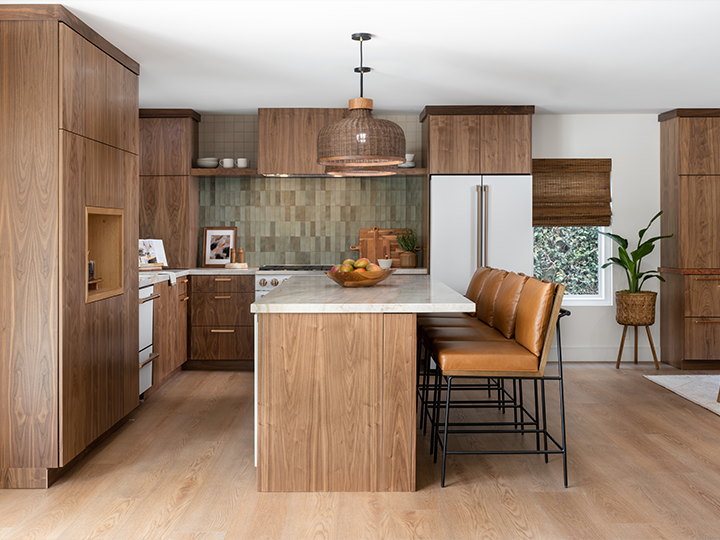
Image Source: www.jasmine-roth.com
Deciphering Your Kitchen’s Style
Before diving into materials, let’s talk about style. Your backsplash should complement your existing kitchen design.
Modern Kitchen Backsplashes
Modern kitchens often feature clean lines, minimalist aesthetics, and a focus on functionality.
- Sleek and Simple: Think large format tiles, solid surfaces, or even metal.
- Color Palettes: Often neutral, with pops of bold color or metallic accents.
- Materials: Glass, stainless steel, concrete, large-format porcelain or ceramic.
Traditional Kitchen Backsplashes
Traditional kitchens evoke a sense of warmth, comfort, and classic elegance.
- Timeless Charm: Subway tiles, intricate patterns, natural stone.
- Color Palettes: Warmer tones, earthy hues, classic whites and creams.
- Materials: Ceramic, natural stone (marble, granite), glass.
Farmhouse Kitchen Backsplashes
Farmhouse kitchens blend rustic charm with a cozy, inviting atmosphere.
- Country Feel: Beadboard, subway tiles with a matte finish, brick.
- Color Palettes: Whites, creams, muted blues and greens, natural wood tones.
- Materials: Ceramic, painted wood, natural stone, reclaimed materials.
Transitional Kitchen Backsplashes
Transitional kitchens bridge the gap between traditional and modern, offering a balanced and sophisticated look.
- Smooth Blend: Neutral colors, classic shapes with modern finishes.
- Color Palettes: Grays, beiges, whites, with subtle metallic touches.
- Materials: Ceramic, porcelain, natural stone, glass.
Exploring Backsplash Material Choices
The material you choose for your backsplash will influence its look, durability, cost, and maintenance needs. Let’s explore popular backsplash material choices.
Ceramic and Porcelain Tiles
Ceramic and porcelain tiles are incredibly popular for a reason. They offer a vast range of styles, are durable, and generally budget-friendly.
- Ceramic: Porous, typically coated with a glaze. Good for walls, not as durable as porcelain for heavy use or potential impact.
- Porcelain: Denser and less porous than ceramic, making it more durable and water-resistant. Excellent for countertops and backsplashes.
Pros:
* Wide variety of colors, patterns, and finishes.
* Durable and long-lasting.
* Easy to clean.
* Generally affordable.
* Can mimic other materials like stone or wood.
Cons:
* Grout lines require cleaning.
* Can chip or crack if hit with a heavy object.
* Some intricate patterns can be more expensive.
Choosing kitchen tiles: When choosing ceramic or porcelain, consider the size of the tiles. Smaller tiles mean more grout lines, while larger tiles offer a more seamless look. Matte finishes are generally easier to clean than glossy ones, as they don’t show water spots as easily.
Natural Stone (Marble, Granite, Quartzite)
Natural stone backsplashes add a touch of luxury and unique beauty to any kitchen.
- Marble: Known for its elegant veining and luxurious feel. Requires sealing to prevent staining and etching.
- Granite: Very durable and heat-resistant. Comes in a wide array of colors and patterns.
- Quartzite: Extremely durable, scratch-resistant, and heat-resistant. Often resembles marble but with greater resilience.
Pros:
* Unique, natural beauty.
* Adds significant value to a home.
* Durable (especially granite and quartzite).
* Heat resistant.
Cons:
* Can be expensive.
* Requires sealing (especially marble and some granites) to prevent stains.
* Can be porous, leading to etching from acidic substances.
* Heavy, which can impact installation costs.
Best kitchen backsplash for granite: If you have granite countertops, a complementary backsplash can enhance their beauty. Often, a simpler backsplash material like subway tile in a neutral tone works best to let the granite shine. However, if your granite is more understated, you might consider a stone or glass tile that picks up on subtle colors within the granite.
Glass Tiles
Glass tiles offer a modern, sophisticated look and can make a kitchen feel brighter and more spacious.
- Types: Available in individual tiles, mosaics, and larger sheets.
- Finishes: Glossy, matte, iridescent, frosted.
Pros:
* Reflects light, making kitchens appear larger and brighter.
* Easy to clean and non-porous.
* Resistant to stains and moisture.
* Modern and stylish appearance.
Cons:
* Can be more expensive than ceramic or porcelain.
* May chip or break if impacted forcefully.
* Can show smudges and water spots easily, especially glossy finishes.
* Installation can be tricky, requiring a skilled hand.
Stainless Steel
Stainless steel backsplashes offer a sleek, industrial, or modern look and are highly practical.
- Application: Available in sheets or as individual tiles.
- Finish: Brushed, polished, or hammered.
Pros:
* Extremely durable and heat-resistant.
* Easy to clean and stain-resistant.
* Modern, professional look.
* Resistant to mold and mildew.
Cons:
* Can show fingerprints and smudges.
* May scratch if abrasive cleaners are used.
* Can be more expensive than basic tile options.
* Installation requires precision.
Subway Tile
A classic choice that remains perpetually popular, subway tile offers versatility and timeless appeal.
- Standard Size: Typically 3×6 inches, laid in a brick pattern.
- Materials: Ceramic, porcelain, glass, marble.
Pros:
* Versatile and fits many design styles.
* Affordable and widely available.
* Easy to clean.
* Simple yet elegant.
Cons:
* Grout lines need regular cleaning.
* Can look dated if not styled well.
Mosaics
Mosaics, made of small tiles often arranged in intricate patterns, add visual interest and a designer touch.
- Materials: Glass, ceramic, stone, metal, or a combination.
- Format: Typically sold in sheets for easier installation.
Pros:
* Creates a dramatic focal point.
* Can incorporate multiple colors and textures.
* Great for curved surfaces or backsplashes behind stoves.
Cons:
* More grout lines mean more cleaning.
* Can be more expensive due to intricate design and labor.
* Installation can be more complex.
Peel-and-Stick Backsplashes
For a budget-friendly and DIY-friendly option, peel-and-stick backsplashes are a great choice.
- Materials: Vinyl, laminate, or faux tile designs.
- Application: Simply peel off the backing and stick to the wall.
Pros:
* Very affordable.
* Easy to install, perfect for DIY projects.
* Can be easily removed or replaced.
* Wide variety of designs available.
Cons:
* Durability may be less than traditional materials.
* May not withstand high heat or constant moisture as well.
* Can look less premium than other options.
* Adhesive may damage walls upon removal if not careful.
DIY kitchen backsplash: Peel-and-stick options are ideal for a DIY kitchen backsplash. However, even with traditional tiles, many homeowners successfully tackle the project with the right tools and tutorials.
Budgeting for Your Backsplash
The cost of a kitchen backsplash can vary significantly based on material, size, and installation.
Factors Affecting Cost
- Material: Natural stone and high-end glass tiles are typically more expensive than ceramic or porcelain.
- Size of the Area: The square footage of your backsplash will directly impact material and labor costs.
- Complexity of Design: Intricate patterns, custom mosaics, or unique layouts will increase costs.
- Installation: Professional installation will add to the overall expense. DIY can save money but requires time and effort.
Backsplash Cost Estimator
To get a rough idea of costs, you can use a kitchen backsplash calculator online. These tools typically ask for the dimensions of your backsplash area and the type of material you’re considering. Remember, these are estimates, and actual costs may vary.
General Cost Breakdown (per square foot, materials only):
| Material Type | Estimated Cost (Low) | Estimated Cost (High) |
|---|---|---|
| Ceramic Tile | $1 – $5 | $5 – $15+ |
| Porcelain Tile | $3 – $8 | $8 – $20+ |
| Glass Tile | $5 – $15 | $15 – $30+ |
| Stainless Steel | $10 – $25 | $25 – $50+ |
| Natural Stone (Granite, Marble) | $15 – $40 | $40 – $100+ |
| Mosaic Tile | $10 – $20 | $20 – $50+ |
| Peel-and-Stick | $0.50 – $2 | $2 – $5 |
Note: These are approximate material costs and do not include installation, grout, adhesive, or sealant.
Backsplash Installation Tips
Proper installation is key to a beautiful and long-lasting backsplash.
When to Install
It’s generally best to install the backsplash after countertops are in place. This ensures a perfect fit and avoids potential damage to the backsplash during countertop installation.
DIY vs. Professional Installation
- DIY:
- Pros: Saves money, rewarding experience.
- Cons: Time-consuming, requires learning new skills, risk of errors impacting the final look.
- Tips: Watch numerous tutorials, practice cutting tiles, use the correct adhesive and grout.
- Professional:
- Pros: Ensures a high-quality, seamless finish, saves time and stress.
- Cons: Adds to the overall cost.
- Tips: Get multiple quotes, check reviews, ensure they are licensed and insured.
Backsplash Installation Tips:
- Prepare the Wall: Ensure the wall is clean, dry, and smooth. Remove any old wallpaper or paint.
- Dry Layout: Before applying adhesive, lay out your tiles on the counter to visualize the pattern and make any necessary adjustments.
- Use the Right Adhesive: Choose an adhesive suitable for your tile material and wall surface.
- Tile Spacers: Use tile spacers to ensure consistent grout lines.
- Cutting Tiles: Invest in a good tile cutter or wet saw for clean cuts, especially for intricate patterns or around outlets.
- Grouting: Wait for the adhesive to cure completely before grouting.
Backsplash Grout Selection
The grout color can dramatically change the look of your backsplash.
Grout Colors and Their Impact
- White/Light Grout: Creates a clean, classic look. Can highlight the individual tile shapes and patterns. However, it can be prone to staining.
- Gray Grout: Offers a more contemporary feel and is excellent at hiding stains and dirt. It can make tiles stand out or blend in, depending on the shade.
- Dark/Black Grout: Provides a bold, dramatic look, especially with lighter tiles. It effectively hides grout lines, creating a more monolithic appearance.
- Matching Grout: Using grout that closely matches the tile color creates a seamless, modern look.
Types of Grout
- Sanded Grout: Contains sand, making it stronger and suitable for wider grout lines (1/8 inch or more).
- Unsanded Grout: Smoother and best for narrow grout lines (less than 1/8 inch).
- Epoxy Grout: Highly durable, stain-resistant, and waterproof. It’s more expensive and can be trickier to install but offers superior performance in high-moisture or high-traffic areas.
Backsplash grout selection: For most tile backsplashes, sanded or unsanded grout is common. If you’re concerned about staining, especially in areas prone to grease splatters, consider a darker grout color or an epoxy grout for the highest level of stain resistance.
Backsplash Design Trends
Staying current with backsplash design trends can inspire your choices.
Popular Backsplash Design Trends
- Large Format Tiles: Creating a seamless, modern look with fewer grout lines.
- Geometric Patterns: Adding visual interest with intricate shapes and layouts.
- Mixed Materials: Combining different materials like tile and metal, or glass and stone for a unique look.
- Bold Colors and Textures: Moving beyond neutrals to make a statement.
- Continuous Backsplash: Extending the countertop material up the wall for a sleek, unified appearance.
- Vertical Tile Layouts: A modern twist on traditional patterns, elongating the space.
- Zellige Tiles: Handmade, irregular Moroccan tiles with a rich, artisanal feel.
Frequently Asked Questions (FAQ)
Q1: How high should my backsplash go?
A: Typically, a backsplash extends from the countertop to the bottom of the upper cabinets. Some people choose to extend it all the way to the ceiling for a more dramatic look, especially behind a range.
Q2: Can I use the same material for my countertop and backsplash?
A: Yes, using the same material for both can create a cohesive and seamless look. This is especially popular with natural stone or quartz countertops.
Q3: How do I clean my kitchen backsplash?
A: The cleaning method depends on the material. For most tile backsplashes, a mild soap and water solution or a specialized tile cleaner works well. For natural stone, use pH-neutral cleaners. Stainless steel can be cleaned with stainless steel polish. Always check the manufacturer’s recommendations.
Q4: What is the best kitchen backsplash for a busy cook?
A: For busy kitchens with frequent cooking, opt for durable, easy-to-clean materials like porcelain tile, granite, quartzite, or stainless steel. Consider grout color that hides stains, like gray or dark tones.
Q5: Do I need to seal my backsplash?
A: Natural stone backsplashes, especially marble and some granites, require sealing to protect them from stains and etching. Most glazed ceramic and porcelain tiles do not need sealing, but the grout will likely need to be sealed to prevent staining.
Q6: How long does backsplash installation take?
A: The time can vary greatly depending on the size of the area, the complexity of the tile pattern, and whether you’re doing it yourself or hiring a professional. A simple tile backsplash might take a professional one to two days, while a more complex mosaic could take longer.
By carefully considering your style, exploring the diverse backsplash material choices, and budgeting wisely, you can find the perfect kitchen backsplash to elevate your home’s design. Whether you opt for a classic subway tile or a bold mosaic, your backsplash is an opportunity to infuse your kitchen with personality and flair.