
Can you replace a kitchen sink strainer yourself? Yes, you absolutely can! Installing a new kitchen sink strainer is a straightforward DIY project that most homeowners can tackle with a few basic tools and a bit of patience. This guide will walk you through the process step-by-step, ensuring a watertight and functional upgrade for your kitchen sink. We’ll cover everything from identifying the right parts to making sure everything is sealed up tight.
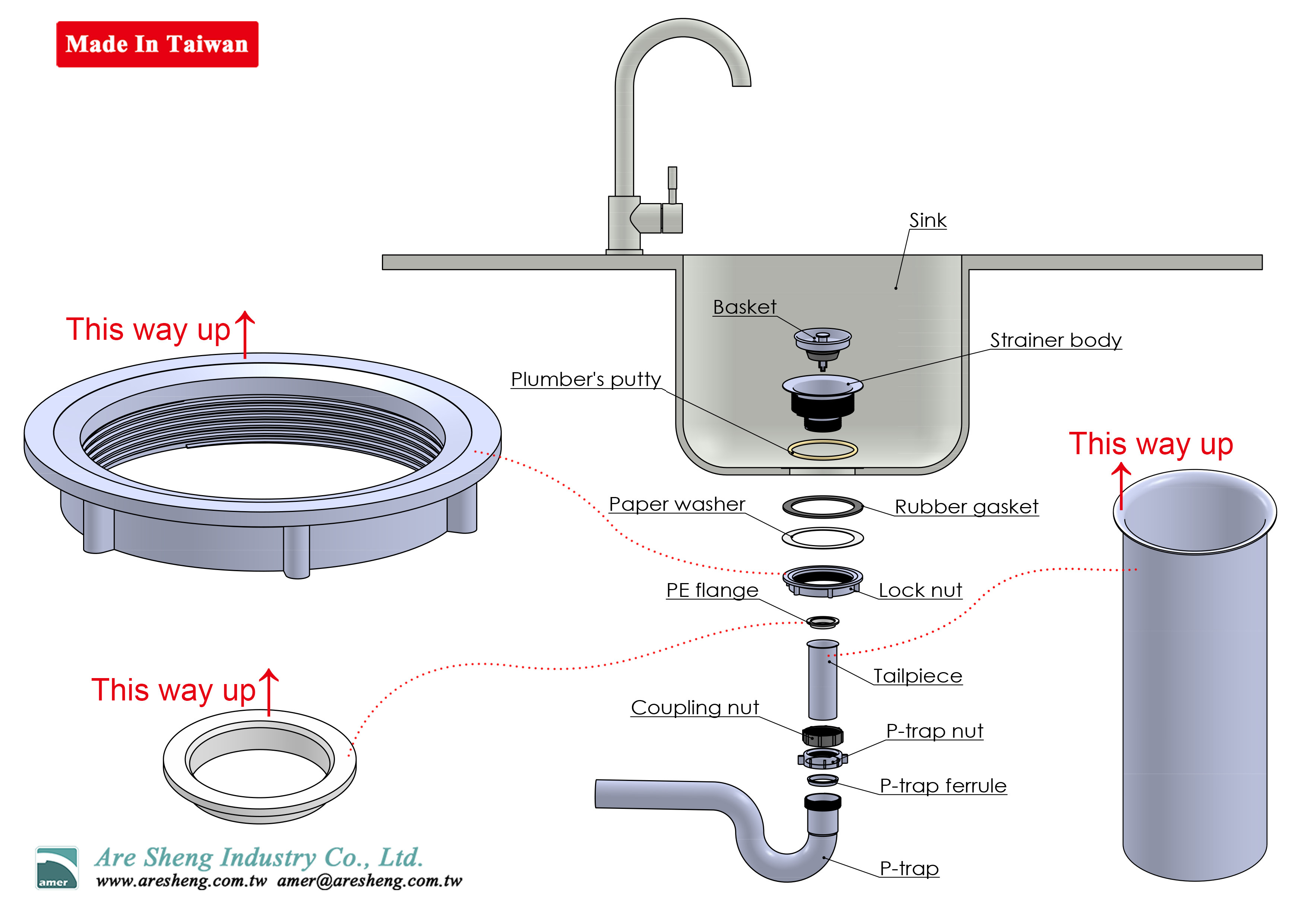
Image Source: www.aresheng.com.tw
Why You Might Need a New Sink Strainer
Over time, your kitchen sink strainer can become worn out, damaged, or simply stop doing its job effectively. Here are a few common reasons why you might be looking to replace yours:
- Leaking: A cracked seal or worn-out rubber gasket can cause water to drip from under the sink.
- Corrosion: Metal strainers can corrode, especially in areas with hard water, leading to rust and a less appealing look.
- Clogs: While strainers are designed to catch debris, sometimes the basket itself can become damaged, allowing larger items to pass through and cause clogs downstream.
- Wear and Tear: The constant exposure to water, food particles, and cleaning agents can wear down the materials over time.
- Aesthetics: You might simply want to update the look of your sink with a newer, shinier, or more stylish strainer.
Replacing a worn-out strainer is a simple way to keep your kitchen sink in good working order and prevent potential water damage.
Gathering Your Tools and Materials
Before you begin, it’s important to have all the necessary tools and materials ready. This will make the installation process smoother and more efficient.
Essential Tools:
- Adjustable Wrench or Pipe Wrench: This is crucial for loosening and tightening the large nuts that secure the strainer assembly.
- Plumber’s Putty: A pliable, non-hardening putty that creates a watertight seal between the strainer body and the sink.
- Screwdriver (Phillips and Flathead): You might need these for various parts of the old assembly, though often not directly for the strainer itself.
- Bucket or Towels: To catch any residual water in the drainpipe once you disconnect it.
- Gloves: To keep your hands clean and protected.
- Safety Glasses: To protect your eyes from any falling debris or splashing water.
- Wire Brush or Steel Wool: For cleaning the sink opening and the underside of the sink.
- Rag or Sponge: For wiping up spills and cleaning.
Necessary Materials:
- New Kitchen Sink Strainer Assembly: Ensure it’s the correct size for your sink opening. Most standard kitchen sink drains are 3-1/2 inches in diameter. The assembly typically includes the strainer basket, the main body (flange), and a locknut. You might also get a rubber gasket and a metal or plastic washer with it.
- Optional: Plumber’s Tape (Teflon Tape): While not always necessary for sink strainers, some prefer to use it on pipe threads if you’re also dealing with the drainpipe connection.
Step-by-Step Guide to Installing Your New Kitchen Sink Strainer
Let’s get started! This guide will cover how to install a kitchen sink strainer from start to finish.
Step 1: Prepare the Area and Remove Old Strainer
First, you need to clear out the area under your sink. Remove any cleaning supplies or items stored there to give yourself plenty of working space.
- Place a bucket or towels: Position a bucket or a thick layer of towels directly under the drainpipe connection to catch any water that might be left in the trap.
- Loosen the slip nut: Under the sink, you’ll see the P-trap (the U-shaped pipe). There’s a large nut connecting the drainpipe from the strainer to the P-trap. Use your adjustable wrench to loosen this slip nut. Turn it counter-clockwise. Be prepared for a small amount of water to drain out.
- Remove the old strainer: Now that the drainpipe is detached, you can focus on the old strainer in the sink itself.
- From the top: If your old strainer has a removable basket, pull it out. You’ll see a larger piece, the flange, sitting in the sink opening.
- From the bottom: Look underneath the sink where the strainer body (often called the tailpiece or sink drain waste fitting) is attached to the sink. There will be a large locknut holding it in place. Use your adjustable wrench to loosen this locknut by turning it counter-clockwise.
- Detach the old assembly: Once the locknut is loose enough, the entire strainer assembly (flange, rubber gasket, washer, and body) should be free. You may need to gently wiggle or push the strainer body up from underneath while pulling the flange out from the top of the sink.
Step 2: Clean the Sink Opening
This is a critical step for ensuring a good seal. Any old putty, debris, or grime left in the sink opening can prevent your new strainer from sealing properly, leading to leaks.
- Scrape away old putty: Use a putty knife or a flathead screwdriver to carefully scrape away all the old plumber’s putty from the sink opening.
- Clean the surface: Use a rag dampened with a little degreaser or warm, soapy water to thoroughly clean the sink opening. Follow up with a dry rag or paper towel.
- Use a wire brush or steel wool: For stubborn residue, a wire brush or steel wool can be very effective in getting the sink surface clean and smooth. The goal is a clean, dry surface for the new putty.
Step 3: Prepare the New Sink Strainer Assembly
Most sink strainer kits come with several parts. It’s important to assemble them in the correct order.
- Identify the parts: Lay out all the components of your new sink basket strainer assembly. You should have the strainer basket, the strainer flange (the visible part in the sink), a rubber gasket, a metal or plastic washer, and a large locknut. Some kits may also include a tailpiece.
- Assemble the main body:
- Take the strainer flange (the part that sits in the sink).
- On the underside of the sink, place the rubber gasket over the threaded part of the flange.
- Next, slide the metal or plastic washer onto the threaded part.
- Finally, screw the large locknut onto the threaded part of the flange. Do not tighten it completely yet. Just thread it on enough to hold the parts together.
Step 4: Install the New Strainer
Now it’s time to fit the new sink strainer into your sink.
- Apply plumber’s putty: Take a generous amount of plumber’s putty and roll it into a long rope, about 1/2 inch thick.
- Seal the flange: Press this rope of plumber’s putty all around the underside of the strainer flange. This putty will be squeezed out when you tighten the locknut, creating a waterproof seal.
- Insert the flange into the sink: Carefully place the strainer flange into the sink opening from the top. Gently press it down so the putty makes contact with the sink surface.
- Align and tighten from below: Go underneath the sink.
- Make sure the strainer body (the part with the threads extending downwards) is properly aligned with the drainpipe.
- Tighten the large locknut you previously threaded onto the flange. Use your adjustable wrench to tighten it securely. The goal is to compress the plumber’s putty and create a tight seal. You’ll see excess putty squeeze out around the flange.
- Important: Try to hold the strainer flange from turning while tightening the locknut. Some strainers have notches on the top that you can use a special tool or a screwdriver to hold them, but often, just holding it firmly by hand or with pliers is sufficient.
Step 5: Reconnect the Drainpipe
With the new strainer firmly in place, it’s time to reconnect the plumbing underneath.
- Attach the tailpiece (if separate): If your new strainer didn’t come with an integrated tailpiece, connect the new tailpiece (or your old one if it’s in good condition) to the bottom of the strainer body. Tighten the slip nut securely with your wrench.
- Reconnect the P-trap: Align the P-trap with the tailpiece and tighten its slip nut. Ensure all connections are snug.
Step 6: Test for Leaks
This is the most important step to ensure your DIY sink strainer installation was successful.
- Plug the sink: Place the new strainer basket in the sink opening and plug the sink with the stopper (if your strainer has one).
- Fill the sink: Fill the sink with a few inches of water.
- Check for leaks: Look carefully under the sink at all the connections you made: the locknut securing the strainer to the sink, and the slip nuts connecting the tailpiece and P-trap. Use a dry paper towel to wipe down the connections; any moisture will be easily visible.
- Unplug and drain: Once you’ve checked for leaks with the water still in the sink, remove the stopper and let the water drain. Watch the connections again as the water flows through.
- Tighten if necessary: If you find any drips, gently tighten the corresponding nut a little more. Be careful not to overtighten, as this can crack plastic parts or strip threads. If a leak persists after gentle tightening, you might need to drain the water, disassemble the connection, reapply plumber’s putty or Teflon tape, and reassemble.
Step 7: Clean Up
Wipe away any excess plumber’s putty that squeezed out around the sink opening. Clean up any tools and put away your supplies.
Troubleshooting Common Issues
Even with a straightforward guide, you might encounter a few hiccups. Here’s how to address them:
Leaks at the Flange
If you notice a leak where the strainer meets the sink:
- Issue: Insufficient plumber’s putty, or the putty wasn’t evenly distributed.
- Solution: You’ll need to loosen the locknut, remove the strainer, clean off the old putty, reapply a fresh, generous rope of putty, and re-tighten. Ensure the putty is evenly pressed around the entire flange.
Leaks at the Drainpipe Connections
If water is dripping from the slip nuts connecting the tailpiece or P-trap:
- Issue: The slip nuts are not tight enough, or the plastic or rubber washers are missing or damaged.
- Solution: Tighten the slip nuts with your wrench. If that doesn’t work, loosen them, check that the conical rubber washer is correctly seated (narrow end towards the fitting it’s sealing), and re-tighten. For threaded pipe connections, a bit of plumber’s tape on the threads can help.
Strainer Basket Doesn’t Fit or Moves Freely
If the strainer basket itself seems loose or wobbly in the flange:
- Issue: You might have the wrong size strainer, or the strainer basket is designed to simply rest in the flange.
- Solution: Most strainer baskets are designed to be held in place by friction or a simple clip. If yours feels very loose, ensure you have the correct type of strainer basket for your flange. Some older strainers might have a small set screw to secure the basket.
Tips for a Successful New Sink Strainer Installation
Here are a few extra tips to make your DIY sink strainer fitting a success:
- Read the instructions: Always check the specific instructions that come with your new sink strainer assembly, as some models may have slight variations.
- Choose quality parts: Investing in a good quality sink drain strainer assembly can save you headaches down the line. Look for durable materials like stainless steel.
- Don’t overtighten: While you want a tight seal, overtightening can strip threads or damage plastic components, leading to more problems.
- Consider a deep sink strainer: If you often find yourself with larger pots or pans, a strainer with a deeper basket might be beneficial.
- Cleanliness is key: A clean sink opening is paramount for a leak-free installation. Don’t skimp on this step.
Frequently Asked Questions (FAQ)
What is the best material for a kitchen sink strainer?
Stainless steel is generally the best material for a kitchen sink strainer due to its durability, resistance to corrosion, and attractive appearance. Brass is also a good, durable option, though it can be more expensive. Avoid plastic strainers for the main body that connects to the sink, as they are less durable.
How do I know if I need to replace my kitchen sink drain assembly?
You likely need to replace your kitchen sink drain assembly if you notice persistent leaks from under the sink, significant corrosion or rust on the metal parts, or if the strainer basket itself is damaged and no longer effectively catches debris.
Can I install a sink strainer without plumber’s putty?
While it’s possible to use silicone caulk as an alternative to plumber’s putty, plumber’s putty is the traditional and generally recommended material for sealing the sink strainer flange to the sink. It creates a flexible, watertight seal that can accommodate minor movements. Silicone can harden and crack over time.
How often should a kitchen sink strainer be replaced?
There’s no set schedule for replacing a kitchen sink strainer. It depends on the quality of the material, the water conditions in your area, and how heavily the sink is used. Inspect your strainer periodically, and replace it if you notice any signs of wear, corrosion, or leaks.
What are the common sink drain strainer parts?
The common sink drain strainer parts include the strainer basket (the removable cup that catches debris), the strainer flange (the visible metal rim in the sink drain opening), a rubber gasket (to seal the flange to the sink), a washer (often metal or plastic, to help support the gasket and flange), and a large locknut that secures the assembly to the sink from underneath. The assembly also includes the main body or tailpiece that connects to the drainpipe.
How do I fit a sink strainer if my sink has a very thin rim?
For sinks with very thin rims, you might find that the standard locknut doesn’t have enough thread to engage securely. In such cases, you might need a strainer assembly specifically designed for thinner sinks or consider using a specialized sealant in addition to or instead of the standard washer. However, most modern strainers are designed to accommodate standard sink thicknesses.
Is it difficult to replace a sink drain assembly?
Replacing a sink drain assembly is considered a moderately easy DIY task. The most challenging parts can be working in a confined space under the sink and dealing with potentially stubborn old plumbing. With the right tools and this guide, it’s definitely achievable for most people.
What is a sink basket strainer assembly?
A sink basket strainer assembly refers to the complete set of components that make up the drain opening of your kitchen sink. This includes the basket that traps food scraps, the flange that sits in the sink drain, the gaskets and washers that create a seal, and the locknut that holds it all together. It’s the crucial part of your kitchen sink waste fitting.
This comprehensive guide should empower you to confidently tackle the installation of a new kitchen sink strainer, ensuring your sink is functioning perfectly and free from leaks. Happy plumbing!