
Yes, you can absolutely use a kitchen compost bin to manage your food scraps! A kitchen compost bin is a fantastic tool for anyone looking to reduce waste and contribute to a healthier planet. This guide will walk you through everything you need to know, from choosing the best kitchen compost bin to keeping your kitchen compost bin smell under control. Let’s dive into how to compost kitchen scraps and create your own kitchen composting system.
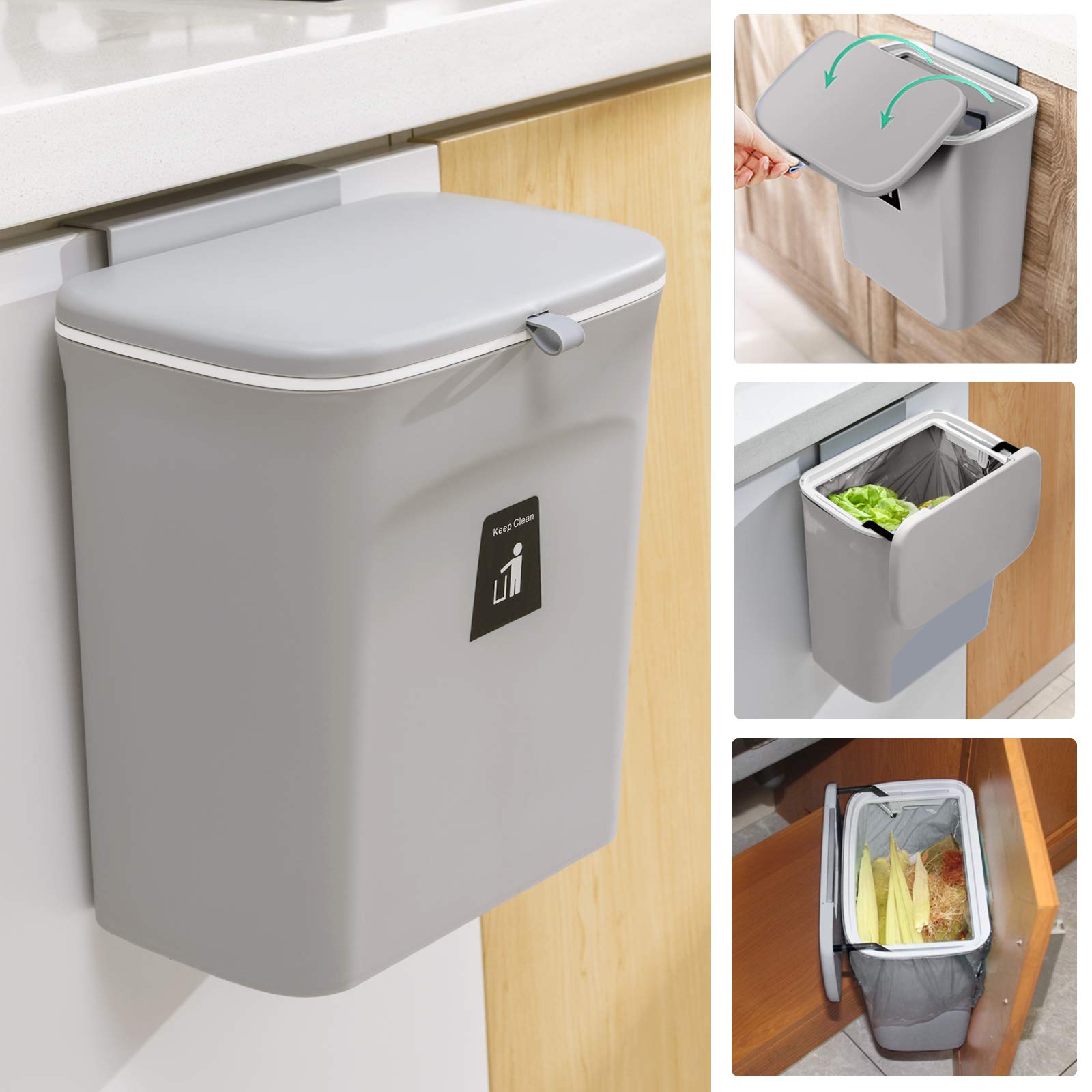
Image Source: kixat.blob.core.windows.net
Why Embrace Kitchen Composting? The Big Benefits
Before we get our hands dirty, let’s look at the wonderful benefits of kitchen composting. It’s more than just a chore; it’s a powerful act of environmental stewardship.
Reducing Landfill Waste
A significant portion of what we throw away is organic matter – food scraps, coffee grounds, tea bags, and more. When this organic material ends up in landfills, it decomposes anaerobically (without oxygen). This process produces methane, a potent greenhouse gas that contributes to climate change. By composting these scraps at home, you divert them from landfills, significantly reducing your environmental footprint.
Creating Nutrient-Rich Soil
Compost is often called “black gold” by gardeners, and for good reason! It’s a rich, dark material teeming with beneficial microorganisms, worms, and nutrients. When you add compost to your garden or potted plants, you:
- Improve soil structure: Compost helps sandy soils retain moisture and nutrients, and it loosens heavy clay soils, allowing for better aeration and drainage.
- Boost plant growth: The slow-release nutrients in compost feed your plants naturally, leading to healthier, more vibrant growth.
- Reduce the need for chemical fertilizers: Compost provides all the essential nutrients plants need, eliminating the reliance on synthetic fertilizers that can harm the environment.
- Enhance water retention: Compost acts like a sponge, holding moisture in the soil, which means you’ll need to water less often.
Saving Money
While the primary motivation for many is environmental, composting can also save you money.
- Less trash: In areas with pay-as-you-throw trash services, reducing your waste volume directly lowers your garbage bills.
- Free fertilizer: You’ll no longer need to buy expensive bags of compost or fertilizers for your garden or houseplants.
Connecting with Nature
There’s a unique satisfaction in transforming kitchen waste into something that nourishes the earth. It’s a tangible way to connect with natural cycles and feel more in tune with your environment.
Choosing Your Perfect Kitchen Compost Bin
Selecting the best kitchen compost bin for your needs is the first step. Several types are available, each with its own advantages. The goal is to find an indoor compost bin for kitchen use that fits your space and lifestyle.
Types of Kitchen Compost Bins
Kitchen Counter Compost Bin
These are typically small, aesthetically pleasing containers designed to sit on your countertop for easy access while you’re cooking. They are great for collecting scraps as you prepare meals.
- Features:
- Often made of stainless steel, ceramic, or recycled plastic.
- May have a lid with a charcoal filter to manage odor.
- Capacity usually ranges from 1 to 3 gallons.
- Pros: Convenient, attractive, readily available.
- Cons: Small capacity means frequent emptying.
Kitchen Compost Bin with Filter
Many kitchen counter compost bin options come with built-in features to combat odors.
- Features:
- Activated charcoal filters in the lid are common.
- Some have vent holes to allow airflow, which can help reduce moisture and odor.
- Pros: Excellent odor control, making them ideal for indoor use.
- Cons: Filters need periodic replacement.
Compost Pails
These are essentially a subset of kitchen compost bins, emphasizing a pail-like design for easy carrying and emptying. Using a kitchen compost pail is straightforward.
- Features:
- Often have a sturdy handle for transport.
- Lids can be hinged or removable.
- Various materials like stainless steel, plastic, and recycled paper pulp.
- Pros: Durable, easy to carry to your outdoor compost pile or collection bin.
- Cons: Design might be more utilitarian than decorative.
Odor-Reducing Options
When considering the kitchen compost bin smell, look for bins designed with odor control in mind.
- Activated Charcoal Filters: These porous filters trap odor-causing molecules.
- Airtight Lids: While tempting, completely airtight bins can sometimes trap moisture and lead to anaerobic conditions and smell. Look for bins with a balance of containment and some air exchange, or ones designed to be emptied frequently.
- Ventilation: Some bins have small vents to promote airflow, which can help dry out scraps slightly and prevent anaerobic decay.
Key Factors to Consider When Choosing
- Size/Capacity: How much food waste do you generate? A single person might be fine with a small pail, while a family will need something larger.
- Material: Stainless steel is durable and doesn’t stain but can be dented. Plastic is lightweight and affordable but can sometimes absorb odors. Ceramic is attractive but fragile.
- Lid Type: A hinged lid is convenient for quick deposits. A removable lid makes emptying easier.
- Odor Control: This is crucial for an indoor compost bin for kitchen. Look for filters or designs that manage smells.
- Ease of Cleaning: You’ll want a bin that’s easy to wash out regularly.
- Aesthetics: Does it need to look good on your counter, or will it be tucked away?
Mastering the Art: How to Compost Kitchen Scraps
Once you have your kitchen compost bin, it’s time to learn how to compost kitchen scraps. It’s a simple process that involves collecting specific items and knowing where they will ultimately go.
What Goes In Your Kitchen Compost Bin?
The primary purpose of your kitchen compost bin is to collect suitable organic materials before transferring them to a larger composting system (like an outdoor bin, worm bin, or municipal collection).
Acceptable Kitchen Scraps: The “Greens”
These are nitrogen-rich materials that provide moisture and help the composting process heat up.
- Fruit and vegetable peels, cores, and scraps
- Coffee grounds and paper filters
- Tea bags (remove staples and any plastic)
- Eggshells (crushed)
- Cooked pasta and rice (in moderation, as they can attract pests if not managed well)
- Bread and grains (again, in moderation)
- Plate scrapings (avoiding oily or greasy foods)
What to Avoid: The “Reds” (or Browns that don’t belong in the kitchen bin)
Some items can cause problems in your kitchen bin or your main compost system.
- Meat, fish, and dairy products: These can attract pests (rodents, flies) and cause foul odors. While they can be composted in some advanced systems (like hot composting or Bokashi), they are generally not recommended for basic kitchen composting or typical outdoor bins.
- Oily and greasy foods: Similar to meat and dairy, these can create odors and attract pests.
- Diseased plant material: This could spread diseases to your garden.
- Weeds that have gone to seed: These can sprout in your compost and end up in your garden.
- Pet waste: Can contain harmful pathogens.
- Coal ash or charcoal briquettes: Contain harmful chemicals.
- Glossy or coated paper: Such as magazine pages or takeout containers with plastic lining.
The Two-Bin System: Kitchen Bin to Main Compost
Your kitchen compost bin is the first stop. The second stop is your primary composting method.
Method 1: Outdoor Compost Bin or Pile
This is the most common method.
- Collect: Use your kitchen compost bin or kitchen counter compost bin to gather your accepted scraps throughout the day or week.
- Transport: Once your kitchen bin is full, carry it to your outdoor compost bin or pile.
- Add to Compost: Dump the contents of your kitchen bin onto your outdoor compost pile.
- Balance Greens and Browns: Aim for a good mix of “greens” (like your kitchen scraps) and “browns” (like dry leaves, shredded cardboard, straw). A general rule of thumb is about 2-3 parts browns to 1 part greens. This balance is key to efficient composting and preventing odors.
Method 2: Worm Composting (Vermicomposting)
Worms are excellent at breaking down kitchen scraps.
- Collect: Use your kitchen bin as usual.
- Feed the Worms: Transfer the scraps from your kitchen bin to your worm bin. Worms particularly love fruit and vegetable scraps. Avoid citrus in large quantities, as it can be too acidic for some worms.
- Bedding: Worm bins need bedding, typically shredded newspaper, cardboard, or coco coir.
- Manage Moisture: Keep the bedding moist but not soggy.
Method 3: Bokashi Composting
Bokashi is a Japanese fermentation process that can handle almost all kitchen scraps, including meat and dairy, in an anaerobic (without oxygen) environment.
- Collect: Use your kitchen bin.
- Layer in Bokashi Bin: Add scraps to a special Bokashi bin, sprinkling Bokashi bran (containing beneficial microbes) between layers.
- Ferment: The Bokashi bin is sealed, allowing the scraps to ferment. A liquid “tea” is drained off regularly, which can be diluted and used as plant fertilizer.
- Bury or Compost Further: Once the Bokashi bin is full and fermented, the contents are usually buried in the garden or added to a traditional compost pile, where they break down quickly.
Method 4: Municipal Composting Programs
Many cities and towns now offer curbside composting services.
- Collect: Use your kitchen bin.
- Transfer: Empty your kitchen bin into your designated municipal compost bin.
- Follow Guidelines: Be sure to check your local program’s guidelines on what they accept.
Keeping Your Kitchen Compost Bin Fresh: Tackling Odors
The main concern for many when using a kitchen compost pail or any indoor compost bin for kitchen is the potential for kitchen compost bin smell. Fortunately, a few simple strategies can keep your kitchen smelling fresh.
The Science of Smell
Odors in composting usually arise from anaerobic decomposition – the breakdown of organic matter without enough oxygen. This process produces smelly gases like ammonia and hydrogen sulfide. Aerobic decomposition, which happens with enough air, is much less odorous.
Tips for Odor-Free Composting
1. Use a Bin with Good Design
- Filters: As mentioned, bins with activated charcoal filters are excellent for trapping smells.
- Vents: Some air circulation can help.
- Lids: A well-fitting lid helps contain initial odors, but ensure it doesn’t create a completely sealed, anaerobic environment unless that’s part of a specific system like Bokashi.
2. The Power of “Browns”
- Layering: When you empty your kitchen bin into your main compost, always try to cover fresh kitchen scraps with a layer of “brown” material (dry leaves, shredded paper, sawdust). This acts as an absorbent and helps keep odors contained.
- Sprinkle Baking Soda: A light dusting of baking soda inside your kitchen bin can help absorb moisture and neutralize odors.
3. Frequent Emptying
- Don’t Overfill: The fuller the bin, the more likely odors are to build up. Empty your kitchen compost bin regularly, ideally every day or two, especially if you’re composting particularly moist items.
- Wipe Down: After emptying, give your kitchen bin a quick wipe with a damp cloth.
4. Manage Moisture
- Drainage: If your bin has a spout for draining liquid, use it! This “compost tea” can be diluted and used as fertilizer. Excess moisture can lead to anaerobic conditions and smells.
- Dry Materials: Adding drier “brown” materials to your kitchen bin can help absorb excess moisture from food scraps.
5. What You Put In Matters
- Avoid Problematic Foods: As noted earlier, steer clear of meat, dairy, and greasy foods in your standard kitchen compost bin to minimize odor and pest issues.
6. Regular Cleaning
- Wash Thoroughly: Even with odor control measures, it’s good practice to wash your kitchen compost bin thoroughly with soap and water at least once a week. Let it air dry completely before refilling.
Kitchen Compost Bin Liners: Convenience and Cleanliness
Kitchen compost bin liners can make the process even cleaner and more convenient. They are typically made from biodegradable or compostable materials.
Types of Liners
- Compostable Bags: These are made from plant-based materials and are designed to break down along with your food scraps in a suitable composting environment. Important Note: Ensure the bags are certified compostable for the specific system you are using (home composting vs. industrial composting). Not all “compostable” bags break down in a home compost bin.
- Paper Bags: Plain paper bags can also be used. They absorb some moisture and can be composted.
- Newspaper: Simply line your bin with a few sheets of newspaper.
When to Use Liners
- Extra Protection: Liners can provide an extra barrier against leaks and messy scraps.
- Easier Transport: They can make it easier to lift the collected scraps out of the bin and transfer them to your main compost.
- Hygiene: They add an extra layer of cleanliness.
Considerations for Liners
- Compostability Certification: If you’re using compostable bags, check for certifications like ASTM D6400 (for industrial composting) or even specific home compostable certifications.
- Cost: Compostable liners will add a small ongoing cost.
- Moisture Absorption: Some liners are better at absorbing moisture than others.
Frequently Asked Questions (FAQ)
Q1: Can I compost all kitchen scraps?
A1: No, it’s best to avoid meat, fish, dairy, oily/greasy foods, and diseased plant matter in a typical kitchen compost bin and traditional composting systems due to potential odor and pest issues.
Q2: How often should I empty my kitchen compost bin?
A2: It depends on the size of your bin and how much waste you generate. For odor control, it’s best to empty it every 1-2 days or as soon as it’s full.
Q3: What’s the best way to prevent kitchen compost bin smell?
A3: Use a bin with a charcoal filter, layer scraps with “browns” (like shredded paper), empty frequently, manage moisture, and avoid problematic foods. Regular cleaning also helps.
Q4: Can I put my kitchen compost bin outside?
A4: Yes, if you don’t have an immediate outdoor compost system, you can place your kitchen compost bin in a cool, shaded spot outside temporarily until you can transfer the contents. However, the primary use of a kitchen compost bin is for convenient collection inside the kitchen.
Q5: What are “browns” and “greens” in composting?
A5: “Greens” are nitrogen-rich materials like fruit and vegetable scraps, coffee grounds, and grass clippings, providing moisture and heat. “Browns” are carbon-rich materials like dry leaves, shredded paper, cardboard, and straw, providing structure and air pockets. A good balance is crucial for effective composting.
Q6: How do I use kitchen compost bin liners?
A6: Simply place the liner inside your clean kitchen compost bin before adding scraps. When the bin is full, gather the liner and empty its contents into your main compost system.
By following these guidelines, you can effectively utilize your kitchen compost bin as a key component of your kitchen composting system. You’ll be well on your way to reducing waste, creating valuable soil amendments, and contributing to a more sustainable lifestyle. Happy composting!