
Wondering how much it costs to replace kitchen cabinets? The kitchen cabinet replacement cost can vary widely, from a few thousand dollars for basic stock options to tens of thousands for high-end custom designs. The cost of new kitchen cabinets depends on several factors, including materials, size of your kitchen, type of cabinets (stock, semi-custom, or custom), hardware, and installation labor. This comprehensive guide will help you break down the expenses and plan your kitchen cabinet remodel cost.
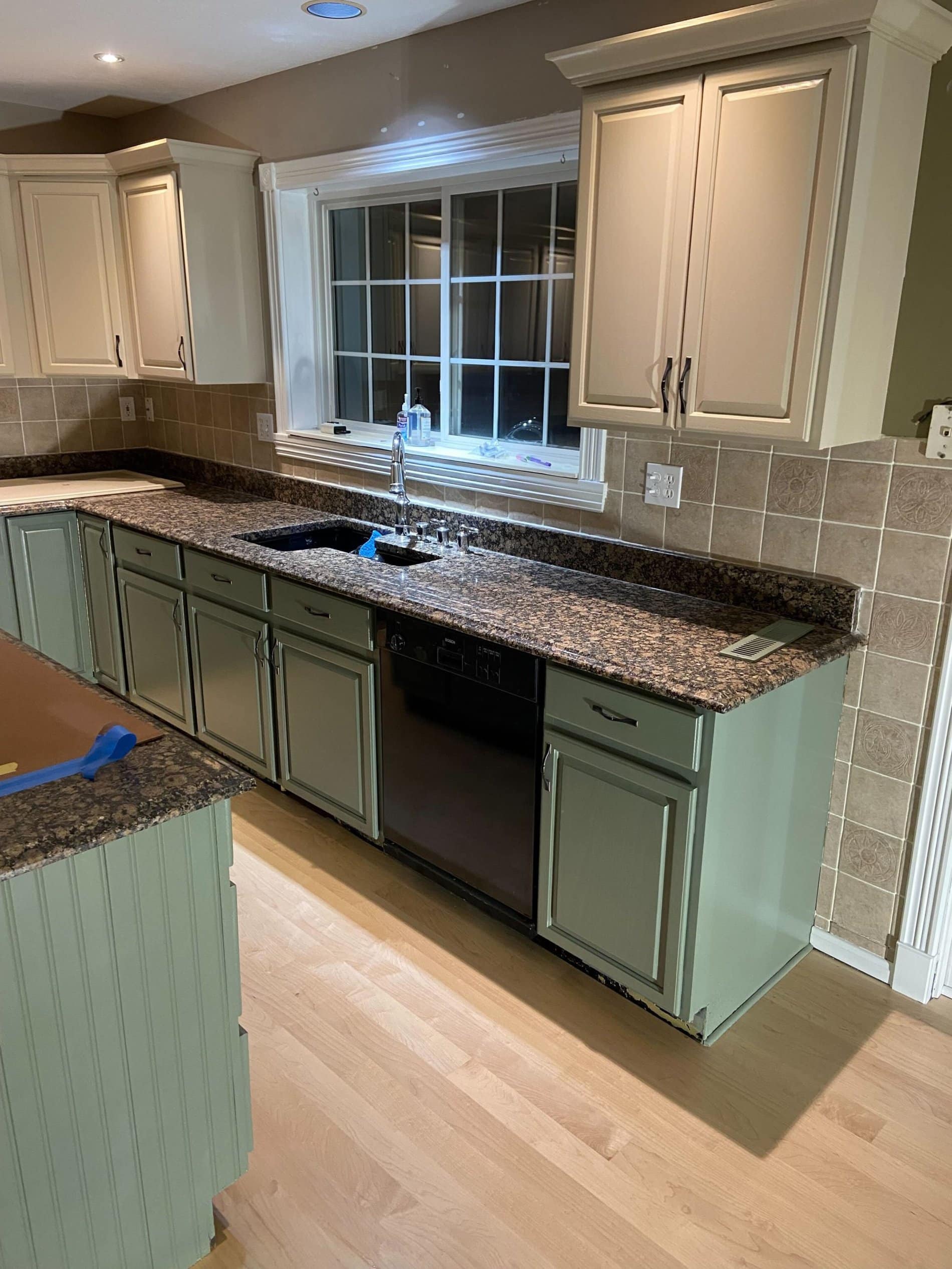
Image Source: thepickypainters.com
Deciphering the Cost Factors
Replacing your kitchen cabinets is a significant investment, and several elements contribute to the overall kitchen cabinet replacement cost. Let’s dive into what influences the price tag.
Cabinet Materials Cost
The material your cabinets are made from is a primary driver of cost.
-
Solid Wood: This is the most traditional and often most expensive option. Common hardwoods include:
- Oak: Durable and attractive, with a prominent grain. It’s a popular choice and can be stained in many colors.
- Maple: Known for its smooth, fine grain and light color, making it ideal for painted finishes. It’s also very hard and resistant to dents.
- Cherry: Offers a rich, warm color that deepens with age and sunlight. It has a beautiful natural grain.
- Hickory: Extremely hard and durable, with a distinctive, often dramatic grain pattern.
- Mahogany/Walnut: These are premium hardwoods, offering deep, luxurious colors and fine grains, commanding the highest prices.
-
Plywood: High-quality plywood, especially birch or maple veneer plywood, is often used for cabinet boxes (the sides, top, bottom, and back). It’s strong, stable, and less prone to warping than solid wood. While the exterior of doors and drawer fronts might be solid wood or veneer, the internal structure is often plywood.
-
Medium-Density Fiberboard (MDF): MDF is an engineered wood product made from wood fibers, resin, and wax. It’s very smooth and ideal for painted cabinets as it doesn’t have a visible grain. However, it can be susceptible to water damage if not properly sealed and is heavier than solid wood or plywood.
-
Laminate/Melamine: These are cost-effective options made by bonding a plastic laminate or melamine resin to a particleboard or MDF core. They offer a wide range of colors and patterns, including wood-look finishes. While budget-friendly, they can be less durable and prone to chipping or scratching compared to wood or high-quality veneers.
Cabinet Construction Styles
The way cabinets are built also impacts the cost of new kitchen cabinets.
-
Stock Cabinets: These are pre-made cabinets sold in standard sizes and limited styles. They are the most affordable option and can be purchased from big-box retailers or online suppliers. Lead times are typically short.
-
Semi-Custom Cabinets: These offer a middle ground. You start with a base of stock cabinets but can choose from a wider range of sizes, styles, finishes, and storage options. This allows for more customization to fit your kitchen’s specific layout and your needs. They are more expensive than stock but less than custom.
-
Custom Cabinets: These are built to your exact specifications. You have complete freedom in choosing dimensions, materials, styles, finishes, and features. They offer the highest level of personalization but also come with the highest price tag. This is where custom kitchen cabinets price can really add up.
Cabinet Door Styles and Finishes
The style of the cabinet doors and the finish applied have a significant impact on the final cost.
-
Door Styles:
- Shaker: Simple, clean lines with a flat center panel. A very popular and versatile choice.
- Slab/Flat Panel: A simple, modern look with a solid, flat door.
- Raised Panel: Features a center panel that is raised, adding dimension and a more traditional look.
- Recessed Panel: Similar to Shaker but with a slightly more detailed profile around the center panel.
- Inset Doors: The doors sit flush within the cabinet frame, offering a high-end, furniture-like appearance. These are more complex to produce and thus more expensive.
- Glass-Front Doors: Incorporating glass panels can add visual interest and make the kitchen feel more open, but they increase the cost.
-
Finishes:
- Stained: Brings out the natural beauty of wood grain. The type of stain and the wood used will affect the cost.
- Painted: Offers a wide array of color options. High-quality paint finishes, especially multi-layer or custom colors, can add to the price.
- Glazed: A secondary finish applied over the base coat to create an antique or antiqued effect.
- Varnished/Sealed: A clear coat to protect the wood, highlighting its natural color.
Hardware and Accessories
The knobs, pulls, hinges, and drawer slides you choose can add to the overall kitchen cabinet replacement cost.
- Knobs and Pulls: These can range from simple, inexpensive plastic or metal options to ornate, designer pieces made from brass, nickel, or crystal.
- Hinges: Standard hinges are typically included, but soft-close hinges or specialized European-style hinges can add a premium.
- Drawer Slides: Similar to hinges, standard slides are common, but full-extension, soft-close drawer slides are a popular upgrade that adds both functionality and cost.
- Internal Accessories: Think about pull-out shelves, lazy Susans, spice racks, trash pull-outs, and organizers. These add convenience but also increase the budget.
Size of the Kitchen and Number of Cabinets
A larger kitchen with more wall and base cabinets will naturally cost more to refurnish than a smaller one. The total linear footage of cabinetry required is a key calculation.
Labor Costs (Cabinet Installation Costs)
Don’t forget the cost of installation. Cabinet installation costs can vary significantly based on your location, the complexity of the installation, and the installer you choose.
- Professional Installers: Hiring experienced cabinet installers or a general contractor ensures a high-quality finish, but this comes at a cost. Expect to pay anywhere from $50 to $150 per hour per installer, or a flat fee per cabinet or project.
- DIY Installation: If you have carpentry skills, you might save money by installing them yourself. However, mistakes can be costly, and it requires time and specialized tools.
Estimating Your Kitchen Cabinet Replacement Cost
To give you a clearer picture, here’s a breakdown of potential costs. These are average cost to replace kitchen cabinets figures and can fluctuate.
Average Cost to Replace Kitchen Cabinets
| Cabinet Type | Estimated Cost Range (Materials Only) | Estimated Cost Range (Materials + Installation) |
|---|---|---|
| Stock Cabinets | $2,000 – $7,000 | $4,000 – $12,000 |
| Semi-Custom | $5,000 – $15,000 | $8,000 – $20,000 |
| Custom | $10,000 – $30,000+ | $15,000 – $40,000+ |
These figures are for the cabinets themselves and their installation. They do not typically include countertop replacement, backsplash installation, appliance removal/installation, or electrical/plumbing work, which can add considerably to the overall kitchen cabinet remodel cost.
Exploring Different Options and Their Costs
Let’s look at some specific scenarios and brands to help you build your budget for new kitchen cabinets.
IKEA Kitchen Cabinet Prices
IKEA offers a popular and often budget-friendly option. Their SEKTION system allows for a good degree of customization, and prices are generally lower than traditional cabinet retailers.
- Basic IKEA Kitchen: For a small to medium-sized kitchen, you might spend anywhere from $1,000 to $4,000 for the cabinets themselves, depending on the number of units, door styles (like AXSTAD, VEDDINGE, or BODARP), and drawer configurations.
- Mid-Range IKEA Kitchen: With upgrades to door fronts, more complex drawer systems, and added internal organizers, the IKEA kitchen cabinet prices could range from $4,000 to $8,000.
- DIY vs. Professional Installation: IKEA cabinets are designed for DIY assembly. If you choose professional installation through IKEA or a third-party service, expect to add $1,000 to $3,000 or more to the total cost.
Cabinet Refacing Cost
Cabinet refacing is an alternative to full replacement. It involves keeping your existing cabinet boxes and replacing only the doors, drawer fronts, and visible side panels.
- What’s Included: New doors, drawer fronts, veneers for the cabinet boxes, and new hardware.
- Cost Comparison:
- Cabinet Refacing Cost: Typically ranges from $3,000 to $10,000 for a standard kitchen. This is often significantly less than a full replacement.
- Full Replacement Cost: As mentioned, can start from $4,000 and go up significantly.
- Pros of Refacing: More affordable, less disruptive, often quicker turnaround.
- Cons of Refacing: You’re limited by the existing cabinet box structure. If the boxes are damaged or outdated in design, refacing may not be the best solution. The interior of the boxes remains the same unless you opt for additional services.
Custom Kitchen Cabinets Price
When you opt for custom kitchen cabinets price, you are paying for unparalleled design flexibility, specialized craftsmanship, and premium materials.
- Factors Influencing Custom Costs:
- Wood Species: Exotic woods or premium hardwoods will increase the price.
- Door and Drawer Front Style: Inset doors, intricate carving, or specialized finishes will add cost.
- Special Features: Integrated lighting, unique hardware, or complex internal organization systems will contribute.
- Finish Complexity: Multi-stage finishes, custom color matching, or hand-applied glazes.
- Craftsmanship: The reputation and skill of the cabinet maker.
You can expect to pay a premium for this level of personalization. The custom kitchen cabinets price can easily start at $10,000 and climb to $30,000 or more for large or highly detailed projects.
Considerations Beyond Cabinet Units
When budgeting, remember to account for other expenses that often accompany a cabinet replacement:
- Design Services: If you hire a kitchen designer.
- Demolition and Disposal: Removing old cabinets.
- Countertop Fabrication and Installation: New countertops are often a part of a kitchen remodel.
- Backsplash Installation: This often gets done after cabinets are in.
- Plumbing and Electrical: Moving or rerouting pipes or wiring for new appliance placements or sink configurations.
- Painting and Finishing: The walls may need touching up or repainting.
- Permits: Depending on your location and the scope of work.
Planning Your Budget for New Kitchen Cabinets
Creating a realistic budget for new kitchen cabinets requires careful planning and research.
Steps to Budgeting
- Assess Your Needs: What do you want to achieve with your new cabinets? More storage? A different aesthetic? Better functionality?
- Measure Your Kitchen: Accurately measure the space where your cabinets will go. Note the dimensions of each wall, ceiling height, and the placement of windows, doors, and appliances.
- Research Cabinet Styles and Materials: Visit showrooms, browse online catalogs, and get samples of different wood types, finishes, and door styles.
- Get Multiple Quotes: Obtain detailed quotes from at least three different suppliers or contractors. Ensure the quotes are itemized so you can compare apples to apples.
- Factor in All Costs: Include installation, hardware, delivery, and any potential unexpected expenses.
- Prioritize: If your budget is tight, decide where you can compromise. Perhaps you opt for semi-custom instead of fully custom, or choose simpler hardware.
- Contingency Fund: Always set aside 10-20% of your total budget for unforeseen issues.
Getting the Best Value
- Shop Around: Compare prices from different retailers, manufacturers, and local cabinet makers.
- Look for Sales and Promotions: Many kitchen retailers offer seasonal sales or package deals.
- Consider Semi-Custom: This often provides a better balance of customization and cost compared to full custom.
- DIY Where Possible: If you’re handy, consider assembling flat-pack cabinets or doing minor tasks yourself to save on labor.
- Refacing as an Option: If your existing cabinet boxes are in good condition, refacing can offer significant savings.
The Process of Replacing Kitchen Cabinets
Replacing cabinets involves several steps, from initial planning to the final installation.
1. Planning and Design
- Layout: Decide on the best layout for your kitchen. Consider workflow, appliance placement, and accessibility.
- Style: Choose the cabinet door style, finish, and construction type (stock, semi-custom, custom).
- Features: Select hardware, drawer slides, and any internal organization systems.
- Measurements: Take precise measurements of your kitchen.
2. Obtaining Quotes and Ordering
- Get Detailed Quotes: Request quotes from multiple sources, ensuring they include all costs.
- Review Contracts: Carefully read all contracts before signing.
- Place Your Order: Once you’ve made your decision, place your order. Be aware of lead times, which can range from a few weeks to several months, especially for custom orders.
3. Preparation and Demolition
- Clear the Kitchen: Remove all items from existing cabinets and countertops.
- Protect the Area: Cover floors and adjacent areas to prevent dust and damage.
- Disconnect Appliances: Turn off water and electricity to appliances that need to be moved or removed.
- Remove Old Cabinets: Carefully dismantle and remove the old cabinetry. This is often done by the installation crew if you’ve hired professionals.
4. Installation
- Deliver and Unpack: New cabinets are delivered. Inspect them for any damage before the installers begin.
- Install Base Cabinets: Installers level and secure the base cabinets to the wall and floor.
- Install Wall Cabinets: Wall cabinets are mounted and secured to wall studs.
- Install Doors and Drawer Fronts: Attach the doors and drawer fronts.
- Install Hardware: Attach knobs and pulls.
- Install Accessories: Fit any internal organizers, pull-outs, etc.
- Install Countertops: This is usually done after the base cabinets are in place.
- Final Touches: Any necessary adjustments, cleanup, and appliance reconnection.
5. Final Inspection
- Check Alignment: Ensure doors and drawers are straight and close properly.
- Inspect Finish: Look for any scratches or imperfections.
- Test Functionality: Make sure all moving parts work smoothly.
- Final Payment: Complete any outstanding payments.
Frequently Asked Questions (FAQs)
Q1: How long does it typically take to replace kitchen cabinets?
The entire process, from design and ordering to installation, can take anywhere from 4 to 12 weeks, sometimes longer, depending on the complexity of the project, lead times for cabinets, and contractor availability. The actual installation of cabinets usually takes 1-3 days.
Q2: Is cabinet refacing cheaper than replacing cabinets?
Generally, yes. Cabinet refacing can be 40-50% less expensive than a full cabinet replacement. However, this assumes your existing cabinet boxes are in good condition. If they are damaged or poorly constructed, refacing might not be a cost-effective solution.
Q3: What is the most durable cabinet material?
Solid hardwoods like oak, maple, and hickory are known for their durability and resistance to wear and tear. High-quality plywood is also very durable for cabinet boxes. Laminate and MDF are less durable and more prone to damage.
Q4: Can I install kitchen cabinets myself?
Yes, if you have the necessary carpentry skills, tools, and patience. However, cabinets are heavy and require precise installation for proper function and aesthetics. If you’re not experienced, hiring a professional is recommended to avoid costly mistakes.
Q5: What’s the difference between stock, semi-custom, and custom cabinets?
- Stock cabinets are pre-manufactured in standard sizes and limited styles, offering the lowest cost and quickest availability.
- Semi-custom cabinets start with stock cabinet bases but allow for more choices in sizes, styles, finishes, and features, offering a balance of customization and cost.
- Custom cabinets are built to your exact specifications, offering unlimited design possibilities but at the highest price point.
Q6: Are IKEA kitchen cabinets good quality?
IKEA cabinets, particularly their SEKTION system, are generally considered good value for their price point. They offer modern designs and a wide range of customizable options. While not as robust as high-end custom cabinetry, they are durable enough for most households when properly assembled and installed.
Q7: How much does cabinet hardware cost?
Cabinet hardware, such as knobs and pulls, can range from $3 to $50 or more per piece, depending on the material, brand, and design. Hinges and drawer slides also add to the cost, especially if you opt for upgrades like soft-close mechanisms.
Q8: What are the cheapest kitchen cabinet options?
The cheapest options are typically stock cabinets made from laminate or melamine, or basic IKEA cabinets. Refacing existing cabinets can also be a very cost-effective alternative to full replacement.
Q9: How do I ensure my kitchen cabinet remodel stays on budget?
Start with a detailed plan and get multiple, itemized quotes. Prioritize your needs, be realistic about costs, and always include a contingency fund (10-20%) for unexpected expenses. Avoid scope creep by sticking to your original plan as much as possible.
Q10: When should I consider replacing vs. refacing my cabinets?
Replace your cabinets if:
* The existing cabinet boxes are warped, water-damaged, or structurally unsound.
* You need to significantly change the kitchen layout.
* You desire a completely different cabinet style or construction.
* You want to upgrade to higher-quality materials not available through refacing.
Consider refacing if:
* Your cabinet boxes are in good condition.
* You like your current kitchen layout.
* You are looking for a more budget-friendly option.
* You want a quicker renovation process.