
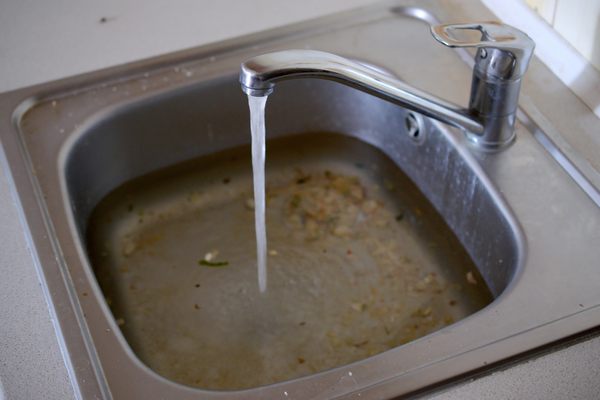
Image Source: www.applewoodfixit.com
How To Keep Kitchen Drain Clean & Odor Free
Can you keep your kitchen drain clean and smelling fresh? Yes, you absolutely can! Regularly cleaning your kitchen sink and using simple, natural methods can prevent clogs and keep unpleasant odors at bay. This guide will walk you through everything you need to know to maintain a sparkling clean and odor-free kitchen drain.
The Importance of a Clean Kitchen Drain
Your kitchen sink is a hub of activity, handling everything from dirty dishes to food scraps. Over time, grease, food particles, soap scum, and hair can build up, creating blockages and releasing foul smells. Neglecting your kitchen drain can lead to slow draining, unpleasant odors, and even costly plumbing issues. Proper kitchen plumbing care isn’t just about aesthetics; it’s about preventing bigger problems down the line.
Common Culprits Behind Kitchen Sink Clogs and Odors
Several things commonly contribute to a blocked or smelly kitchen drain:
- Grease and Oil: When hot grease or oil is poured down the drain, it cools and solidifies, coating the pipes. This is a major cause of kitchen sink clogs.
- Food Scraps: Small pieces of food, coffee grounds, eggshells, and vegetable peels can get lodged in the pipes.
- Soap Scum: Over time, soap residue can combine with grease and other debris to form a sticky buildup.
- Hair: While more common in bathroom drains, hair can still find its way into the kitchen sink and contribute to blockages.
- Foreign Objects: Accidentally dropping small items like bottle caps or utensils can cause immediate blockages.
Everyday Habits for a Healthy Kitchen Drain
Preventing problems is always better than fixing them. Incorporating these simple habits into your daily routine can significantly help you prevent kitchen sink clogs and keep your drain smelling fresh.
Daily Practices:
- Scrape Plates Thoroughly: Before rinsing dishes, scrape all food scraps into the trash or compost bin.
- Avoid Pouring Grease Down the Drain: Never pour cooking oil, grease, or fat down the sink. Let it cool, then wipe it up with a paper towel and discard it in the trash. For larger amounts, store it in a container and dispose of it when it’s solid.
- Use a Sink Strainer: A good quality sink strainer will catch food particles and debris, preventing them from entering the pipes. Empty the strainer into the trash regularly.
- Run Cold Water: When using the garbage disposal, always run cold water. This helps solidify any grease, allowing the disposal to break it down and flush it away more effectively. Hot water can liquefy grease, allowing it to travel further down the pipes before solidifying.
Weekly Maintenance:
- Boiling Water Drain Cleaning: Once a week, pour a kettle full of boiling water down the drain. This helps melt away any grease and soap scum buildup. Be cautious if you have PVC pipes, as excessive heat can damage them; let the water cool slightly if concerned.
- Baking Soda and Vinegar Drain Treatment: This classic DIY drain cleaning method is excellent for deodorizing and clearing minor blockages.
- Pour about half a cup of baking soda down the drain.
- Follow it with about half a cup of white vinegar.
- You’ll see a fizzing reaction. Cover the drain immediately with a stopper or cloth to direct the action downwards.
- Let it sit for about 15-30 minutes.
- Flush with hot water. This natural drain cleaner is safe and effective.
- Clean the Sink Basin: Use your preferred kitchen cleaner or a paste of baking soda and water to scrub the sink basin. This helps remove any residue that might contribute to odors.
Deep Cleaning and Unclogging Methods
When preventative measures aren’t enough, or you notice slow draining, it’s time for deeper cleaning or unclogging.
DIY Drain Cleaning Techniques:
There are several effective DIY drain cleaning methods you can use to tackle tougher clogs or stubborn odors.
- Plunger Power: A sink plunger can be very effective for dislodging blockages.
- Ensure there’s enough water in the sink to cover the plunger cup.
- Create a tight seal by placing the plunger over the drain opening.
- Pump the plunger up and down vigorously for about 20-30 seconds.
- Pull the plunger away quickly to break the seal.
- Repeat if necessary. If you have a double sink, block the other drain opening with a wet cloth to ensure maximum suction.
- The Drain Snake (Auger): For more stubborn clogs, a drain snake is a great tool.
- Feed the snake into the drain until you meet resistance.
- Turn the handle to break up or hook onto the clog.
- Slowly pull the snake back out, removing any debris.
- Salt and Baking Soda: Another natural approach.
- Mix 1/2 cup of salt with 1/2 cup of baking soda.
- Pour the mixture down the drain.
- Let it sit for several hours or overnight.
- Flush with boiling water. This method helps to break down grease and grime.
- Using Dish Soap: For greasy clogs, dish soap can help.
- Pour a generous amount of liquid dish soap down the drain.
- Follow with boiling water. The soap can help lubricate the grease, allowing the hot water to flush it away.
When to Call a Plumber
While DIY methods are often effective, sometimes the problem is more severe. You should consider calling a professional plumber if:
- Multiple Drains Are Clogged: This could indicate a blockage further down your main sewer line.
- DIY Methods Fail: If plungers, snakes, or natural cleaners don’t resolve the issue.
- Foul Odors Persist: Despite your cleaning efforts, persistent odors might signal a deeper problem like a sewer gas leak or a failing grease trap.
- Water Backs Up: If water backs up in other drains when you run the sink, it points to a significant blockage.
Special Considerations for Kitchen Plumbing Care
Beyond general cleaning, certain aspects of kitchen plumbing require specific attention.
Grease Trap Maintenance
If you have a commercial kitchen or even certain residential setups, you might have a grease trap. Grease traps are designed to intercept fats, oils, and grease (FOG) before they enter the municipal sewer system. Proper grease trap maintenance is crucial to prevent backups and significant plumbing headaches.
- Regular Cleaning: Grease traps need to be cleaned out regularly. The frequency depends on the size of the trap and the volume of FOG it collects. This usually involves removing the accumulated FOG and solids.
- Professional Service: For most grease traps, especially larger ones, professional cleaning is recommended. They have the specialized equipment and expertise to handle this task safely and effectively.
- Inspection: Periodically inspect your grease trap for any signs of damage or leaks.
Preventing Kitchen Sink Clogs: A Proactive Approach
The best way to deal with kitchen sink clogs is to prevent them from happening in the first place.
- Educate Your Household: Make sure everyone in your home knows what should and should not go down the kitchen drain.
- Use Strainers Consistently: Ensure strainers are in place and emptied.
- Regular Flush-Throughs: Even without obvious clogs, periodic flush-throughs with boiling water or the baking soda and vinegar mixture can keep pipes clear.
- Garbage Disposal Best Practices:
- Never put fibrous materials like celery stalks, corn husks, or artichokes down the disposal.
- Avoid putting large amounts of starchy foods like potato peels or pasta.
- Don’t put bones or hard pits down the disposal.
- Run cold water continuously while using the disposal and for a short time after.
Deodorizing Your Kitchen Drain
Sometimes, even without a full clog, your kitchen drain can emit unpleasant odors. These smells are often caused by bacteria and mold growing on the residue stuck to the inside of your pipes.
Natural Drain Deodorizer Options:
- Baking Soda and Vinegar: As mentioned, this is a fantastic natural drain deodorizer. The fizzing action helps lift away odor-causing particles.
- Citrus Peels: Running citrus peels (lemon, orange, grapefruit) through your garbage disposal can leave a fresh scent.
- Boiling Water with Lemon Juice: Add a few tablespoons of lemon juice to a kettle of boiling water. Pouring this down the drain can neutralize odors and leave a pleasant citrus scent.
- Enzyme Drain Cleaners: These use natural enzymes to break down organic matter, including the source of odors. They are a safe alternative to harsh chemical cleaners. Look for products specifically designed for kitchen drains.
What Not to Do
Some common “solutions” can actually harm your pipes or the environment.
- Harsh Chemical Drain Cleaners: While they can sometimes clear clogs, these chemicals are corrosive. They can damage pipes, especially older ones, and are harmful to the environment and your health. The fumes can also be toxic.
- Hot Water for Grease (Always): As previously noted, hot water can liquefy grease only to have it re-solidify further down the pipe, creating a more stubborn clog.
Troubleshooting Common Kitchen Sink Issues
Here’s a quick guide to common problems and solutions:
| Problem | Likely Cause | Solution |
|---|---|---|
| Slow Draining | Minor buildup of grease, food, soap scum | Boiling water flush, baking soda & vinegar, plunger |
| Complete Blockage | Significant clog of grease, food, or debris | Plunger, drain snake, professional plumber |
| Unpleasant Odors | Bacteria and mold on pipe residue | Baking soda & vinegar, boiling water with lemon, enzyme cleaners |
| Gurgling Sound | Air trapped by a partial blockage | Clear the clog using methods above |
| Garbage Disposal Not Working | Jammed motor, tripped reset button, clog | Check reset button, use disposal wrench, run cold water and turn breaker back on |
Frequently Asked Questions (FAQ)
Q: How often should I clean my kitchen drain?
A: Aim for a weekly maintenance clean with boiling water and the baking soda and vinegar treatment. More intensive cleaning or unclogging depends on your usage and habits.
Q: Can I use bleach to clean my kitchen drain?
A: It’s generally not recommended. Bleach is harsh and can damage pipes over time. It’s also not very effective at breaking down grease, a primary cause of clogs. Natural methods are safer and often more effective for deodorizing and preventing clogs.
Q: What is the best natural drain cleaner?
A: Baking soda and vinegar is a highly effective and widely recommended natural drain cleaner. Its effervescent reaction helps to loosen debris and neutralize odors.
Q: My garbage disposal smells, what can I do?
A: Try running citrus peels through it with cold water. A baking soda and vinegar flush can also help. For persistent odors, check for any trapped food particles and ensure you’re always using cold water when operating it.
Q: How do I prevent kitchen sink clogs when I have a lot of greasy waste?
A: The most crucial step is to never pour grease, oils, or fats down the drain. Wipe greasy pans with paper towels before washing, and collect grease in a container for disposal in the trash.
By adopting these preventative measures and knowing how to address issues when they arise, you can ensure your kitchen drain remains clean, odor-free, and functioning smoothly for years to come. Consistent kitchen plumbing care is key to avoiding costly repairs and maintaining a healthy home environment.