
A high-quality kitchen sink can range from $100 to over $1,000, with the average cost landing somewhere in the mid-$300s. So, why do these essential kitchen fixtures command such prices? The primary reasons are sink material, brand reputation, added features, and the complexity of installation.
The kitchen sink is more than just a place to wash dishes; it’s a central hub for daily life. From food preparation to handwashing and cleaning, it endures constant use. This makes its construction and design crucial, and these factors directly influence its price. Let’s delve into the various elements that contribute to the cost of a kitchen sink.
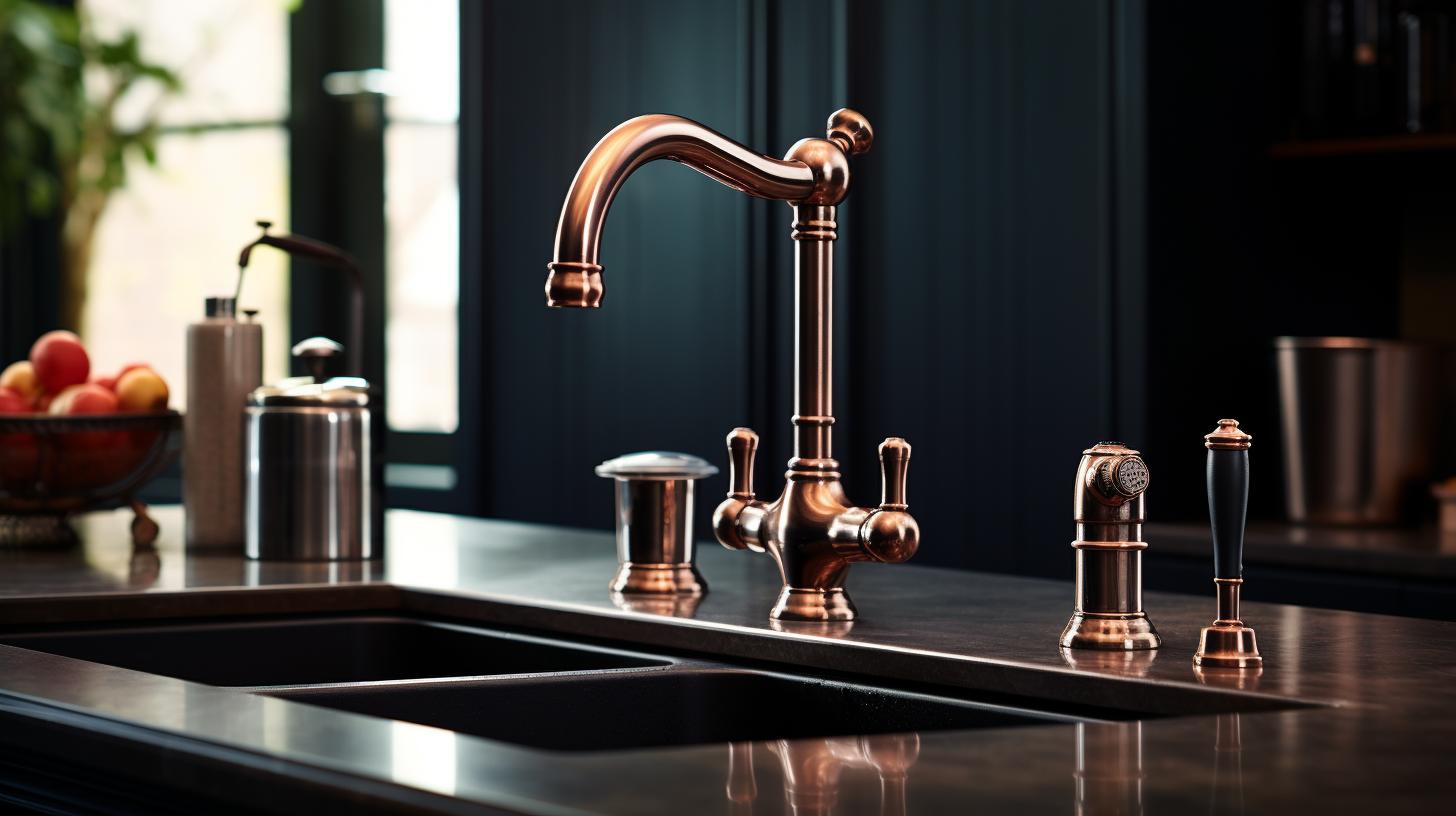
Image Source: www.aleashafaucet.com
The Foundation: Sink Material Impact on Cost
The material used to craft a kitchen sink is perhaps the most significant determinant of its price. Different materials offer varying levels of durability, aesthetics, heat resistance, and ease of maintenance, all of which are reflected in their cost.
Stainless Steel Sink Price
Stainless steel remains a perennial favorite for kitchen sinks due to its durability, resistance to corrosion, and relatively affordable price point. However, not all stainless steel sinks are created equal, and several factors within this category influence the stainless steel sink price.
- Gauge: This refers to the thickness of the stainless steel. A lower gauge number indicates thicker steel, which is more durable, dent-resistant, and generally quieter. Common gauges for kitchen sinks range from 18 to 23. Sinks with lower gauges (e.g., 16 or 18 gauge) will naturally cost more than those with higher gauges (e.g., 20 or 23 gauge). Thicker steel provides a more substantial feel and better sound dampening.
- Type of Stainless Steel: The most common type is 304 stainless steel, which is an alloy containing at least 18% chromium and 8% nickel. This composition offers excellent corrosion resistance and a lustrous appearance. While 304 is the industry standard for quality, some lower-cost sinks might use variations with less nickel or chromium, impacting both price and long-term performance.
- Finish: Stainless steel sinks come in various finishes, from brushed and satin to polished. Brushed finishes tend to hide scratches better and are often preferred for their practical appeal, but the complexity of achieving a uniform brushed finish can sometimes add to the cost. Highly polished finishes can be more prone to showing water spots and scratches.
- Construction Method: Seamless, welded construction is generally more durable and watertight than sinks with multiple seams.
Table 1: Stainless Steel Sink Price Range by Gauge
| Gauge | Typical Price Range (USD) | Characteristics |
|---|---|---|
| 20 | $100 – $250 | Thinner, more prone to denting, louder, less expensive. |
| 18 | $150 – $350 | Good balance of durability and price. |
| 16 | $250 – $500+ | Thicker, highly durable, dent and scratch resistant. |
Granite Composite Sink Expense
Granite composite sinks are made from a blend of crushed granite (or quartz) and acrylic resins. This fusion creates a remarkably durable, non-porous, and aesthetically pleasing sink. The granite composite sink expense is higher than many stainless steel options due to the manufacturing process and the inherent qualities of the materials.
- Material Composition: The higher the percentage of natural stone (granite or quartz) in the composite, the more robust and premium the sink will be. These sinks typically contain 80% or more stone particles.
- Manufacturing Process: Creating granite composite sinks involves high pressure and heat to fuse the stone particles with resin. This energy-intensive process contributes to their cost.
- Durability and Properties: Granite composite sinks are known for their resistance to scratches, chips, stains, and heat. These desirable qualities come at a premium. They are also generally quieter than stainless steel sinks, as the composite material absorbs sound better.
- Color and Finish: The coloration of granite composite sinks is achieved by incorporating pigments into the material. This allows for a wide range of color options, from black and white to granite-like patterns, which can influence the final price depending on the complexity of the color formulation.
Fireclay Sink Pricing
Fireclay sinks are crafted from a blend of clay and glaze fired at extremely high temperatures. This process vitrifies the clay, making it incredibly hard, durable, and non-porous. The fireclay sink pricing reflects the labor-intensive manufacturing and the high-quality, natural materials used.
- Manufacturing Complexity: Each fireclay sink is individually molded and then fired in a kiln for an extended period. This process requires skilled craftsmanship and significant energy, driving up production costs.
- Durability and Aesthetics: Fireclay offers excellent resistance to chips, cracks, stains, and scratches. They also possess a smooth, glossy, and timeless aesthetic that many homeowners find appealing, contributing to their higher price point.
- Weight: Fireclay sinks are generally heavier than stainless steel or composite sinks, which can sometimes translate to slightly higher shipping costs, though this is usually a minor factor in the overall expense.
- Design Variations: While many fireclay sinks have a classic apron-front design, variations in depth, bowl configurations, and decorative edges can also influence the final price.
Cast Iron Sink Cost
Cast iron sinks are made by pouring molten iron into a mold and then coating it with a thick layer of enamel. This results in a very substantial and durable sink. The cast iron sink cost is influenced by the weight of the material and the extensive enameling process.
- Material Weight and Handling: Cast iron is heavy, making it more expensive to transport and handle during manufacturing and installation.
- Enameling Process: The enamel coating is crucial for both the sink’s appearance and its resistance to stains and acids. Applying this thick, even coating is a multi-step process that adds to the labor and material costs.
- Durability: When properly cared for, cast iron sinks are incredibly long-lasting. The enamel can chip if subjected to extreme impact, but the underlying iron is exceptionally robust.
- Design: Many cast iron sinks feature ornate designs, especially apron-front models, which require more intricate mold work and finishing, further increasing their cost.
Copper Sink Pricing
Copper sinks are prized for their unique aesthetic appeal, antimicrobial properties, and the distinctive patina they develop over time. The copper sink pricing is significantly higher than most other sink materials due to the inherent value of the metal and the specialized crafting involved.
- Material Cost: Copper is a precious metal, and its market price directly impacts the cost of copper sinks.
- Craftsmanship: Many copper sinks are handcrafted by skilled artisans, often using traditional techniques like hand-hammering. This labor-intensive process, which creates unique textures and designs, adds considerably to the price.
- Thickness and Gauge: Similar to stainless steel, the thickness of the copper used affects the price. Thicker gauge copper is more durable and expensive.
- Finish and Patina: Copper sinks are often sold with different finishes. Some are polished to a bright shine, while others are treated to accelerate the natural patina process, which gives them their characteristic aged look. Achieving specific finishes can add to the cost.
- Antimicrobial Properties: Copper naturally inhibits the growth of bacteria, a valuable functional benefit that contributes to its premium positioning.
Sink Features and Price: Beyond the Basics
While the material is a primary driver of cost, the specific features and design elements of a kitchen sink can also significantly impact its price.
Sink Features and Price: Adding Value and Cost
- Number of Bowls: Single-bowl sinks are generally less expensive than double-bowl sinks, as they require less material and simpler manufacturing. Deeper or wider bowls within a material type will also cost more.
- Bowl Configuration: Sinks with different bowl depths or sizes (e.g., a large main basin paired with a smaller prep basin) can be more expensive due to the complexity of their design and manufacturing.
- Drainboard: Integrated drainboards, which provide a sloped surface for drying dishes, add material and manufacturing complexity, thus increasing the price.
- Sound Dampening: Many higher-end sinks, particularly stainless steel ones, feature sound-dampening pads or undercoating to reduce noise from running water and dropped dishes. This feature adds to the cost.
- Pre-drilled Holes: Sinks with pre-drilled holes for faucets, soap dispensers, or sprayers are convenient but require precise drilling during manufacturing, which can influence the price. The number and placement of these holes can also be a factor.
- Customization and Unique Designs: Sinks with unique shapes, custom dimensions, or intricate decorative elements (like hand-hammered textures on copper sinks) will command higher prices due to the specialized labor and design involved.
- Integrated Accessories: Some sinks come with integrated cutting boards, colanders, or drying racks that fit perfectly into the sink basin. These additions increase the overall value and price.
Brand Reputation and Sink Price
The manufacturer’s reputation plays a considerable role in the pricing of kitchen sinks. Established brands often invest heavily in research and development, quality control, marketing, and customer service.
Brand Reputation and Sink Price: Trust and Quality
- Perceived Quality: Well-known brands have built a reputation for producing high-quality, durable, and aesthetically pleasing sinks. Consumers are often willing to pay a premium for this perceived reliability and superior craftsmanship.
- Warranty and Support: Many premium brands offer extended warranties and robust customer support, which adds to the overall value proposition and can justify a higher price.
- Innovation: Brands that consistently innovate with new materials, designs, or features can also command higher prices for their cutting-edge products.
- Marketing and Distribution: The costs associated with marketing, advertising, and maintaining a wide distribution network are often factored into the pricing of products from established brands.
Installation Costs for Kitchen Sinks: The Hidden Expense
While the sink itself has a price tag, the installation costs for kitchen sinks can add a significant amount to the total project budget. These costs can vary widely depending on the complexity of the installation and the labor rates in your area.
Installation Factors and Expenses
- Plumber’s Labor: Hiring a professional plumber is usually necessary for a proper and leak-free installation. Plumbers charge by the hour, and the time required depends on the type of sink, the existing plumbing, and any necessary modifications.
- Sink Type and Mounting:
- Top-mount (Drop-in) sinks: These are generally the easiest and least expensive to install, as they simply drop into a pre-cut hole in the countertop and are secured from below.
- Undermount sinks: These are installed beneath the countertop, providing a seamless look. This requires a precise cut in the countertop and more intricate sealing and securing, making them more labor-intensive and thus more expensive to install.
- Apron-front (Farmhouse) sinks: These are often the most challenging and expensive to install. They require specialized cabinetry support and precise cutouts in the countertop and cabinetry, often involving custom carpentry.
- Countertop Material: Installing a sink into a granite, quartz, or solid surface countertop requires specific tools and expertise compared to laminate or wood. The type of countertop material can influence the installation cost.
- Plumbing Modifications: If the existing plumbing needs to be altered, extended, or replaced to accommodate the new sink or faucet, this will add to the labor costs.
- Disposal Installation: If a garbage disposal is being installed or replaced, this adds an extra layer of plumbing and electrical work, increasing the overall installation expense.
- Removal of Old Sink: The cost of removing and disposing of the old sink can also be a factor.
Frequently Asked Questions (FAQ)
Q1: Can I install a kitchen sink myself?
While it’s possible for DIY enthusiasts to install a simple top-mount sink, it’s generally recommended to hire a professional plumber. Incorrect installation can lead to leaks, water damage, and costly repairs. Undermount and apron-front sinks require specialized skills and tools that most homeowners do not possess.
Q2: What is the most durable kitchen sink material?
While all high-quality sink materials are durable, materials like stainless steel (especially lower gauges), granite composite, and fireclay are generally considered among the most durable for everyday kitchen use, offering excellent resistance to scratches, stains, and heat. Cast iron is also very durable but can chip if subjected to severe impact. Copper, while durable in terms of metal integrity, will naturally develop a patina and can dent.
Q3: Are more expensive sinks always better?
Not necessarily. While higher prices often correlate with better materials, craftsmanship, and brand reputation, you can find excellent value in mid-range sinks. It’s important to consider your specific needs, budget, and the factors discussed above rather than solely focusing on the most expensive option.
Q4: How much does it typically cost to replace a kitchen sink?
The cost to replace a kitchen sink can range from $300 to $1,000 or more, depending on the type of sink being installed, the complexity of the plumbing, and the labor rates in your area. This includes the cost of the sink itself and the installation labor.
Q5: What are the pros and cons of a stainless steel sink?
Pros: Durable, resistant to corrosion and heat, affordable, easy to clean, available in many styles and sizes.
Cons: Can scratch and dent (especially thinner gauges), can be noisy without sound dampening features, water spots can be visible.
Q6: What are the pros and cons of a granite composite sink?
Pros: Highly durable, resistant to scratches, chips, stains, and heat; non-porous; available in various colors; good sound absorption.
Cons: More expensive than stainless steel, can chip if subjected to extreme impact (though rare), heavier than stainless steel.
Q7: Why are farmhouse sinks so expensive?
Farmhouse or apron-front sinks are more expensive due to their design and installation complexity. They require specialized cabinetry, precise countertop cutouts, and more labor to install correctly, increasing the overall cost beyond just the sink’s material and manufacturing.
In conclusion, the cost of a kitchen sink is a multifaceted equation. From the raw materials and intricate manufacturing processes to the added features, brand prestige, and the professional labor required for installation, each element contributes to the final price. By understanding these kitchen sink cost factors, consumers can make informed decisions and select a sink that best balances their aesthetic preferences, functional needs, and budget.