
Does your kitchen sink sometimes emit a pungent, rotten egg smell? This unpleasant odor is often a sign of hydrogen sulfide, a gas produced by the breakdown of organic matter. If you’re wondering what is causing this issue and can I fix it myself, the answer is usually yes, there are several common culprits and straightforward solutions you can implement.
This pervasive sulfur smell can be quite disconcerting, turning a pleasant kitchen into a less-than-inviting space. Fortunately, most sources of this odor are fixable without needing to call in a professional plumber immediately. We’ll delve into the most frequent reasons your kitchen sink might be reeking of rotten eggs and provide step-by-step guides to help you banish the smell for good.
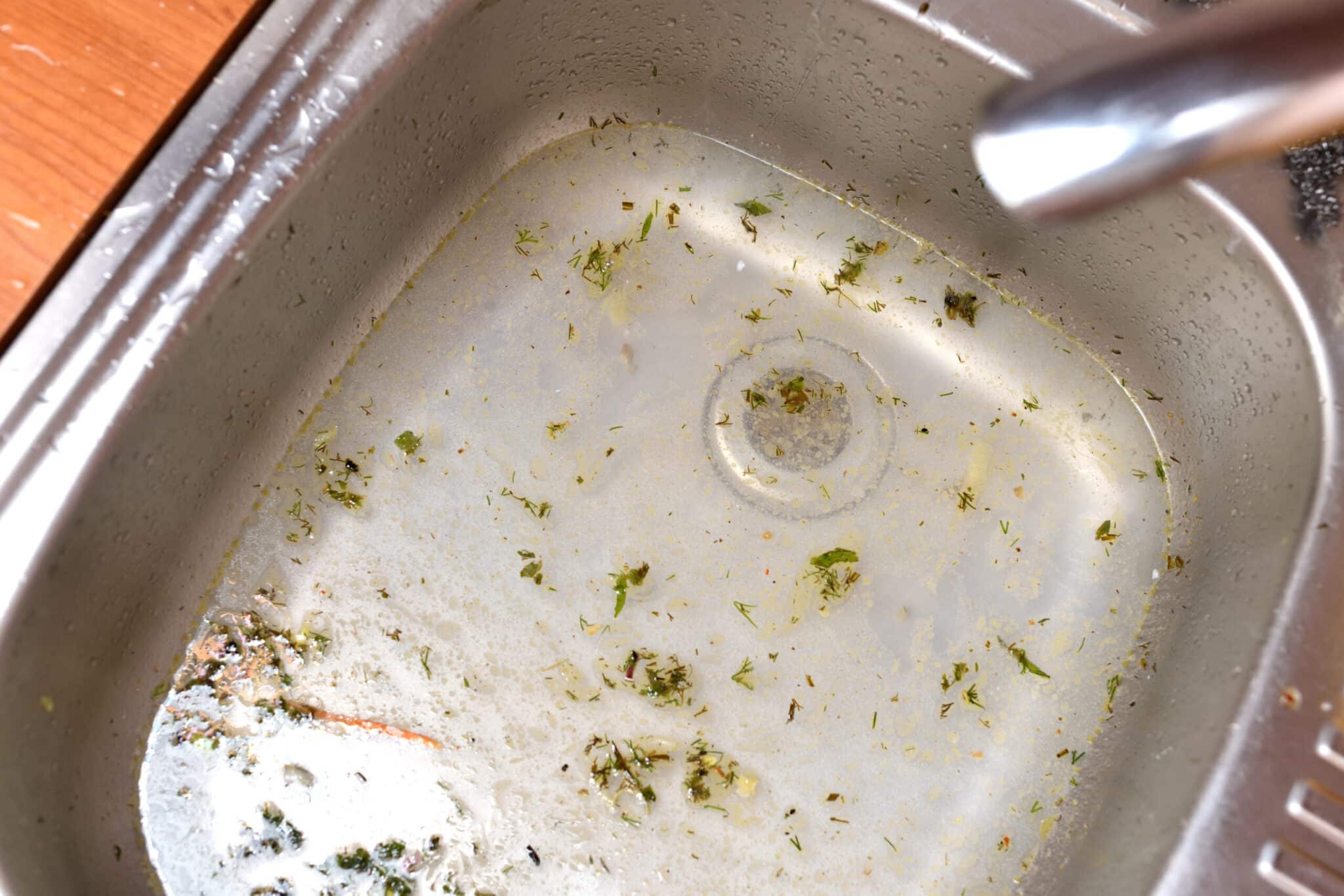
Image Source: callfourseasons.com
Fathoming the Foul Odor: Common Causes
The distinct smell of rotten eggs, chemically known as hydrogen sulfide, arises from the decomposition of sulfur-containing compounds. In the context of your kitchen sink, this often points to issues within your plumbing system, specifically where organic waste material accumulates. Let’s explore the primary reasons behind this unpleasant aroma.
The Role of Anaerobic Bacteria
At the heart of the rotten egg smell is the activity of anaerobic bacteria. These are tiny organisms that thrive in environments lacking oxygen. In your drains, they find a perfect habitat within the accumulated food scraps, grease, and other organic debris. When these bacteria break down sulfur-containing organic matter in an oxygen-deprived environment, they release hydrogen sulfide gas. This gas is what you smell.
The Unseen Culprits in Your Drains
- Food Scraps and Grease Buildup: Every time you rinse dishes, small particles of food, oils, and grease go down the drain. While the water washes some of it away, much of it clings to the inside of the pipes. This organic matter becomes a feast for anaerobic bacteria, leading to hydrogen sulfide production.
- Biofilm Formation: Over time, a slimy layer called biofilm can form on the interior surfaces of your pipes. This biofilm is a sticky matrix where bacteria, including the anaerobic bacteria responsible for the rotten egg smell, can colonize and multiply.
When the Sink Becomes a Stinky Situation
Let’s break down the specific plumbing elements that can contribute to this odor:
The Garbage Disposal’s Hidden Grime
Your garbage disposal, while a convenient kitchen tool, can easily become a breeding ground for odor-causing bacteria.
- Trapped Food Particles: Even with regular use, small bits of food can get lodged in the disposal’s grinding chamber and blades. These trapped particles, especially those high in sulfur content (like egg yolks, onions, garlic, and cruciferous vegetables), start to decompose.
- Grease and Oil Accumulation: Pouring grease or oily substances down the disposal is a sure way to create a problem. Grease coats the interior surfaces and traps food particles, creating an ideal environment for anaerobic bacteria.
- Lack of Proper Cleaning: Many people use their garbage disposal without regularly cleaning it thoroughly. This allows a buildup of gunk over time, which inevitably leads to smells.
The Silent Guardian: The P-Trap’s Purpose
The curved pipe beneath your sink, known as the P-trap, serves a crucial purpose. It holds a small amount of water, creating a barrier that prevents sewer gas from entering your home.
- Evaporation: If the sink isn’t used frequently, the water in the P-trap can evaporate. This breaks the seal, allowing foul-smelling gases from the sewer system, which may contain hydrogen sulfide, to escape into your kitchen.
- Improper Installation: An incorrectly installed P-trap might not hold water effectively, leading to a constant issue with escaping sewer gases.
- Blockages: If the P-trap becomes partially or fully blocked with debris, water can get trapped or stagnate, creating an environment where anaerobic bacteria can thrive and produce odors.
The Mystery of the Clogged Drain
A clogged drain is a direct pathway for odors to surface.
- Water Stagnation: When a drain is clogged, water sits and becomes stagnant. This stagnant water provides a perfect incubator for anaerobic bacteria to multiply and release hydrogen sulfide.
- Trapped Debris: The clog itself is composed of accumulated waste. This material decomposes, and the trapped gases have nowhere to go but up, typically through the drain opening.
- Sewer Gas Intrusion: In severe clogs, the blockage can disrupt the water seal in the P-trap, allowing sewer gas to enter your home.
Beyond the Sink: Other Potential Sources
Sometimes, the problem isn’t solely confined to your immediate sink drain.
- The Septic System (If Applicable): For homes not connected to a municipal sewer system, a septic system is responsible for wastewater treatment. Issues within the septic tank or its leach field can lead to sewer gas backing up into the plumbing, including your kitchen sink. Problems like an overloaded tank or a clogged leach field can cause odors.
- Well Water Issues: If your home uses well water, the water itself might contain sulfur. This is often due to the presence of sulfur-reducing bacteria in the groundwater. When this water comes into contact with air or passes through your plumbing, it can release the characteristic rotten egg smell, even if there are no plumbing blockages or bacterial colonies in your drains.
- Cracked or Leaking Pipes: Though less common, a crack or leak in a drain pipe, especially one beneath the house, could allow sewer gas or decomposing waste odors to seep into your living space.
Tackling the Stench: Practical Fixes
Now that we’ve identified the likely causes, let’s explore effective solutions to eliminate that rotten egg smell from your kitchen sink.
Routine Maintenance for a Fresh Sink
Prevention is always better than cure. Regular cleaning and maintenance can keep anaerobic bacteria at bay and prevent blockages.
Cleaning Your Garbage Disposal
A clean disposal is a stink-free disposal.
Method 1: Ice and Salt Scrub
- Fill with Ice: Fill the garbage disposal with ice cubes.
- Add Salt: Sprinkle about half a cup of coarse salt (like rock salt or kosher salt) over the ice.
- Run the Disposal: Turn on the cold water and run the garbage disposal until the ice and salt are completely ground up. The ice helps to dislodge debris, and the salt acts as a mild abrasive and disinfectant.
- Rinse: Flush with plenty of cold water.
Method 2: Vinegar and Baking Soda
- Baking Soda: Pour about half a cup of baking soda directly into the disposal.
- Vinegar: Slowly pour about a cup of white vinegar over the baking soda. It will fizz.
- Let it Sit: Let the mixture sit for 10-15 minutes to allow it to break down grime.
- Rinse: Run cold water and turn on the disposal to clear everything out.
Method 3: Citrus Peels
- Grind Peels: After grinding your food scraps, grind up some citrus peels (lemon, lime, orange).
- Fresh Scent: This helps to neutralize odors and leaves a pleasant citrus scent.
Clearing Out Your Drains
Addressing minor buildups before they become major problems is key.
Solution 1: Boiling Water Flush
- Boil Water: Boil a kettle or pot of water.
- Pour Slowly: Carefully pour the boiling water directly down the drain.
- Repeat: Repeat this process a few times. The hot water helps to melt grease and loosen minor buildup. Be cautious if you have PVC pipes, as excessively hot water could potentially damage them over time; let the water cool slightly if you’re unsure.
Solution 2: Baking Soda and Vinegar
This classic combination is effective for deodorizing and clearing minor clogs.
- Baking Soda: Pour about half a cup of baking soda down the drain.
- Vinegar: Follow with about a cup of white vinegar.
- Cover: Cover the drain opening with a plug or cloth to keep the reaction contained within the pipes.
- Wait: Let it sit for at least 30 minutes, or even longer for tougher odors.
- Flush: Flush with hot water.
Checking the P-Trap
The P-trap is a common hiding spot for trouble.
- Locate: Find the U-shaped pipe under your sink.
- Bucket: Place a bucket directly underneath the P-trap to catch any water or debris.
- Unscrew: Most P-traps have hand-tightened or slip-nut connections. Carefully unscrew the nuts holding the trap in place.
- Clean: Remove the trap and empty its contents into the bucket. Clean the inside of the trap with a brush and hot, soapy water. Pay attention to any visible buildup or slime.
- Inspect: Check the pipe ends for any blockages.
- Reassemble: Reattach the P-trap, ensuring the seals are properly seated. Tighten the nuts by hand.
- Test: Run water down the sink to check for leaks and ensure the trap fills with water.
Dealing with Stubborn Odors and Clogs
If routine maintenance doesn’t solve the problem, you might need to step up your efforts.
When a Clogged Drain Needs More
For a more significant clogged drain, you might need a bit more power.
- Plunger: A sink plunger can create suction to dislodge minor clogs. Ensure a good seal around the drain opening and plunge vigorously. If you have a double sink, block the other drain opening with a wet cloth.
- Drain Snake (Auger): For tougher clogs, a drain snake is invaluable.
- Insert: Feed the snake into the drain until you meet resistance (the clog).
- Crank: Turn the crank handle to break up or hook the blockage.
- Retrieve: Slowly pull the snake back out, cleaning off any debris.
- Flush: Run plenty of hot water to clear the drain.
Chemical Drain Cleaners: Use with Caution
While readily available, chemical drain cleaner products should be a last resort, especially for the rotten egg smell.
- Why Caution is Needed: Many chemical drain cleaners are harsh and can damage pipes (especially older ones or PVC). They can also be harmful if they don’t clear the clog and you later attempt to snake the drain or use another method, as they can splash back.
- If You Must Use Them: Always follow the product instructions exactly. Ensure good ventilation, wear gloves and eye protection, and never mix different chemical cleaners. Opt for enzyme-based cleaners if possible, as they are generally gentler and work by breaking down organic matter.
Addressing Specific Issues
Handling Well Water Odors
If your well water is the culprit, the smell is likely in the water itself.
- Water Testing: Have your well water tested for sulfur content and the presence of sulfur-reducing bacteria.
- Filtration Systems: Installing a whole-house water filtration system designed to remove sulfur can be the most effective long-term solution. Aeration systems can also help oxidize sulfur compounds, making them easier to filter out.
- Shock Chlorination: In some cases, shock chlorinating the well might temporarily resolve bacterial issues, but this is a more involved process and often requires professional guidance.
Septic System Considerations
If you suspect your septic system is the source:
- Regular Pumping: Ensure your septic tank is pumped regularly (typically every 3-5 years, depending on household size and usage).
- Professional Inspection: If odors persist or you suspect a septic issue, call a qualified septic service professional for inspection and potential repairs.
When to Call a Professional
While many sink smells are DIY fixes, sometimes you need expert help.
- Persistent Odors: If you’ve tried all the above methods and the rotten egg smell continues to be a problem, it’s time to call a plumber.
- Frequent Clogs: If your drains are constantly clogging, it may indicate a more significant issue with your plumbing system or a blocked sewer line.
- Suspected Pipe Damage: If you suspect cracked or leaking pipes, a professional can diagnose and repair the damage.
- Uncertainty: If you’re uncomfortable performing any of these DIY fixes, don’t hesitate to contact a qualified plumber. They have the tools and expertise to quickly identify and resolve the issue.
Frequently Asked Questions (FAQ)
Can I pour bleach down my kitchen sink to get rid of the smell?
While bleach can kill bacteria and temporarily mask odors, it’s generally not the best long-term solution for the rotten egg smell. Bleach is a harsh chemical that can damage pipes, especially older ones, and it doesn’t effectively break down the organic sludge where anaerobic bacteria thrive. Furthermore, mixing bleach with other cleaning agents (like vinegar or ammonia) can create toxic fumes. For a rotten egg smell, enzyme-based cleaners or natural methods like baking soda and vinegar are often more effective and safer for your plumbing.
How often should I clean my garbage disposal?
It’s a good idea to give your garbage disposal a good cleaning at least once a month. More frequent cleaning might be necessary if you notice any slight odors or if you tend to put a lot of potentially odor-causing food scraps down it. Regular cleaning, using methods like ice and salt or baking soda and vinegar, will help prevent the buildup of food particles and grease that leads to hydrogen sulfide production.
What foods are most likely to cause a rotten egg smell in my drain?
Foods that contain sulfur compounds are the primary culprits. These include:
- Eggs: Especially the yolks.
- Onions and Garlic: These alliums are high in sulfur.
- Cruciferous Vegetables: Broccoli, cauliflower, Brussels sprouts, cabbage, and kale.
- Dairy Products: Milk, cheese, and yogurt can also contribute.
- Meat and Fish: Especially if they start to spoil before being disposed of.
Rinsing these items down the drain, even in small quantities, can contribute to the organic matter that anaerobic bacteria feed on.
Is the smell of rotten eggs dangerous in my home?
While the smell of rotten eggs (hydrogen sulfide) is unpleasant, in the concentrations typically found in household drains, it is usually not acutely dangerous. However, very high concentrations of hydrogen sulfide can be harmful, causing respiratory irritation, headaches, and dizziness. If the smell is extremely strong and persistent, and you experience any of these symptoms, it’s wise to ventilate your home well and contact a professional to investigate the source. The primary concern is usually the discomfort and unpleasantness, but it’s always best to address the issue promptly.
My sink smells after using a drain cleaner, what should I do?
If you’ve used a chemical drain cleaner and the smell persists or seems worse, it could be that the cleaner didn’t fully clear the blockage, or it reacted with existing sludge to produce more odor. In this situation, avoid using any other chemicals. Try flushing the drain with plenty of hot water. If that doesn’t help, a drain snake or calling a plumber might be necessary to physically remove the blockage and any residual cleaner. Always ensure proper ventilation when using drain cleaners.
By following these steps and maintaining regular cleaning habits, you can effectively combat the unpleasant rotten egg smell and keep your kitchen sink fresh and inviting.