
A kitchen sink leak can be a frustrating and potentially damaging issue. The most common causes for a leaking kitchen sink include a dripping faucet, a leaky pipe, an under sink leak, a garbage disposal leak, water under sink, a damaged drain pipe, a loose faucet connection, a cracked sink basin, or a malfunctioning shut-off valve, all of which may require plumbing repair.
When you notice water where it shouldn’t be, the immediate reaction is often a mix of annoyance and worry. A small drip might seem minor, but left unaddressed, it can lead to bigger problems. Think water damage, mold growth, and even structural issues in your cabinets and flooring. So, what’s going on when your kitchen sink starts leaking? Let’s dive deep into the common culprits.
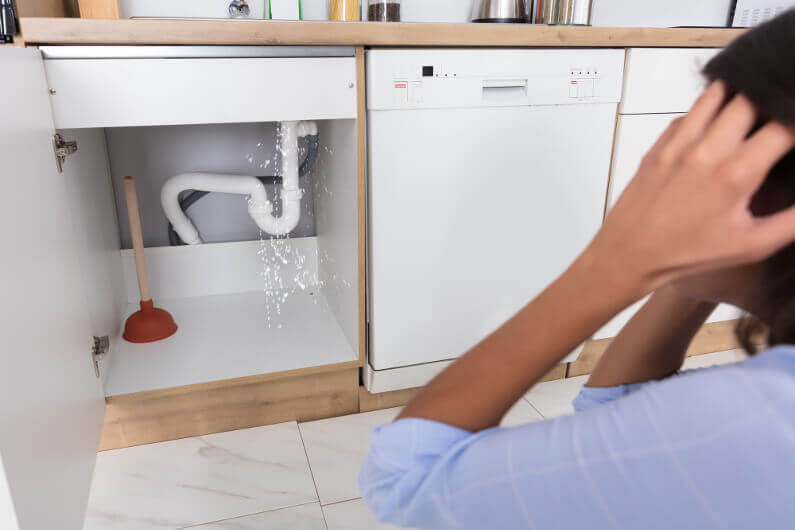
Image Source: royaltyplumbing.com
Tracing the Source: Finding the Leak
The first step in fixing a leaking kitchen sink is to pinpoint where the water is coming from. This might seem obvious, but leaks can be sneaky, traveling along pipes before dripping down.
The Elusive Dripping Faucet
A dripping faucet is one of the most common sources of a leaky sink. Even a slow drip can waste a surprising amount of water over time.
Common Faucet Issues
- Worn Washers or Seals: Inside your faucet, rubber washers and seals prevent water from escaping. Over time, these can wear out, crack, or harden, leading to drips from the spout or around the handle.
- Loose Cartridge: Modern faucets often use cartridges to control water flow and temperature. If the cartridge becomes loose or damaged, it can cause leaks.
- Corroded Valve Seat: The valve seat is where the faucet handle’s mechanism seals against the faucet body. If it corrodes or gets build-up, it won’t seal properly, resulting in a drip.
Diagnosing a Faucet Drip
- Observe the Spout: Is water consistently dripping from the end of the spout? This points to an internal faucet issue.
- Check the Handles: Do you see water seeping from around the base of the handles when the faucet is turned on or off? This could indicate a problem with the O-rings or seals around the handles.
The Silent Culprit: Leaky Pipes
Pipes are the arteries of your plumbing system, and when they leak, the consequences can be significant. A leaky pipe can manifest in various ways.
Types of Pipe Leaks
- Corrosion: Older metal pipes can corrode over time. This corrosion can create tiny holes or weak spots that eventually lead to leaks.
- Loose Fittings: Pipe joints are secured with fittings. If these fittings loosen due to vibrations, temperature changes, or improper installation, they can allow water to escape.
- Cracked Pipes: While less common, pipes can crack due to freezing temperatures, physical impact, or manufacturing defects.
Finding Leaky Pipes
- Visual Inspection: Carefully look at all visible pipes under your sink. Feel them with a dry paper towel; any dampness will indicate a leak.
- Listen Carefully: Sometimes, you can hear a faint hissing sound coming from a leaky pipe, especially if the leak is under pressure.
The Under Sink Menace: Under Sink Leaks
The area under sink leak is a prime suspect for kitchen sink leaks. This is where most of the plumbing connections converge, making it a busy hub for potential issues.
Common Under-Sink Leak Sources
- Drain Assembly: The P-trap, the curved pipe designed to prevent sewer gases from entering your home, and its connecting parts are frequent leak points. Washers and seals in the drain assembly can degrade.
- Supply Lines: The flexible hoses that connect your faucet to the water supply valves can develop cracks, splits, or loose connections.
- Faucet Connections: Where the supply lines connect to the faucet itself, there are seals and connections that can loosen or fail.
Investigating the Under-Sink Area
- Clear Everything Out: Remove all cleaning supplies and containers from under the sink to get a clear view.
- Dry the Area: Thoroughly dry the entire cabinet floor and all visible pipes and connections.
- Run the Water: Turn on the faucet and let it run for a minute. Observe closely for any drips or trickles appearing under the sink.
- Check Hot and Cold: Run both hot and cold water separately to see if the leak is specific to one supply line.
- Fill the Sink: Fill the sink basin with water and then let it drain. This tests the integrity of the drain pipes and seals.
The Garbage Disposal Gasket: Garbage Disposal Leak
If you have a garbage disposal, it’s another potential source of water under sink.
Garbage Disposal Leak Points
- Mounting Gasket: The seal between the garbage disposal unit and the sink flange can fail, allowing water to seep out.
- Housing Cracks: The plastic housing of the disposal can sometimes crack, especially if something heavy has been dropped into it.
- Plumbing Connections: The pipes connected to the disposal, including the drain pipe and dishwasher connection (if applicable), can also leak at their fittings.
Inspecting the Garbage Disposal
- Look for Water Around the Base: Check the bottom of the garbage disposal unit for any signs of water.
- Examine Connections: Ensure the pipes connecting to the disposal are tight and free from visible leaks.
The Damaged Drain Pipe Reality: Damaged Drain Pipe
The pipes that carry wastewater away from your sink are crucial. A damaged drain pipe can lead to slow drains and leaks.
Causes of Drain Pipe Damage
- Cracks or Splits: As mentioned with other pipes, drain pipes can crack due to age, impact, or freezing.
- Loose Connections: The joints where different sections of the drain pipe connect, especially those with rubber gaskets, can loosen over time.
- Blockages: Severe clogs can create excessive pressure in the drain pipes, potentially leading to leaks at weaker points.
Testing the Drain Pipes
- Drain Test: Fill the sink with a few inches of water and then let it drain completely. Watch the drain pipes underneath for any leaks as the water flows through.
- Strainer Check: Make sure the sink strainer and its gasket are properly seated and not leaking.
The Loose Faucet Connection Factor: Loose Faucet Connection
Sometimes, the simplest issues are the most overlooked. A loose faucet connection can be the culprit.
Where Connections Loosen
- Mounting Nuts: The nuts that secure the faucet to the sink or countertop can loosen from vibration or movement.
- Supply Line Fittings: The connections where the flexible supply lines attach to the faucet body can also become loose.
Tightening Connections
- Access the Underside: With a flashlight, examine where the faucet is attached to the sink. You’ll usually find mounting nuts that can be tightened with a wrench or specialized faucet tool.
- Check Supply Line Fittings: Ensure the fittings connecting the supply lines to the faucet are snug.
The Unseen Flaw: Cracked Sink Basin
While less common, a cracked sink basin can also cause leaks, especially if the crack is near the drain or a faucet mounting point.
Identifying a Cracked Basin
- Visual Inspection: Carefully examine the entire sink basin, both inside and out, for any visible cracks, especially around the drain or faucet holes.
- Feel for Roughness: Run your hand along the surface to feel for any irregularities that might indicate a hairline crack.
The Faulty Shut-Off Valve: Malfunctioning Shut-Off Valve
Every fixture connected to water supply should have a shut-off valve. A malfunctioning shut-off valve can be a source of leaks.
Why Valves Fail
- Worn Seals: Like faucet washers, the seals within the shut-off valve can wear out, causing drips around the handle or from the valve body.
- Corrosion: The metal components of the valve can corrode, leading to leaks.
- Loose Packing Nut: The nut around the valve stem can loosen, allowing water to seep out.
Testing Shut-Off Valves
- Observe the Valve: Check the shut-off valve itself, typically located behind the sink, for any signs of water.
- Tighten Gently: If you see a slight leak, try gently tightening the packing nut on the valve stem.
When to Call a Professional: Plumbing Repair
While some minor leaks can be fixed with a DIY approach, many require the expertise of a professional for proper plumbing repair.
DIY vs. Professional Repair
| Issue | DIY Potential | Professional Recommended For |
|---|---|---|
| Dripping Faucet (Washers) | High | If unfamiliar with faucet types or internal mechanisms. |
| Leaky Supply Lines | Medium | If connections are stubborn, or you’re unsure about tightening without overtightening. |
| Loose Faucet Connection | High | If access is difficult or if the faucet itself seems wobbly. |
| Under Sink Pipe Fittings | Medium | If leaks persist after tightening or if pipes appear corroded. |
| Garbage Disposal Leak | Low | Due to the electrical component and complex connections. |
| Damaged Drain Pipe | Low | Especially if the damage is significant or requires pipe replacement. |
| Cracked Sink Basin | Very Low | Usually requires sink replacement, a job for a plumber. |
| Malfunctioning Shut-Off Valve | Medium | If tightening doesn’t work or the valve seems seized. |
Signs You Need a Professional Plumber
- Persistent Leaks: If you’ve tried basic fixes and the leak continues, it’s time for expert help.
- Major Water Damage: If you notice significant water stains, mold growth, or rotting wood, call a plumber immediately.
- Uncertainty: If you’re not comfortable with any of the repair steps, it’s safer and often more effective to hire a professional.
- Complex Issues: Problems involving the main water supply, sewer lines, or extensive pipe damage are best left to the pros.
Preventing Future Leaks
Once your sink is fixed, take steps to prevent future problems.
Regular Maintenance Tips
- Check for Drips: Periodically check your faucet and pipes for any new drips or signs of moisture.
- Tighten Fittings: Every few months, gently check the tightness of visible pipe fittings and supply line connections.
- Clean the Aerator: Unscrew and clean the aerator on your faucet to ensure good water flow and prevent internal pressure build-up.
- Avoid Harsh Chemicals: Do not pour harsh chemicals down your drain, as they can corrode pipes.
- Monitor Garbage Disposal: Be mindful of what you put down the garbage disposal.
Water Pressure Check
High water pressure can put extra stress on your plumbing system, increasing the risk of leaks. Consider having your home’s water pressure checked and, if necessary, installing a pressure-reducing valve.
Frequently Asked Questions About Leaking Kitchen Sinks
What is the most common reason for a kitchen sink leak?
The most common reasons for a kitchen sink leak are worn-out faucet washers or seals, loose pipe connections, and degraded seals in the drain assembly.
Can I fix a leaky faucet myself?
Yes, many leaky faucet issues, such as replacing worn washers or O-rings, can be fixed with basic tools and some DIY knowledge. However, if you’re unsure or the problem is more complex, calling a plumber is advisable.
How do I know if my garbage disposal is leaking?
You’ll typically see water collecting under the sink, specifically around the base of the garbage disposal unit. Check the mounting flange where it meets the sink and the connections to the drain pipes.
What should I do if I find water under my sink?
First, try to identify the source of the leak. Dry the area thoroughly and then run the water to see where it reappears. Shut off the water supply to the sink if the leak is significant and call a plumber if you can’t easily fix it yourself.
How often should I check my plumbing?
It’s a good practice to do a quick visual inspection of your sink and the pipes underneath at least once every few months. This can help you catch small issues before they become major problems.
What happens if I ignore a small leak?
Ignoring even a small leak can lead to significant water damage over time. It can cause wood rot, mold growth, damage to your cabinetry, and potentially weaken your home’s structure. It also wastes water and increases your utility bills.
Is it normal for a new faucet to leak?
While new faucets are generally reliable, a slight drip or leak immediately after installation could indicate a loose connection or an improperly seated seal. It’s worth double-checking the installation or contacting the installer.