
A persistently unpleasant odor emanating from your kitchen sink can be a real nuisance. But what exactly causes this common household problem? The most frequent culprits include trapped food particles, bacterial buildup, mold and mildew, and issues with the P-trap or drain pipe blockage. In some cases, garbage disposal odor can also contribute significantly, as can stagnant water and even sewer gas entering your home through a faulty vent pipe.
What is a P-trap? A P-trap is a curved section of pipe located beneath your sink that holds a small amount of water. This water acts as a barrier, preventing unpleasant odors from the sewer or drain system from entering your kitchen.
Can I fix a smelly sink myself? Yes, many common sink smells can be resolved with simple DIY methods. However, if the problem persists or you suspect a more serious issue like a drain pipe blockage or sewer gas, it’s best to call a professional plumber.
Who is responsible for sink smells? In a rental property, the landlord or property management company is typically responsible for addressing persistent sink odors, especially if they are due to structural issues or plumbing problems.
Let’s dive deeper into the reasons behind that unwelcome aroma and how to tackle them effectively.
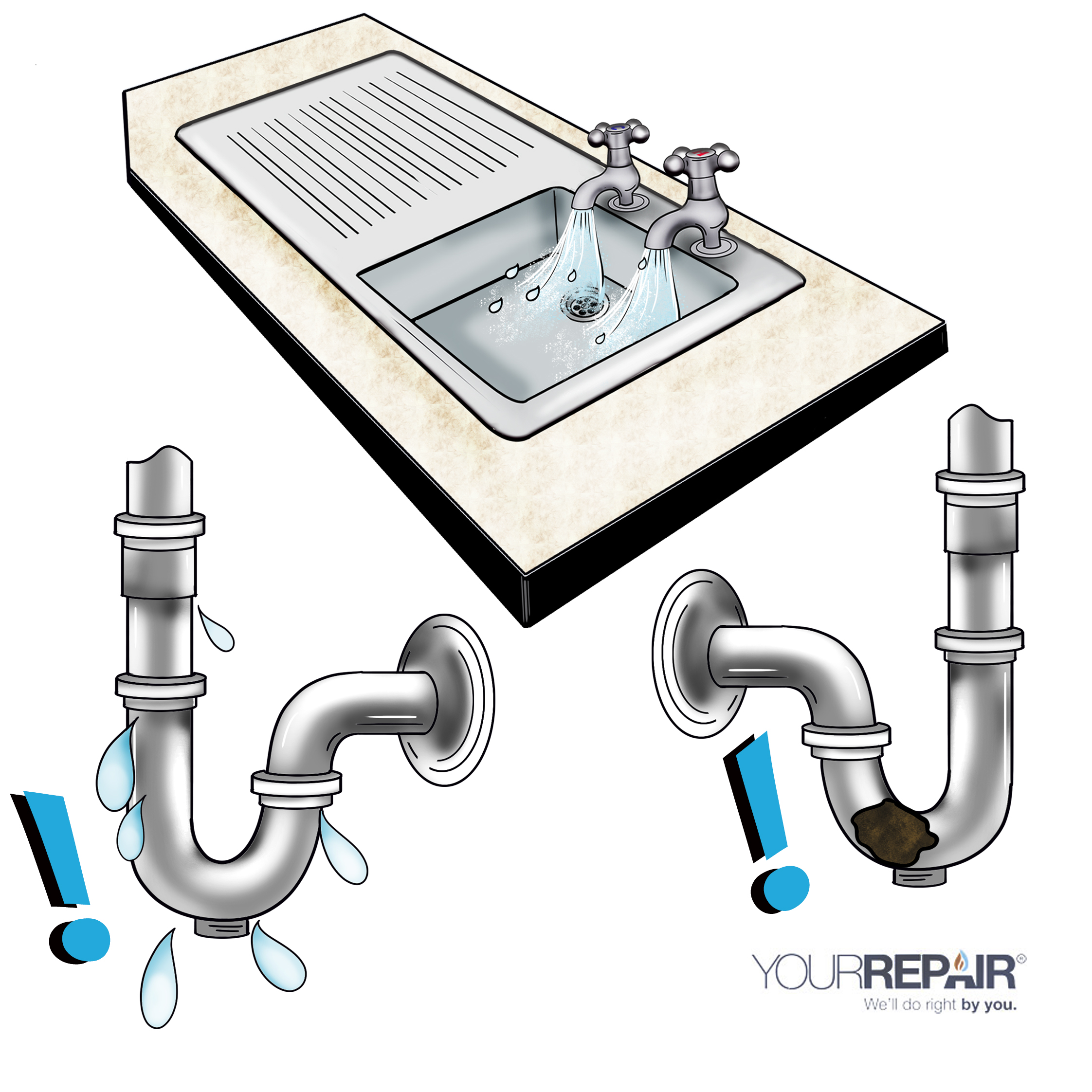
Image Source: www.yourrepair.co.uk
Decoding the Odors: Common Kitchen Sink Smells
Your kitchen sink might seem like a simple fixture, but a complex system of pipes and traps lies beneath the surface. When things go wrong in this hidden world, unpleasant smells can quickly make their way into your living space. Understanding the root cause is the first step to restoring freshness to your kitchen.
1. Trapped Food Particles and Organic Waste
This is arguably the most common reason for a smelly kitchen sink. Every time you wash dishes, rinse food scraps, or pour grease down the drain, tiny particles can get caught in the pipes. Over time, these trapped food particles begin to decompose, creating a foul-smelling environment.
How it Happens:
- Incomplete Disposal: Even with a garbage disposal, small bits of food can escape and lodge in the pipes.
- Grease and Oil: When hot grease or oil is poured down the drain, it cools and solidifies as it travels through the pipes. This sticky residue traps food particles and other debris, creating a buildup.
- Coffee Grounds and Eggshells: These items, while often thought to be harmless, can accumulate and form dense clogs that trap other waste.
- Soap Scum: The combination of soap and water can create a slimy film on the interior of your pipes, providing a surface for food particles to adhere to.
The Smell:
The decomposition of organic matter produces gases, often described as sulfurous or rotten egg-like. This is the familiar smell of decay.
2. Bacterial Buildup and Slime
As food particles and other organic matter accumulate, they create a perfect breeding ground for bacteria. These microorganisms thrive in the moist, dark environment within your drain pipes. This bacterial buildup is a significant contributor to sink odors.
Microorganisms at Work:
- Anaerobic Bacteria: These bacteria don’t require oxygen to survive and flourish in the stagnant conditions often found in drains. They break down organic waste through fermentation, releasing pungent gases as a byproduct.
- Biofilm Formation: Bacteria, along with food residue and soap scum, can form a slimy layer called biofilm on the inside of your pipes. This biofilm traps more waste and creates a continuous source of odor.
The Smell:
Bacterial decomposition can produce a variety of smells, from sour and stagnant to vaguely sulfuric. It’s the smell of life, albeit the microbial kind, actively breaking down waste.
3. Mold and Mildew Growth
The consistently moist environment of your kitchen sink pipes, especially if there are minor leaks or poor drainage, can also lead to the growth of mold and mildew. These fungi thrive in damp, dark conditions and can release musty or earthy odors.
Where Mold Likes to Grow:
- Under the Sink: Leaky pipes or condensation can create dampness under the sink, promoting mold growth on the pipes, cabinetry, or surrounding areas.
- In the Drain Opening: If there’s a persistent film of grime in the sink drain itself, mold can begin to establish itself there.
- Around the Sealant: The sealant around the sink basin can degrade over time, creating small gaps where moisture can seep in and encourage mold growth.
The Smell:
Mold and mildew typically produce a musty, damp, or earthy smell. This odor can be pervasive and often indicates a more serious moisture problem.
4. Garbage Disposal Odor
If your kitchen has a garbage disposal unit, it’s a prime suspect for sink smells. While designed to break down food waste, they can easily become a source of garbage disposal odor if not maintained properly.
Garbage Disposal Woes:
- Trapped Food Remnants: Even after grinding, small food particles can get lodged in the disposal’s grinding chamber, impeller plates, or under the rubber splash guard. These remnants rot, leading to strong odors.
- Grease and Stringy Fibers: Fibrous foods like celery or asparagus, as well as greasy substances, can wrap around the disposal’s components, preventing effective grinding and cleaning.
- Lack of Water Flow: Insufficient water flow during and after using the disposal can lead to debris accumulating rather than being flushed away.
The Smell:
Garbage disposal odors are often the most potent, ranging from sour and rancid to strongly sulfuric.
5. P-Trap Issues
The P-trap, that distinctive U-shaped pipe under your sink, plays a crucial role in preventing odors. If it’s not functioning correctly, it can become a source of smells. P-trap issues can arise from several factors.
Common P-Trap Problems:
- Dry P-Trap: If the sink is not used for an extended period, the water in the P-trap can evaporate, allowing sewer gases to enter the home. This is common in guest bathrooms or seldom-used sinks.
- Improper Installation: If the P-trap is installed at the wrong angle or doesn’t hold enough water, its effectiveness as an odor barrier is compromised.
- Sink Trap Debris: Accumulations of sink trap debris – a combination of food particles, grease, hair, and soap scum – can clog the trap itself, leading to foul odors and poor drainage.
The Smell:
A dry or compromised P-trap allows sewer gas to escape. This gas is a mixture of various compounds, including hydrogen sulfide, which smells strongly of rotten eggs.
6. Drain Pipe Blockages and Slow Drains
A partial or complete drain pipe blockage is a significant cause of lingering odors. When waste can’t flow freely through the pipes, it sits and decomposes, creating a concentrated source of stench.
Factors Contributing to Blockages:
- Grease and Fat Buildup: As mentioned earlier, grease solidifies and traps other materials, gradually narrowing the pipe.
- Hair and Soap Scum: In bathroom sinks, hair and soap scum are major culprits for clogs. In kitchen sinks, food debris often joins this mix.
- Foreign Objects: Dropped items, like small toys or utensils, can cause blockages.
- Mineral Deposits: Over time, minerals in the water can deposit on pipe walls, narrowing the passage.
The Smell:
Blockages lead to stagnant water and the trapped decomposition of waste, amplifying the rotten egg or sour smells associated with decaying organic matter.
7. Sewer Gas and Faulty Vent Pipes
Sometimes, the smell you’re experiencing isn’t just from your sink’s immediate vicinity but from the broader plumbing system. Sewer gas is a mixture of gases produced by the decomposition of waste in the sewer lines. Normally, your home’s plumbing system has vents that allow these gases to escape safely through the roof. However, a faulty vent pipe or a blockage in the vent system can allow these gases to back up into your home, often manifesting as a kitchen sink smell.
Venting Issues Explained:
- Blocked Vents: Leaves, bird nests, or other debris can obstruct vent pipes on the roof.
- Improperly Sloped Vents: If vents are not installed with the correct slope, water or waste can accumulate, blocking the airflow.
- Cracked or Leaking Vents: Physical damage to the vent pipe can create an entry point for sewer gases.
- Siphoned P-Traps: A blockage in a vent pipe can sometimes create a pressure imbalance that siphons the water out of a P-trap, breaking the odor barrier.
The Smell:
The smell of sewer gas is distinct – often a strong rotten egg odor due to hydrogen sulfide, but it can also include ammonia or methane, creating a more complex, unpleasant smell.
8. Stagnant Water and Leaks
Beyond the P-trap, other areas within your plumbing can collect stagnant water if there are minor leaks or clogs. This standing water, combined with any accumulated debris, can quickly start to smell as the organic matter within it decomposes.
Where Stagnant Water Hides:
- Leaky Faucets or Sprayers: A dripping faucet can create a constant trickle of water, and if food particles are present, they can accumulate.
- Cracks in Pipes: Small, hidden cracks in the pipes under the sink can allow water to pool and become stagnant.
- Dishwasher Drains: If the dishwasher drain line isn’t properly connected or has a blockage, dirty water can back up and sit.
The Smell:
Stagnant water environments are ripe for decomposition and the growth of bacteria and mold, leading to musty or sour smells.
Diagnosing the Smell: A Step-by-Step Approach
Before you can eliminate the odor, you need to pinpoint its source. Here’s how to approach the investigation:
Step 1: Identify the Nature of the Smell
Take a moment to carefully assess the odor. Is it:
- Rotten Egg/Sulfuric: Likely decomposition of organic matter, bacteria, or sewer gas.
- Musty/Earthy: Suggests mold or mildew, potentially from dampness or leaks.
- Sour/Stale: Often points to bacterial growth in stagnant water or food residue.
- Greasy/Rancid: Could indicate a buildup of grease and oil in the pipes or garbage disposal.
Step 2: Check the Obvious Culprits
Start with the simplest and most common sources:
- Garbage Disposal: If you have one, run it with cold water. Does the smell intensify or seem to originate from there? Check the splash guard and the disposal blades for debris.
- Sink Drain Opening: Look closely at the drain opening and around the strainer. Is there visible grime or slime?
- Under the Sink: Inspect the pipes, P-trap, and the area around them for any signs of leaks, water pooling, or mold growth.
Step 3: Consider Usage Patterns
- Infrequent Use: If the sink is rarely used, the P-trap might be drying out.
- Recent Cleaning: Did the smell appear after a specific cleaning product was used? Some drain cleaners can cause temporary odors.
- Disposal Use: Do you often put certain types of food waste down the disposal?
Step 4: Test the P-Trap’s Water Seal
Run water in the sink for about a minute. This should refill the P-trap and re-establish its water seal. If the smell temporarily disappears but then returns, it strongly suggests a P-trap issue or a problem further down the line allowing sewer gas to enter.
Tackling the Stench: Solutions and Prevention
Once you have an idea of the cause, you can implement targeted solutions.
H3: Cleaning Methods for Different Odors
Here’s a breakdown of cleaning strategies based on the likely cause:
For Trapped Food Particles and Bacterial Buildup:
- Boiling Water Flush: Pour a kettle of boiling water down the drain. This can help melt grease and dislodge minor buildup. Repeat for several days.
- Baking Soda and Vinegar: Pour about ½ cup of baking soda down the drain, followed by 1 cup of white vinegar. Let it fizz for 15-30 minutes, then flush with hot water.
- Salt and Baking Soda: Mix ½ cup of salt with ½ cup of baking soda. Pour down the drain, let sit for an hour, then flush with boiling water.
- Commercial Drain Cleaners: Use these cautiously and according to the manufacturer’s instructions. Avoid mixing different types of cleaners. Enzymatic cleaners are often safer and more effective for organic buildup than harsh chemical ones.
For Garbage Disposal Odor:
- Ice Cubes: Grind a tray of ice cubes in the disposal. This helps to scrape away buildup from the grinding chamber and blades.
- Citrus Peels: Grind lemon, lime, or orange peels. The oils can help to deodorize and clean the disposal.
- Baking Soda and Vinegar (Disposal): Pour ½ cup of baking soda into the disposal, followed by ½ cup of vinegar. Let it sit for a few minutes, then flush with cold water while running the disposal.
- Scrubbing the Splash Guard: Remove the rubber splash guard and clean it thoroughly with an old toothbrush and a mild detergent or bleach solution.
For Mold and Mildew:
- Bleach Solution: Mix 1 part bleach with 10 parts water. Pour a small amount down the drain and let it sit for a while before flushing. Caution: Never mix bleach with vinegar or ammonia, as this creates toxic fumes.
- Hydrogen Peroxide: Pour 3% hydrogen peroxide down the drain. Let it sit for 30 minutes, then flush with water.
- Address Moisture: If mold is present under the sink, identify and fix the source of the moisture. Ensure proper ventilation.
For P-Trap and Drain Pipe Blockages:
- Plunger: Use a sink plunger to dislodge minor clogs. Ensure a good seal around the drain.
- Drain Snake (Auger): For more stubborn clogs, a drain snake can be used to physically break up or pull out debris.
- Professional Cleaning: If DIY methods fail, a plumber can use specialized equipment to clear blockages.
For Sewer Gas Odors:
- Check P-Trap Water Seal: Regularly run water in seldom-used sinks.
- Inspect Vent Pipes: If you suspect a vent issue, a plumber can inspect and clear any blockages. This is a job best left to professionals.
H4: Preventive Measures to Keep Smells Away
Prevention is key to avoiding recurring sink odors.
- Dispose of Grease Properly: Never pour grease, oil, or fats down the drain. Collect them in a container and dispose of them in the trash once cooled.
- Scrape Plates: Scrape food scraps from plates into the trash or compost bin before rinsing them.
- Use Garbage Disposal Wisely: Avoid putting fibrous foods (celery, corn husks), coffee grounds, eggshells, pasta, rice, or potato peels down the disposal, as these can contribute to clogs and odors.
- Run Cold Water: Always run cold water while using the garbage disposal and let it run for about 15-30 seconds after you finish grinding to flush everything through the pipes.
- Regular Cleaning: Make a habit of cleaning your sink drain weekly. A simple flush with boiling water or the baking soda and vinegar method can go a long way.
- Clean the Disposal Baffles: Regularly clean the rubber splash guard and the area around the disposal blades.
- Use a Drain Strainer: Install drain strainers to catch food particles and hair before they enter the drain.
- Maintain P-Traps: If you’re going away for an extended period, pour a cup of water down unused drains to ensure the P-trap’s water seal remains intact.
Table: Common Sink Smells and Their Likely Causes
| Smell Type | Likely Cause(s) |
|---|---|
| Rotten Egg / Sulfuric | Decomposition of food, bacteria, sewer gas, dry P-trap |
| Musty / Earthy | Mold and mildew, dampness, leaks |
| Sour / Stale | Bacterial buildup, stagnant water, food residue |
| Greasy / Rancid | Grease and oil buildup, garbage disposal |
| Ammonia-like | Sewer gas |
Frequently Asked Questions (FAQ)
Q1: Can I pour bleach down my kitchen sink to get rid of the smell?
A1: Yes, you can use a diluted bleach solution (1 part bleach to 10 parts water) to kill bacteria and mold, which can contribute to smells. However, avoid using it frequently, as it can be harsh on pipes. Crucially, never mix bleach with other cleaning products like vinegar or ammonia, as this produces dangerous toxic fumes.
Q2: My sink still smells after I used baking soda and vinegar. What else can I do?
A2: If baking soda and vinegar didn’t work, the problem might be more significant. Consider using an enzymatic drain cleaner, which uses bacteria to break down organic waste. If the smell persists, it might be a deeper clog or a plumbing issue that requires professional attention.
Q3: Is it safe to use a chemical drain cleaner for a smelly sink?
A3: Chemical drain cleaners can be effective for clearing clogs, but they are harsh and can damage pipes over time. They also don’t always eliminate the underlying cause of odors, which is often bacterial buildup. Enzymatic or natural methods are generally preferred for odor control. Always follow product instructions carefully and ensure good ventilation.
Q4: My garbage disposal smells. How often should I clean it?
A4: It’s a good idea to clean your garbage disposal at least once a month, or more often if you notice any odors. Using ice cubes and citrus peels regularly can help keep it fresh.
Q5: What if the smell is coming from both my kitchen and bathroom sinks?
A5: If multiple drains in your home smell, it strongly suggests a problem with the main sewer line or the house’s venting system. This is a situation where you should definitely call a qualified plumber to diagnose and fix the issue.
Q6: Can a faulty vent pipe really cause my kitchen sink to smell?
A6: Yes, absolutely. A faulty or blocked vent pipe allows unpleasant sewer gases to enter your home instead of escaping through the roof. This can manifest as a pervasive smell in sinks and drains.
By understanding the various reasons behind a smelly kitchen sink and employing the right cleaning and preventative measures, you can restore freshness to your kitchen and keep those unpleasant odors at bay.