
Are ants marching across your countertops? Yes, ants can enter your kitchen for food, water, and shelter. If you’re finding ants in your kitchen, you’re certainly not alone. These tiny invaders are among the most common household pests. They are driven by basic needs, and unfortunately, our kitchens often provide a treasure trove of resources for them. From sweet crumbs to leaky pipes, your kitchen can be a veritable ant buffet. Let’s delve into the primary reasons why these persistent pests find their way into your culinary sanctuary.
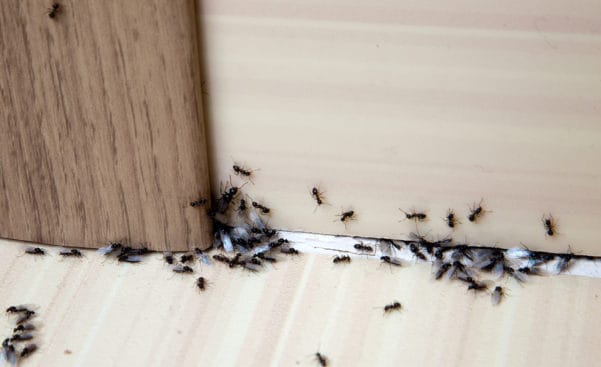
Image Source: www.callnorthwest.com
The Allure of Your Kitchen: What Draws Ants In?
Food Sources: The Primary Magnet
Ants are constantly foraging for sustenance for their colony. Your kitchen, with its open containers, dropped crumbs, and sticky spills, presents an irresistible buffet.
- Sugary Substances: This is the number one attractant for many ant species. Even the tiniest sugar crystal, a smear of jam, or a drop of soda can signal a feast to a scout ant. Sweetened beverages, honey, syrup, and fruit juices are particularly appealing.
- Grease and Oils: Many ants, especially certain household ants, are also attracted to fats and oils. Residue left on stovetops, under appliances, or on unwashed dishes can be a significant attractant.
- Protein Sources: While sugar is a major draw, some ants also seek out protein. This can include pet food left out, bits of meat, cheese, or even dead insects.
- Crumbs and Spills: It’s not just about the sugar bowl. Leftover crumbs from bread, crackers, cookies, or cereal can provide ample nourishment. Sticky residues from spills, even water that has evaporated leaving behind sugars, are also targets.
- Unsealed Food Containers: Any food item not properly sealed is an open invitation. Cereal boxes with torn bags, sugar containers with loose lids, or fruit bowls are prime targets.
Water Sources: More Than Just Food
Ants, like all living creatures, need water to survive. Your kitchen can offer a surprising number of water sources.
- Leaky Faucets and Pipes: A dripping faucet or a slow leak under the sink can be a constant source of hydration for ants. Even condensation on pipes can provide enough moisture.
- Pet Water Bowls: If you have pets, their water bowls can be an easy watering hole for ants, especially if there are stray food particles in or around the bowl.
- Sponges and Dishcloths: Damp sponges, dishcloths, and mops left out can retain moisture, making them attractive spots for ants to drink.
- Sink Areas: Even residual moisture in the sink basin after washing dishes can be enough.
Shelter and Nesting Sites: Finding a Home
While your kitchen might be a food and water source, ants may also seek to establish a nest nearby if conditions are favorable.
- Cracks and Crevices: Ants can squeeze through incredibly small openings. Cracks in walls, gaps around cabinets, or spaces behind appliances can provide safe, secluded locations for them to nest.
- Damp Areas: Areas with persistent moisture, such as under sinks, behind refrigerators (due to condensation), or in damp basements adjacent to the kitchen, can be ideal nesting sites.
- Cardboard and Paper: Ants sometimes nest in damp cardboard boxes or paper products stored in or near the kitchen, especially if these items are in a secluded, undisturbed location.
Where Do Ants Come From? Tracing the Trails
To effectively manage an ant problem, it’s crucial to understand where do ants come from. They don’t just appear out of nowhere.
External Nesting Sites
Most commonly, ants nest outdoors and venture into your home in search of resources.
- Soil and Gardens: Many common household ants, like odorous house ants and pavement ants, build nests in the soil, under rocks, or in cracks in pavement near your home’s foundation.
- Dead Trees and Stumps: Carpenter ants, in particular, are known to nest in moist, decaying wood. Dead trees, stumps, or rotting woodpiles close to your house can harbor large colonies.
- Under Eaves and Gutters: Ants may nest in debris that collects in clogged gutters or under roof eaves, providing a sheltered environment.
- Ant Colonies Nearby: Even if you don’t see an obvious nest near your home, a thriving colony in a neighbor’s yard or a nearby park can easily send out scout ants to explore your property.
Internal Nesting Sites
In some cases, ants can establish nests inside your home, particularly if they find a suitable environment.
- Wall Voids: Spaces within your walls, especially if there’s any moisture intrusion, can be attractive nesting locations.
- Behind Appliances: The warmth and potential for moisture (from condensation or leaks) behind appliances like refrigerators, dishwashers, or ovens can make these areas suitable for nesting.
- Under Flooring: Loose or damaged flooring, particularly in areas prone to moisture, can provide sheltered spots for ants to create a nest.
- Inside Damp Wood: If you have any water damage or damp wood within your kitchen structure (e.g., under the sink, around window frames), this can become a nesting site for certain ant species.
Identifying the Culprits: Common Kitchen Ants
Different species of ants have slightly different preferences and behaviors, but many common kitchen pests share similar attractants.
- Odorous House Ants: These small, brown to black ants are known for the distinct “rotten coconut” smell they emit when crushed. They are attracted to sweets and will nest in wall voids, under appliances, and in damp areas.
- Pavement Ants: Typically black or dark brown, these ants often nest in cracks in pavement but will readily move indoors, especially to kitchens, for food. They are attracted to a wide range of foods, including sweets, grease, and proteins.
- Carpenter Ants: These are larger ants, often black or reddish-black. While they primarily feed on sweets, they are also attracted to protein and can even consume dead insects. Their defining characteristic is their habit of nesting in wood, particularly damp or decaying wood. If you see larger ants or notice sawdust-like shavings (frass), you might have carpenter ants.
- Pharaoh Ants: These tiny, pale yellow to reddish-brown ants are particularly troublesome. They are attracted to sweets, proteins, and fats. Pharaoh ants can nest in very small voids within walls, behind baseboards, and even in electrical outlets, making them notoriously difficult to control.
Deciphering the Ant Trails: How They Find You
You’ve seen them – those single-file lines of ants marching purposefully across your floor or countertop. These are ant trails, and they are a fascinating, yet frustrating, aspect of ant behavior.
The Role of Scout Ants
It all starts with a scout ant. This individual ant ventures out from the nest in search of food or water. When it finds a promising resource, it doesn’t just run back to the colony to tell everyone. Instead, it lays down a chemical scent trail, called a pheromone trail, as it travels.
Pheromones: The Ant Communication Network
- Trail Marking: As the scout ant returns to the nest, it deposits more pheromones, essentially marking a path back to the food source.
- Recruitment: Other ants in the colony detect this pheromone trail. They follow the scent, reinforcing the trail with their own pheromones as they go. This recruitment process is why you often see a sudden influx of ants once a food source is discovered.
- Efficiency: This system allows ants to efficiently exploit food sources. The stronger the pheromone trail, the more ants will follow it, leading to rapid colonization of a food source.
Why You See Trails in Specific Spots
- Direct Path: Ant trails typically represent the most direct path between the nest entrance (or a known entry point into your home) and the food or water source.
- Surface Texture: Ants prefer to follow consistent surfaces and will often stick to edges of walls, baseboards, or grout lines, which can help them maintain their pheromone trail.
- Environmental Cues: They may also use physical landmarks like cracks, changes in color, or even slight imperfections in the surface to orient themselves.
Eliminating the Attraction: Proactive Ant Prevention
The best way to deal with kitchen ants is to prevent them from coming in the first place. Ant prevention is key to maintaining a pest-free kitchen.
Kitchen Cleanliness: The First Line of Defense
A clean kitchen is an unattractive kitchen to ants.
- Wipe Down Surfaces Regularly: After every meal preparation and use, thoroughly wipe down countertops, stovetops, and tables to remove crumbs, spills, and sticky residues.
- Sweep and Mop Floors: Don’t forget the floor! Regular sweeping and mopping will remove fallen crumbs and potential food sources. Pay attention to corners and under appliances.
- Clean Up Spills Immediately: Whether it’s juice, soda, or syrup, clean up spills as soon as they happen. Even a small sticky spot can attract ants.
- Wash Dishes Promptly: Don’t leave dirty dishes in the sink for extended periods. Food particles and residues on plates are a major attractant.
- Empty Trash Cans Regularly: Food scraps in the kitchen trash can are a beacon for ants. Use a bin with a tight-fitting lid and empty it daily, especially if it contains food waste. Rinse out the bin itself periodically.
- Store Food Properly: This is critical.
- Airtight Containers: Transfer cereals, sugar, flour, pasta, and other dry goods into airtight containers made of glass, metal, or sturdy plastic. Ants can chew through thin cardboard and plastic bags.
- Refrigerate Sweet Foods: Store jams, syrups, honey, and open cans of fruit in the refrigerator.
- Pet Food: Don’t leave pet food out overnight. Store it in airtight containers and clean up any spills around the food bowls.
Eliminating Water Sources
Address any moisture issues promptly.
- Fix Leaks: Repair any dripping faucets or leaky pipes under sinks immediately.
- Dry Sink Areas: Wipe down the sink and surrounding areas after use, especially overnight.
- Check for Condensation: Ensure appliances that generate heat or cold don’t have excessive condensation that could provide a water source.
Sealing Entry Points
Prevent ants from entering your home in the first place.
- Inspect Your Home’s Exterior: Look for cracks and crevices around windows, doors, and the foundation.
- Seal Gaps and Cracks: Use caulk or sealant to seal any openings where ants could enter. Pay attention to areas where utility lines enter the house.
- Trim Vegetation: Keep tree branches and shrubs trimmed back from your house. Ants often use these as bridges to reach your roof or walls.
- Check Window and Door Screens: Ensure screens are in good repair and don’t have holes ants can squeeze through.
Tackling the Invasion: Effective Ant Control
If ants have already established an ant infestation, you’ll need to implement ant control measures.
Identifying the Ant Trails for Targeted Action
Before you start spraying, observe the ants.
- Follow the Trails: Try to follow the ant trails back to their entry points or potential nesting areas. This will give you valuable information about their movement patterns and origins.
- Observe Behavior: Are they attracted to a specific food or water source? Knowing their preferences will help you choose the right control method.
Baits: A Strategic Solution
Ant baits are often the most effective way to control an ant infestation. They work by attracting ants to a bait station containing a slow-acting poison.
- How Baits Work: Worker ants consume the poisoned bait and carry it back to the colony, where they share it with other ants, including the queen. This eliminates the colony from the inside out.
- Placement: Place bait stations along ant trails, near entry points, and in areas where you’ve seen significant ant activity. Avoid spraying insecticides near bait stations, as this can deter ants from reaching the bait.
- Patience: Baits can take a few days to a week or more to show significant results, as the poison needs time to spread through the colony.
Types of Ant Baits
| Bait Type | Active Ingredient Examples | Target Ants | Best For | Considerations |
|---|---|---|---|---|
| Gel Baits | Fipronil, Hydramethylnon, Borax | Sweet-loving ants, protein feeders | Cracks, crevices, along trails, under appliances | Can be messy if applied incorrectly. Effective for a wide range of ant species. |
| Liquid Baits | Borax, Sugar, Sodium Tetraborate | Primarily sweet-loving ants | Placing in small dishes or caps along trails, near entry points | Needs to be replenished regularly as it can dry out. Can be very effective if ants readily take to the liquid. |
| Granular Baits | Indoxacarb, Fipronil | Ants that forage outdoors and bring back | Near exterior foundation, along pathways, in gardens (follow label) | Best used outdoors or in areas away from food preparation. Less effective for ants nesting inside walls unless they are drawn out to them. |
| Bait Stations | Various (gel, granular, paste inside) | Varies depending on bait formulation | Placed along trails, near suspected entry points | Enclosed for safety, especially around children and pets. Easy to place and monitor. |
Insecticide Sprays: Use with Caution
While sprays can kill ants on contact, they are often a temporary fix and can sometimes make an infestation worse.
- Contact Killers: These kill the ants they directly hit but do not affect the colony or the queen. They can also disrupt pheromone trails, causing ants to scatter and find new, often harder-to-reach, paths.
- Residual Sprays: These leave a barrier that can kill ants that cross it. However, ants can learn to avoid treated areas.
- Targeted Application: If you use sprays, apply them directly to visible ant trails and entry points, and always follow label instructions carefully. Avoid spraying near food preparation surfaces or where baits are placed.
Natural and DIY Ant Control Methods
For those preferring less chemical-intensive solutions, several natural methods can help.
- Vinegar Solution: A mixture of equal parts white vinegar and water can disrupt ant trails and act as a repellent. Wipe down surfaces with this solution.
- Soapy Water: A simple solution of dish soap and water in a spray bottle can kill ants on contact by breaking down their exoskeleton.
- Diatomaceous Earth (Food Grade): This natural powder made from fossilized aquatic organisms can be sprinkled in areas where ants travel. It works by dehydrating them. Ensure you use food-grade DE and avoid inhaling the dust.
- Lemon Juice: The acidity of lemon juice can also disrupt pheromone trails and deter ants.
- Essential Oils: Peppermint, tea tree, and eucalyptus oils are often cited as ant repellents. Dilute a few drops in water and spray around entry points or wipe surfaces.
When to Call the Professionals
Sometimes, despite your best efforts, an ant infestation can be persistent or overwhelming.
- Large Infestations: If you see ants continuously, in large numbers, or have reason to believe there’s a significant nest within your walls, professional help is often necessary.
- Difficult-to-Identify Ants: If you can’t identify the ant species or the source of the problem, a pest control professional has the expertise and tools to diagnose and treat the issue effectively.
- Carpenter Ants: Given their potential to cause structural damage, if you suspect carpenter ants, it’s crucial to contact a professional immediately.
- Persistent Problems: If you’ve tried various control methods without success, a professional exterminator can offer advanced solutions and targeted treatments.
Frequently Asked Questions (FAQ)
Q1: Why are there suddenly so many ants in my kitchen?
A1: A sudden increase in ants usually means a scout ant has found a significant food or water source in your kitchen. This triggers a “recruitment” process where more ants from the colony follow the pheromone trail, leading to a rapid influx.
Q2: Can ants damage my kitchen or home?
A2: While most common household ants are more of a nuisance, carpenter ants can cause structural damage by tunneling through wood to create nests. They are attracted to damp or decaying wood.
Q3: Are ants in my kitchen dangerous?
A3: Most common kitchen ants are not dangerous to humans. They don’t bite or sting aggressively, and they don’t typically spread diseases. However, they can contaminate food surfaces with bacteria they pick up from other areas.
Q4: How do I get rid of ant trails?
A4: To get rid of ant trails, you need to wipe them away with a cleaning solution. A mixture of equal parts white vinegar and water, or soapy water, works well to break down the pheromone scent that ants use to navigate.
Q5: Where is the ant nest usually located?
A5: Ant nests can be located both inside and outside your home. Common outdoor locations include the soil, under rocks, in woodpiles, and in tree stumps. Indoor nests can be found in wall voids, under appliances, behind baseboards, or in any secluded, undisturbed area, often where there’s moisture.
Q6: I see ants near my pet’s food. What should I do?
A6: Clean up any spilled pet food immediately and store pet food in airtight containers. You can also try placing pet food bowls on a slightly raised platform with a moat of water around them to deter ants from reaching the food. Avoid using ant baits or sprays directly near pet food or water.
Q7: What is the most effective way to control an ant infestation?
A7: For a true ant infestation, the most effective method is usually the use of ant baits. Baits allow the ants to carry the poison back to the colony, eliminating the source of the problem. Consistent ant prevention through rigorous cleaning and sealing entry points is also crucial.